
For any traveler considering a trip to the sun-drenched shores of St. Petersburg, Florida, understanding the local climate is paramount. The temperature in this vibrant Gulf Coast city isn’t merely a number on a thermometer; it’s a critical factor that shapes everything from your packing list to your daily itinerary. Known affectionately as “The Sunshine City,” St. Petersburg lives up to its moniker with an impressive average of 361 days of sunshine annually. This consistent warmth and light are primary draws for millions of visitors seeking an escape from colder climes. However, like any destination, St. Petersburg experiences distinct seasonal variations, each offering a unique flavor of its tropical savanna climate. Delving into these temperature patterns provides invaluable insight for planning the perfect Floridian getaway, ensuring your experience aligns seamlessly with the region’s natural rhythms. From the balmy winter breezes ideal for exploring outdoor attractions to the warm, humid summers perfect for beach days, the weather dictates the tempo of life and leisure in this picturesque city.
Understanding St. Petersburg’s Climate: A Year-Round Overview
St. Petersburg’s climate is officially classified as humid subtropical, characterized by hot, humid summers and mild to warm, relatively dry winters. This classification, however, only tells part of the story. The city’s unique peninsular geography, surrounded by the waters of Tampa Bay and the Gulf of Mexico, plays a crucial role in moderating temperatures, often making it slightly cooler in summer and warmer in winter compared to inland areas. The Gulf of Mexico acts as a giant thermal regulator, influencing daily highs and lows and contributing to the pleasant sea breezes that often temper the heat, especially along the extensive coastline.
Average Annual Temperatures and Extremes
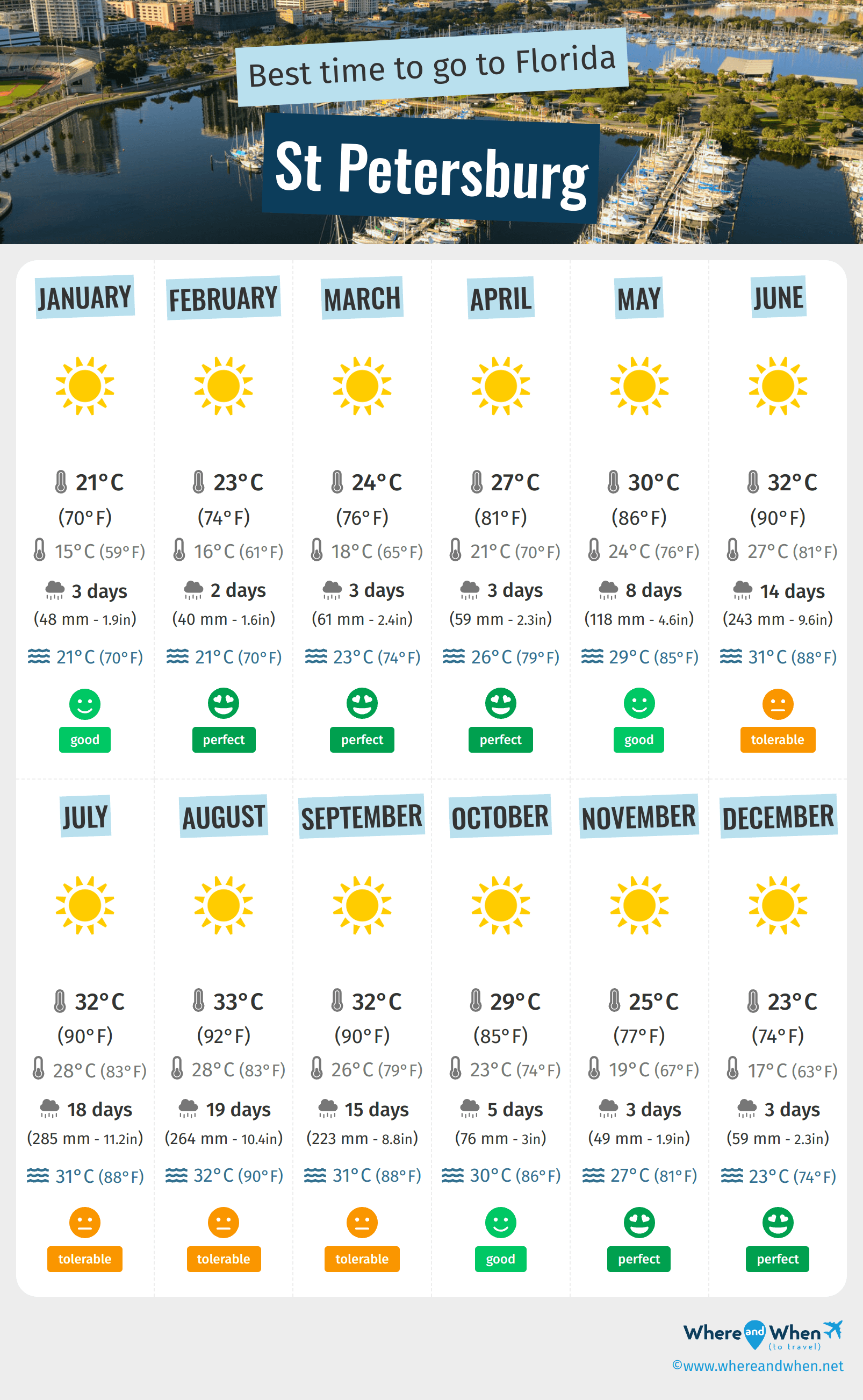
On average, St. Petersburg boasts an annual average temperature hovering around 73°F (22.8°C). This comfortable mean temperature is a significant draw, promising a generally pleasant climate for much of the year. Daily high temperatures typically range from the low 70s°F (21-23°C) in winter to the low 90s°F (32-34°C) in summer. Nighttime lows rarely drop below freezing, with winter lows typically in the 50s°F (10-15°C) and summer lows in the mid-70s°F (24-26°C). Extreme cold spells are rare and usually short-lived, with temperatures very seldom dipping below 30°F (-1°C). The record low for the area is around 20°F (-6.7°C), a truly exceptional event. On the other end of the spectrum, summer highs can occasionally push into the mid-90s°F (35-37°C), though the humidity often makes the “feels like” temperature higher, a factor critical for visitors to consider. The highest recorded temperature is generally around 100°F (38°C), another infrequent occurrence. These extremes highlight the overall mildness but also underscore the importance of checking forecasts, particularly during peak summer months, to prepare for potential heat indices.
The Role of Humidity and Sunshine
Beyond the temperature readings, humidity is an undeniable and pervasive characteristic of St. Petersburg’s climate, especially during the warmer months. Relative humidity levels often hover between 70% and 90% in summer, making the air feel considerably warmer and heavier. This high humidity, combined with heat, can pose challenges for those unaccustomed to it, necessitating careful hydration and sun protection. While it contributes to lush subtropical vegetation, it also means visitors might feel sticky and sweat more readily. Conversely, winter months bring noticeably lower humidity, contributing to the crisp, comfortable feeling often described as ideal. The abundance of sunshine, however, is a consistent and delightful feature, with the sun gracing the skies for the vast majority of days. This consistent solar presence fuels the city’s outdoor-centric lifestyle and is a major component of its appeal, offering ample opportunities for beach visits, park exploration, and al fresco dining regardless of the specific season, provided one is adequately prepared for the prevailing temperatures and humidity levels.
Seasonal Temperature Variations and Their Impact on Travel
The four seasons in St. Petersburg are distinct, though not in the dramatic foliage-changing way of northern climates. Instead, the differentiation lies primarily in temperature, humidity, and precipitation patterns, each influencing the optimal travel experience and recommended activities.
Winter’s Mild Embrace (December – February)
Winter in St. Petersburg is arguably its most celebrated season for visitors, particularly those escaping harsh northern winters. Average daytime temperatures range from the low to mid-70s°F (21-24°C), while nights are comfortably cool, often dropping into the 50s°F (10-15°C). Humidity is at its lowest, and skies are typically clear and sunny. This period offers near-perfect weather for outdoor activities, making it ideal for exploring Fort De Soto Park, cycling along the Pinellas Trail, or simply enjoying the beaches without the intense summer heat. Festivals and outdoor events are abundant, taking full advantage of the pleasant conditions. Accommodation prices can be higher during this peak season due to demand, but the weather rewards the investment. Light layers are usually sufficient, with a sweater or light jacket needed for evenings or cooler mornings.
Spring’s Gentle Warmth (March – May)
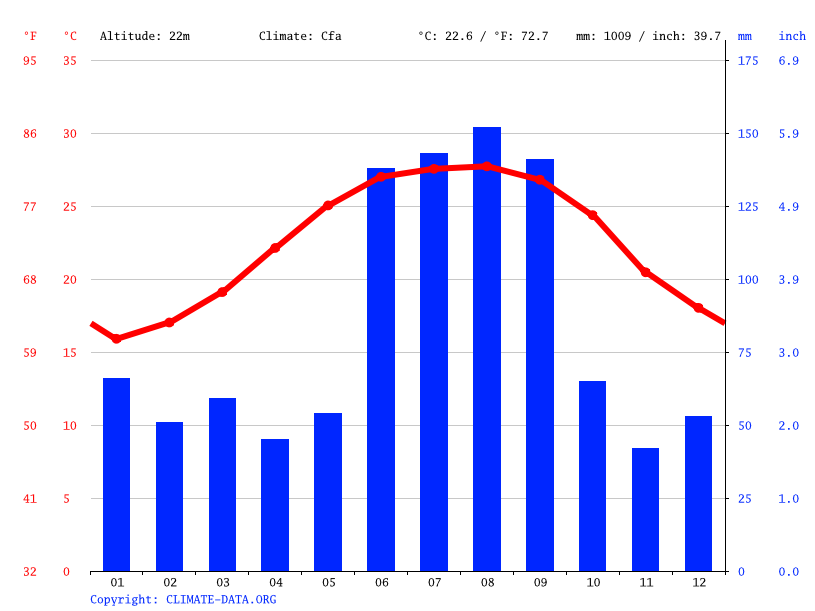
Spring is a glorious transition period in St. Petersburg, characterized by gradually rising temperatures and still relatively low humidity, though it begins to climb towards May. Daytime highs typically range from the mid-70s°F to low 80s°F (24-29°C), with comfortable evening lows in the 60s°F (16-20°C). This is an excellent time for water activities as the Gulf waters warm up, making swimming and paddleboarding increasingly inviting. Spring break brings a lively atmosphere, and flowers are in full bloom across the city, enhancing its natural beauty. It’s a fantastic time for visiting attractions like the St. Pete Pier or the Sunken Gardens. The risk of rain is still relatively low compared to summer, offering consistently sunny days for exploring.
Summer’s Sunny Zenith (June – August)
Summer in St. Petersburg is characterized by heat, high humidity, and afternoon thunderstorms. Daytime temperatures routinely hit the high 80s°F to low 90s°F (31-34°C), and the humidity often makes it feel even hotter, sometimes reaching a “feels like” index over 100°F (38°C). Evenings remain warm, with lows in the mid-70s°F (24-26°C). While intense, this heat is punctuated by frequent, brief, and often dramatic afternoon thunderstorms, which usually clear quickly, leaving behind refreshed air. These storms are a daily occurrence, often providing a welcome cool-down. This is prime beach season, with warm Gulf waters perfect for swimming, snorkeling, and other aquatic pursuits. Indoor attractions like The Dalí Museum or the St. Petersburg Museum of Fine Arts offer respite from the midday sun. Travelers during this period should pack light, breathable clothing, stay hydrated, and plan outdoor activities for mornings or late afternoons.
Autumn’s Comfortable Transition (September – November)
Autumn offers a delightful transition, as the intense summer heat and humidity slowly recede, making way for more comfortable conditions. Early autumn can still feel quite warm, with highs in the mid-80s°F (29-31°C) and noticeable humidity. However, by October and especially November, temperatures drop significantly, settling into the mid-70s°F (24-26°C) during the day and low 60s°F (16-18°C) at night. Humidity also decreases, and the frequency of afternoon thunderstorms lessens considerably. This period, particularly late autumn, is often considered another “shoulder season” sweet spot for visitors, offering pleasant weather with fewer crowds than winter. It’s ideal for outdoor festivals, enjoying the vibrant downtown scene, or exploring the barrier islands like St. Pete Beach and Clearwater Beach. The water remains warm enough for swimming well into October.
Planning Your Ideal St. Pete Getaway Based on Temperature
Choosing the best time to visit St. Petersburg largely depends on your personal preferences for temperature, your tolerance for humidity, and the types of activities you prioritize. The city offers diverse experiences throughout the year, each shaped by its unique climate.
Activity-Specific Weather Considerations
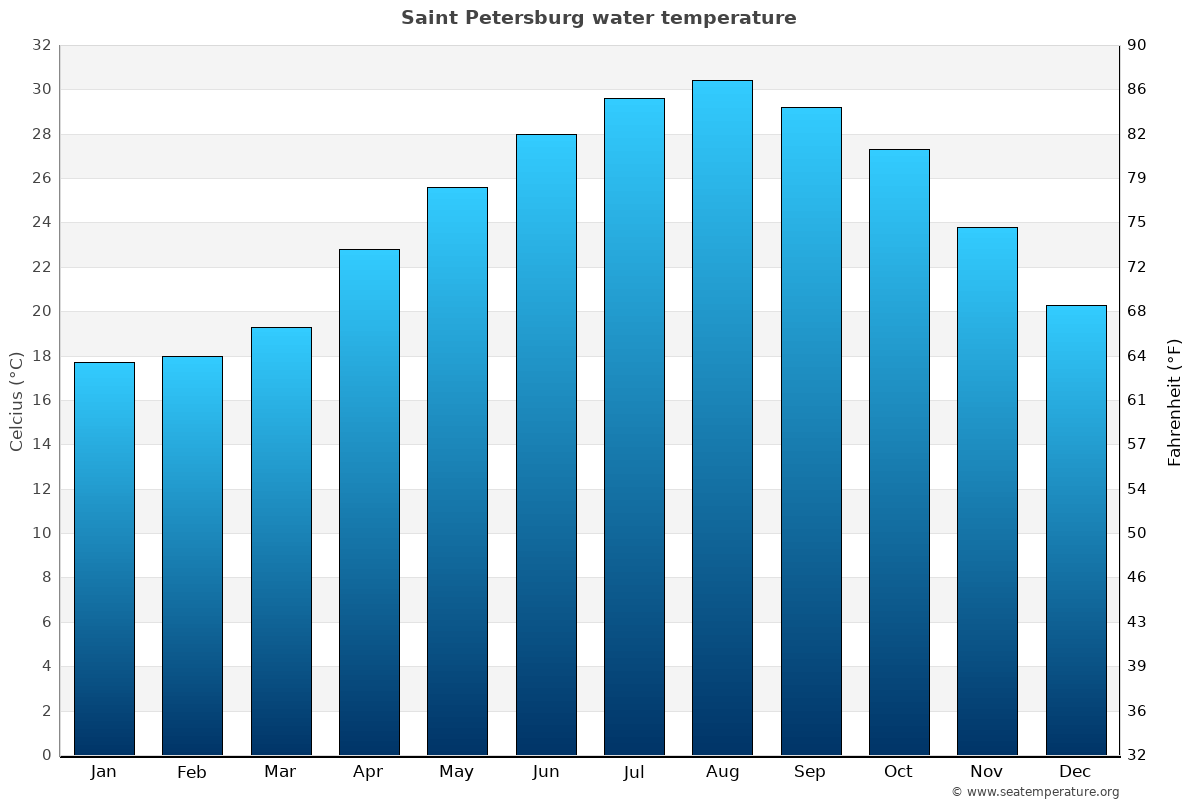
If your primary goal is to enjoy the pristine beaches and warm Gulf waters, summer (June-August) is undeniably the peak time. While hot and humid, the ocean temperatures are ideal for extended swims, paddleboarding, and jet-skiing. Morning visits to the beach are recommended to beat the midday sun and potential afternoon storms. For those interested in exploring the rich cultural landscape, walking tours, or extensive outdoor recreation like golfing, cycling, or visiting nature parks, the cooler, drier months of winter (December-February) are optimal. The comfortable temperatures allow for prolonged outdoor activity without significant heat stress. Spring (March-May) and late autumn (October-November) strike a balance, offering pleasant temperatures for both beach relaxation and active exploration, often with fewer crowds than the winter high season. These shoulder seasons can provide excellent value and a more relaxed pace.
Packing Essentials for Every Season
Regardless of when you visit, light, breathable clothing is a must for St. Petersburg, especially during the long warm season. For summer, focus on moisture-wicking fabrics, shorts, t-shirts, and plenty of swimwear. A wide-brimmed hat, sunglasses, and high-SPF sunscreen are non-negotiable to protect against the strong Florida sun. An umbrella or light rain jacket can be useful for sudden summer downpours. In winter, while days are warm, evenings can be cool, so packing layers – including a light sweater, jacket, or fleece – is advisable. Closed-toe shoes might be preferred for evening strolls. Spring and autumn are similar to winter but with less need for heavy layers, though a light jacket is still wise for cooler nights. Comfortable walking shoes are essential year-round, as there’s much to explore on foot. Always remember your swimwear, as even in winter, a heated pool or a surprisingly warm day might call for a dip.
Beyond Temperature: Understanding Peak Seasons and Events
While temperature is a key driver, it’s also important to consider how it influences tourism volume. Winter and early spring (December through April) represent St. Petersburg’s peak tourist season, largely due to the influx of “snowbirds” and spring breakers seeking pleasant weather. This means higher prices for flights and hotels, and more crowded attractions. Summer, despite its heat, also draws families taking advantage of school holidays. The shoulder seasons of late spring and late autumn offer a sweet spot: good weather, fewer crowds, and often better deals on accommodation. It’s always a good idea to check the local events calendar when planning your trip. St. Petersburg hosts numerous festivals, art shows, and outdoor concerts throughout the year, many of which are strategically scheduled during the most temperate months. For example, the Firestone Grand Prix of St. Petersburg in March takes full advantage of the pleasant spring weather, while events like the St. Pete Pride celebration in June embrace the vibrant summer atmosphere. Understanding the interplay between temperature, events, and crowd levels will enable you to tailor your visit to St. Petersburg for an experience that perfectly matches your desired pace and comfort.
LifeOutOfTheBox is a participant in the Amazon Services LLC Associates Program, an affiliate advertising program designed to provide a means for sites to earn advertising fees by advertising and linking to Amazon.com. Amazon, the Amazon logo, AmazonSupply, and the AmazonSupply logo are trademarks of Amazon.com, Inc. or its affiliates. As an Amazon Associate we earn affiliate commissions from qualifying purchases.