
Orlando, Florida, a city synonymous with world-class theme parks, captivating attractions, and unforgettable family vacations, draws millions of visitors annually. For any discerning traveler planning a trip to this vibrant destination, understanding its climate is paramount. The temperature in Orlando plays a pivotal role in shaping itineraries, influencing packing decisions, and ultimately dictating the overall enjoyment of your travel experience. Far from being a mere number, Orlando’s temperature dictates everything from the best time to visit Walt Disney World Resort to whether you’ll need a swimsuit or a light jacket. This comprehensive guide delves deep into the climatic nuances of the “Theme Park Capital of the World,” providing insights into its seasonal temperature variations, humidity levels, and practical advice to ensure your visit is comfortable, regardless of when you choose to explore its magic.
Understanding Orlando’s Subtropical Climate
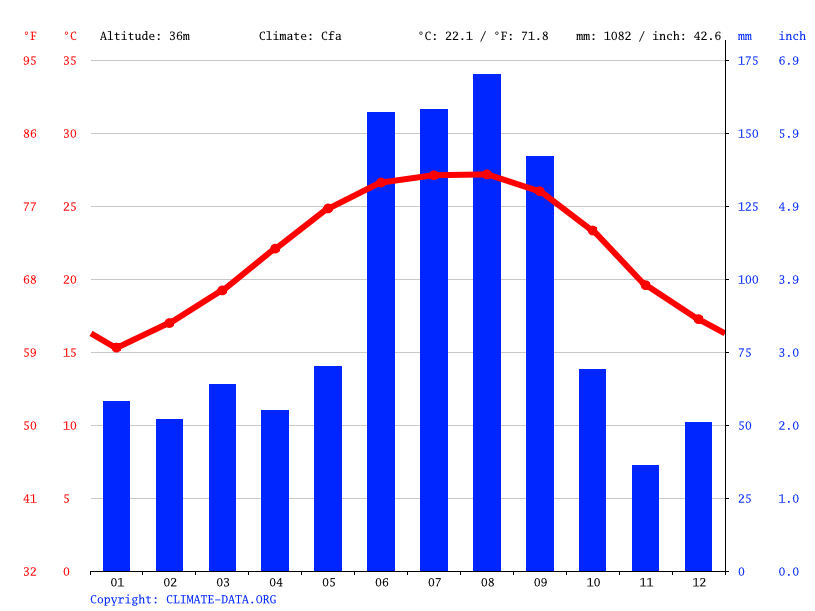
Orlando’s climate is officially classified as humid subtropical, a characteristic shared with many popular destinations in the southeastern United States. This designation immediately offers a clue about what to expect: warm temperatures for much of the year, coupled with significant humidity. The city’s geographical location, nestled in the central part of the Florida peninsula, places it far enough inland to experience more pronounced seasonal shifts than coastal areas, yet still close enough to be influenced by oceanic moisture.
The Influence of Geography
The peninsula’s unique position, flanked by the Atlantic Ocean to the east and the Gulf of Mexico to the west, is a major factor in Orlando’s weather patterns. While not directly on the coast, these vast bodies of water contribute significantly to the humidity that is a hallmark of the Florida climate. During the warmer months, moist air masses from the Gulf and Atlantic converge over the land, fueling the frequent afternoon thunderstorms that are a common feature of Orlando’s summer. In winter, cold fronts occasionally push down from the north, bringing brief periods of cooler, drier air, offering a refreshing respite from the otherwise consistent warmth.
Humidity: An Important Factor
It’s impossible to discuss Orlando’s temperature without also addressing its omnipresent humidity. While the thermometer might show a comfortable 80°F (27°C), high humidity levels can make it feel considerably warmer, a phenomenon known as the “heat index.” This is particularly true during the summer months (June through September) when relative humidity can consistently hover above 70-80%. Understanding the impact of humidity is crucial for travelers, as it affects everything from how quickly you dehydrate to the type of clothing that feels most comfortable. Even in cooler months, while temperatures are mild, a gentle humidity can still be felt, making the air feel soft and tropical.
Seasonal Temperature Breakdown: Planning Your Visit
To truly understand what the temperature in Orlando will be like during your trip, it’s best to examine the seasons individually. Each season offers a distinct climate experience, catering to different travel preferences and activities.
Winter Warmth (December – February)
Orlando’s winter is a significant draw for those fleeing colder northern climates. Temperatures are wonderfully mild, offering a pleasant escape.
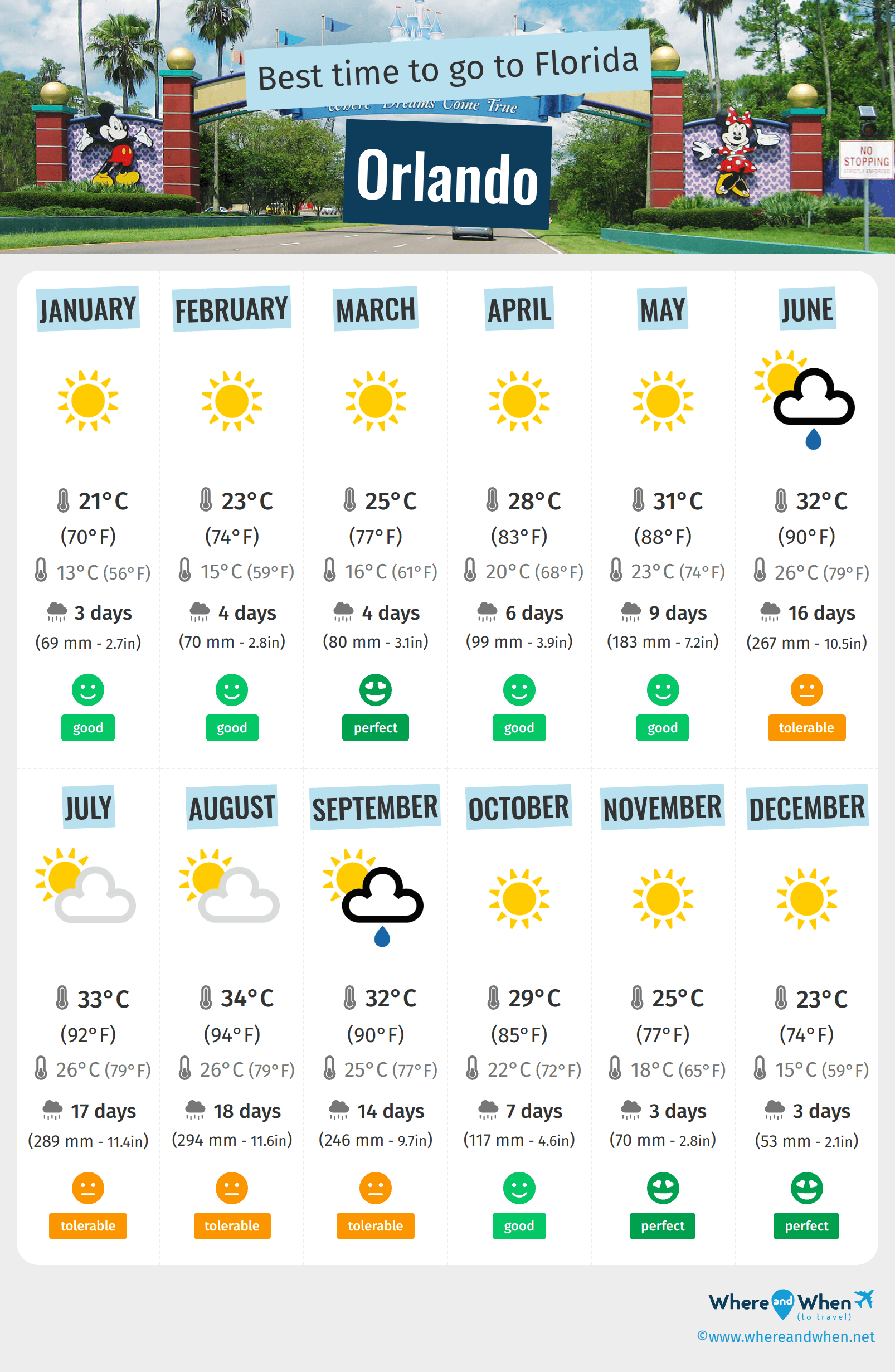
- Average Highs: 70-74°F (21-23°C)
- Average Lows: 50-55°F (10-13°C)
- Characteristics: Expect plenty of sunshine and comfortable daytime temperatures perfect for exploring outdoor attractions without the intense heat. Nights can be cool, sometimes dipping into the 40s°F (4-9°C), especially in late December and January. Rainfall is generally lower, making for reliably dry conditions. This is considered peak season due to the desirable weather, particularly around holidays.
Spring’s Pleasant Embrace (March – May)
Spring is arguably one of the most delightful times to visit Orlando. The weather is consistently warm but rarely oppressively hot, and humidity levels are still manageable.
- Average Highs: 78-86°F (26-30°C)
- Average Lows: 58-66°F (14-19°C)
- Characteristics: As spring progresses, temperatures steadily climb. Early spring sees comfortable warmth, while late spring begins to hint at summer’s heat. Rainfall remains relatively low compared to summer, but occasional spring showers can occur. This period offers an excellent balance for enjoying theme parks and other outdoor activities.
Summer’s Sizzling Peak (June – August)
Summer in Orlando is defined by heat, humidity, and frequent afternoon thunderstorms. While challenging for some, this season also coincides with school holidays, making it a popular time for families.
- Average Highs: 90-92°F (32-33°C)
- Average Lows: 73-76°F (23-24°C)
- Characteristics: Daytime temperatures consistently hover in the low 90s°F (30s°C), often feeling hotter due to the high humidity. Afternoon thunderstorms are a daily occurrence, typically brief but intense, offering a temporary cooling effect. These storms usually clear out by evening, leaving pleasant, albeit still warm, nights. Sun protection and hydration are absolutely essential.
Autumn’s Gentle Transition (September – November)
Autumn offers a gradual return to more comfortable conditions after the intensity of summer. Early autumn still feels very much like summer, but by November, the weather becomes quite pleasant.
- Average Highs: 80-88°F (27-31°C)
- Average Lows: 60-70°F (16-21°C)
- Characteristics: September and early October maintain significant heat and humidity, with the lingering threat of tropical activity. However, as November approaches, a noticeable drop in both temperature and humidity makes for ideal conditions. Rainfall decreases, and the threat of hurricanes diminishes, especially by late October. This period can be an excellent alternative to spring for those seeking good weather with potentially fewer crowds outside of holiday weeks.
Preparing for Orlando’s Weather: What to Pack and Expect
Armed with knowledge about Orlando’s temperatures, travelers can pack wisely and prepare for a seamless experience. The key is adaptability and foresight.
Essential Packing Tips for Each Season

- Winter: Layers are your best friend. Pack light trousers, shorts for warmer days, t-shirts, and several long-sleeved shirts or light sweaters. A medium-weight jacket or hoodie is crucial for evenings and cooler days. Don’t forget swimwear for heated pools.
- Spring: Focus on light, breathable clothing like shorts, skirts, sundresses, and t-shirts. A light jacket or cardigan might be needed for cooler evenings or air-conditioned indoor spaces. Swimwear is a must.
- Summer: Prioritize lightweight, moisture-wicking fabrics. Shorts, t-shirts, tank tops, and swimwear will be your daily uniform. A light rain jacket or poncho is invaluable for sudden downpours.
- Autumn: Similar to spring, aim for breathable clothing. Early autumn requires summer attire, while by November, you’ll want to add a light sweater or jacket for evenings.
Regardless of the season, comfortable walking shoes are non-negotiable given the extensive walking involved in theme parks and other attractions. A wide-brimmed hat, sunglasses, and reef-safe sunscreen are also year-round essentials.
Staying Hydrated and Sun-Safe
Due to Orlando’s often warm temperatures and high humidity, staying hydrated is critical. Drink plenty of water throughout the day, even if you don’t feel thirsty. Many attractions offer water bottle refilling stations. Sunscreen should be applied generously and frequently, even on cloudy days, as UV rays can be intense. Seek shade whenever possible, especially during the peak sun hours of 10 AM to 4 PM.
Dealing with Afternoon Showers
From June through September, afternoon thunderstorms are a near-daily occurrence. Instead of letting them disrupt your day, integrate them into your planning.
- Pack a poncho: They’re lightweight and easy to carry.
- Plan indoor activities: Use the storm duration to visit indoor shows, shops, or have a meal.
- Embrace the cool down: The rain often brings a welcome drop in temperature and clears the air. Rides usually reopen quickly after lightning passes.
Activities and Attractions: Temperature’s Impact on Your Itinerary
Orlando’s diverse array of activities means there’s something to do regardless of the weather, but temperature certainly influences how and when you enjoy them.
Theme Park Strategies
- Hot Months (Summer/Early Autumn): Start your day early to hit popular rides before the peak heat and crowds. Utilize single rider lines or Genie+ at Walt Disney World Resort or Express Pass at Universal Orlando Resort to minimize wait times in the sun. Schedule indoor shows, air-conditioned dining, or water rides for the hottest part of the afternoon. Don’t forget to take breaks back at your hotel pool.
- Mild Months (Winter/Spring/Late Autumn): These seasons offer the most comfortable conditions for long days at the parks. You can enjoy outdoor queues and strolls with ease. However, popular holidays will still see heavy crowds, so strategic planning is always beneficial.
Water Parks and Outdoor Fun
Orlando is home to world-class water parks like Disney’s Typhoon Lagoon, Disney’s Blizzard Beach, and Universal’s Volcano Bay. These are absolute saviors during the hot summer months, providing a refreshing escape from the heat. Even in winter, many water parks heat their pools, making them enjoyable if the air temperature is warm enough (typically above 70°F or 21°C). Other outdoor activities, such as airboat tours in the Everglades (a short drive away), golfing, or exploring Lake Eola Park downtown, are most comfortable during the milder seasons.
Indoor Attractions and Evening Entertainment
When temperatures soar or rain descends, Orlando still offers a wealth of indoor options. Explore the wonders of SeaWorld Orlando’s aquariums and indoor shows, delve into the shops and dining along International Drive, or catch a movie. Evenings bring a slight reprieve from the heat, making them perfect for outdoor dining, fireworks spectaculars at the theme parks, or exploring the vibrant nightlife of Disney Springs or Universal CityWalk.
Beyond Averages: Microclimates and Real-time Information
While average temperatures provide an excellent framework, it’s important to remember that they are just that – averages. Actual daily temperatures can fluctuate, and localized conditions can vary.
Local Variations and Forecast Accuracy
Orlando, like any large area, can experience slight microclimates. A sudden downpour might hit one part of the city while another remains sunny. Modern weather forecasting is highly accurate, but the inherent unpredictability of convective thunderstorms means that exact timing and location are difficult to pinpoint days in advance. Always check the local forecast, specifically for Orlando, a day or two before your departure and continuously throughout your trip.
Leveraging Technology for Up-to-the-Minute Updates
In the age of smartphones, real-time weather information is readily available. Utilize reputable weather apps and websites that provide hourly forecasts, radar maps, and heat index warnings. These tools can be invaluable for making on-the-spot decisions, such as when to duck indoors, when to head for a water ride, or if you need to grab that extra bottle of water. Many theme parks also have their own apps that provide real-time updates on ride closures due to weather, further aiding in planning.
In conclusion, understanding “What Is The Temperature Orlando Florida?” is much more than knowing a single number. It’s about grasping the nuances of a humid subtropical climate, preparing for seasonal shifts, and adapting your travel plans to make the most of this incredible destination. By doing so, you ensure your Orlando adventure is comfortable, enjoyable, and truly unforgettable.
LifeOutOfTheBox is a participant in the Amazon Services LLC Associates Program, an affiliate advertising program designed to provide a means for sites to earn advertising fees by advertising and linking to Amazon.com. Amazon, the Amazon logo, AmazonSupply, and the AmazonSupply logo are trademarks of Amazon.com, Inc. or its affiliates. As an Amazon Associate we earn affiliate commissions from qualifying purchases.