
Chicago, a jewel of the Midwest and a cornerstone of Illinois, is globally recognized by many monikers. Among them, “The Windy City” stands out, instantly conjuring images of gusts sweeping through its canyons of skyscrapers. Yet, the true origin of this enduring nickname is often misunderstood, leading to a fascinating blend of meteorological realities, political bluster, and architectural innovation. For those planning travel to this vibrant metropolis, understanding this unique aspect of its identity adds a richer layer to the experience of exploring one of the United States’ most dynamic destinations.
Far from being a mere meteorological description, the story behind “The Windy City” is deeply intertwined with Chicago’s ambitious history, its spirited residents, and a touch of inter-city rivalry. This article delves into the various theories, separating fact from popular myth, and explores how this iconic label continues to shape the city’s identity, influence its architecture, and inform the travel experience for millions of tourism enthusiasts each year. From luxurious hotels offering breathtaking city views to bustling attractions and world-class food, Chicago’s wind is an invisible, yet ever-present, character in its compelling narrative.
Unraveling the Mystery: More Than Just the Weather
The most common assumption regarding Chicago’s nickname attributes it solely to the city’s weather. While Chicago certainly experiences its share of blustery days, particularly due to its proximity to Lake Michigan, this meteorological explanation is only part of the story, and arguably, not even the primary origin. Delving deeper reveals a more intriguing tale rooted in late 19th-century journalism and urban competitiveness.
The Myth of Meteorological Origins
It’s true that Chicago can be quite breezy. Situated on the southwestern shore of vast Lake Michigan, the city is exposed to strong winds that sweep across the lake’s expansive surface. This “lake effect” can amplify the wind speeds experienced in the urban environment, especially during certain seasons. Visitors and locals alike often bundle up, even on moderately cool days, understanding that the wind chill can make temperatures feel significantly colder. This consistent airflow might make Chicago feel windier than many other major United States cities, yet meteorological data suggests it isn’t statistically the “windiest” city in the country. Other cities, such as Boston or Dodge City, Kansas, often record higher average wind speeds. So, while the weather contributes to the perception and experience of the wind, it is generally accepted by historians that this isn’t the direct source of the famous nickname. However, for those planning travel, especially during the colder months, packing appropriate layers and a windproof jacket is always a wise tip, ensuring a comfortable lifestyle as you explore the city’s outdoor attractions. Many modern hotels in Chicago are designed with double-paned windows and robust insulation to shield guests from the elements, ensuring a peaceful retreat after a day of sightseeing.
A Tale of Rivalry and Reputation
The most widely accepted theory attributes the nickname to a rivalry between Chicago and New York City during the late 19th century, specifically concerning the bid to host the World’s Columbian Exposition of 1893. According to popular lore, a journalist named Charles Dana, then editor of the New York Sun newspaper, published an editorial in 1890 using the phrase “The Windy City.” His commentary was not about the weather, but rather a jab at Chicago’s boisterous, self-promoting politicians and citizens, whom he described as full of “wind” or “bluster,” as they campaigned aggressively to secure the coveted world’s fair.
Chicago, having recently recovered from the devastating Great Chicago Fire of 1871, was in a period of rapid growth and reconstruction. Its spirit was one of ambition and confidence, perhaps perceived as arrogance by its eastern rivals. The city saw itself as a rising power, eager to showcase its resilience and innovation on a global stage. This perceived “windiness” of its leaders’ speeches and their relentless promotion efforts ultimately gave rise to the catchy, if initially disparaging, epithet. Despite the initial negative connotation, Chicago won the bid, hosted a spectacular fair, and remarkably, embraced the nickname. It became a badge of honor, symbolizing the city’s unstoppable drive and its ability to overcome challenges. This historical context provides an essential guide for understanding the spirited culture and resilient character of the city, which continues to draw tourism and define the lifestyle of its residents. It’s a testament to Chicago’s enduring spirit, making it an ever-popular travel destination.
Architectural Marvels and the Urban Wind Tunnel Effect
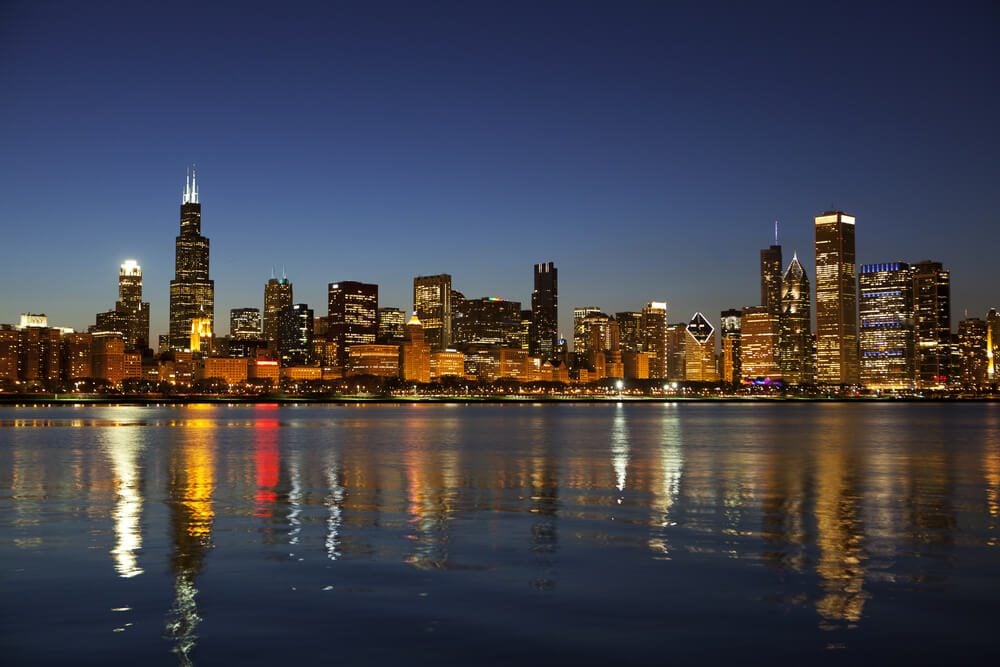
While the nickname’s origin may be journalistic, the physical architecture of Chicago undoubtedly plays a role in how its residents and visitors experience the wind. The city’s iconic skyline, a testament to its innovation in skyscraper design, creates a unique urban environment that can amplify natural wind patterns, giving a tangible reality to its famous moniker. This interplay between design and nature is a key part of the Chicago experience and a significant draw for tourism focused on urban landmarks.
Skyscrapers and the Urban Landscape
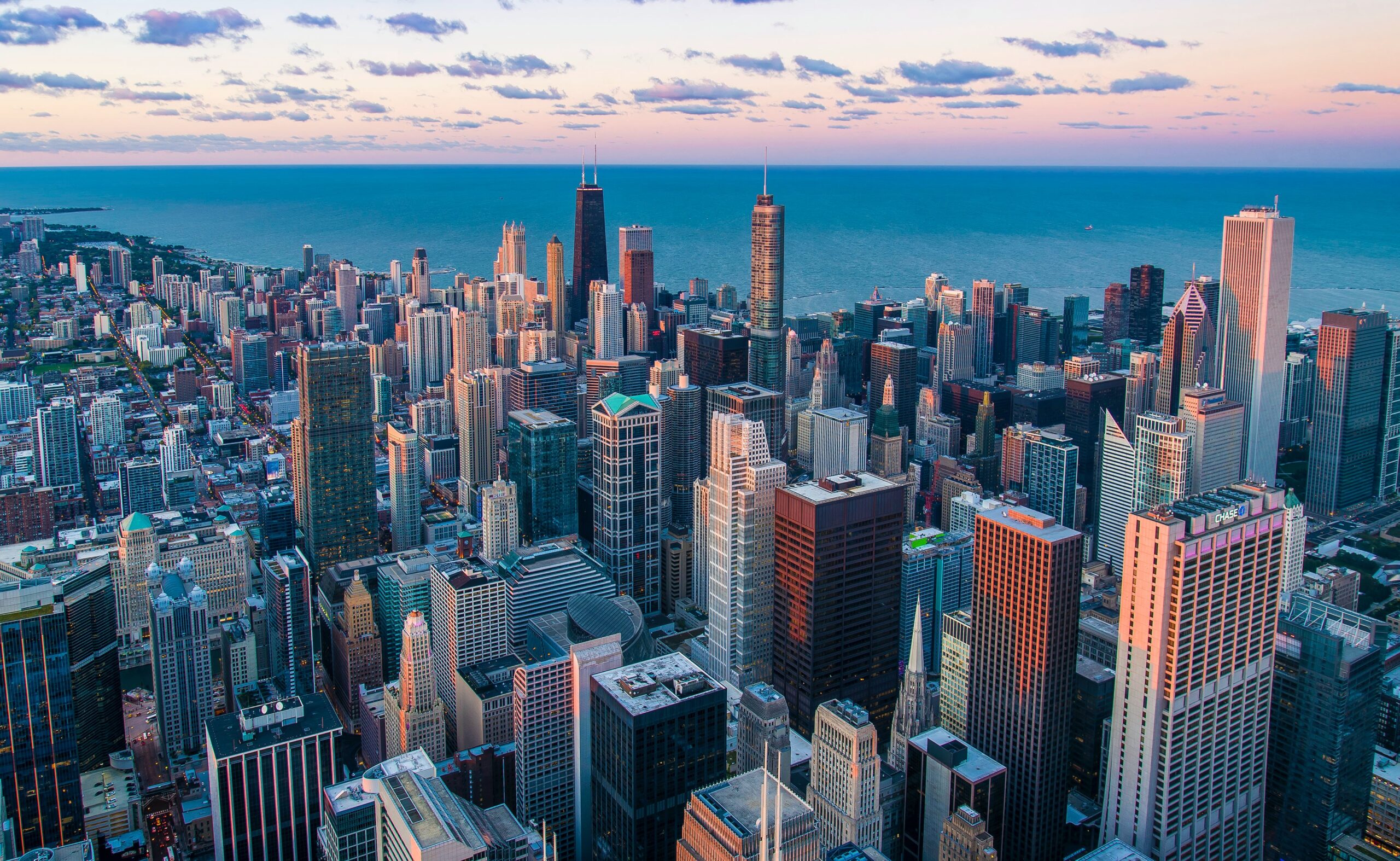
Chicago is renowned as the birthplace of the skyscraper, and its skyline features some of the world’s most impressive examples of vertical architecture. Towering structures like the Willis Tower (formerly Sears Tower), once the tallest building in the world, and 875 North Michigan Avenue (formerly the John Hancock Center), pierce the clouds, reshaping the city’s environment. These colossal buildings, while engineering marvels, also interact with air currents in complex ways. When wind approaches a tall building, it splits and accelerates around the structure. At street level, this often results in a phenomenon known as the “urban wind tunnel effect” or “canyon effect,” where wind is funneled through the narrow gaps between buildings, increasing its speed and intensity.
This effect is particularly noticeable in the city’s dense financial district, the Loop, and along thoroughfares like the Magnificent Mile. Pedestrians walking near the base of these colossal landmarks can often feel a distinct rush of air, even on a relatively calm day. For travelers exploring Chicago’s architecture on foot, this tangible interaction with the wind becomes part of the city’s unique charm, a constant reminder of the dynamic forces that shape its urban landscape. This unique aspect contributes to Chicago’s draw as a destination for those interested in urban development and innovative design, making it a prime spot for tourism and experiences.
Engineering Resilience in a Gusty Metropolis
The prevalence of wind, both natural and architecturally amplified, has fundamentally influenced Chicago’s engineering and design philosophy. Architects and engineers in Chicago have become pioneers in designing structures that can withstand and even gracefully coexist with strong winds. Their innovations have set global standards for high-rise construction, influencing architecture in other urban centers worldwide. Buildings are engineered with deep foundations, robust structural frames, and advanced damping systems to minimize sway and ensure stability. For instance, the bundled tube design of the Willis Tower allows it to withstand significant lateral forces, while the exposed X-bracing of 875 North Michigan Avenue provides both structural integrity and a distinctive aesthetic.
This dedication to resilient design is not just about safety; it’s also about creating comfortable interior experiences for residents, office workers, and guests in hotels and apartments. The careful planning of public spaces, including plazas and pedestrian walkways, often incorporates wind studies to mitigate unpleasant gusts, ensuring that areas like Millennium Park and Grant Park remain enjoyable for leisure. This engineering prowess is a testament to Chicago’s proactive approach to its environment, transforming a potential challenge into an opportunity for innovation. For those interested in the nexus of architecture, history, and practical design, Chicago offers an unparalleled travel experience, highlighting its role as a global leader in urban development. Many luxury travel guides emphasize Chicago’s architectural tours as a must-do, illustrating the city’s commitment to both form and function.

Experiencing the Windy City: Tourism, Lifestyle, and Practicalities
For any visitor, the wind is an inherent part of the Chicago experience. Rather than a hindrance, it’s integrated into the city’s dynamic character, influencing everything from how you dress to where you might seek shelter for a deep-dish pizza. Embracing “The Windy City” moniker means appreciating the unique rhythm it lends to daily life and tourism.
Navigating the Elements as a Tourist
When planning your travel to Chicago, a little preparation for the wind goes a long way. Dressing in layers is always a smart strategy, regardless of the season. A good quality windbreaker or a warm coat, a scarf, and a hat can make a significant difference, especially when exploring outdoor attractions or crossing open spaces like Millennium Park. For instance, snapping a photo with Cloud Gate, affectionately known as “The Bean,” on a blustery day might require a firm grip on your camera and extra warmth.
The wind also offers practical benefits. On hot summer days, a breeze off Lake Michigan can provide welcome relief. For winter visitors, the wind is a reminder of the city’s robust character, often inspiring a cozy visit to one of Chicago’s many acclaimed museums or a warm café. Checking local weather forecasts for wind speeds, not just temperature, is a useful tip for optimizing your daily itinerary. Embrace the elements as part of the authentic Chicago lifestyle – it’s a city that stands strong and thrives despite (or perhaps because of) its distinctive winds.
Attractions and Activities in Any Weather
Chicago’s array of attractions ensures that visitors can enjoy their time, whether the wind is a gentle whisper or a spirited gust. For those seeking indoor comfort, the city boasts world-class institutions like the Art Institute of Chicago, home to an unparalleled collection of Impressionist and Post-Impressionist art; the Field Museum, offering captivating natural history exhibits; and the Museum of Science and Industry, which inspires with its interactive displays. These famous places provide hours of enriching exploration, perfect for any weather conditions.
When the weather permits, or with proper attire, outdoor activities are equally captivating. An architectural boat tour along the Chicago River, such as the highly recommended Chicago Architecture Center River Cruise, offers stunning perspectives of the city’s landmarks. Millennium Park and Grant Park are ideal for strolls, offering iconic sights like Cloud Gate and access to the vibrant Museum Campus. Navy Pier provides entertainment and incredible views of the skyline and Lake Michigan. No travel guide to Chicago is complete without mentioning its legendary food scene; retreating into a cozy establishment for a quintessential deep-dish pizza from Lou Malnati’s or Giordano’s is a perfect way to escape a brisk breeze and enjoy the local culture. Whether you’re on a family trip, a business stay, or a luxury travel experience, Chicago delivers memorable moments across its diverse range of attractions.
Accommodation and Comfort in Chicago
Selecting the right accommodation is crucial for a comfortable travel experience in Chicago, especially when considering the city’s occasionally blustery conditions. Chicago offers an impressive spectrum of hotels, resorts, apartments, and suites to suit every lifestyle and budget, from opulent luxury travel options to more budget travel friendly choices. Many of the city’s top hotels are designed to provide a warm and inviting sanctuary from the outside elements. For example, the Peninsula Chicago and the Four Seasons Hotel Chicago on the Magnificent Mile offer exquisite amenities, including indoor pools, spas, and gourmet dining, perfect for unwinding after a day of exploring. Their robust construction ensures quiet and warmth, even on the windiest days.
For those considering a long-term stay or who prefer more space, fully furnished apartments and serviced suites provide a home-away-from-home experience, often equipped with kitchens and laundry facilities. When making a booking, it’s always advisable to check reviews and consider the location relative to your planned activities and preferred transport, minimizing time spent exposed to the elements. Whether you opt for a high-rise hotel with panoramic views or a cozy boutique hotel in a historic neighborhood, Chicago’s hospitality industry prioritizes guest comfort. Many offer convenient access to indoor pedestrian walkways or public transit, providing seamless travel options throughout the city. The diverse range of accommodation options ensures that every visitor can find the perfect place to relax and recharge, ready to take on another day in this remarkable destination.
Beyond the Breeze: The Enduring Charm of Chicago
The story of “The Windy City” is a vivid illustration of Chicago’s multifaceted identity. What began as a journalistic slight evolved into an enduring symbol, embodying the city’s robust spirit, its groundbreaking architecture, and its capacity for self-reinvention. While the city certainly experiences its share of gusts from Lake Michigan and those amplified by its impressive skyline, the true essence of the nickname lies in the powerful, “windy” aspirations of its people who built a world-class metropolis from the prairie.
For any prospective visitor, the “wind” of Chicago should be viewed not as a deterrent, but as an integral part of its character, much like its deep-dish pizza or its world-renowned blues clubs. It’s a city of powerful ideas, immense cultural depth, and a dynamic lifestyle that continues to captivate travelers from across the globe. From exploring iconic landmarks like Millennium Park and the Art Institute of Chicago to indulging in its vibrant food scene and staying in its diverse range of accommodation, Chicago offers an unforgettable travel experience. So, next time you feel a brisk breeze sweeping through its streets, remember that it’s not just the weather; it’s the echoes of a rich history, the spirit of innovation, and the undeniable charm of a truly “windy” city in every sense of the word. Chicago invites you to discover its unique appeal, promising a journey filled with awe-inspiring sights, delightful experiences, and perhaps, a reminder to hold onto your hat.
LifeOutOfTheBox is a participant in the Amazon Services LLC Associates Program, an affiliate advertising program designed to provide a means for sites to earn advertising fees by advertising and linking to Amazon.com. Amazon, the Amazon logo, AmazonSupply, and the AmazonSupply logo are trademarks of Amazon.com, Inc. or its affiliates. As an Amazon Associate we earn affiliate commissions from qualifying purchases.