
Florida, affectionately known as the Sunshine State, is a premier travel destination, attracting millions of visitors annually with its pristine beaches, world-class theme parks, and vibrant cultural scenes. However, understanding its weather patterns is paramount for any traveler planning a memorable trip. Unlike many other states, Florida’s climate is largely subtropical to tropical, characterized by significant seasonal variations that directly impact travel experiences, packing decisions, and activity planning. Knowing “what is the weather in Florida right now” is more than just a passing curiosity; it’s a critical piece of information for optimizing your visit, whether you’re seeking sun-drenched relaxation or thrilling adventures.
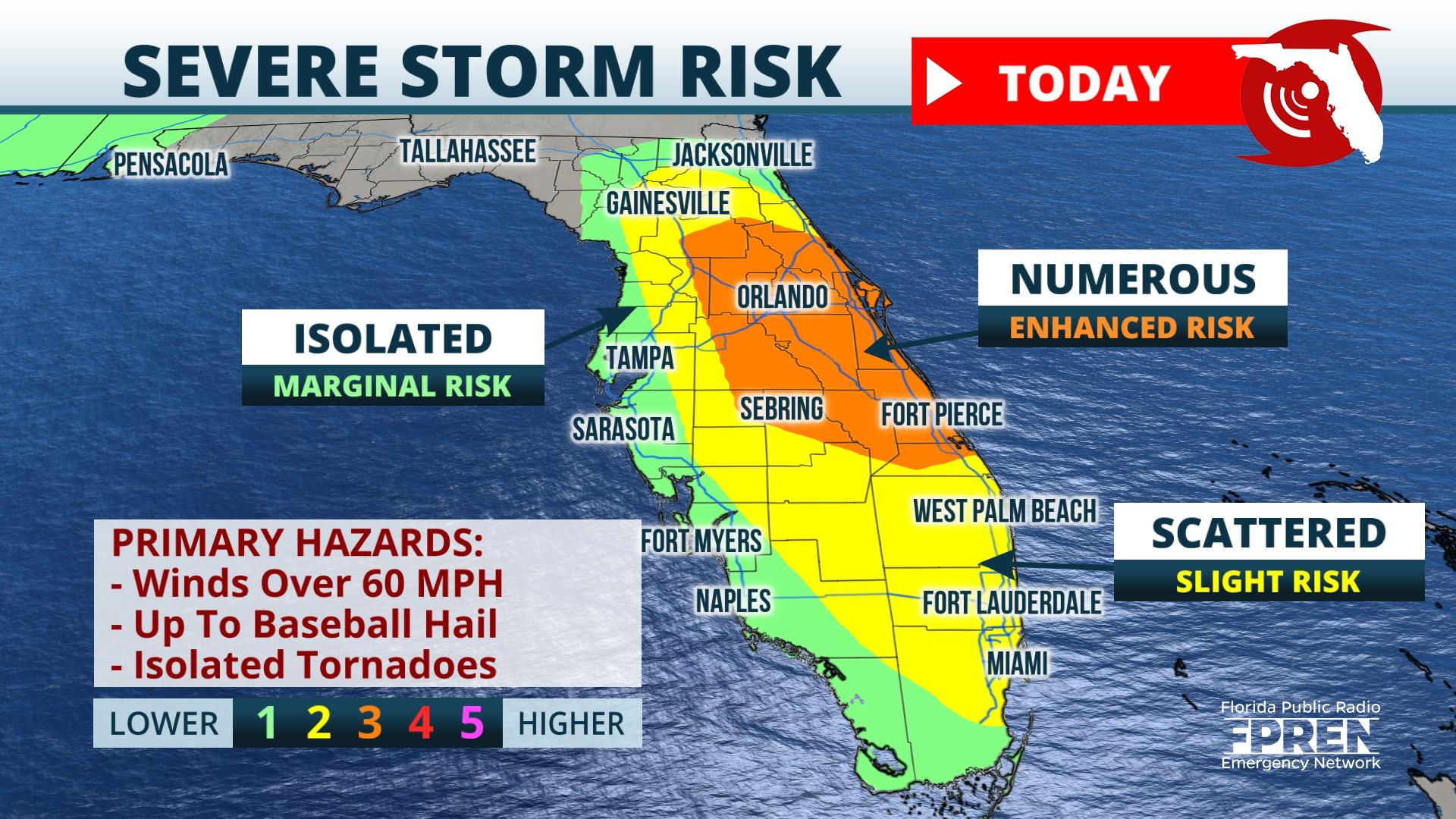
Florida’s unique geographic position, surrounded by the Atlantic Ocean and the Gulf of Mexico, plays a crucial role in shaping its climate. This maritime influence results in generally warm temperatures throughout much of the year, coupled with distinct wet and dry seasons. From the cooler, drier winters perfect for outdoor exploration to the hot, humid, and often rainy summers ideal for water activities, each season presents a different facet of the state. For the astute traveler, aligning your visit with Florida’s meteorological calendar can transform a good trip into an exceptional one, ensuring you pack appropriately, book the right activities, and make the most of your time in this diverse and dynamic destination.
Florida’s Climate Kaleidoscope: A Year-Round Overview for Travelers
Florida’s weather can be broadly categorized into two main seasons: the warm and wet season, and the cool and dry season. However, within these broad strokes lie nuances that every traveler should understand to fully appreciate the state’s offerings.
The Sunny Season: Spring and Early Summer (March-June)
This period is often considered the sweet spot for many travelers. Spring, particularly from March to May, offers some of the most pleasant weather conditions across the state. Temperatures are mild and comfortable, typically ranging from the low 70s to low 80s Fahrenheit (21-28°C), with lower humidity and abundant sunshine. This makes it an ideal time for exploring attractions like Walt Disney World Resort in Orlando, lounging on the beaches of Clearwater, or enjoying the historic charm of St. Augustine. The risk of rain is relatively low, and the evenings are pleasantly cool.
As late spring transitions into early summer (June), temperatures begin to climb, and humidity starts to increase. While still largely sunny, afternoon thunderstorms become more frequent, especially in Central and South Florida. These storms are usually brief but intense, often bringing a refreshing cool-down. For travelers, this means planning outdoor activities for the mornings and early afternoons, reserving late afternoons for indoor attractions or relaxing by the pool. The ocean water temperatures also become delightfully warm, making it perfect for swimming, snorkeling, and other water sports along the Florida Keys.
The Wet & Warm Season: Summer and Early Fall (July-October)
The peak summer months, from July through September, define Florida’s warm and wet season. This period is characterized by high temperatures, often reaching the high 80s to low 90s Fahrenheit (31-34°C), coupled with significant humidity. Daily afternoon thunderstorms are a staple of this season, typically rolling in with dramatic flair and lasting for an hour or two before giving way to more sunshine. While these rains can interrupt outdoor plans, they also contribute to Florida’s lush, green landscapes and are an integral part of its tropical ecosystem.
This season also coincides with hurricane season, which officially runs from June 1st to November 30th, with the peak months typically being August and September. While direct hurricane strikes are relatively rare, the possibility exists, and travelers planning trips during this time should monitor forecasts closely and consider travel insurance. Despite the heat and humidity, this period remains popular, especially for families enjoying summer breaks. Theme parks adapt with cooling mist stations and indoor queues, and water parks like Aquatica Orlando become prime attractions. Beachgoers can still enjoy the warm waters, keeping an eye on the sky for developing storms.
The Cooler Comfort: Late Fall and Winter (November-February)
For those seeking a respite from colder northern climates, Florida’s late fall and winter months offer a delightful escape. This is Florida’s cool and dry season, characterized by lower humidity, abundant sunshine, and pleasantly mild temperatures. Daytime highs typically range from the 60s to 70s Fahrenheit (15-24°C), though occasional cold fronts can bring temperatures down into the 40s or 50s (4-15°C) for a few days, particularly in North and Central Florida.
This period is immensely popular for outdoor activities. Golf courses in destinations like Ponte Vedra Beach are at their prime, national parks such as Everglades National Park offer excellent wildlife viewing opportunities without the oppressive heat, and outdoor festivals abound. Snowbirds flock to coastal towns like Naples and Sarasota, and the vibrant arts scenes in cities like Miami are bustling. While swimming in the ocean might be a bit chilly for some during the coldest days, heated pools at resorts like the Ritz-Carlton, Amelia Island ensure water activities remain an option. This season is also marked by fewer crowds at certain attractions compared to summer, though holiday periods can see significant increases.
Regional Weather Nuances Across the Sunshine State
While Florida generally experiences a warm climate, its elongated shape and coastal influences create noticeable regional variations in weather patterns. Understanding these differences can further refine your travel plans and expectations.
North Florida’s Distinct Seasons
Regions like Jacksonville, Tallahassee, and the Florida Panhandle experience a more pronounced four-season cycle compared to the southern parts of the state. Winters here can be genuinely chilly, with occasional freezes and average lows sometimes dipping into the 30s Fahrenheit (0-4°C). Summers are hot and humid, similar to Central Florida, but spring and fall offer wonderfully temperate weather, making them ideal for exploring historic sites or the natural beauty of places like Pensacola Beach. Travelers heading to North Florida in winter should pack layers, including warmer jackets, while summer still demands light clothing and rain gear.
Central Florida’s Inland Climate: The Theme Park Hub
Central Florida, home to Orlando and its world-famous theme parks, has a climate heavily influenced by its inland location. Summers are hot and extremely humid, with daily afternoon thunderstorms being a near certainty. These often develop rapidly and can bring heavy rain and lightning. Visitors to Universal Orlando Resort or SeaWorld Orlando should be prepared for these intermittent downpours with ponchos or umbrellas and plan indoor activities for the late afternoons. Winters are mild and pleasant, offering relief from the summer heat and making it a prime time for park visits. However, even in winter, evenings can be cool, necessitating a light jacket.

South Florida’s Tropical Warmth
From Fort Lauderdale down to Key West, South Florida enjoys a true tropical climate. Winters are considerably warmer here, with very rare cold snaps. Daytime temperatures rarely fall below the low 70s Fahrenheit (21°C), making it a year-round haven for beach lovers. The wet season here is prolonged, starting earlier and potentially ending later than in other parts of the state, bringing consistently high humidity and frequent, though often brief, showers. The Florida Keys boast the most consistently warm temperatures in the state, with ocean breezes helping to mitigate some of the summer heat. This region is perfect for travelers prioritizing warmth, sun, and water activities, even in the “cooler” months.
The Gulf Coast vs. Atlantic Coast
While both coasts share Florida’s general climatic patterns, subtle differences exist. The Gulf Coast, including cities like Tampa, St. Petersburg, and Fort Myers, often experiences slightly warmer Gulf waters and can sometimes be more prone to afternoon thunderstorms forming over the land and moving westward. The Atlantic Coast, from Daytona Beach to Palm Beach, benefits from stronger Atlantic sea breezes, which can offer a refreshing break from summer heat and sometimes push rain systems further inland. These subtle differences rarely dictate major travel decisions but can contribute to the overall experience.
Navigating Florida’s Weather: Essential Travel Tips
Being prepared for Florida’s dynamic weather is key to a stress-free and enjoyable trip. Smart packing, understanding hurricane season, and knowing the best times to visit for specific activities will help you make the most of your time in the Sunshine State.
Packing Essentials for Every Season
Regardless of when you visit, certain items are non-negotiable. Sunscreen with high SPF, a wide-brimmed hat, and sunglasses are essential year-round due to Florida’s intense UV index.
During the warm and wet season (summer and early fall):
- Light, breathable clothing: Think cotton, linen, and moisture-wicking fabrics.
- Rain gear: A lightweight poncho or compact umbrella is a must for daily afternoon showers.
- Swimsuits: Multiple options are advisable, as you’ll likely be in and out of the water frequently.
- Waterproof bags/pouches: For protecting electronics from rain and spray.
During the cooler and drier season (late fall and winter): - Layers: While days are mild, evenings can get cool, especially in North and Central Florida. Pack light jackets, sweaters, or fleeces.
- Comfortable walking shoes: Ideal for exploring attractions without heavy heat or humidity.
- Swimsuits: Still relevant for heated pools and warmer days, especially in South Florida.
Always include comfortable walking shoes, as you’ll likely be doing a lot of exploring. Insect repellent is also highly recommended, especially if you plan to visit natural areas like the Big Cypress National Preserve, particularly during warmer, wetter months.
Understanding Hurricane Season (June 1 – November 30)
Hurricane season is a significant consideration for travelers visiting Florida between June and November. While the vast majority of visits during this period are unaffected by hurricanes, awareness and preparation are crucial.
- Monitor forecasts: Stay updated with information from the National Hurricane Center and local news.
- Travel insurance: Consider purchasing travel insurance that covers hurricane-related disruptions, including cancellations, delays, and mandatory evacuations. Review policies carefully to understand their coverage.
- Flexibility: Be prepared to adjust your itinerary or even reschedule if a storm threatens your destination. Many hotels and airlines offer flexible booking policies during hurricane season.
- Follow local advisories: If a storm is approaching, always heed warnings and instructions from local authorities.
Remember, even when hurricanes are not directly impacting Florida, the increased rainfall and humidity are characteristic of this season, so be prepared for daily showers.
Best Time to Visit Based on Weather Preferences
- For optimal weather (mild temperatures, low humidity, less rain): March-May and November-early December are generally considered the best times. This period is ideal for theme park visits, beach relaxation, golfing, and exploring outdoor attractions.
- For budget-conscious travelers or water sports enthusiasts (hot temperatures, high humidity, frequent rain): June-August offers lower prices on flights and accommodations (outside of holiday weekends) and perfectly warm ocean waters. Be prepared for heat, humidity, and afternoon storms.
- For escaping harsh winters (cool, dry, sunny): December-February is prime time, especially for South Florida. Expect increased crowds and higher prices for accommodations, particularly around popular destinations like South Beach in Miami and the Florida Keys.
- For wildlife viewing (cooler, drier): Late fall through early spring (November-April) is excellent for spotting manatees and other wildlife, particularly in places like Blue Spring State Park.
Real-Time Weather Resources for Your Florida Trip
Staying informed about Florida’s weather is easier than ever, thanks to a plethora of digital tools. Integrating these resources into your travel planning and daily itinerary can significantly enhance your experience.
Utilizing Forecasts and Apps
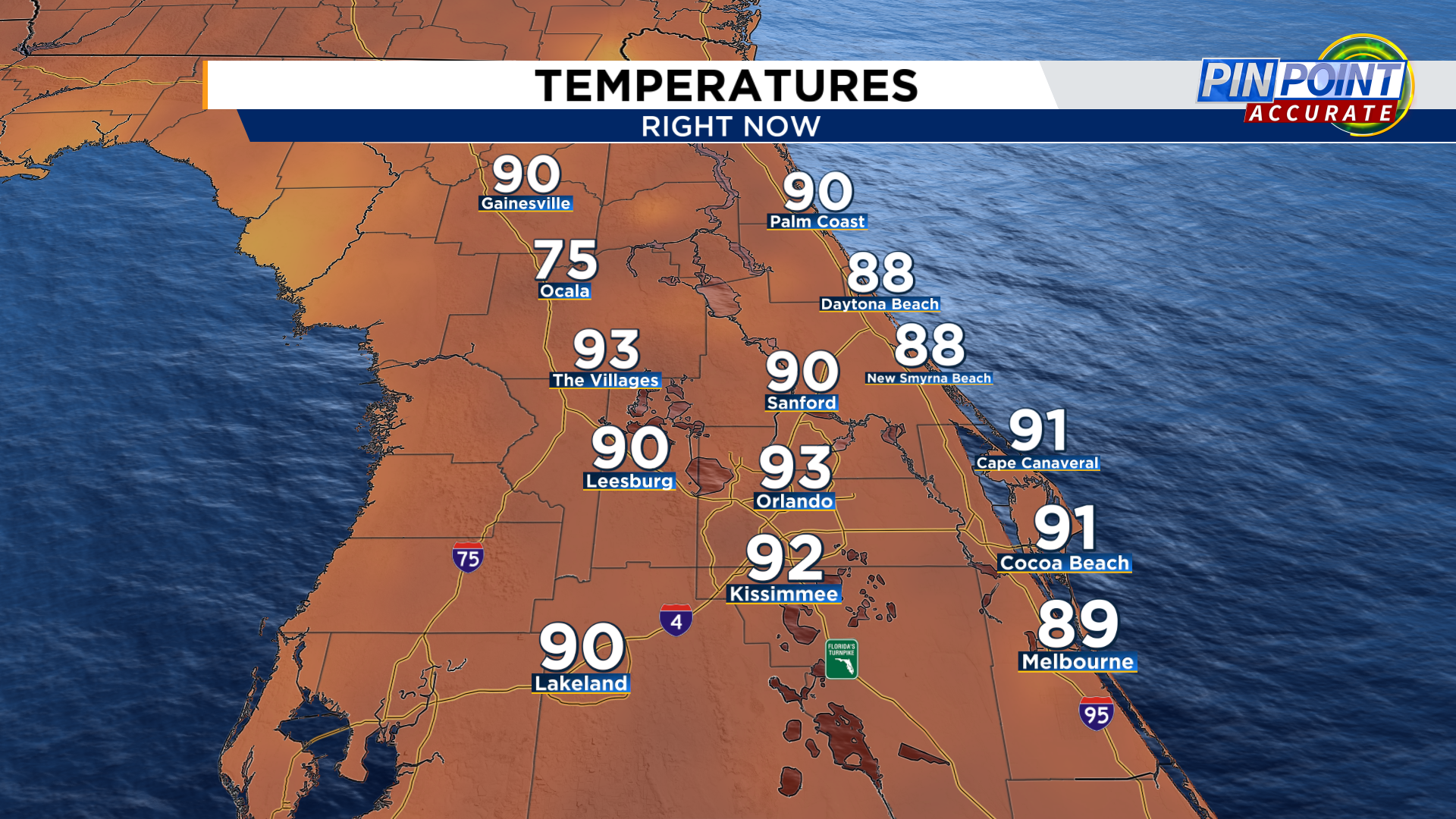
Before and during your trip, make it a habit to check reliable weather forecasts. Reputable sources like the National Weather Service provide detailed, up-to-date information, including temperature, humidity, wind, and precipitation chances. Several excellent weather apps are available for smartphones, offering real-time radar, hourly forecasts, and severe weather alerts. Look for apps that provide hyper-local forecasts, as weather can vary significantly even within a short distance in Florida, especially during the summer thunderstorm season. These apps can be invaluable for deciding whether to head to the beach, visit an indoor museum, or plan for an afternoon break.
Adapting Your Itinerary: Flexibility is Key
Florida’s weather, particularly in the summer, can be unpredictable. A clear, sunny morning can quickly give way to a torrential downpour by afternoon. Therefore, maintaining flexibility in your itinerary is crucial.
- Plan “rainy day” alternatives: Have a list of indoor attractions, museums, shopping centers, or dining experiences ready for unexpected downpours. Cities like Tampa and Miami offer a wealth of cultural institutions and entertainment options.
- Embrace the showers: Often, summer thunderstorms are short-lived. A quick break for lunch or coffee might be all you need before the sun reappears.
- Morning advantage: Schedule outdoor activities, such as theme park rides, beach time, or nature walks, for the mornings when the weather is typically clearest and coolest.
- Reschedule if necessary: For activities heavily dependent on good weather, such as deep-sea fishing or certain boat tours, be prepared to reschedule if conditions become unfavorable. Many operators are understanding and will work with you.
By being informed, prepared, and flexible, you can ensure that Florida’s diverse weather patterns enhance, rather than hinder, your travel adventures. Whether you’re chasing the sun or navigating a brief shower, the Sunshine State offers an unforgettable experience year-round.
LifeOutOfTheBox is a participant in the Amazon Services LLC Associates Program, an affiliate advertising program designed to provide a means for sites to earn advertising fees by advertising and linking to Amazon.com. Amazon, the Amazon logo, AmazonSupply, and the AmazonSupply logo are trademarks of Amazon.com, Inc. or its affiliates. As an Amazon Associate we earn affiliate commissions from qualifying purchases.