
For any traveler planning a visit to a new destination, understanding the local climate is paramount. It dictates everything from packing choices to activity planning, ultimately shaping the entire experience. Gainesville, Florida, a vibrant city in North Central Florida, offers a distinctive humid subtropical climate that presents both delightful opportunities and specific considerations for visitors. As home to the renowned University of Florida, Gainesville bustles with academic energy, natural beauty, and cultural events, all of which are inextricably linked to its year-round weather patterns. This comprehensive guide aims to equip prospective travelers with an insightful overview of what to expect from Gainesville’s weather, ensuring a well-prepared and enjoyable journey.
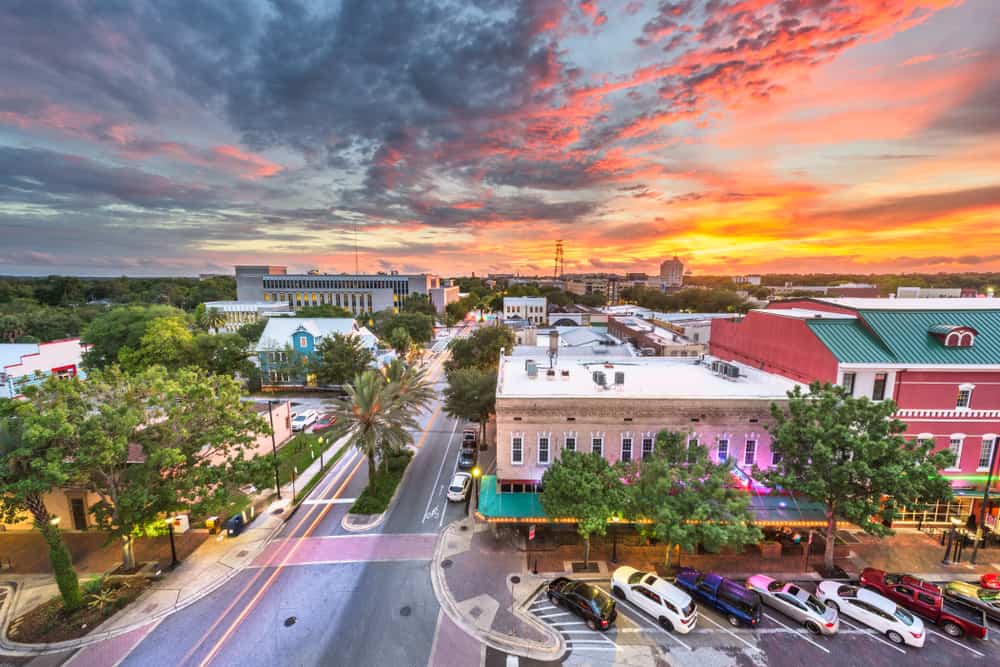
Understanding Gainesville’s Climate: A Traveler’s Overview
Gainesville experiences a classic humid subtropical climate, characterized by hot, humid summers and mild, relatively dry winters. This categorization is vital for travelers, as it immediately suggests the predominant weather conditions and the need to prepare for both heat and humidity, particularly during the warmer months. The city’s inland location, approximately 70 miles from the Atlantic Ocean to the east and 50 miles from the Gulf of Mexico to the west, somewhat moderates coastal influences but doesn’t negate the overarching Floridian weather patterns.
General Climate Characteristics
The defining features of Gainesville’s climate are its long, warm summers and short, mild winters. Average annual temperatures hover around 69°F (20.5°C), but this average masks significant seasonal fluctuations. Rainfall is abundant, especially during the summer months, contributing to the lush greenery that defines much of the region’s landscape. Sunshine is plentiful throughout the year, making Gainesville an attractive destination for those seeking a sun-drenched escape, even if it comes with humidity. The city rarely experiences snowfall, and freezing temperatures, while possible in winter, are typically short-lived and do not persist for extended periods.
Key Weather Considerations for Visitors
For travelers, the primary considerations boil down to temperature, humidity, and precipitation. Summers can be intensely hot, with daily highs frequently exceeding 90°F (32°C) and oppressive humidity making it feel even warmer. Thunderstorms are a daily occurrence during the summer rainy season, often brief but intense. Winters, in contrast, offer a welcome respite, with comfortable daytime temperatures ranging from the low 60s to low 70s°F (16-23°C) and significantly lower humidity. Spring and fall act as transitional seasons, generally providing the most pleasant weather conditions for exploring Gainesville’s diverse attractions. Being aware of Florida’s hurricane season, which officially runs from June 1st to November 30th, is also crucial, although Gainesville’s inland position offers some protection compared to coastal areas.
Seasonal Breakdown for Optimal Travel Planning
Understanding the nuances of each season in Gainesville allows travelers to align their visit with their preferred activities and comfort levels. Each season brings a unique atmospheric charm and specific weather challenges.
Spring (March – May): Pleasant and Popular
Spring is arguably the most idyllic time to visit Gainesville. The weather is consistently pleasant, characterized by warm days, cool evenings, and relatively low humidity. Daytime temperatures typically range from the mid-70s to mid-80s°F (24-29°C), with nighttime lows in the 50s and 60s°F (10-18°C). Rainfall is moderate, primarily occurring as scattered showers rather than the daily deluges of summer. This period is perfect for outdoor activities such as hiking, biking, exploring natural springs, or enjoying the city’s botanical gardens. The campus of the University of Florida is vibrant, and local festivals often take advantage of the superb weather.
Summer (June – August): Hot, Humid, and Rainy
Summer in Gainesville means heat, humidity, and afternoon thunderstorms. Daily highs consistently reach or exceed 90°F (32°C), with humidity levels often making the “feels like” temperature much higher. The heat can be intense, especially for those unaccustomed to Florida’s summers. Afternoon thunderstorms are a near-daily occurrence, typically rolling in during the late afternoon, delivering heavy rain and dramatic lightning, and then clearing quickly. These storms, while disruptive, also provide a temporary cooling effect. Travelers visiting in summer should plan indoor activities for the hottest parts of the day and be prepared for rain with appropriate gear. Despite the heat, the long daylight hours and opportunities for water-based activities at nearby springs make summer appealing for some.
Fall (September – November): Ideal Conditions
Following the summer heat, fall brings a welcome return to more comfortable conditions, making it another prime travel season. While early September can still feel like summer, temperatures gradually moderate, with October and November offering truly delightful weather. Daytime highs range from the mid-70s to low 80s°F (24-29°C), and humidity levels steadily decrease. Rainfall lessens significantly compared to summer, though remnants of hurricane season can still bring heavier rains in early fall. The crisp air and vibrant autumn foliage (for Florida standards) create an inviting atmosphere. This season is excellent for exploring Gainesville’s extensive park system, enjoying outdoor dining, and attending University of Florida sporting events.
Winter (December – February): Mild and Dry
Gainesville’s winters are notably mild and dry, providing a pleasant escape from colder northern climates. Daytime temperatures typically range from the low 60s to low 70s°F (16-23°C), with nights occasionally dropping into the 30s or 40s°F (4-9°C). While cold snaps can occur, bringing temperatures below freezing, they are usually short-lived. Humidity is at its lowest during winter, creating very comfortable conditions. This is the driest season, meaning fewer interruptions from rain. Winter is an excellent time for travelers seeking sunshine and comfortable temperatures for outdoor activities without the intensity of summer heat. It’s also a popular time for snowbirds and those looking to enjoy Gainesville’s natural beauty in agreeable weather.
Preparing for Gainesville’s Weather: Packing Essentials
Smart packing is crucial for a successful trip to Gainesville, given its distinct seasonal weather patterns. A well-thought-out wardrobe and accessory list can significantly enhance comfort and enjoyment.
Year-Round Must-Haves

Regardless of the season, a few items are consistently advisable for any visitor to Gainesville. Sun protection is paramount: bring a wide-brimmed hat, sunglasses, and high-SPF sunscreen, as the Florida sun is strong year-round. Comfortable walking shoes are essential, especially if you plan to explore the city’s parks, the University of Florida campus, or attractions like Paynes Prairie Preserve State Park and Devil’s Millhopper Geological State Park. Insect repellent is also highly recommended, particularly for outdoor excursions, especially during warmer, wetter months, due to mosquitoes and other biting insects. A reusable water bottle is also a smart addition to stay hydrated, regardless of the temperature.
Seasonal Adjustments
- Spring & Fall: Layering is key. Pack light long-sleeved shirts, T-shirts, shorts, and a light jacket or cardigan for cooler evenings. A light rain jacket or umbrella is also prudent for occasional showers.
- Summer: Embrace light, breathable fabrics like cotton or linen. Shorts, T-shirts, tank tops, and swimsuits are essential. A wide-brimmed hat offers additional sun protection. A compact umbrella or light rain jacket is a must for afternoon downpours.
- Winter: While mild, evenings can be cool. Pack jeans or long pants, long-sleeved shirts, sweaters, and a medium-weight jacket. For colder mornings or evenings, consider a warm scarf. Layers are still advisable, as daytime temperatures can warm up considerably.
Hurricane Season Awareness (June – November)
While Gainesville’s inland location provides some buffer, it is still within the hurricane belt. Travelers visiting during hurricane season (June 1st to November 30th) should stay informed about weather forecasts and potential storm developments. It’s wise to have travel insurance that covers weather-related disruptions and to familiarize yourself with local emergency procedures. While direct hits are rare, tropical storms can bring heavy rainfall, strong winds, and localized flooding, potentially impacting travel plans.
Weather’s Influence on Gainesville’s Attractions and Activities
The weather directly impacts how travelers can best experience Gainesville’s diverse offerings, from its renowned natural springs to its cultural institutions.
Outdoor Adventures (Spring/Fall Favorites)
Spring and fall provide the most comfortable conditions for enjoying Gainesville’s extensive outdoor attractions. These seasons are perfect for exploring Paynes Prairie Preserve State Park, where bison and wild horses roam, or hiking the trails at Devil’s Millhopper Geological State Park. The pleasant temperatures are also ideal for visiting Kanapaha Botanical Gardens or taking a leisurely stroll around Lake Alice on the University of Florida campus. For those interested in the famous Florida springs, like Ginnie Springs or Ichetucknee Springs State Park (a bit further afield), the water temperature remains consistently cool (around 72°F or 22°C) year-round, making spring and fall ideal for enjoying the surrounding natural beauty without the summer crowds or heat.
Indoor and Sheltered Options (Summer Strategies)
During the hot and humid summer months, strategic planning is essential. Mornings are best for outdoor activities before the midday heat and afternoon thunderstorms arrive. Afternoons are perfect for exploring Gainesville’s excellent indoor attractions. These include the Florida Museum of Natural History with its impressive butterfly rainforest, the Harn Museum of Art (both located on the University of Florida campus), or one of the city’s many charming local shops and cafes in areas like Downtown Gainesville or nearby historic Micanopy. While the springs remain refreshing, consider visiting early in the day to avoid the peak heat and potential for afternoon storms.
Experiencing Local Events Throughout the Year
Gainesville’s event calendar often aligns with its climate. Fall is synonymous with college football at the University of Florida, drawing massive crowds to the outdoor stadium. Spring sees numerous outdoor music festivals and art shows capitalizing on the pleasant weather. Winter hosts various holiday-themed events and provides an excellent backdrop for exploring the historic districts without discomfort. Even summer has its share of indoor concerts and community gatherings designed to beat the heat, ensuring there’s always something to do, regardless of the forecast.
Navigating Weather-Related Travel Tips
Successfully navigating Gainesville’s weather requires proactive planning and a flexible mindset.
Best Times to Visit
For most travelers, spring (March-May) and fall (October-November) offer the most appealing weather. These seasons strike a balance between comfortable temperatures, lower humidity, and less frequent rain, making them ideal for exploring both indoor and outdoor attractions. If avoiding crowds and finding potentially lower accommodation rates are priorities, late winter or early spring (excluding spring break weeks) can also be excellent. Summer, while hot, can be managed with careful planning around peak temperatures and afternoon storms, especially for those who love water activities.
Staying Informed with Forecasts
Always check the local weather forecast for Gainesville, Florida in the days leading up to your trip and daily during your stay. Florida weather, particularly in summer, can be dynamic, with forecasts for thunderstorms potentially changing rapidly. Reliable weather apps and local news channels are invaluable resources for up-to-date information, including severe weather alerts during hurricane season.

Hydration and Sun Protection
No matter the season, prioritize hydration and sun protection. The Florida sun is powerful, and even on cooler days, UV exposure can be significant. Carry water, seek shade during peak sun hours (typically 10 AM to 4 PM), and reapply sunscreen regularly. These simple steps will help prevent sunburn and heat-related illnesses, ensuring you can fully enjoy all that Gainesville has to offer.
In conclusion, Gainesville, Florida, offers a diverse weather experience throughout the year. With its distinct seasons, understanding the local climate is key to a rewarding journey. By preparing for the specific conditions of your chosen travel time, visitors can comfortably immerse themselves in the rich academic, natural, and cultural tapestry of this captivating North Central Florida gem.
LifeOutOfTheBox is a participant in the Amazon Services LLC Associates Program, an affiliate advertising program designed to provide a means for sites to earn advertising fees by advertising and linking to Amazon.com. Amazon, the Amazon logo, AmazonSupply, and the AmazonSupply logo are trademarks of Amazon.com, Inc. or its affiliates. As an Amazon Associate we earn affiliate commissions from qualifying purchases.