
February in Florida, often dubbed the Sunshine State, presents a delightful escape for those seeking to evade the grip of winter elsewhere. As many parts of the United States remain shrouded in snow and ice, Florida beckons with its generally mild temperatures, ample sunshine, and comfortable humidity levels. This month strikes a near-perfect balance, offering warmth without the oppressive heat and humidity of summer, and typically less rainfall, making it an ideal time for a vast array of outdoor activities. For travelers planning a visit, understanding the nuances of February’s weather across the state is crucial for packing smart and making the most of your adventure. Whether you’re dreaming of sunbathing on pristine beaches, exploring vibrant cities, or venturing into natural wonders, Florida in February offers a diverse climatic experience that caters to all preferences, providing a much-needed dose of warmth and light during the colder months.
The Sunshine State’s February Charm: An Overview
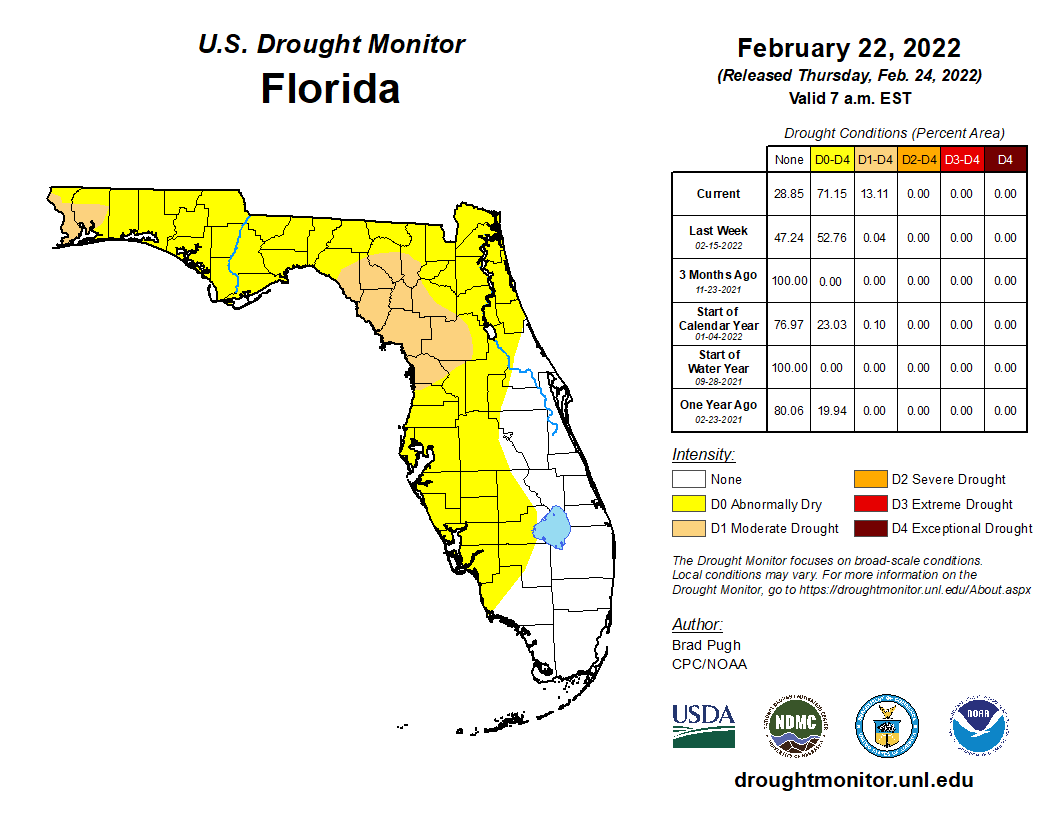
February is a standout month for visiting Florida, consistently ranking among the most popular times due to its exceptionally pleasant weather conditions. Across much of the state, visitors can expect a significant reduction in humidity compared to the spring and summer months, which translates to more comfortable days and cooler, refreshing evenings. The risk of tropical storms or hurricanes is virtually nonexistent, and the intense, often unpredictable afternoon thunderstorms characteristic of the warmer seasons are rare. Instead, February delivers long stretches of clear, sunny skies, making it perfect for those looking to soak up the sun without the sweltering heat.
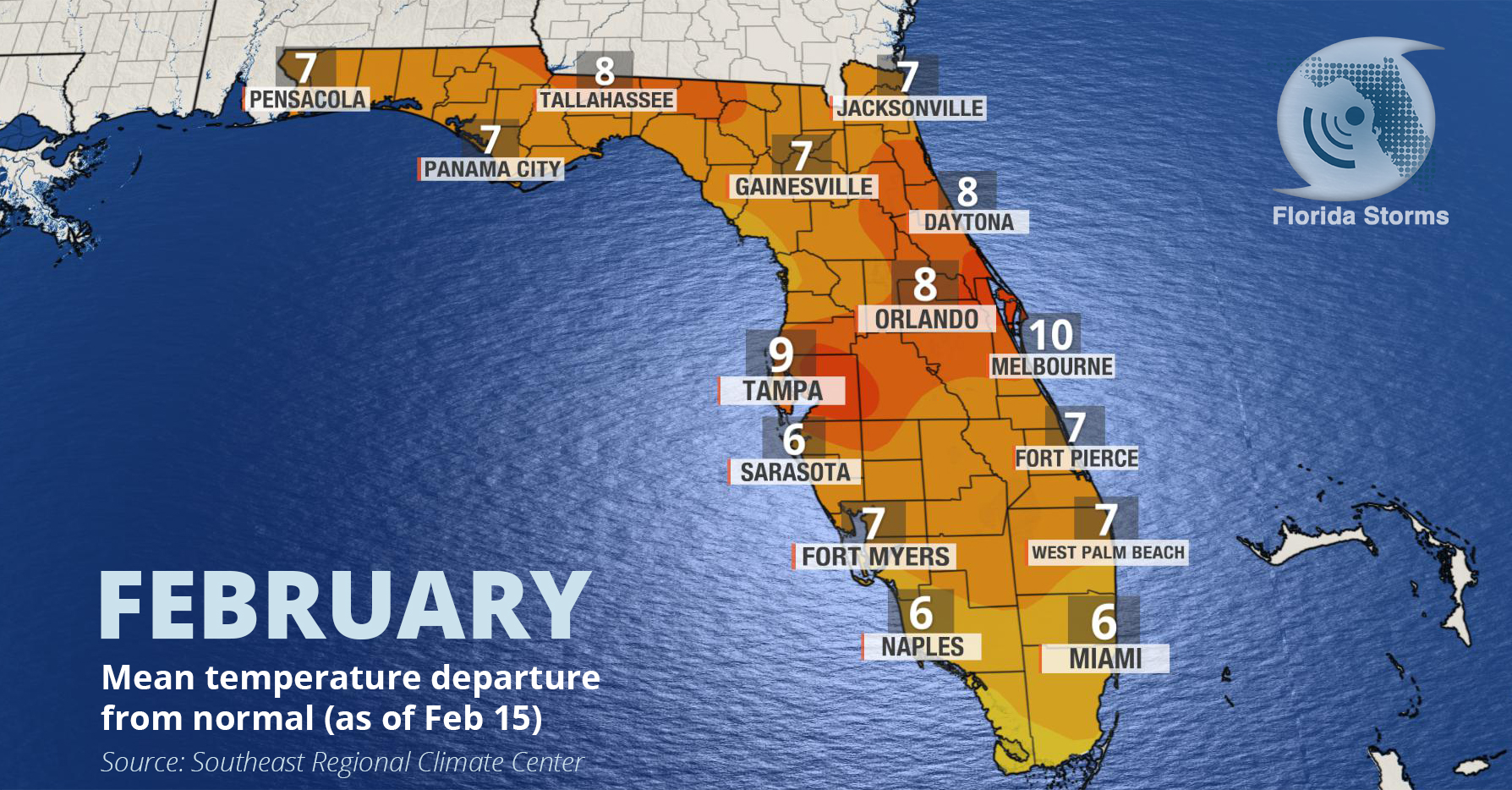
While the overarching theme is mildness, Florida’s considerable length from north to south means there are distinct regional variations in temperature. Southern Florida typically enjoys true warmth, often feeling like an early summer day, while central and northern regions can experience cooler spells, particularly in the mornings and evenings. These regional differences require a bit of foresight when packing, ensuring you’re prepared for anything from a balmy beach day to a crisp evening stroll. Despite these variations, the overall sentiment remains consistent: February in Florida is undeniably charming, providing an idyllic backdrop for everything from theme park adventures to serene beach getaways, firmly establishing its reputation as a premier winter escape destination.
Regional Weather Breakdown: North, Central, and South Florida
Understanding the geographical nuances of Florida’s weather in February is key to a perfectly planned trip. The state’s elongated shape means a significant difference in climate can be observed as you travel from its northern borders down to its southernmost tip.
North Florida’s Cooler Embrace (e.g., Jacksonville, Tallahassee, Gainesville)
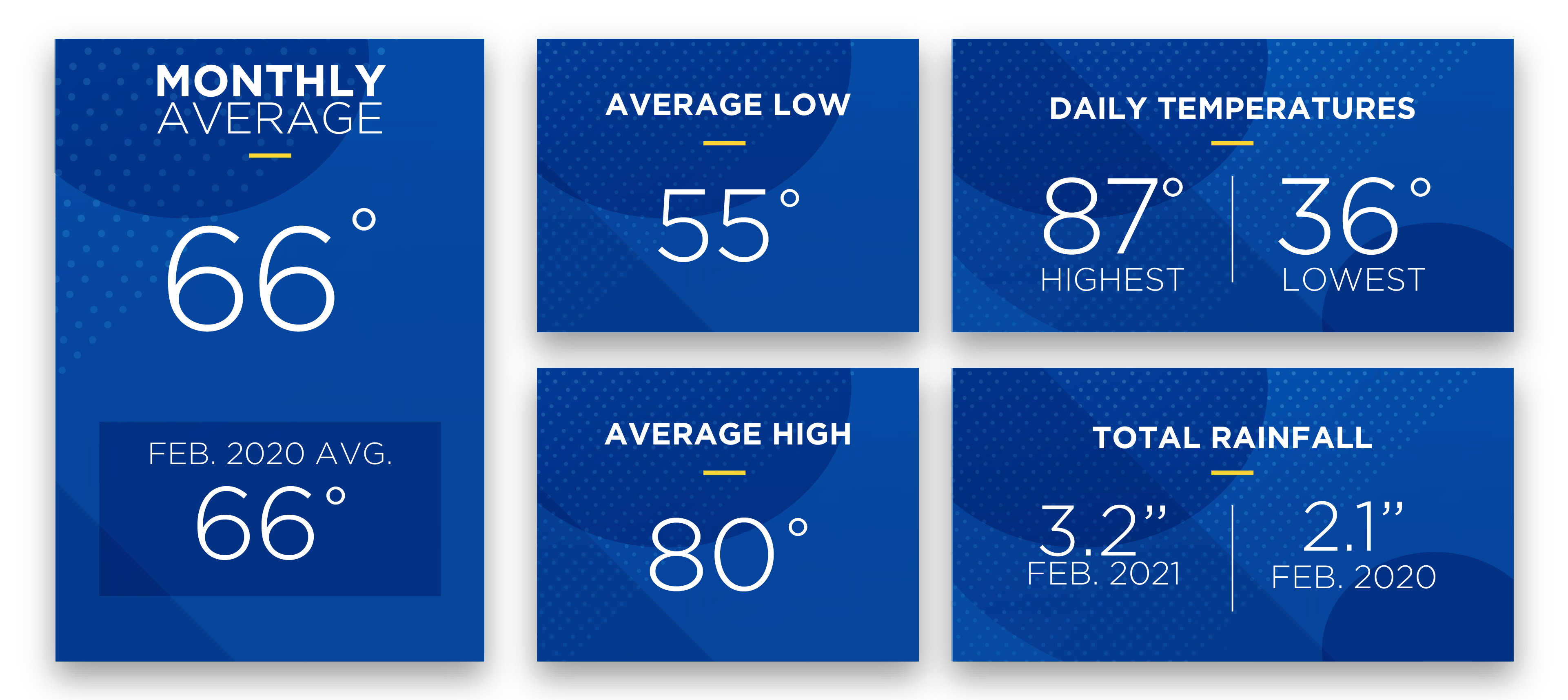
February in North Florida feels distinctly different from its southern counterparts. Cities like Jacksonville, Tallahassee, and Gainesville experience cooler, more temperate conditions that are reminiscent of a mild early spring in other parts of the United States. Average high temperatures typically range from the mid-60s to low 70s Fahrenheit (18-22°C), while overnight lows can dip into the 40s (4-9°C), and occasionally even lower.
It’s not uncommon for cold fronts to sweep through this region, bringing with them a noticeable chill. While rare, a light frost can occur, particularly in inland areas during the coldest nights. This means that while daytime can be pleasant for outdoor exploration, evenings require warmer attire. Packing essentials for North Florida in February should include layers: light jackets, sweaters, long-sleeved shirts, alongside your usual t-shirts. Activities such as exploring historic districts, hiking in state parks, or enjoying outdoor dining are perfectly suited, provided you dress appropriately. Swimming in the ocean might be too chilly for most, though some brave souls might venture into heated pools.
Central Florida’s Pleasant Mid-Range (e.g., Orlando, Tampa, Daytona Beach)
Central Florida, home to popular destinations like Orlando, Tampa, and Daytona Beach, offers what many consider the ideal February weather. Temperatures here are consistently mild and comfortable, striking a perfect balance between warmth and coolness. Average daytime highs hover in the low to mid-70s Fahrenheit (22-24°C), with nights cooling down to the low to mid-50s (10-13°C).
This climate is exceptionally conducive to enjoying the region’s world-famous theme parks, such as Disney World and Universal Studios Florida, without the summer crowds or heat exhaustion. The air is typically dry and crisp, with very low humidity, enhancing the outdoor experience. Packing for Central Florida involves versatility: t-shirts and shorts for daytime, but a light jacket or cardigan will be appreciated in the evenings or for air-conditioned indoor venues. This region is a prime spot for golf, outdoor festivals, and enjoying patio dining, all benefiting from the nearly perfect weather conditions.
South Florida’s Tropical Warmth (e.g., Miami, Fort Lauderdale, The Florida Keys)
South Florida truly lives up to the “Sunshine State” moniker in February, offering the warmest and most consistently tropical conditions. Cities like Miami, Fort Lauderdale, and the entire chain of The Florida Keys experience weather that feels like a perpetual summer. Average high temperatures typically range from the mid-70s to low 80s Fahrenheit (24-28°C), while nighttime lows rarely drop below the mid-60s (18-20°C).
Cold fronts are much less impactful here, usually resulting in only a slight drop in temperature for a day or two before the warmth returns. Humidity remains low, making the higher temperatures feel incredibly pleasant. This is prime beach weather, ideal for swimming in the Atlantic Ocean or the Gulf of Mexico, sunbathing, and indulging in all types of water sports. For South Florida, your packing list will lean heavily towards summer attire: swimwear, shorts, t-shirts, sundresses, and very light cover-ups for the evenings. Sun protection is paramount. This region truly shines in February, offering a genuine warm-weather escape when much of North America is still battling winter.
Precipitation, Humidity, and Sunshine Levels
Beyond just temperature, the overall atmospheric conditions in Florida during February play a significant role in defining the travel experience. The combination of low precipitation, comfortable humidity, and abundant sunshine creates an almost idyllic climate, highly sought after by winter-weary travelers.
February’s Dry Spell: Low Rainfall
February is one of Florida’s driest months, a stark contrast to the frequent afternoon downpours of the summer. The entire state generally experiences significantly less rainfall, with average monthly totals typically ranging from 2 to 3 inches (50-75 mm). This dryness means that outdoor plans are rarely interrupted by rain. Instead of torrential, short-lived storms, any precipitation that does occur is usually in the form of light showers or prolonged, gentle drizzles associated with a passing cold front, which quickly moves out.
This low rainfall is a major boon for travelers, allowing for uninterrupted days at theme parks, extended beach time, and continuous enjoyment of outdoor attractions without the need for constant rain plan contingencies. It contributes to the overall feeling of pleasantness and predictability that makes February such a popular time to visit.
Comfortable Humidity
One of the most appealing aspects of Florida in February is the remarkably comfortable humidity. Compared to the oppressive, sticky air that characterizes the state’s summer months, February offers a significant reprieve. Relative humidity levels are considerably lower, making even the warmer temperatures feel much more enjoyable and less enervating. This dry air allows for quick evaporation of sweat, making outdoor activities more pleasant and reducing the feeling of being perpetually damp.
The comfortable humidity also contributes to cooler, more refreshing evenings and nights, providing a welcome escape from the daytime sun. This factor alone can significantly enhance the comfort of a trip, allowing travelers to feel invigorated rather than weighed down by the atmosphere.
Abundant Sunshine Hours
Florida in February lives up to its “Sunshine State” nickname with an abundance of clear skies and glorious sunshine. Most days feature 8 to 10 hours of bright sunshine, offering ample opportunity for outdoor activities. The sun’s angle is still relatively low compared to summer, meaning the intensity of UV rays, while still significant, is less searing.
However, abundant sunshine also means that sun protection remains a critical consideration. Even in February, the Florida sun can cause sunburn, especially for those not accustomed to intense sun exposure. Travelers should always use broad-spectrum sunscreen with a high SPF, wear hats, and consider sunglasses, regardless of which part of the state they are visiting. The generous daylight hours allow for extended periods of exploration and relaxation, maximizing the value of your vacation days.
Preparing for Your February Florida Trip
A successful trip to Florida in February hinges on smart preparation, particularly concerning what to pack and which activities to prioritize. Given the potential for regional variations and occasional cold snaps, flexibility is key.
Packing Essentials for Varied Conditions
The golden rule for packing for Florida in February is layering. Even within a single day, temperatures can fluctuate significantly, especially in North and Central Florida.
- Daytime Attire: T-shirts, shorts, light dresses, and comfortable walking shoes are perfect for warm afternoons.
- Evening and Cooler Day Attire: Bring light jackets, cardigans, sweaters, or long-sleeved shirts. A windbreaker can also be useful, especially near the coasts or for boat trips.
- Swimwear: Essential for South Florida and for any heated pools across the state.
- Sun Protection: Regardless of temperature, the Florida sun is strong. Pack high-SPF sunscreen, sunglasses, and a wide-brimmed hat.
- Comfortable Footwear: You’ll likely be doing a lot of walking, whether at theme parks, exploring cities, or hiking.
- Rain Gear (Optional but Recommended): While rain is infrequent, a compact umbrella or light rain jacket can be handy for unexpected showers.
Activities Best Suited for February Weather
February’s mild and dry weather opens up a plethora of activity options, making it an excellent time to experience Florida’s diverse offerings.
- Theme Parks: Disney World, Universal Studios Florida, and other attractions in Orlando are much more pleasant without the intense summer heat and often with fewer crowds than peak seasons.
- Beach Days: South Florida beaches (e.g., Miami, Fort Lauderdale, The Florida Keys) are perfect for swimming, sunbathing, and water sports. Central Florida’s beaches like Daytona Beach are pleasant for strolls, though ocean swimming might be cooler.
- Outdoor Sports: Golfing, tennis, cycling, and hiking are all excellent choices. The cooler temperatures make extended periods of outdoor exertion far more comfortable.
- Nature Exploration: Visit national and state parks like Everglades National Park or Myakka River State Park for wildlife viewing, kayaking, or airboat tours. Manatee viewing is also at its peak as they seek warmer waters.
- Festivals and Events: February often hosts various festivals, art shows, and cultural events across the state, taking advantage of the superb weather.
- City Exploration: Strolling through historic districts in St. Augustine, Tampa, or Miami is delightful without the oppressive heat.
February Travel Considerations
While February offers fantastic weather, it’s also a popular time.
- Crowds: Expect moderate to high crowds, especially in Orlando and South Florida. Late February can see an increase in crowds as some areas begin their Spring Break.
- Booking: It’s advisable to book flights and accommodations well in advance, particularly for popular destinations and events like the Daytona 500 if it falls in February.
- Pricing: While not as high as peak holiday seasons, prices can be elevated due to demand.
Unexpected Weather Scenarios and How to Handle Them
While February in Florida is generally predictable and pleasant, it’s prudent to be aware of less common weather scenarios and how to adapt your plans accordingly.
The Occasional Cold Snap
Despite the overall mildness, Florida is still susceptible to cold fronts, particularly in its northern and central regions. A cold snap typically involves a drop in temperatures that can last for a few days, bringing highs into the 50s Fahrenheit (10-15°C) and lows well into the 30s (0-4°C) or even below freezing, especially inland. These events are usually preceded by a strong wind and a clear, crisp atmosphere.
- Preparation: Your layered packing should account for this. If a cold snap is forecast, bring an extra sweater, a warmer jacket, and perhaps even gloves and a hat if you plan to be out early in the morning or late at night in North Florida.
- Activities: Embrace the opportunity for cozy indoor activities like visiting museums, aquariums, or enjoying a hot meal. If you’re visiting theme parks, these cooler days can mean fewer crowds and more comfortable walking, provided you’re dressed warmly.
- Driving: Be aware of potential patchy fog on cold mornings, especially in inland areas.
Rare Rainfall
As noted, February is one of Florida’s driest months, but occasional rainfall can still occur. These are typically not the intense, prolonged downpours of the summer season. Instead, you might encounter light, scattered showers or a day of persistent drizzle, often associated with a passing cold front.
- Preparation: A compact travel umbrella or a light, packable rain jacket can be a lifesaver. Keep an eye on local weather forecasts, which are generally very accurate for short-term predictions.
- Indoor Alternatives: If rain does occur, Florida offers numerous indoor attractions. Consider visiting one of its many world-class aquariums (like the Florida Aquarium in Tampa or the Miami Seaquarium), art museums (e.g., The Dalí Museum in St. Petersburg), shopping malls, or enjoying live entertainment and dining.
- Flexibility: Build some flexibility into your itinerary to allow for last-minute changes if the weather takes an unexpected turn. Sometimes, a short rain shower can pass quickly, leaving clear skies in its wake, so don’t let it completely derail your plans.
In conclusion, February offers a diverse yet overwhelmingly pleasant weather experience across Florida, making it an exceptional choice for a winter getaway. By understanding the regional differences and preparing for a range of conditions, travelers can ensure a comfortable, engaging, and memorable visit to the Sunshine State.
LifeOutOfTheBox is a participant in the Amazon Services LLC Associates Program, an affiliate advertising program designed to provide a means for sites to earn advertising fees by advertising and linking to Amazon.com. Amazon, the Amazon logo, AmazonSupply, and the AmazonSupply logo are trademarks of Amazon.com, Inc. or its affiliates. As an Amazon Associate we earn affiliate commissions from qualifying purchases.