
Florida, often referred to as the Sunshine State, beckons millions of travelers each year with its pristine beaches, vibrant cities, world-renowned theme parks, and unique natural wonders. From the magical enchantment of Orlando to the Art Deco splendor of Miami, and the tranquil beauty of Key West, Florida offers a diverse tapestry of experiences. For any traveler planning a visit, or for anyone needing to coordinate with individuals or businesses within the state, a fundamental piece of information is understanding its current time. More than just a simple query, knowing the time in Florida is crucial for seamless travel planning, effective communication, and making the most of every moment in this captivating destination. This comprehensive guide delves into Florida’s time zones, the practical implications for travelers, and how to effortlessly stay on schedule, ensuring your Florida adventure is as smooth and enjoyable as possible.
Understanding Florida’s Time Zones: A Traveler’s Essential Guide
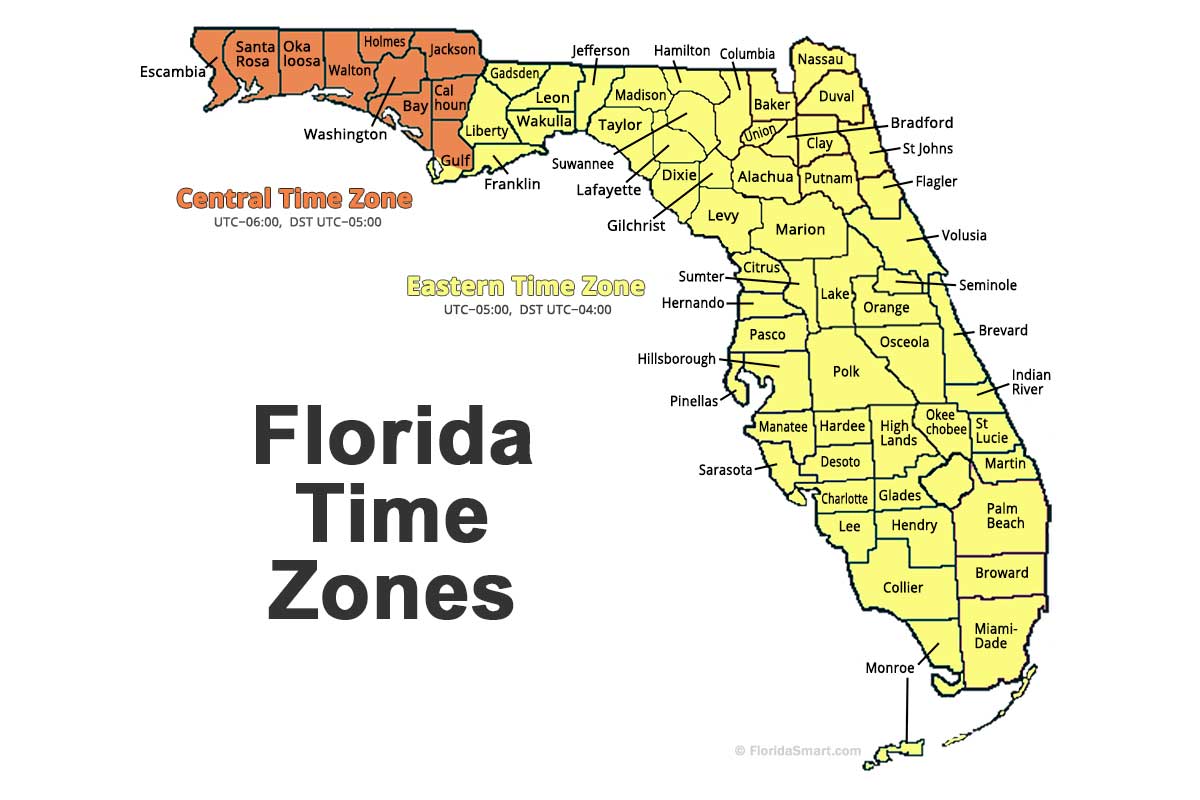
While the question “What is time now in Florida?” often assumes a single answer, the reality is a little more nuanced. Florida primarily observes one time zone, but a small portion of its western Panhandle operates on a different one. This distinction is vital for accurate planning, especially when traversing the state.
Eastern Standard Time (EST) and Eastern Daylight Time (EDT)
The vast majority of Florida operates on the Eastern Time Zone. During the colder months, from early November to mid-March, this is known as Eastern Standard Time (EST), which is five hours behind Coordinated Universal Time (UTC-5). As spring arrives, specifically on the second Sunday in March, the state transitions to Eastern Daylight Time (EDT), moving clocks forward by one hour to UTC-4. This shift means that most of Florida is one hour ahead of EST during these warmer months, a practice observed across many parts of the United States. Major cities and tourist hubs like Orlando, Miami, Tallahassee, and Key West all adhere to this time zone.
Central Standard Time (CST) and Central Daylight Time (CDT) in the Panhandle
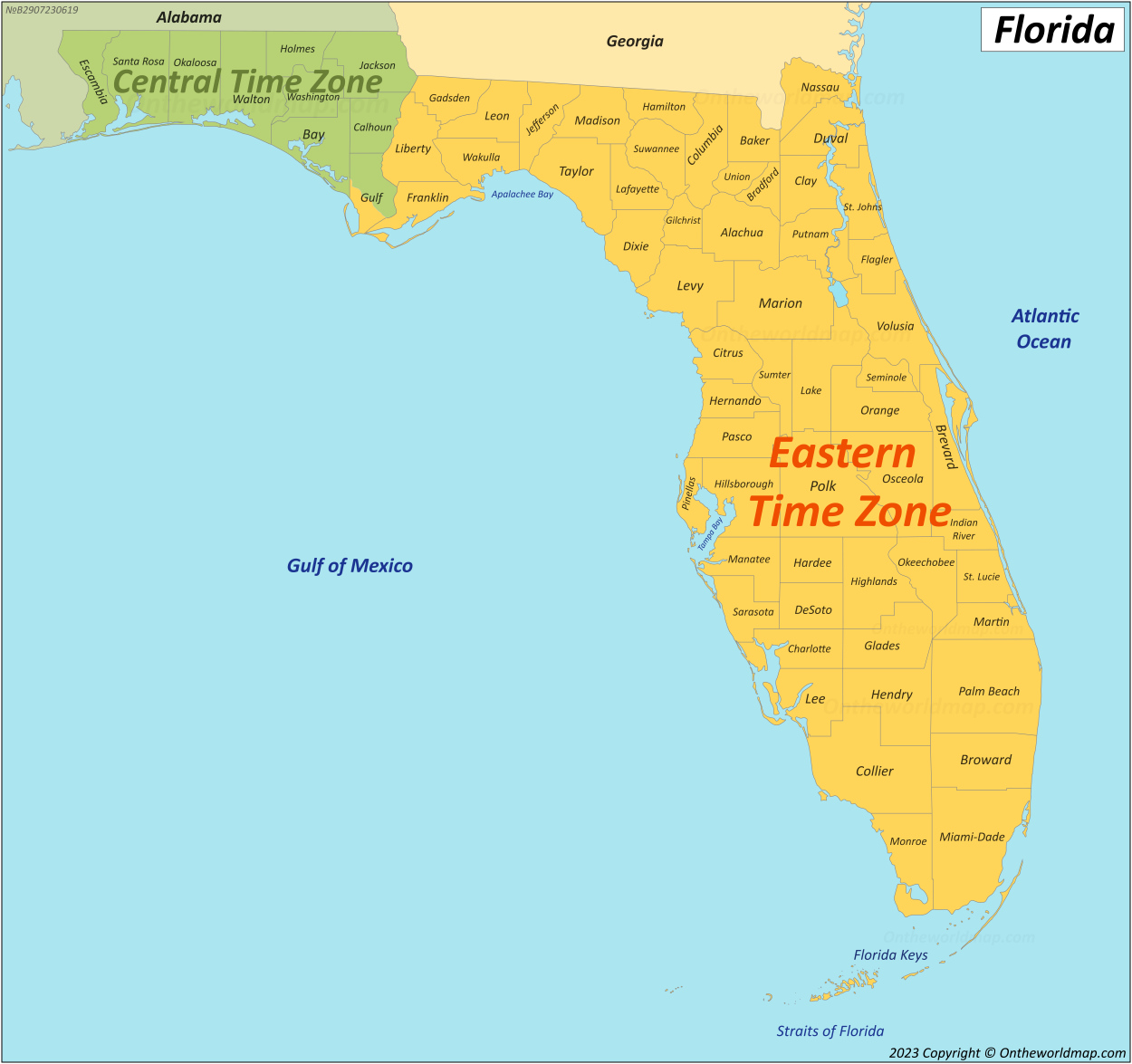
The exception to Florida’s dominant Eastern Time Zone lies in its western Panhandle. Specifically, counties west of the Apalachicola River, including Pensacola, Destin, and Fort Walton Beach, observe the Central Time Zone. This means they are an hour behind the rest of Florida. During the standard period, they are on Central Standard Time (CST), which is UTC-6. When Daylight Saving Time is in effect, they switch to Central Daylight Time (CDT), moving to UTC-5. This difference is crucial for travelers who might be flying into Pensacola but driving towards Tallahassee, as a one-hour shift will occur. For clarity, a helpful rule of thumb is to remember that the vast majority of Florida’s attractions and major cities are on Eastern Time, with only a small, but notable, western portion on Central Time.
Daylight Saving Time Explained
Daylight Saving Time is a practice observed throughout most of the United States, including Florida. It begins on the second Sunday in March when clocks “spring forward” one hour, and it ends on the first Sunday in November when clocks “fall back” one hour. The primary purpose is to make better use of daylight, shifting an hour of daylight from the morning to the evening during the warmer months. For travelers, this means adjusting your internal clock and ensuring your devices automatically update. While discussions about making Daylight Saving Time permanent have occurred in Florida and nationally, as of now, the state continues to observe the biannual time change. Always verify the current date and time in Florida during these transition periods to avoid any miscalculations.
Why Time Matters: Planning Your Florida Itinerary
Understanding Florida’s time zones goes far beyond mere curiosity; it’s a practical necessity for efficient travel planning and execution. From arrival to departure, every aspect of your trip can be influenced by accurate time awareness.
Coordinating Arrivals and Departures
One of the most critical areas where time accuracy is paramount is in travel logistics. Flights, train schedules, and bus timings are all precise. If you’re flying into Orlando International Airport or Miami International Airport, you’ll be on Eastern Time. However, if your itinerary includes a stop or connection in the Panhandle, understanding the Central Time Zone becomes crucial. A flight arriving in Pensacola at 3:00 PM CST will feel like 4:00 PM EST if you’re mentally on Eastern Time, which could affect onward travel, hotel check-ins, or scheduled pickups. Always confirm the local time for your specific airport of arrival and departure to avoid missed connections or unnecessary waiting.
Maximizing Theme Park and Attraction Hours
Florida is synonymous with world-class attractions. Walt Disney World Resort in Orlando, Universal Orlando Resort, the Kennedy Space Center, and countless other museums, zoos, and natural parks operate on strict opening and closing schedules. These hours are always advertised in local time. Arriving an hour late due to a misunderstanding of Daylight Saving Time or the time zone boundary in the Panhandle could mean missing crucial park entry times, special events, or simply reducing your valuable exploration time. For travelers with pre-booked tickets or reservations for specific time slots, punctuality based on local time is non-negotiable. Always double-check attraction hours on the day of your visit, as they can sometimes vary seasonally or for special events.
Business Engagements and Communication
For business travelers or those needing to conduct remote work while in Florida, precise time awareness is even more critical. Scheduling virtual meetings, phone calls, or appointments requires a clear understanding of the time difference between your current location and that of your colleagues or clients. If you’re in Florida on Eastern Time, and your team is on the West Coast of the United States, a three-hour difference needs to be factored in. Similarly, international business calls to Europe, Asia, or Australia demand meticulous time zone calculations to avoid scheduling conflicts and to ensure effective communication. Even within Florida, a conference call between Miami and Pensacola necessitates factoring in the one-hour difference.

Navigating Time Differences from Around the World
For international visitors, the time difference can be substantial, leading to jet lag and initial disorientation. Preparing for this shift is a key part of travel wellness and enjoyment.
Adjusting to Jet Lag: Tips for a Smoother Transition
Jet lag is a common affliction for travelers crossing multiple time zones, particularly those arriving in Florida from Europe, Asia, or Africa. The symptoms can range from fatigue and insomnia to digestive issues. To minimize its impact:
- Adjust Before You Fly: Gradually shift your sleep schedule by an hour or so each day in the days leading up to your departure to align closer with Florida’s time.
- Stay Hydrated: Drink plenty of water before, during, and after your flight to combat dehydration, which can exacerbate jet lag.
- Embrace Natural Light: Upon arrival, expose yourself to natural sunlight as much as possible, especially in the morning. This helps reset your body’s circadian rhythm.
- Stay Active: Light exercise or a walk can help keep you awake and energized during the day.
- Avoid Heavy Meals and Alcohol: Especially on the first day, opt for lighter meals and limit alcohol intake, which can disrupt sleep.
- Prioritize Sleep: Try to stick to Florida’s nighttime schedule, even if you feel tired during the day. Short naps are acceptable, but avoid long ones that might interfere with nighttime sleep.
Communication Across Continents: Staying Connected
Maintaining contact with family, friends, or colleagues back home when you’re in Florida requires careful consideration of time zones. A simple call to London from Miami means remembering a five-hour difference (six hours during Daylight Saving Time in Europe). Connecting with someone in Tokyo could mean a 13-hour difference, potentially placing their daytime in your late evening. Utilizing world clock features on smartphones or dedicated apps can be incredibly helpful for quickly visualizing these differences and scheduling calls at appropriate times for both parties, preventing accidental late-night or early-morning disturbances.
Local Time, Local Experiences: Embracing Florida’s Rhythm
Understanding local time in Florida isn’t just about avoiding logistical hiccups; it’s also about immersing yourself in the destination and experiencing its unique rhythm. The timing of local activities, dining, and natural phenomena are all dictated by the clock.
Early Birds and Night Owls: What to Do When
Florida offers activities for every preference, but knowing the time helps you choose. Early birds might enjoy a sunrise stroll along the Atlantic Coast, a morning round of golf, or beating the crowds to popular attractions. Theme parks often open early, and arriving right at opening can give you a significant advantage. Night owls will find Florida’s vibrant nightlife in cities like Miami’s South Beach or Orlando’s entertainment districts come alive as the sun sets. Late-night dining options are plentiful, and some attractions offer evening events or shows. Aligning your activities with the local time allows you to fully engage with the state’s diverse offerings, whether you’re seeking tranquil mornings or energetic evenings.
Sunset Views and Evening Entertainment
One of Florida’s most celebrated natural spectacles is its sunset, especially along the Gulf Coast in places like Key West, which is famous for its sunset celebrations. Knowing the exact time of sunset allows you to plan accordingly – booking a sunset cruise, finding the perfect spot on a beach, or reserving a table with a view. These times vary daily and seasonally, so a quick online search for “sunset time Florida [city name]” will provide the precise information. Following sunset, Florida transitions into an array of evening entertainment, from live music venues and theatrical performances to leisurely strolls in illuminated gardens. Being aware of the local time enables you to seamlessly transition from daytime adventures to captivating evening experiences.
Tools and Tips for Staying on Florida Time
In today’s connected world, staying abreast of the correct time is easier than ever. Modern technology provides several invaluable tools to ensure you’re always on schedule in Florida.
Utilizing Smartphone Features and World Clocks
Your smartphone is arguably the most powerful tool for managing time while traveling. Most smartphones automatically update to the local time zone when you arrive in a new location, provided location services are enabled. However, it’s always wise to verify this upon arrival. Additionally, nearly all smartphones come equipped with a “World Clock” feature, allowing you to add multiple cities and instantly see the current time in different locations simultaneously. This is particularly useful for tracking your home time zone or coordinating with contacts in other parts of the United States or internationally. Apps like Google Maps or Apple Maps also often display the local time for destinations you search, adding another layer of convenience.
Essential Pre-Travel Time Checks
Before you even depart for Florida, a few simple time-related checks can save you significant hassle:
- Identify Your Destination’s Time Zone: Confirm whether your specific destination within Florida is on Eastern or Central Time. This is especially important if you’re traveling to or through the Panhandle.
- Verify Daylight Saving Time Status: Check if Daylight Saving Time is currently in effect, as this dictates whether Florida is observing EST/CST or EDT/CDT.
- Review All Reservations: Double-check flight times, hotel check-in/check-out times, car rental pickups, and attraction entry times, ensuring they are all understood in Florida’s local time.
- Set Alarms: Once you’ve landed and confirmed the local time, adjust your alarms and reminders to reflect Florida’s clock.
In conclusion, knowing “What is time now in Florida?” is more than a trivial detail; it is a foundational element for a successful and enjoyable trip to the Sunshine State. By understanding its dual time zones, accounting for Daylight Saving Time, and leveraging modern tools, travelers can navigate their journey with confidence, maximize their experiences, and truly embrace the vibrant rhythm of Florida. From catching a sunrise on the Atlantic Coast to exploring the wild beauty of Everglades National Park, every moment will be perfectly timed.
LifeOutOfTheBox is a participant in the Amazon Services LLC Associates Program, an affiliate advertising program designed to provide a means for sites to earn advertising fees by advertising and linking to Amazon.com. Amazon, the Amazon logo, AmazonSupply, and the AmazonSupply logo are trademarks of Amazon.com, Inc. or its affiliates. As an Amazon Associate we earn affiliate commissions from qualifying purchases.