
Florida, the Sunshine State, beckons millions of travelers each year with its pristine beaches, vibrant cities, and world-class attractions. However, like any destination heavily influenced by its geography and climate, Florida is also susceptible to natural phenomena, including flooding. For travelers planning a visit, understanding which parts of the state are prone to flooding, how to stay informed, and what precautions to take is paramount to ensuring a safe and enjoyable trip. Flooding in Florida can range from temporary street inundations due to heavy rainfall to widespread storm surge from hurricanes, each impacting travel plans differently. This guide aims to equip you with the knowledge needed to navigate your Florida adventure, even when facing potential water-related challenges.
Understanding Florida’s Vulnerability to Flooding
Florida’s unique geography and subtropical climate make it inherently vulnerable to various forms of flooding. Being aware of these underlying factors is the first step in comprehending the risks and planning accordingly.
Geographical Factors
The state’s topography plays a significant role in its susceptibility to water accumulation. Much of Florida is characterized by low elevation, with vast stretches of coastline and inland areas barely above sea level. This flat landscape means that water tends to drain slowly, and even moderate rainfall can lead to localized pooling. The state is also underlain by porous limestone, a karst topography that contributes to its extensive aquifer system. While essential for freshwater supply, this also means that heavy rains can quickly saturate the ground, leading to rising water tables and flash flooding, especially in areas with poor drainage infrastructure. The intricate network of rivers, lakes, and wetlands, including the expansive Everglades National Park, further contributes to water management challenges, as these systems can overflow their banks during prolonged wet periods.
Climatic Influences
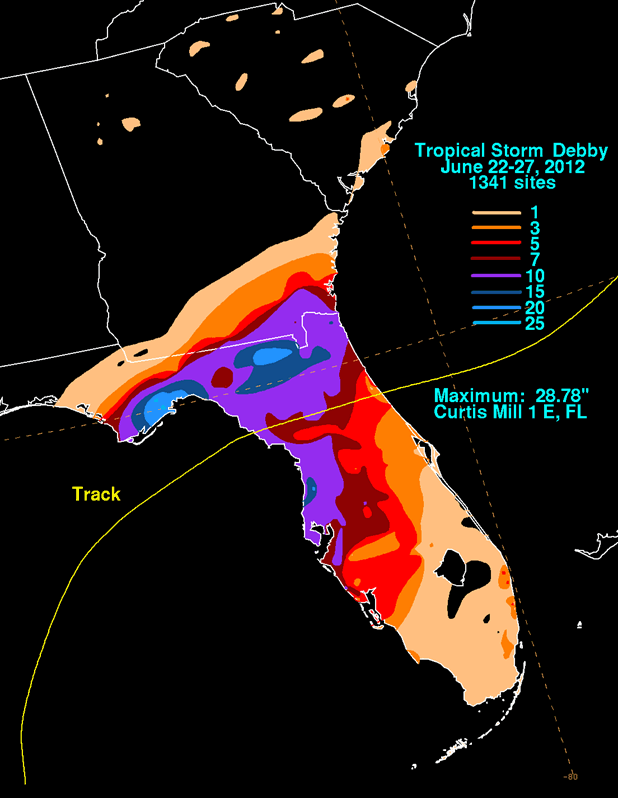
Florida’s climate is defined by distinct wet and dry seasons. The wet season, typically from June to November, coincides with hurricane season, which is the primary driver of severe flooding events. Tropical storms and hurricanes can bring torrential rainfall, often exceeding several inches per hour, and powerful storm surges that push ocean water inland. Beyond hurricanes, everyday summer thunderstorms can be incredibly intense, dumping large volumes of water in short periods, overwhelming urban drainage systems. Climate change also exacerbates these vulnerabilities, with rising sea levels contributing to more frequent and severe coastal flooding, including phenomenon like “king tides” that inundate streets even on sunny days in low-lying coastal communities.
Types of Flooding
Travelers should be aware of the different types of flooding that can occur:
- Coastal Flooding (Storm Surge & King Tides): This is perhaps the most destructive type of flooding in coastal regions, caused by storm systems pushing ocean water onto land. King tides, unusually high tides influenced by gravitational pulls, can also lead to minor coastal flooding, affecting roadways and public spaces near the shore in cities like Miami and Fort Lauderdale.
- Riverine Flooding: Occurs when rivers, streams, or lakes overflow their banks due to excessive rainfall within their watershed. While less common than coastal flooding, major rain events can cause rivers like the St. Johns River or areas around Lake Okeechobee to rise significantly, impacting adjacent communities and travel routes.
- Flash Flooding: Characterized by a rapid rise in water levels, often within minutes or a few hours, typically caused by intense rainfall over a short period. This is common in urban areas where impervious surfaces prevent water absorption, leading to street flooding that can quickly become dangerous.
- Urban Flooding: A localized type of flooding in urban areas that is not directly associated with an overflowing body of water but rather with heavy rainfall overwhelming the existing drainage systems. This can happen anywhere in Florida’s cities.
Currently Affected & High-Risk Regions for Travelers
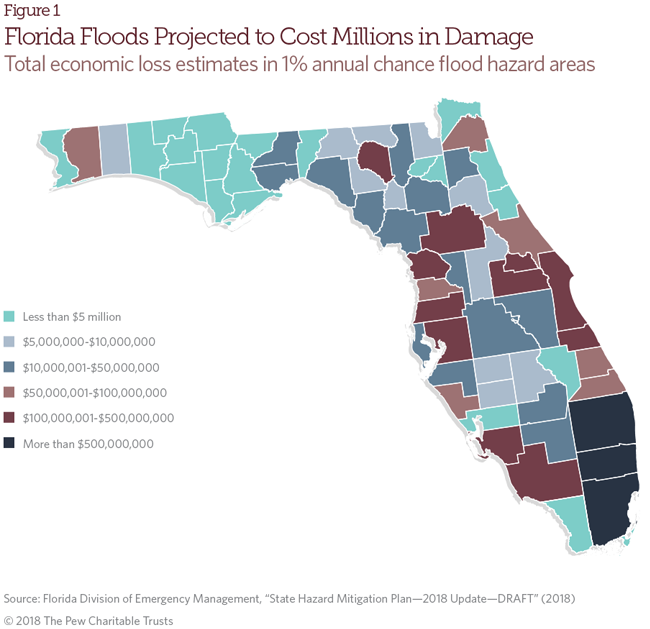
While specific areas affected by flooding are dynamic and depend on current weather events, certain regions of Florida are consistently identified as high-risk for travelers to monitor.
The Gulf Coast and Southwestern Florida
The Gulf Coast, particularly the southwestern portion of the state, is highly susceptible to hurricane impacts and storm surge. Cities like Naples, Fort Myers, Sarasota, and the barrier islands frequently face significant flooding during tropical storms and hurricanes. The low-lying topography and extensive coastal development mean that even a moderate storm can cause widespread inundation, affecting major roadways, residential areas, and tourist infrastructure. Travel to these areas during hurricane season requires constant vigilance and preparedness for potential evacuation orders or travel disruptions. Resorts and attractions in these areas are typically well-versed in emergency protocols but can still be forced to close or cease operations.
Southeastern Florida and the Atlantic Coast
Southeastern Florida, encompassing major metropolitan areas such as Miami, Fort Lauderdale, and Palm Beach, experiences a unique combination of coastal and urban flooding. This region is particularly vulnerable to sea-level rise and king tides, which can cause routine street flooding in coastal neighborhoods, affecting access to beaches, restaurants, and shops. Heavy rainfall events, often associated with afternoon thunderstorms or larger weather systems, can quickly overwhelm aging drainage systems, leading to significant urban flooding that impacts traffic and mobility. While these cities have invested heavily in flood mitigation, travelers should anticipate potential water-covered roads during peak rainy periods, especially in lower-lying districts like South Beach or sections of Fort Lauderdale near the intracoastal waterway.
Central Florida’s Inland Waterways
While often perceived as less vulnerable than coastal areas, Central Florida, home to major attractions like Walt Disney World Resort and Universal Orlando Resort in Orlando, can still experience significant flooding. This is primarily due to prolonged heavy rainfall leading to riverine and flash flooding. The extensive system of lakes and rivers in the region, including the Kissimmee Chain of Lakes, can swell, impacting surrounding communities and roadways. While theme parks are designed with robust drainage, access roads and nearby residential areas can become impassable. Travelers visiting Orlando and its environs during the rainy season should be prepared for intense afternoon downpours that can cause temporary street flooding, potentially delaying travel between attractions or to and from Orlando International Airport.
The Florida Keys
The Florida Keys, a string of tropical islands stretching off the southern tip of Florida, are among the most exposed areas to coastal flooding and storm surge. Their low elevation and linear geography make them incredibly vulnerable to hurricane impacts, which can cut off the only major road access, U.S. Route 1 (the Overseas Highway). Key West and other keys frequently experience nuisance flooding from king tides, affecting streets and some businesses, even on clear sunny days. During hurricane season, visitors to the Keys must monitor weather reports diligently and be prepared to evacuate, as the limited egress points can become congested.
Essential Travel Preparedness and Safety Tips
An informed traveler is a safe traveler. When planning a trip to Florida, particularly during the wetter months, incorporating flood preparedness into your itinerary is crucial.
Monitoring Weather and Official Advisories
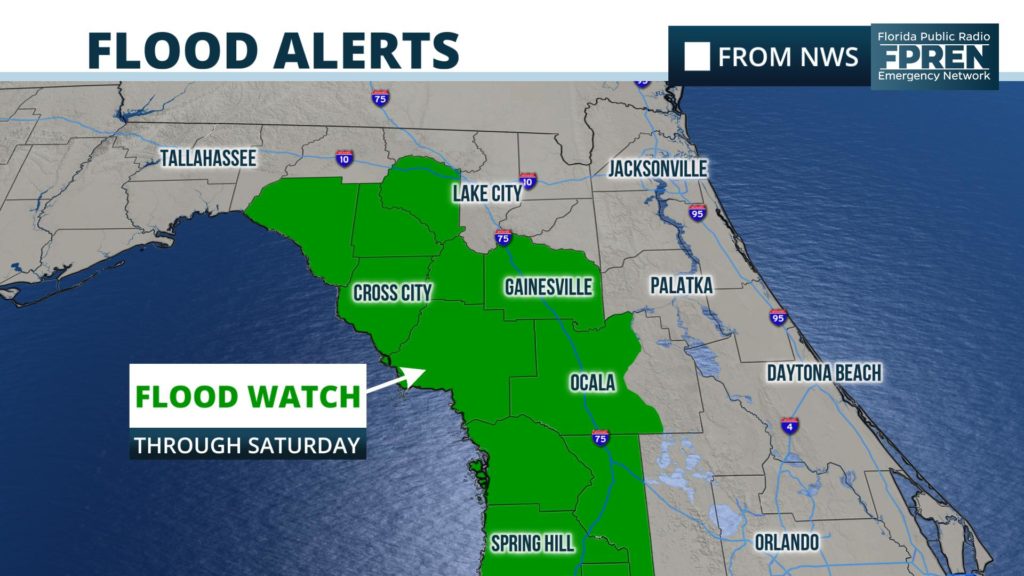
The most critical step is to stay informed. Before and during your trip, regularly check forecasts from reliable sources like the National Weather Service (NOAA), local news channels, and emergency management agency websites for the specific area you plan to visit. Pay close attention to flood watches (conditions are favorable for flooding) and flood warnings (flooding is occurring or imminent). Many coastal communities also have specific alerts for high tides and storm surge. If traveling during hurricane season (June 1 – November 30), monitor tropical weather outlooks daily.
Travel Insurance and Flexible Bookings
Consider purchasing comprehensive travel insurance that covers trip cancellation, interruption, and delays due to natural disasters. Read the policy carefully to understand what is covered. Opt for flexible booking options for flights and accommodations whenever possible. Many airlines and hotels offer waivers or allow changes without fees if a hurricane or major weather event threatens a destination, but these policies vary. Having flexibility can save significant money and stress if your plans need to change suddenly.
Accommodation and Transportation Considerations
When booking accommodations, especially in coastal areas, consider properties that are built to withstand severe weather or are located on higher ground. If a flood warning is issued, be prepared to move to an upper floor if you are in a multi-story building, or seek alternative shelter if instructed. For transportation, avoid driving through flooded streets. “Turn around, don’t drown” is a vital safety mantra, as even a few inches of water can stall a vehicle, and moving water can sweep it away. Stay updated on road closures via local Department of Transportation websites or apps. If you’re renting a car, check the rental agreement regarding driving in flooded conditions.
Packing Smart
For any Florida trip during the rainy season, pack essentials beyond your usual vacation attire. Include waterproof shoes or sandals, a lightweight rain jacket or poncho, and quick-drying clothing. Consider packing a small emergency kit with a flashlight, portable power bank for your phone, essential medications, and copies of important documents, all stored in a waterproof bag.
Navigating Your Florida Trip Amidst Flood Concerns
Even with the possibility of flooding, a memorable Florida vacation is entirely achievable with careful planning and an adaptable mindset.
Alternative Destinations and Activities
If your primary destination is facing flood warnings, be prepared to pivot. Florida is vast and diverse. While coastal areas might be affected, inland regions or other parts of the state might be completely clear. Consider exploring attractions on higher ground, such as Gainesville’s vibrant downtown, Tallahassee’s historic sites, or the crystal-clear springs of North Florida. Indoor attractions like museums, aquariums (e.g., Florida Aquarium in Tampa), and entertainment complexes remain viable options even during rain. Many resorts and hotels offer extensive indoor amenities, from spas to restaurants, allowing you to enjoy your stay even if outdoor activities are temporarily limited.
Supporting Local Communities
In the aftermath of significant flooding, local communities often face economic hardship. If you find yourself in a position to proceed with your trip to an affected but recovering area, doing so responsibly can greatly assist local businesses. Check with local tourism boards for guidance on which businesses are open and how to best support the recovery efforts. This might involve dining at local restaurants, visiting shops, or engaging with community-led initiatives, once it is safe to do so. Responsible tourism plays a crucial role in helping destinations rebuild.
When to Reconsider Your Plans
Ultimately, your safety is paramount. If a major hurricane warning is issued for your intended destination, or if local authorities issue mandatory evacuation orders, you must follow them without hesitation. No vacation experience is worth risking your life or the lives of emergency responders. While it can be disappointing to cancel or postpone a trip, it is the most responsible decision in severe weather situations. Always prioritize the safety of yourself and your travel companions.
Florida remains an incredibly popular and rewarding travel destination. By understanding its vulnerabilities to flooding, staying vigilant with weather updates, and adopting a flexible and prepared mindset, you can navigate your visit safely and still experience the best of what the Sunshine State has to offer. Being informed and prepared allows you to enjoy Florida’s beauty, rain or shine.
LifeOutOfTheBox is a participant in the Amazon Services LLC Associates Program, an affiliate advertising program designed to provide a means for sites to earn advertising fees by advertising and linking to Amazon.com. Amazon, the Amazon logo, AmazonSupply, and the AmazonSupply logo are trademarks of Amazon.com, Inc. or its affiliates. As an Amazon Associate we earn affiliate commissions from qualifying purchases.