
Florida, the Sunshine State, beckons millions of visitors each year with its pristine beaches, world-famous theme parks, vibrant cities, and lush natural landscapes. From the magical realms of Walt Disney World Resort in Orlando to the sophisticated shores of Miami and the serene beauty of the Florida Keys, there’s an adventure for every traveler. However, a successful and stress-free trip to this popular destination involves more than just booking flights and accommodations; it also requires a clear understanding of the taxes that will impact your travel budget.
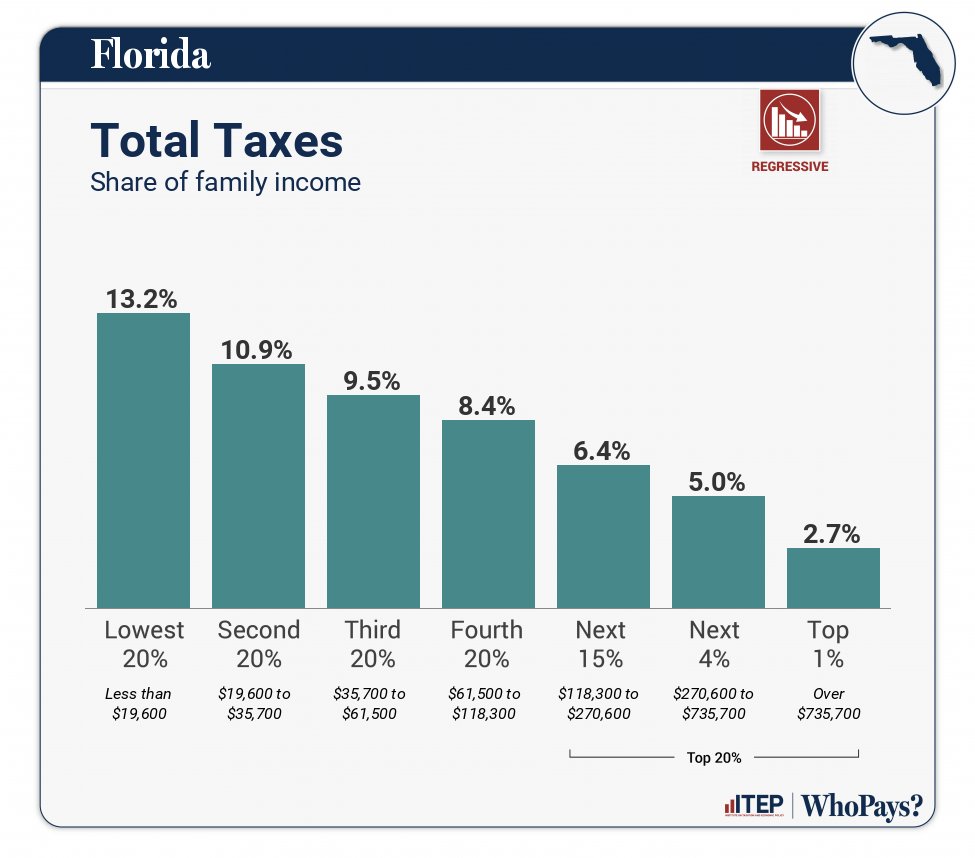
Unlike some states, Florida does not levy a state income tax on individuals, which means the state relies heavily on consumption-based taxes, such as sales tax and specific tourist-related levies, to fund its public services and infrastructure. For travelers, this translates into taxes being integrated into almost every purchase and service encountered during their stay. Being aware of these taxes beforehand allows you to budget more accurately, avoid surprises, and ultimately enjoy your Florida vacation to the fullest. This guide will illuminate the various taxes you’re likely to encounter, providing insights to help you navigate the financial landscape of the Sunshine State as a visitor.
Understanding Florida’s Tax Landscape for Visitors
Florida’s unique tax structure significantly impacts visitors. The absence of a state income tax means the state generates revenue primarily through sales taxes, property taxes, and a range of fees and specific taxes, many of which directly affect tourism. For travelers, this translates into a scenario where the sticker price of goods, services, and accommodations often doesn’t tell the full story. Understanding this framework is the first step in smart travel planning for any trip to Florida.
The philosophy behind Florida’s tax system is that those who consume goods and services within the state—including its vast number of tourists—contribute directly to its economy. This makes visitors an integral part of Florida’s revenue generation. Consequently, a variety of taxes are specifically designed to capture a portion of tourist spending, ranging from the general sales tax applied to most purchases to specialized taxes on lodging and rental cars. These taxes play a crucial role in funding the very infrastructure and attractions that draw travelers to Florida, from maintaining roads and public parks to supporting tourism marketing efforts. Being informed about these contributions helps travelers appreciate the underlying costs and plan their finances more effectively.
The Core Taxes Affecting Your Florida Travel Budget
When planning your trip to Florida, several key taxes will directly influence your overall expenditures. These aren’t hidden fees, but standard levies applied to various aspects of your vacation. Familiarizing yourself with them will ensure your budget remains realistic and you avoid any unexpected costs.
Sales Tax
The most pervasive tax you’ll encounter in Florida is the sales tax. The state imposes a 6% sales tax on most goods and services. However, this base rate can increase slightly depending on the county, as many counties levy an additional discretionary sales surtax, bringing the total sales tax rate in some areas up to 7% or 7.5%.
This sales tax applies to a wide array of items crucial for any traveler. When you buy souvenirs from a gift shop in Orlando, enjoy a meal at a restaurant in Miami, purchase admission tickets to attractions like Universal Orlando Resort, or even grab a coffee, sales tax will be added to your bill. It’s also applied to rental items (like beach chairs or bikes) and services such as haircuts or spa treatments. Groceries, specifically unprepared food items bought at supermarkets, are generally exempt from sales tax, but prepared foods or restaurant meals are not. Medications, both prescription and over-the-counter, are also typically exempt. Always factor in this additional percentage when calculating the true cost of your purchases and activities.
Tourist Development Tax (TDT) / Lodging Tax
Often referred to as the “bed tax” or “resort tax,” the Tourist Development Tax (TDT) is perhaps the most significant tax for travelers staying in short-term accommodations. This tax is applied to the rental amount of any room or lodging establishment that is rented for six months or less. This includes hotels, motels, vacation rentals, timeshares, and even campgrounds. The primary purpose of the TDT is to fund tourism-related infrastructure, marketing, and cultural programs, directly benefiting the visitor experience.
The crucial aspect of the TDT is that its rate varies significantly by county. While the state allows counties to impose this tax, the specific percentage is determined at the local level. For instance, Orange County (home to most of Walt Disney World Resort and Universal Orlando Resort) typically imposes a TDT of 6%. Miami-Dade County, encompassing Miami and South Beach, can have TDT rates that, when combined with additional resort or convention development taxes, can total upwards of 13% or even 14% in some areas. Broward County (Fort Lauderdale) and Monroe County (the Florida Keys) also have their own distinct rates. This means a hotel room that costs $200 per night could end up being $212 (with 6% TDT) or closer to $228 (with 14% TDT) before factoring in the general sales tax and any resort fees. It’s essential to check the specific TDT rate for your chosen destination to accurately budget for your accommodation costs.
Rental Car Surcharges and Taxes
Exploring Florida often involves renting a car, and like accommodations, vehicle rentals come with their own set of taxes and surcharges. Beyond the standard state and local sales tax applied to the rental cost, Florida imposes a specific “Rental Car Surcharge.” This is typically a flat daily fee, regardless of the vehicle’s cost, and is applied to rentals of 30 days or less. This surcharge directly contributes to state revenue, often earmarked for transportation infrastructure.
In addition to this state surcharge, local airport authorities or convention centers might levy their own fees or taxes on rental cars picked up at their locations. These can vary, so the final price of a rental car can be significantly higher than the advertised daily rate. Always read the fine print when booking a rental car and factor in these additional costs, which can add substantial amounts to your transportation budget, especially for longer rental periods.
Gasoline Tax
If your Florida itinerary includes road trips, visiting multiple attractions, or simply getting around, you’ll be purchasing gasoline. The price you see at the pump includes both federal and state excise taxes. While these are indirect taxes (meaning the gas station pays them and passes them on to you), they are a significant component of the final price of fuel. Florida’s state gasoline tax contributes to the maintenance and construction of its extensive road network, which travelers benefit from directly. While you won’t see this broken out as a separate line item on your receipt, understanding that a portion of every gallon you buy goes towards taxes helps complete the picture of your travel expenditures.

Local Tax Variations in Popular Florida Destinations
While the state sales tax provides a baseline, Florida’s’s decentralized approach to the Tourist Development Tax (TDT) means that the total amount of tax you pay, especially on lodging, can differ considerably depending on where you choose to stay. Understanding these regional differences is crucial for accurate budgeting.
Orlando and Central Florida
As the epicenter of theme park tourism, Orlando and its surrounding areas, primarily Orange County, see some of the highest collections of TDT in the state. Orange County currently levies a 6% TDT on top of the 6.5% sales tax (state 6% + county 0.5% discretionary sales surtax), bringing the total tax on a hotel room or vacation rental to 12.5%. This means a $300 hotel night can cost an additional $37.50 in taxes. This TDT revenue is vital for marketing Orlando as a destination and supporting its massive tourism infrastructure, including iconic attractions like Magic Kingdom and Epcot. When visiting this region, always anticipate this significant lodging tax when booking your stay.
Miami and South Florida
The vibrant metropolis of Miami and its surrounding areas, particularly Miami-Dade County and Broward County, are known for their high-end resorts, dynamic nightlife, and beautiful beaches. The tax structure here can be more complex due to various local surcharges. In Miami-Dade County, for example, the total sales tax is often 7% (6% state + 1% county surtax). The TDT can range, but in popular areas like South Beach, the combined lodging taxes (including convention development taxes) can push the total up to 13% to 14% or even higher for certain accommodation types. This impacts luxury stays, dining experiences, and even some cultural activities in this cosmopolitan region. Travelers heading to Miami should be prepared for these elevated tax rates, which contribute to the sophisticated urban amenities and cultural vibrancy of the area.
Florida Keys and Coastal Regions
Down in the idyllic Florida Keys, Monroe County also relies on the TDT to support its tourism-driven economy and protect its unique environment. The TDT here is typically 5%, added to the standard 7.5% sales tax (6% state + 1.5% county surtax) for lodging, making the total tax on accommodations around 12.5%. This tax helps fund critical infrastructure projects and environmental conservation efforts in this delicate island chain. Similarly, popular coastal destinations like Tampa, St. Petersburg, and Jacksonville in their respective counties (Hillsborough County, Pinellas County, and Duval County) will have their own specific TDT rates, usually ranging from 2% to 6%, layered on top of the county’s sales tax rate. Always verify the specific local tax rates for your chosen destination to accurately forecast your expenses.
Smart Spending and Tax Planning for Your Florida Trip
Navigating Florida’s tax structure doesn’t have to be daunting. With a bit of foresight and strategic planning, you can budget effectively and ensure your vacation remains enjoyable and financially predictable.
Budgeting for Taxes
The most critical step is to integrate taxes into your budget from the very beginning. When researching hotel prices, attraction ticket costs, or rental car rates, always remember that the advertised price is rarely the final price. Assume an additional 7% to 7.5% for general sales tax on purchases and a substantial percentage (anywhere from 5% to 14%, depending on the county) for lodging. Websites and booking platforms usually show a “total price” that includes these taxes, but it’s always wise to verify. For accommodations, carefully review the breakdown of charges to see the TDT and sales tax applied, along with any resort fees, which are separate charges but often add to the total cost. By accounting for these additions, you prevent sticker shock and can allocate your funds more accurately.
Understanding Exemptions
While most goods and services are subject to sales tax, certain exemptions can offer minor savings. As mentioned, unprepared food items purchased at grocery stores are generally exempt from sales tax. This means if you’re staying in a vacation rental with a kitchen, buying groceries to cook some of your meals can save you the sales tax you’d pay on restaurant dining. Additionally, prescription medications and some over-the-counter drugs are also exempt. Florida occasionally hosts sales tax holidays, typically for back-to-school supplies or hurricane preparedness items. While these are usually seasonal and might not align perfectly with your travel dates, if you happen to be visiting during one, it could offer tax-free purchases on qualifying items. However, relying on these for significant savings during a vacation is usually not practical.
The No State Income Tax Advantage
While the absence of a state income tax doesn’t directly reduce taxes for visitors on individual purchases, it does shape Florida’s’s broader economic environment. The state’s reliance on consumption taxes means that visitors contribute directly to the state’s coffers through their spending. This structure indirectly helps keep overall business costs competitive and, in turn, can contribute to a more vibrant and appealing tourism sector. For travelers, it means understanding that the taxes you pay on goods, services, and accommodations are vital for supporting the infrastructure, attractions, and public services that make Florida such a desirable destination. You are, in essence, investing back into the very experience you are enjoying.
Leveraging Tax Knowledge for Savings
Armed with knowledge about varying tax rates, you can make informed decisions that might save you money. For instance, if you’re planning a trip to the Orlando area, comparing accommodation options just outside Orange County (e.g., in nearby Osceola County) might reveal slightly lower TDT rates, though you’d need to weigh this against convenience and travel time to attractions. Similarly, when booking rental cars, comparing rates from different companies and understanding their fee structures can help identify the best value once all taxes and surcharges are factored in. While the goal isn’t necessarily to avoid taxes entirely (as they are a cost of enjoying what Florida has to offer), it is to plan effectively and make smart choices that align with your budget.
In conclusion, a trip to Florida is an unforgettable experience, and a clear understanding of its tax landscape will only enhance your planning and enjoyment. By factoring in sales tax, Tourist Development Tax, rental car surcharges, and other potential levies, you can approach your vacation with confidence, knowing exactly what to expect financially, and focus on creating cherished memories in the Sunshine State.
LifeOutOfTheBox is a participant in the Amazon Services LLC Associates Program, an affiliate advertising program designed to provide a means for sites to earn advertising fees by advertising and linking to Amazon.com. Amazon, the Amazon logo, AmazonSupply, and the AmazonSupply logo are trademarks of Amazon.com, Inc. or its affiliates. As an Amazon Associate we earn affiliate commissions from qualifying purchases.