
Florida, the Sunshine State, beckons millions of visitors annually with its pristine beaches, vibrant cities, and world-class attractions. Whether you’re planning a relaxing getaway, a theme park adventure, or a lively night out, understanding the local nuances is key to a seamless experience. One of the most common questions for visitors and even new residents revolves around the seemingly simple act of purchasing alcohol: “What time can I buy beer in Florida?” While the question appears straightforward, the answer, much like the state itself, is delightfully complex, varying significantly depending on where you are within its diverse landscape.

This guide aims to demystify Florida’s alcohol sales laws, offering insights into state-wide regulations and the critical local ordinances that dictate when and where you can purchase your favorite brew. From early morning sales to late-night cutoffs, and the enduring legacy of “blue laws,” we’ll navigate the intricacies to ensure you’re always in the know, enhancing your enjoyment of everything the state has to offer.
Understanding Florida’s Alcohol Laws: A State-Wide Perspective
At its core, Florida operates under a framework of state-level alcohol laws, which set the foundational guidelines for the sale and consumption of alcoholic beverages. However, the unique aspect of Florida’s regulatory environment is the significant autonomy granted to individual counties and municipalities. This means while the state provides a general blueprint, local jurisdictions often have the power to impose stricter or, in some cases, more lenient rules within their borders.
General Regulations for Packaged Beer
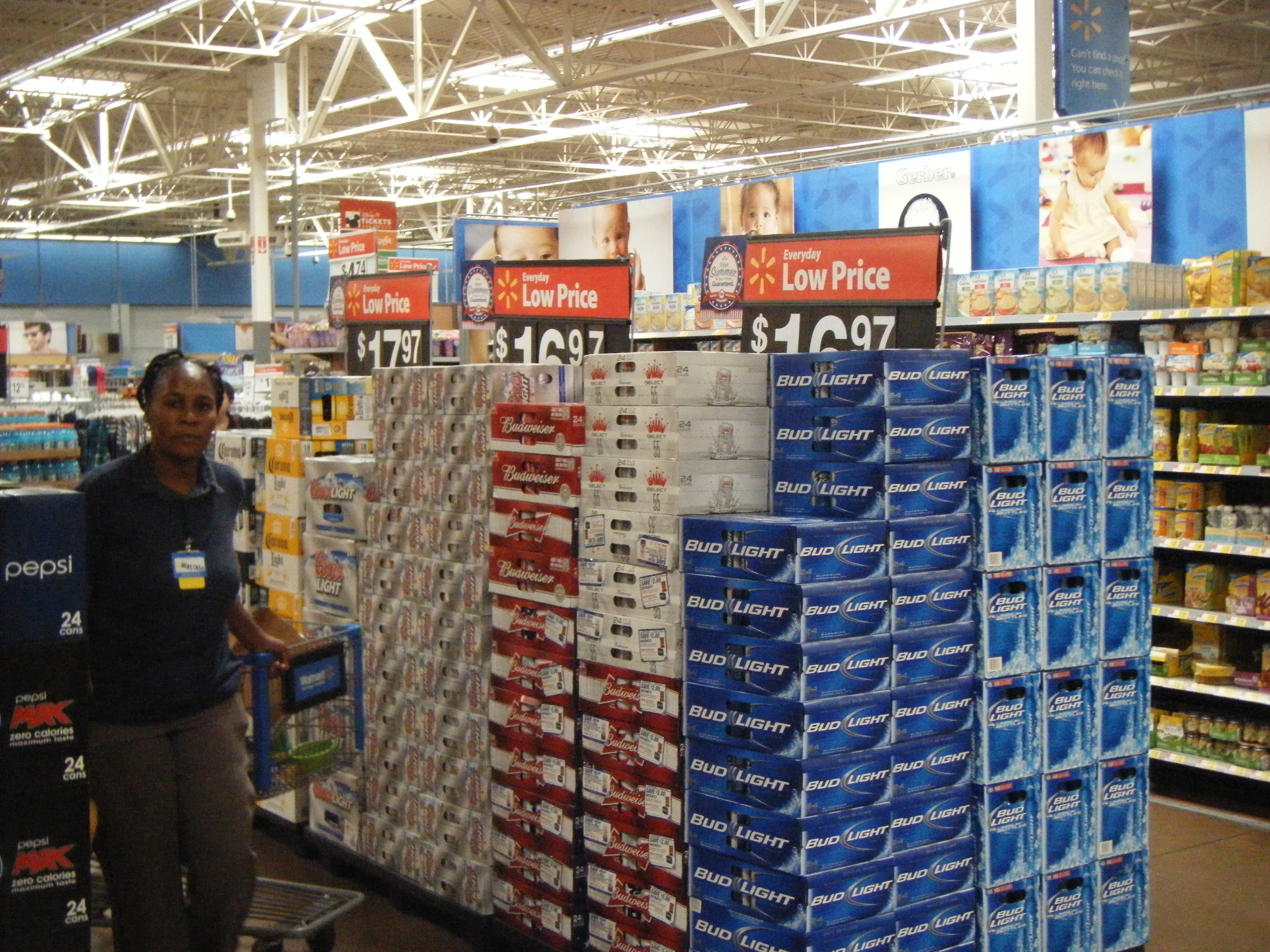
For those looking to purchase beer for off-premise consumption—meaning buying it from a grocery store, convenience store, liquor store, or package store to drink elsewhere—the state of Florida generally permits sales from 7:00 AM to 12:00 AM (midnight). This broad stroke covers most of the state on weekdays and Saturdays. These regulations apply to all types of alcoholic beverages, including beer, wine, and spirits, when sold in a packaged format.
However, it’s crucial to understand that this 7:00 AM to midnight window is merely the default state regulation. It serves as a baseline from which local governments can — and frequently do — deviate. These deviations are where the complexity truly begins, often reflecting the unique character and priorities of individual communities. Some areas might extend these hours, while others might restrict them, particularly on certain days.
On-Premise Consumption Rules
When it comes to purchasing beer for on-premise consumption—think bars, restaurants, pubs, and nightclubs—the state also provides a general guideline. Typically, establishments licensed to serve alcohol can do so from 7:00 AM until 2:00 AM. This extended window acknowledges the nature of entertainment venues and the social aspect of dining and nightlife.
Again, like packaged sales, this 7:00 AM to 2:00 AM timeframe is subject to local interpretation and modification. Many of Florida’s bustling entertainment districts, especially in major tourist hubs, push these boundaries significantly, allowing for later last calls that cater to a vibrant nightlife economy. Conversely, some smaller, more conservative communities might impose earlier closing times, even for on-premise sales. This distinction between off-premise and on-premise sales hours is a vital point of differentiation that visitors should be aware of.
Navigating Local Ordinances: Where Things Get Specific
The true challenge and fascination of Florida’s alcohol laws lie in their hyper-local nature. What’s perfectly legal in one city might be prohibited just a few miles down the road in another county. Understanding these local ordinances is paramount, especially for tourists who might travel between different jurisdictions during their stay.
Early Birds and Night Owls: Varying Start and End Times
Many counties and cities across Florida have exercised their right to set their own alcohol sales hours, deviating from the state’s 7:00 AM to midnight (off-premise) and 7:00 AM to 2:00 AM (on-premise) standards. For instance, some municipalities might allow packaged beer sales to begin as early as 6:00 AM, catering to those who might be stocking up for fishing trips or early tailgating events. On the other end of the spectrum, some areas have extended on-premise sales well past 2:00 AM, with 4:00 AM last calls being common in major nightlife destinations.
These variations are often a reflection of local culture, economic priorities, and community values. A quiet residential town might prioritize peace and quiet, leading to earlier cutoffs, while a bustling tourist hub thrives on extended entertainment hours. The key takeaway here is to never assume the state-wide rule applies everywhere; always be prepared for local variations.
The “Blue Laws” Legacy: Sunday Sales
Historically, “blue laws” or “Sunday closing laws” significantly restricted or outright prohibited certain activities, including alcohol sales, on Sundays. While many of these laws have been repealed or relaxed over the years, their legacy persists, particularly in alcohol sales. In Florida, Sunday sales often present the most common deviation from weekday hours.
Many counties and cities maintain a later start time for Sunday alcohol sales, often pushing the commencement of sales to 11:00 AM or even 12:00 PM (noon) for both packaged and on-premise consumption. This delay is a direct remnant of blue laws, intended to differentiate Sunday from other days of the week. However, an increasing number of localities, recognizing the economic impact and changing social norms, have moved to align Sunday sales hours with those of weekdays, allowing for 7:00 AM sales even on Sundays. It is this specific Sunday regulation that often catches visitors off guard, especially if they are accustomed to unrestricted Sunday purchases in their home states.
Dry Zones and Special Districts
While less common than in some other states, Florida can also have specific “dry zones” or special districts where alcohol sales are further restricted or prohibited. These are often small, localized areas, such as those immediately surrounding schools, churches, or specific community centers. Additionally, certain events or public spaces might temporarily prohibit alcohol consumption or sales without a special permit. While not usually impacting large commercial areas, it’s a detail worth being aware of, particularly if you are attending a specific event or visiting a lesser-known locale.
A Closer Look at Popular Florida Destinations
To illustrate the diversity of Florida’s alcohol laws, let’s examine some of the state’s most popular destinations and their specific regulations.
Miami and Miami Beach: The 24/7 Myth and Reality
The vibrant, international city of Miami and its iconic counterpart, Miami Beach, are renowned for their bustling nightlife. In Miami-Dade County generally, on-premise alcohol sales are permitted until 5:00 AM in many areas, aligning with its reputation as a party destination. Some specific areas, particularly in Miami Beach’s entertainment districts, even push towards 24-hour on-premise sales or very late cutoffs. However, recent ordinances have introduced restrictions, such as an early 2:00 AM last call for outdoor alcohol sales along Ocean Drive in Miami Beach, demonstrating that even the most liberal areas can see changes.
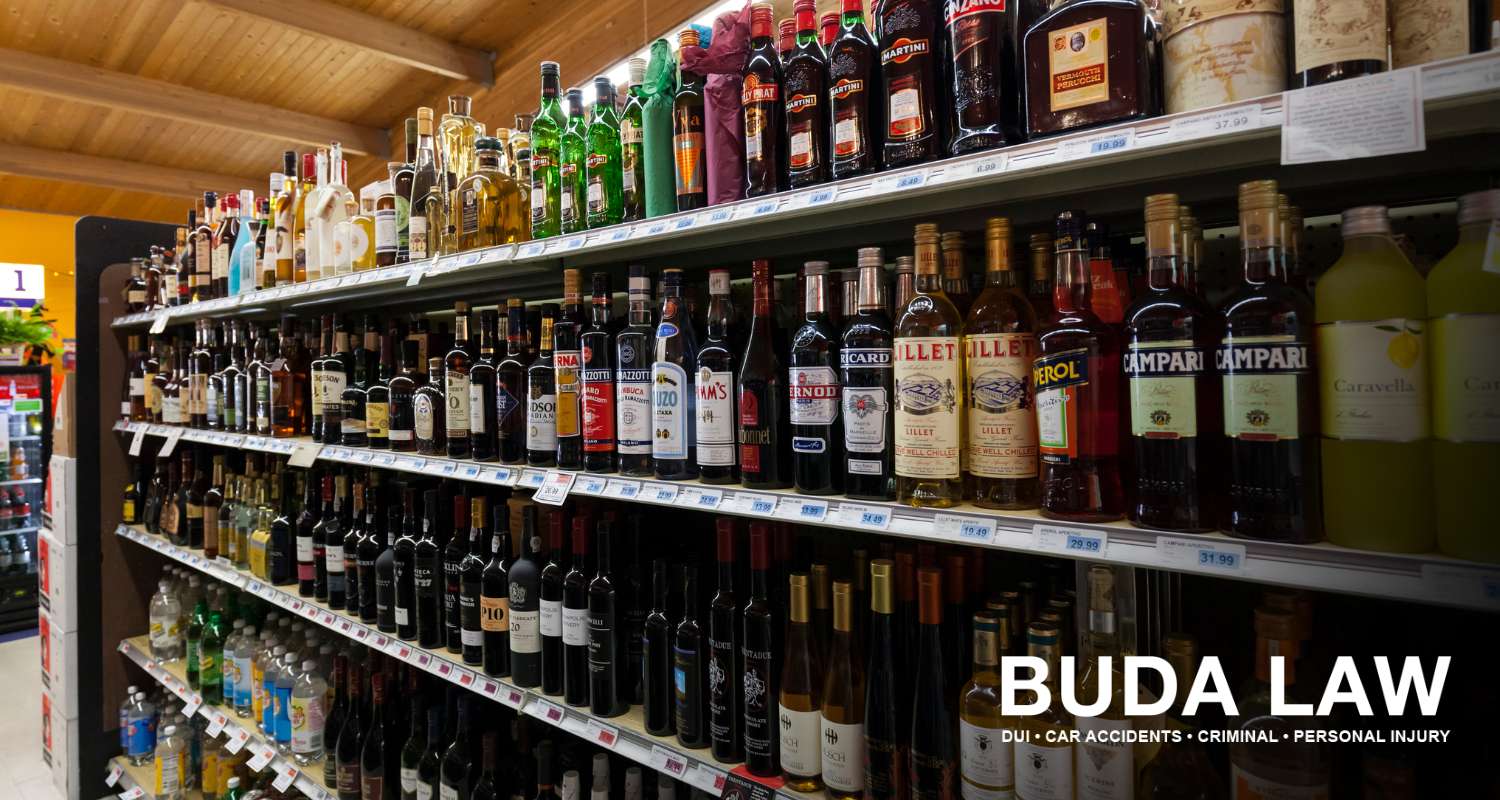
For packaged beer, sales typically start at 8:00 AM in Miami and Miami Beach and usually end at midnight, though some liquor stores may have specific hours. The key takeaway for Miami is its generally extended hours for on-premise consumption, but always double-check specific venue times.
Orlando: Theme Park Hub’s Regulations
Orlando, the theme park capital of the world, attracts families and adults alike. In Orange County, where Orlando is located, the standard hours for packaged alcohol sales are generally from 7:00 AM to 2:00 AM, seven days a week. This more liberal approach, particularly for Sunday sales, reflects the city’s heavy reliance on tourism and the desire to provide convenience for visitors.
On-premise sales in Orlando also typically extend until 2:00 AM, with some establishments in entertainment complexes like Universal CityWalk or Disney Springs adhering to their own specific operating hours, which may sometimes align with the 2:00 AM cut-off.
Tampa and St. Petersburg: Gulf Coast Rules
Across Tampa Bay, the cities of Tampa (in Hillsborough County) and St. Petersburg (in Pinellas County) present another set of rules. For packaged beer sales, both counties generally permit sales from 7:00 AM to 3:00 AM on weekdays and Saturdays. On Sundays, the sales often begin later, typically at 11:00 AM. This extended weekday packaged sales window is a significant departure from the state-wide midnight cutoff.
For on-premise consumption, bars and restaurants in Tampa and St. Petersburg are often allowed to serve until 3:00 AM, which is later than the state’s 2:00 AM standard, particularly benefiting the vibrant nightlife scenes in areas like Ybor City in Tampa or the lively downtown of St. Petersburg.
Key West and the Florida Keys: Island Time Regulations
The laid-back, “island time” vibe of Key West and the wider Florida Keys is often reflected in its alcohol sales. In Monroe County, which encompasses the entire chain of islands, packaged beer sales typically run from 7:00 AM to midnight. However, for on-premise sales, Key West is famously lenient, with many bars on Duval Street and elsewhere serving until 4:00 AM, or even around the clock for some establishments with special licenses. This extended on-premise service contributes significantly to Key West’s legendary nightlife and festive atmosphere.
Jacksonville and Tallahassee: North Florida Perspectives
In North Florida, cities like Jacksonville (in Duval County) and Tallahassee (in Leon County) generally adhere to sales hours that are often more aligned with the state’s default rules, sometimes with slight variations. For instance, in Duval County, packaged sales typically begin at 7:00 AM and end at 2:00 AM on most days, including Sundays, reflecting a somewhat more relaxed Sunday policy than some other areas. On-premise sales also extend until 2:00 AM.
Tallahassee, as the state capital and a major university town, also features hours that cater to its diverse population. Packaged beer sales are generally from 7:00 AM to 12:00 AM (midnight) or 2:00 AM, with on-premise sales extending to 2:00 AM or later in some entertainment zones, especially catering to the student population from Florida State University and Florida A&M University.
Practical Tips for Tourists and Residents
Navigating Florida’s alcohol laws doesn’t have to be a daunting task. With a few practical tips, you can ensure your beer purchases are always smooth and compliant.
Always Check Local Ordinances
The golden rule when it comes to buying beer in Florida is to “check local.” While this guide provides a general overview and specific examples, local laws can change, and exceptions can exist. If you’re planning a trip to a specific city or county, a quick search for “alcohol sales hours [city name] Florida” will usually yield the most up-to-date and accurate information. Local government websites or reputable tourism sites are excellent resources. Alternatively, simply asking a local store clerk or a bartender can also provide immediate clarification.
Distinguishing Between On-Premise and Off-Premise Sales
Always remember the distinction between buying beer for immediate consumption at a bar or restaurant (on-premise) and buying it to take home or to your accommodation (off-premise). The hours for these two types of sales are often different, with on-premise establishments typically having longer serving hours than package stores. Don’t be surprised if a bar is still serving at 3:00 AM, but the nearby convenience store stopped selling packaged beer at midnight.
Age Verification and ID Requirements
Regardless of the time or location, the legal drinking age in Florida is 21. Retailers and servers are very strict about checking identification, and it is common practice to be asked for ID even if you appear to be well over 21. Always carry a valid, government-issued photo ID (driver’s license, state ID card, or passport) when purchasing alcohol. Attempting to purchase alcohol for a minor or using a fake ID carries severe penalties for both the individual and the establishment.
Holiday and Special Event Exceptions
While generally consistent, alcohol sales hours can sometimes be affected by major holidays or special events. For example, some jurisdictions might have relaxed rules for New Year’s Eve, allowing for extended hours, while others might impose specific restrictions. Large-scale events like music festivals or sporting events also often operate under their own specific alcohol permits and rules within the event perimeter. It’s always wise to be mindful of these potential exceptions when planning during holiday periods or attending major public gatherings.
Conclusion
Understanding “What time can I buy beer in Florida?” is less about finding a single answer and more about appreciating the state’s diverse regulatory landscape. While Florida provides a baseline for alcohol sales, the real story unfolds at the county and city levels, where local ordinances significantly shape when and where you can purchase your favorite brew. From the extended party hours of Miami to Orlando’s tourist-friendly consistency, and the unique Sunday rules in various communities, awareness is your best companion.
By remembering the general state-wide guidelines, paying close attention to local specificities, and always having your valid ID ready, you can effortlessly navigate Florida’s alcohol sales environment. This knowledge not only ensures compliance but also enhances your overall experience in the Sunshine State, allowing you to fully enjoy its local culture, vibrant activities, and, of course, a refreshing beer at the appropriate time.
LifeOutOfTheBox is a participant in the Amazon Services LLC Associates Program, an affiliate advertising program designed to provide a means for sites to earn advertising fees by advertising and linking to Amazon.com. Amazon, the Amazon logo, AmazonSupply, and the AmazonSupply logo are trademarks of Amazon.com, Inc. or its affiliates. As an Amazon Associate we earn affiliate commissions from qualifying purchases.