
Yes, Colorado absolutely has a state tax system, which is a crucial aspect for anyone considering a visit, a move, or even setting up a business in the Centennial State. Understanding the various taxes in Colorado — including income, sales, property, and specific tourist-related levies like lodging taxes — is essential for budgeting your travel experiences, assessing the cost of living, or making informed decisions about accommodation and lifestyle choices. While Colorado is often perceived as having a relatively moderate tax burden compared to some other states, its unique combination of flat-rate income tax, varying local sales taxes, and the influential TABOR (Taxpayer’s Bill of Rights) amendment creates a distinct financial landscape that impacts residents, tourists, and businesses alike.
For travelers planning an unforgettable trip to destinations like Denver, Aspen, or Vail, or exploring the natural wonders of Rocky Mountain National Park, taxes will factor into everything from the price of your hotel room and meals to souvenirs and fuel. For those considering a longer stay, retirement, or relocation, understanding Colorado‘s property and income tax structure is paramount to evaluating the overall cost of living. This guide will delve into the specifics of Colorado‘s tax system, highlighting how it affects your travel plans, accommodation choices, and the general lifestyle experience in this vibrant state.
Understanding Colorado’s Core Tax Structure
Colorado‘s tax system is characterized by a blend of statewide regulations and significant local autonomy, particularly when it comes to sales and property taxes. This dual structure means that while statewide rates provide a baseline, the actual financial impact can vary considerably depending on the specific city or county you are in.
The Flat-Rate Income Tax Advantage
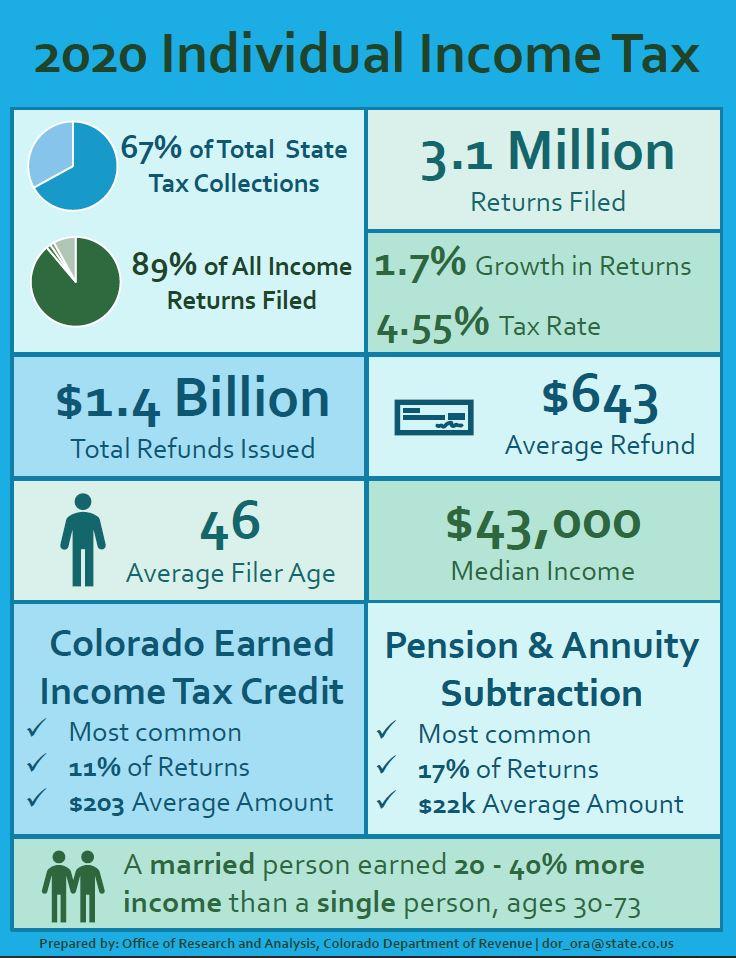
One of the most distinctive features of Colorado‘s tax system is its flat-rate income tax. Unlike many states that employ a progressive income tax system with multiple brackets, Colorado applies a single rate to all taxable income. Currently, the state income tax rate is a flat 4.40%, a reduction from the previous 4.55%, largely influenced by the revenue limitations imposed by TABOR.
This flat rate applies to both individuals and corporations operating within the state. For residents of Colorado, this means all income earned, regardless of its source, is subject to this 4.40% state income tax. Non-residents, on the other hand, are only taxed on income sourced directly from Colorado, such as wages earned from a job within the state or income derived from Colorado-based businesses or properties. This straightforward approach simplifies tax calculations for many, providing a predictable element in financial planning for residents and businesses alike. The stability offered by a flat tax can be particularly appealing for individuals considering a long-term stay or relocation, providing clarity on a significant portion of their financial obligations.
Navigating Sales Taxes Across the Centennial State
While Colorado‘s state sales tax rate of 2.9% appears relatively low, it’s crucial for visitors and residents to understand that this is only one component of the total sales tax burden. The true impact of sales tax is realized when local sales taxes — imposed by cities, counties, and various special districts — are added on top of the state rate. These local additions can dramatically increase the overall sales tax percentage, leading to considerable variations from one locality to another.
For instance, purchasing goods or services in Denver will incur not just the state’s 2.9% sales tax, but also the city’s, county’s, and special district’s rates, which can push the combined sales tax rate to as high as 8.81%. This means that the cost of your retail purchases, restaurant meals, and many other goods and services will be notably higher than just the state rate suggests. This variability is important for travelers to consider when budgeting for their trips, as the cost of daily expenditures can fluctuate significantly based on their chosen destination within the state.
Generally, Colorado sales tax applies to the retail sales of tangible goods and certain services. However, there are notable exemptions designed to ease the burden on consumers, particularly for essential items. Groceries and prescription drugs, for example, are exempt from state sales tax, although some local jurisdictions may apply taxes to these items. For tourists, being aware of these local variations is key to avoiding unexpected costs, whether you’re buying souvenirs in a mountain town or dining out in a bustling city. The cumulative effect of sales taxes on travel expenses can quickly add up, making it a critical factor in planning any trip to the Centennial State.
Taxes Impacting Your Colorado Travel and Stay
When planning a trip to Colorado, beyond the general sales tax, several specific taxes directly impact the cost of your travel, accommodation, and recreational activities. These taxes are often designed to fund local services, improve tourism infrastructure, or manage the unique aspects of Colorado‘s economy and lifestyle.
Lodging Taxes: A Key Consideration for Accommodation
One of the most significant taxes for anyone visiting Colorado is the lodging tax. This tax is levied on short-term stays at hotels, motels, resorts, apartments, and other forms of accommodation. The rate for lodging tax varies considerably by city and county, typically ranging from 2% to 6% on top of the state and local sales taxes. This means the final price you pay for your hotel room can be significantly higher than the advertised nightly rate.
For example, a stay in Denver can incur a lodging tax of 10.75%, while a luxury resort experience in Aspen might come with a lodging tax of 10.4%. If you’re hitting the slopes in Vail, you could be looking at a lodging tax of around 9.8%. These percentages are applied to the room rate before any additional fees or other taxes, underscoring the importance of checking the total cost when booking your accommodation. These taxes directly contribute to the local economies, often funding tourism promotion, infrastructure improvements, and general municipal services that enhance the visitor experience. For budget-conscious travelers or those considering extended stays, factoring in these lodging taxes is crucial for accurate financial planning, as they can represent a substantial portion of your overall accommodation expenses. Always compare the total price, including all taxes and fees, when making booking decisions to get a clear picture of your investment.
The Role of Fuel Taxes in Exploring Colorado’s Landscapes
For travelers planning scenic road trips through Colorado‘s breathtaking landscapes, exploring its numerous national parks, or simply driving between cities, fuel taxes are another important consideration. Colorado levies a fuel tax of 22 cents per gallon on both gasoline and diesel. While this might seem like a small amount per gallon, it can add up over a long journey across the expansive state.
These fuel taxes play a vital role in maintaining and improving Colorado‘s transportation infrastructure, including highways, roads, and bridges. A well-maintained road network is essential for both residents and the millions of tourists who flock to the state annually, enabling access to popular attractions, ski resorts, and hiking trails. For those embarking on a journey to Rocky Mountain National Park or driving the historic Trail Ridge Road, the fuel tax ensures that the pathways to these iconic destinations are safe and accessible. While not directly a “traveler’s tax” in the same way lodging taxes are, it’s an indirect cost that impacts the overall budget for exploring Colorado by car, especially for those who plan extensive driving itineraries.
Unique Taxes: Marijuana and Natural Resources
Colorado‘s pioneering stance on recreational cannabis has introduced unique tax streams that contribute significantly to the state’s revenue. The legal marijuana industry is subject to specific taxation: a 15% state excise tax on the wholesale transfer of recreational marijuana from cultivators to retailers, and an additional 15% state sales tax on retail marijuana sales, which is applied on top of the standard state and local sales taxes. This means that purchasing recreational cannabis in Colorado involves a substantially higher tax burden than most other retail goods. These taxes fund a variety of public services, including school construction, youth education, and public health initiatives. For visitors interested in this aspect of Colorado‘s lifestyle, understanding these taxes is key to budgeting for their purchases.

Beyond consumer-focused taxes, Colorado also imposes a severance tax on the extraction of nonrenewable natural resources, such as oil, natural gas, and various minerals. This tax is designed to compensate the state for the depletion of its natural assets and contributes to funding environmental protection, conservation efforts, and local government services in communities impacted by resource extraction. While this tax doesn’t directly affect tourists, it’s an important part of Colorado‘s broader fiscal landscape, supporting the environmental quality and natural beauty that draw so many visitors to the state.
Property Taxes and the Cost of Living in Colorado
For those considering a longer stay, investment in real estate, or relocation to Colorado, understanding the state’s property tax system is fundamental. Unlike income and sales taxes, property taxes are primarily administered and collected at the local level, making them highly variable across different counties, cities, and school districts within the state.
How Property Taxes are Structured and Collected
Colorado‘s property tax system begins with the state setting assessment rates for different types of property. Residential properties, for example, are assessed at a significantly lower percentage of their actual market value compared to commercial properties. As of recent adjustments, residential properties are assessed at 6.95% of their actual value, a rate that the state legislature can adjust annually. Commercial properties, on the other hand, are assessed at a much higher 29% of their actual value. This distinction is critical for both homeowners and businesses, including those operating hotels, resorts, and other accommodation facilities, as it directly impacts their tax liability.
Once the actual value of a property is determined and the assessment rate is applied, the “assessed value” is then used to calculate the final tax bill. This calculation involves the “mill levy,” a rate set by local governments (counties, cities, school districts, fire districts, etc.) to fund their specific services. A mill levy is expressed as dollars per $1,000 of assessed value. The formula for calculating property tax is: (Assessed Value x Mill Levy) / 1000.
This local control over the mill levy means that even two properties of similar value could have vastly different tax bills if they are located in different jurisdictions with varying service needs and spending priorities. The TABOR amendment also plays a role here, as it limits the growth of local government revenue from property taxes, often requiring voter approval for significant increases. For individuals or businesses looking to invest in property or establish a long-term presence in Colorado, researching the specific mill levies and assessment practices of their desired locality is an indispensable step. Understanding these nuances is crucial for budgeting the true cost of ownership and for comparing different locations for accommodation or business ventures.
Relief Programs and Their Impact
To mitigate the property tax burden for specific groups, Colorado offers several relief programs. These initiatives are designed to assist qualifying residents and are not typically available to non-resident property owners or commercial entities.
One prominent example is the Senior Homestead Exemption, which allows qualifying seniors (typically those 65 and older who have owned and occupied their home for at least 10 consecutive years) to exempt a portion of their home’s actual value from property taxation. This program significantly reduces the tax bill for eligible seniors, contributing to their ability to age in place and maintain their lifestyle in Colorado.
Similarly, the Disabled Veteran Exemption provides relief to qualifying disabled veterans. Veterans who are 100% permanently and totally disabled as a result of service-related injuries, and who have owned and occupied their home as their primary residence, can also exempt a portion of their home’s actual value from property taxes. Both these exemptions demonstrate Colorado‘s commitment to supporting its long-term residents and those who have served the country. However, it’s important to note that these exemptions have specific eligibility criteria and require application, highlighting that property tax relief is targeted and not universally applied. These programs underscore the state’s efforts to balance revenue generation with social support for its resident population.
The Broader Impact: Why Colorado’s Tax System Matters to You
Colorado‘s tax system, with its combination of statewide rates and significant local variations, impacts nearly every facet of life and travel in the state. Understanding these dynamics is crucial for making informed decisions, whether you’re planning a short vacation or considering a permanent move.
For Travelers and Tourists
For those visiting Colorado as a tourist, the tax system directly affects your budget. Sales taxes will add to the cost of your meals, souvenirs, and retail purchases. Lodging taxes will increase the price of your hotel stays, potentially making a significant difference in your overall trip expenses, especially for longer vacations or stays in high-demand areas like Aspen or Vail. Fuel taxes will be a factor if you plan on exploring the state’s scenic byways and national parks by car. By factoring these taxes into your travel budget, you can avoid unexpected costs and ensure a smoother, more enjoyable experience exploring Colorado‘s diverse attractions and experiences. Moreover, the revenue generated by these taxes often contributes to the maintenance and enhancement of public services, infrastructure, and tourist facilities, ultimately improving the quality of your visit.

For Residents and Long-Term Visitors
For individuals considering a move to Colorado or those planning an extended stay, the state’s tax structure directly influences the cost of living and overall lifestyle. The flat income tax rate provides predictability for earners, while property taxes, though locally administered, are a significant ongoing expense for homeowners. The variability in local sales taxes can also affect daily expenditures. Colorado‘s commitment to funding education, public safety, and maintaining its extensive park systems and natural resources through tax revenue contributes directly to the quality of life enjoyed by its residents. Understanding the interplay of these taxes is vital for financial planning, whether you’re buying a home, planning for retirement, or evaluating the long-term affordability of living in the Centennial State.
For Businesses and Investors (especially in Hospitality/Tourism)
Businesses operating in Colorado, particularly those in the hospitality and tourism sectors like hotels, resorts, and restaurants, are directly impacted by the tax environment. Corporate income tax, local sales taxes on their goods and services, and property taxes on their commercial real estate are all significant factors in their operational costs and pricing strategies. The lodging tax, specifically, is a direct revenue stream for local governments, often earmarking funds for tourism promotion and infrastructure. Investors looking at commercial properties or new ventures in Colorado must meticulously analyze these tax implications, as they directly influence profitability, competitiveness, and the overall business environment. The state’s tax policies can shape the attractiveness of Colorado as a place to invest in new accommodations or expand existing travel and tourism services.
Colorado’s Fiscal Philosophy: The TABOR Effect
No discussion of Colorado‘s tax system is complete without emphasizing the profound influence of the TABOR amendment. Enacted in 1992, TABOR is unique in the nation, embedding strict limits on government spending and requiring voter approval for any tax increases. It also mandates that any state revenue collected above a certain inflation-adjusted growth rate must be refunded to taxpayers. This constitutional amendment has fundamentally shaped Colorado‘s fiscal policy, keeping tax rates relatively moderate and requiring a high degree of accountability from state and local governments.
While TABOR has ensured fiscal conservatism and provided taxpayers with a direct say in tax policy, it has also presented challenges for funding public services, particularly during periods of economic growth. Its enduring presence means that any significant changes to Colorado‘s tax structure, or increases in public spending, almost invariably require public consensus. This makes Colorado a state where fiscal responsibility is deeply ingrained in its governance, influencing everything from road maintenance to the funding of cultural landmarks like the Denver Botanic Gardens.
In conclusion, while the answer to “Does Colorado have state tax?” is a clear yes, the full picture is far more nuanced. From the predictable flat-rate income tax to the highly localized sales and property taxes, and the specialized levies like lodging and marijuana taxes, Colorado‘s system is complex. Its unique combination of state and local controls, coupled with the pervasive influence of TABOR, creates a distinct financial ecosystem. Whether you’re planning a trip to its majestic mountains, considering a new home, or looking to invest in its burgeoning economy, understanding these tax elements is key to navigating the costs and enjoying all that the Centennial State has to offer. Always remember to check specific local tax rates for your chosen destination, as these can significantly impact your overall expenses.
LifeOutOfTheBox is a participant in the Amazon Services LLC Associates Program, an affiliate advertising program designed to provide a means for sites to earn advertising fees by advertising and linking to Amazon.com. Amazon, the Amazon logo, AmazonSupply, and the AmazonSupply logo are trademarks of Amazon.com, Inc. or its affiliates. As an Amazon Associate we earn affiliate commissions from qualifying purchases.