
Navigating the daily rhythm of life in Florida often involves understanding its unique blend of vibrant culture, diverse communities, and, for many families, the intricacies of the public education system. A question that frequently arises for both long-time residents and those considering a move to the Sunshine State is: “What time does high school start in Florida?” While seemingly straightforward, the answer reflects a complex interplay of state legislation, local district autonomy, adolescent biology, and the daily logistical challenges faced by families. This article delves into the evolving landscape of high school start times in Florida, exploring its implications for student well-being, family life, and community dynamics, offering an insightful perspective for anyone whose lifestyle is shaped by the school bell.
The Evolving Landscape of Florida High School Start Times
For decades, early high school start times were the norm across the United States, including Florida. The rationale often revolved around transportation efficiency, allowing buses to run multiple routes for different school levels, and enabling high school students to finish earlier for after-school jobs or sports. However, a growing body of scientific evidence has illuminated the significant health and academic disadvantages associated with these early bells, particularly for adolescents. Teenagers’ biological clocks naturally shift later during puberty, making it difficult for them to fall asleep before 11:00 PM and wake up early. This mismatch between biology and school schedules has led to chronic sleep deprivation among high school students, a public health concern with wide-ranging consequences.
State-Level Directives and Local Control
Historically, school start times in Florida were largely determined at the local school district level. This meant significant variations could exist from one county to another, or even within different schools in the same district. While the Florida Department of Education provided guidance on instructional hours, the specifics of daily schedules were a matter of local governance, allowing districts to tailor times based on community needs, transportation logistics, and available resources.
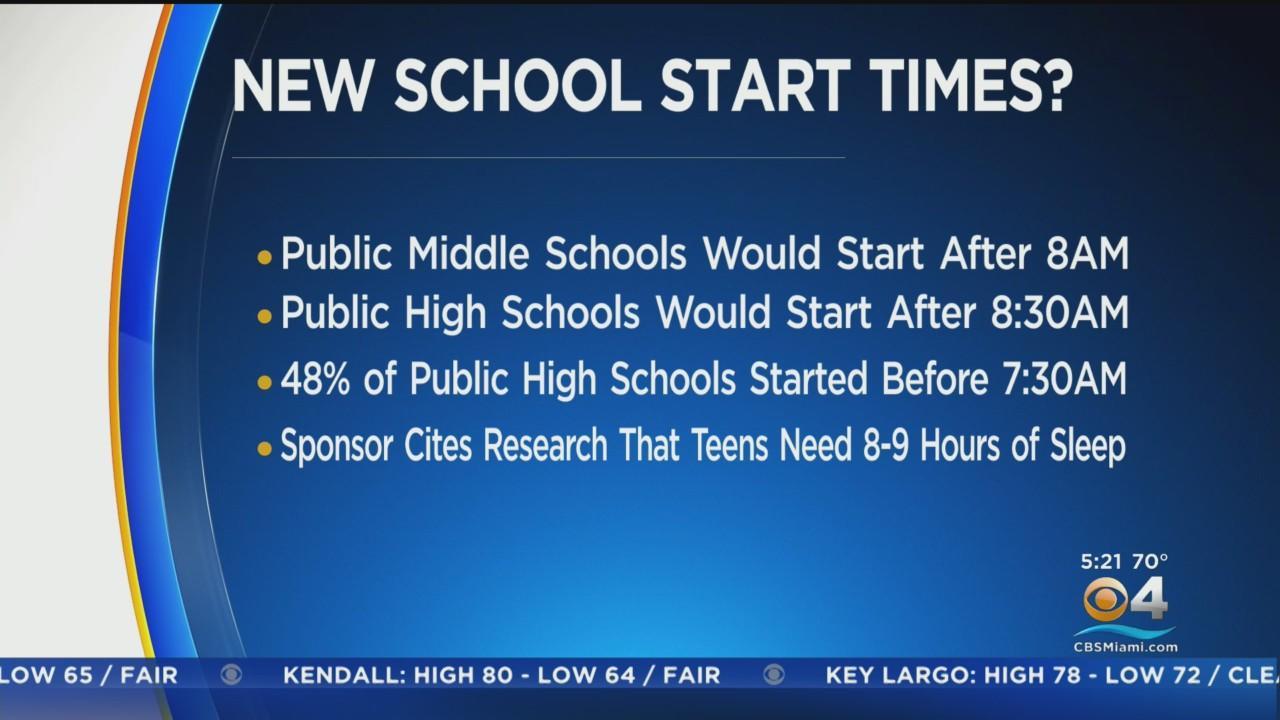
However, the conversation around adolescent sleep and academic performance gained significant traction in recent years, leading to a pivotal legislative change. In 2023, Florida passed HB 1073, a groundbreaking bill that mandates later start times for middle and high schools across the state. This legislation, signed into law, requires middle schools to begin no earlier than 8:00 AM and high schools no earlier than 8:30 AM. This marks a significant shift, moving the decision-making from purely local discretion to a statewide mandate, aiming to align school schedules more closely with adolescent sleep patterns. The law provides districts with a grace period, coming into full effect by the 2026-2027 school year, allowing time for comprehensive planning and adjustment.
District-Specific Variations and Implementation
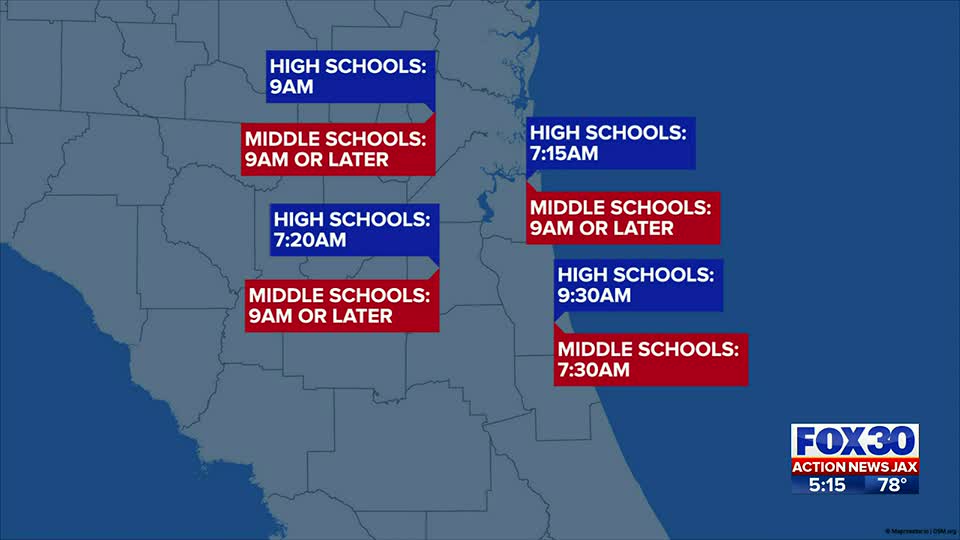
Even with a state mandate, the implementation of HB 1073 will still necessitate district-specific planning, and some variations will naturally persist. Before the statewide mandate, districts like Miami-Dade County Public Schools, Orange County Public Schools, and Broward County Public Schools had diverse start times. Some schools began as early as 7:15 AM, while others were closer to 7:30 AM or 7:45 AM. For example, a high school in Orlando might have had a different start time than one in Tampa or Jacksonville.
With HB 1073, all high schools in districts such as Hillsborough County Public Schools, Duval County Public Schools, Seminole County Public Schools, Pinellas County Public Schools, Leon County Schools, Sarasota County Schools, and the Palm Beach County School District will need to adjust to the 8:30 AM or later minimum. This uniformity in mandated earliest start times will bring a new sense of predictability, though slight differences in exact start times (e.g., 8:30 AM vs. 8:45 AM or 9:00 AM) will still allow for local flexibility in scheduling, bell configuration, and the length of the school day. Families relocating to Florida or moving within the state should always consult the specific school district’s official calendar for the most accurate and up-to-date information regarding their child’s school schedule.
The Profound Impact of Later Start Times on Adolescent Lifestyle
The shift to later high school start times in Florida is not merely a bureaucratic adjustment; it represents a significant lifestyle change for hundreds of thousands of students and their families. This decision is rooted in extensive research highlighting the critical role of sleep in adolescent development, academic achievement, and overall well-being.
Benefits for Student Health and Academic Performance
Leading health organizations, including the Centers for Disease Control and Prevention (CDC) and the American Academy of Pediatrics (AAP), have long advocated for later start times, recommending that high schools begin no earlier than 8:30 AM. They cite compelling evidence that later starts lead to:

- Increased Sleep Duration: The most direct benefit is that students get more sleep, helping to mitigate the chronic sleep deprivation prevalent among teenagers.
- Improved Physical Health: Adequate sleep is linked to a lower risk of obesity, diabetes, and other health issues. It also reduces drowsy driving incidents among teen drivers.
- Enhanced Mental Health: Sleep deprivation can exacerbate mental health challenges such as depression and anxiety. More sleep can contribute to better emotional regulation and reduced stress.
- Better Academic Outcomes: Well-rested students demonstrate improved concentration, problem-solving skills, memory retention, and overall academic performance. They are more alert in morning classes and may experience fewer absences.
- Reduced Behavioral Issues: Sleep deprivation can lead to irritability and behavioral problems. More sleep can foster a more positive learning environment and reduce conflicts.
For families, particularly those with teenagers attending schools in cities like Gainesville or Tallahassee where early starts were common, this shift offers a profound improvement in their child’s daily routine, potentially alleviating the morning rush and creating a more harmonious home environment.
Logistical Adjustments for Families
While the benefits for students are clear, the transition to later start times is not without its challenges for families and the wider community. These logistical hurdles require thoughtful planning and adaptation:
- Parental Work Schedules: Many parents’ work schedules are fixed, often requiring them to be at their jobs by 8:00 AM or earlier. A later school start means that parents may need to find alternative childcare for younger siblings, adjust their own work hours, or arrange for new drop-off arrangements for high schoolers.
- Transportation Dynamics: School bus schedules are typically optimized for staggered start times across elementary, middle, and high schools. Shifting high school start times can necessitate a complete overhaul of bus routes, potentially impacting the schedules of younger students or increasing transportation costs. For student drivers, later start times might affect their ability to attend before-school activities or arrive early for parking.
- After-School Activities and Employment: A later start time also means a later end to the school day. This can compress the window for after-school sports, clubs, tutoring, and part-time jobs. Student-athletes might have less daylight for practice, particularly in winter months, and those with jobs might find fewer available shifts or have to adjust their work commitments. This impacts both student independence and family finances for those relying on teen earnings.
- Community Engagement: The entire community feels the ripple effect. Local businesses that employ high school students, recreational leagues, and community centers offering after-school programs must all adapt their schedules to accommodate the new school hours.
Navigating the Change: Tips for Florida Families
For families in Florida, especially those new to the state or those whose children will be affected by HB 1073, understanding and preparing for these changes is key to a smooth transition.
Researching Your Specific District and School
The first and most crucial step is to directly consult your local school district’s official website and your child’s specific high school. While the state mandate sets an earliest start time, the exact bell schedule can still vary. For instance, if you live in Miami or Tampa, you’ll want to check the websites for Miami-Dade County Public Schools or Hillsborough County Public Schools respectively. Look for “bell schedules,” “academic calendars,” or “transportation information.” Many districts conduct community surveys and public meetings before finalizing new schedules, offering opportunities for input.
Adapting Family Routines and Logistics
Once the new schedule is known, families can proactively adjust their lifestyle:
- Rethink Morning Routines: With a later start, consider whether the extra morning time can be used for a more relaxed breakfast, light exercise, or additional sleep. This might mean adjusting wake-up times gradually to help adolescents align their body clocks.
- Communicate with Employers: If later start times create conflicts with parental work schedules, open communication with employers about flexible hours or remote work options may be beneficial.
- Plan After-School Activities: Evaluate how extracurriculars and jobs fit into the new schedule. This might involve talking to coaches, club advisors, or employers about adjusted hours or commitments. For students involved in multiple activities, careful prioritization might be necessary.
- Explore Transportation Options: Understand the revised bus schedules. If busing is no longer feasible, explore carpooling with other families or consider alternative transport arrangements.
- Prioritize Sleep Hygiene: Regardless of the start time, promoting good sleep hygiene remains vital. Encourage a consistent bedtime and wake-up schedule (even on weekends), a dark and cool bedroom, and limiting screen time before bed.
The Long-Term Vision for Florida Education and Lifestyle
The decision to mandate later high school start times in Florida is a bold step, positioning the state at the forefront of a national movement to align educational practices with adolescent developmental needs. While the immediate implementation period will undoubtedly present challenges, the long-term vision is one where Florida students are better rested, healthier, and more engaged in their learning. This legislative change reflects an insightful understanding that school schedules are not just about education, but fundamentally about the lifestyle, health, and future success of young people. As families across the state adapt, the hope is that this adjustment will cultivate a generation of Florida high schoolers who are not only academically proficient but also thriving in their overall well-being.
LifeOutOfTheBox is a participant in the Amazon Services LLC Associates Program, an affiliate advertising program designed to provide a means for sites to earn advertising fees by advertising and linking to Amazon.com. Amazon, the Amazon logo, AmazonSupply, and the AmazonSupply logo are trademarks of Amazon.com, Inc. or its affiliates. As an Amazon Associate we earn affiliate commissions from qualifying purchases.