
For anyone planning a trip, conducting business, or simply curious about life in the vibrant Magic City, knowing the current time in Miami, Florida, is a fundamental piece of information. Far more than a mere numerical display, understanding Miami’s time zone provides crucial context for seamless travel planning, effective communication, and a truly immersive experience. As a global hub for tourism, commerce, and culture, Miami’s schedule directly impacts everything from flight arrivals and hotel check-ins to dining reservations and the timing of its legendary nightlife. This guide delves into Miami’s time zone intricacies, explaining its practical implications for travelers and offering insights to optimize your visit to this captivating Florida destination.

Understanding Miami’s Time Zone: Eastern Time Explained
At any given moment, Miami, Florida, operates within the Eastern Time Zone. This classification is vital for both domestic and international travelers, as it dictates how Miami’s clock aligns with other regions across the globe. The Eastern Time Zone, often abbreviated as ET, covers a significant portion of the eastern United States and Canada, as well as some parts of the Caribbean and South America. It is one of the four primary time zones observed in the continental United States.
Eastern Standard Time (EST) / Eastern Daylight Time (EDT) Explained
The Eastern Time Zone observes two distinct phases throughout the year: Eastern Standard Time (EST) and Eastern Daylight Time (EDT).
- Eastern Standard Time (EST): This is the baseline time, observed during the colder months, typically from early November to mid-March. EST is UTC-5, meaning it is five hours behind Coordinated Universal Time.
- Eastern Daylight Time (EDT): During the warmer months, generally from mid-March to early November, Miami switches to Eastern Daylight Time. This is UTC-4, meaning the clocks are moved forward by one hour relative to EST. The purpose of Daylight Saving Time is to make better use of daylight, shifting an hour of daylight from the morning to the evening.
Travelers should always be aware of whether EST or EDT is in effect, as this shift can impact flight schedules, tour timings, and even digital communications. Most modern devices automatically adjust for Daylight Saving Time, but it’s always prudent to double-check, especially when making critical travel arrangements.
The Impact of Daylight Saving on Your Miami Trip
The transition to and from Daylight Saving Time can subtly yet significantly affect a traveler’s experience. If you arrive in Miami around the spring forward or fall back dates, you might experience an unexpected hour’s difference.
- Spring Forward (March): Clocks move forward by one hour. This means you “lose” an hour of sleep or an hour from your arrival day if you’re traveling eastward, potentially leading to increased jet lag if not anticipated.
- Fall Back (November): Clocks move backward by one hour. This means you “gain” an hour, which can be a welcome bonus for sleep or an extra hour to explore if you’re traveling westward.
Understanding this annual shift is key to avoiding missed appointments, delayed departures, or simply feeling out of sync with local rhythms during your stay.
Why Knowing the Time Matters for Travelers
For any visitor to Miami, the clock is a silent but powerful guide that orchestrates the entire travel experience. From the moment you book your flight to the minute you depart, time influences every decision and interaction. A firm grasp of Miami’s time zone and its current status is not just a detail; it’s a strategic advantage for a smooth and enjoyable journey.
Planning Your Itinerary and Activities
Miami offers a wealth of activities, from sunbathing on South Beach to exploring the vibrant street art of Wynwood Walls. Every attraction, tour, and event adheres to a specific schedule.
- Booking Tours and Excursions: Many popular tours, such as airboat rides in the Everglades National Park or boat cruises around Biscayne Bay, have fixed departure times. Booking these in advance requires an accurate understanding of local time.
- Museum and Attraction Hours: Cultural institutions like the Perez Art Museum Miami or the Phillip and Patricia Frost Museum of Science have opening and closing times that must be factored into your daily plans.
- Dining Reservations: Miami’s culinary scene is world-class, with many top restaurants requiring reservations. Ensuring you book for the correct local time is essential to secure your spot and avoid disappointment.
Accurate time-keeping allows travelers to build a realistic and enjoyable itinerary, maximizing their exploration without feeling rushed or missing out on desired experiences.
Coordinating with Local Businesses and Services
Beyond tourist attractions, your interaction with various local services and businesses will be dictated by Miami’s local time.
- Hotel Check-in/Check-out: Hotels strictly adhere to check-in and check-out times. Arriving too early or departing too late without prior arrangements can lead to additional fees or delays.
- Transportation: Public transport schedules, ride-share availability, and taxi services all operate on local time. Understanding peak hours and service windows is crucial for efficient travel within the city.
- Appointments and Meetings: If your trip involves business meetings, spa appointments, or any other scheduled service, precise time coordination is paramount. Miscalculating the time could lead to missed opportunities or professional faux pas.
Managing Jet Lag and Travel Wellness
Traveling across multiple time zones can induce jet lag, a temporary sleep disorder that can significantly impact your enjoyment. Knowing the exact time difference between your origin and Miami is the first step in combating it.
- Pre-empting Jet Lag: By gradually adjusting your sleep schedule a few days before departure, or immediately adopting Miami time upon arrival, you can minimize the effects of jet lag.
- Scheduling Activities: Plan less strenuous activities for your first day to allow your body to acclimate. Understanding the local time helps you decide when to eat, sleep, and expose yourself to natural light to reset your circadian rhythm.
- Communication with Home: Being aware of the time difference helps you communicate with family and friends back home without disturbing their sleep or interrupting their day, ensuring a considerate connection.
Miami Time Across the Globe: A Traveler’s Perspective
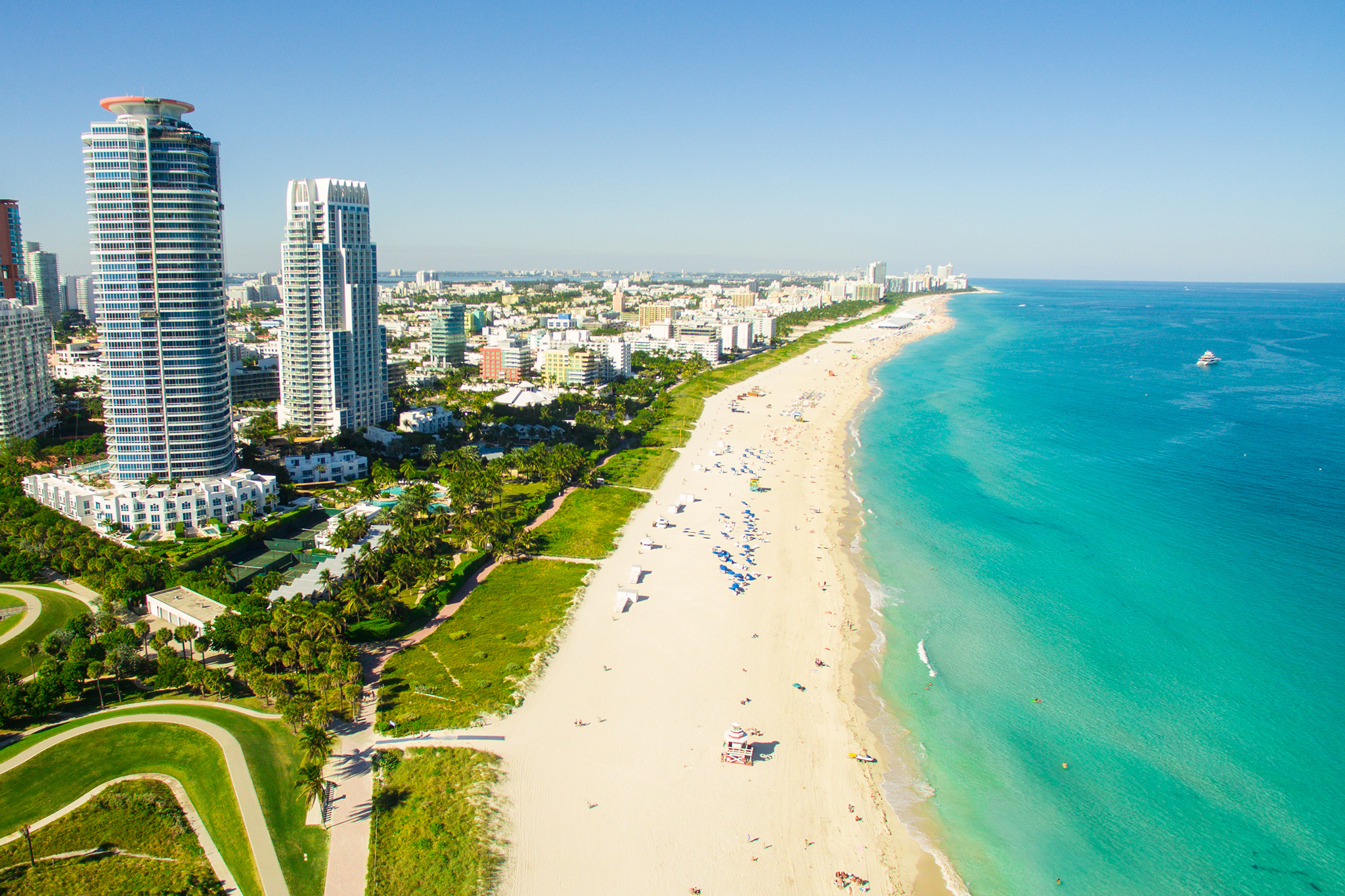
For the international traveler, or anyone connecting to Miami from a distant time zone, understanding the precise difference is critical. The world is divided into 24 primary time zones, and Miami’s position within the Eastern Time Zone (UTC-5 or UTC-4) makes it either ahead of or behind many other major global cities.
Comparing Time Differences with Major Cities
A quick comparison illustrates the variance:
- West Coast United States: Los Angeles (Pacific Time, UTC-8/UTC-7) is 3 hours behind Miami. So, if it’s 12:00 PM in Miami, it’s 9:00 AM in Los Angeles.
- Central United States: Chicago (Central Time, UTC-6/UTC-5) is 1 hour behind Miami.
- Europe: London (GMT/BST, UTC+0/UTC+1) is typically 5 hours ahead of Miami (when both are on Daylight Saving). If it’s 12:00 PM in Miami, it’s 5:00 PM in London. Paris (CET/CEST, UTC+1/UTC+2) is usually 6 hours ahead.
- Asia: Tokyo (JST, UTC+9) is typically 13 hours ahead of Miami (during EDT). When it’s 12:00 PM on Monday in Miami, it’s 1:00 AM on Tuesday in Tokyo.
These differences highlight the importance of consulting a reliable time zone converter when planning international calls, online meetings, or managing expectations for digital communication.
Tools and Tips for Time Zone Conversion
Modern technology has made time zone conversion incredibly straightforward:
- Smartphone World Clocks: Most smartphones have a built-in “World Clock” feature that allows you to add multiple cities and instantly see the current time in each.
- Online Time Converters: Websites like Time and Date or WorldTimeServer offer comprehensive time zone conversion tools. Simply input your current location and Miami to get the precise difference.
- Smartwatches and Travel Apps: Many travel-focused apps and smartwatches integrate time zone features, automatically adjusting as you travel or allowing for quick manual checks.
Making the Most of Your Miami Visit: Time-Sensitive Activities
Beyond the practicalities, understanding Miami time allows you to truly immerse yourself in the city’s rhythms and enjoy its time-sensitive highlights. Miami thrives on its unique schedule, and aligning your plans with local timing can enhance your experience significantly.
Best Times for South Beach and Art Deco District Exploration
South Beach and the historic Art Deco District are iconic Miami experiences, each best enjoyed at specific times.
- Morning Serenity: For a peaceful stroll or an early swim, hitting South Beach before 10:00 AM (local time) allows you to enjoy the tranquility before the crowds arrive. Similarly, an early morning walk through the Art Deco District offers excellent photo opportunities with softer light and fewer people.
- Afternoon Buzz: From late morning through the afternoon, Ocean Drive buzzes with energy. This is the prime time for people-watching, grabbing lunch at a sidewalk cafe, and soaking in the lively atmosphere.
- Evening Glamour: As dusk approaches, the Art Deco District transforms. The neon lights illuminate the pastel buildings, creating a magical ambiance perfect for an evening stroll, dinner, or a cocktail.
Dining and Nightlife Schedules
Miami’s dining and nightlife scenes are notoriously vibrant, but they operate on a distinct schedule.
- Late Dinners: Unlike some regions, dinner in Miami often starts later. Reservations at 8:00 PM or 9:00 PM are common, especially in popular neighborhoods like Brickell or South Beach.
- Nightlife Peaks: Bars and clubs typically come alive after 10:00 PM, with the peak hours often extending well past midnight, especially on weekends. Neighborhoods like Wynwood and Little Havana offer diverse evening experiences that often start later in the local evening.
- Happy Hours: Many establishments offer happy hour specials in the late afternoon, typically between 4:00 PM and 7:00 PM, which can be an excellent way to enjoy the city’s culinary offerings at a better value.
Early Bird and Sunset Experiences
Time your activities to align with Miami’s natural beauty for unforgettable moments.
- Sunrise: For early risers, catching the sunrise over the Atlantic Ocean from South Beach is a breathtaking experience, best enjoyed shortly after 6:00 AM to 7:00 AM, depending on the season.
- Sunset: While Miami’s sunrises are East Coast masterpieces, sunsets over Biscayne Bay or the city skyline are equally spectacular. Find a rooftop bar in Downtown Miami or Brickell around 6:00 PM to 7:00 PM for stunning views.
Essential Time-Related Travel Tips for Miami
Successfully navigating your Miami trip hinges on diligent time management. Beyond merely knowing the current time, applying a few key strategies can significantly enhance your travel experience.
Double-Checking Flight and Reservation Times
Always confirm your flight times, hotel bookings, and activity reservations in Miami local time. Digital tickets and confirmation emails typically specify the local time zone, but a quick cross-reference with a world clock is always a good practice, especially if your travel dates span a Daylight Saving change. This vigilance prevents costly misunderstandings and ensures a smooth start and end to your journey.

Communication Strategies for Different Time Zones
When communicating with contacts outside of Miami during your trip, keep their local time in mind. Whether it’s a quick call to a family member in Europe or a business update with colleagues on the West Coast, being mindful of time differences demonstrates professionalism and consideration. Use scheduling tools that show multiple time zones to find mutually convenient communication windows.
In conclusion, understanding “What Time Is It In Miami, Florida Now?” is more than a simple query; it’s a cornerstone of effective travel planning for this dynamic destination. By familiarizing yourself with Miami’s Eastern Time Zone, including the nuances of Daylight Saving, and applying smart time management strategies, you can ensure your visit is as enjoyable, efficient, and memorable as the Magic City itself.
LifeOutOfTheBox is a participant in the Amazon Services LLC Associates Program, an affiliate advertising program designed to provide a means for sites to earn advertising fees by advertising and linking to Amazon.com. Amazon, the Amazon logo, AmazonSupply, and the AmazonSupply logo are trademarks of Amazon.com, Inc. or its affiliates. As an Amazon Associate we earn affiliate commissions from qualifying purchases.