
For anyone dreaming of a winter wonderland escape, the question “Does it snow in Colorado?” isn’t just a query; it’s an invitation to explore a realm defined by majestic peaks, pristine powder, and an unparalleled array of snowy adventures. The answer, unequivocally, is a resounding yes! Colorado is not merely a state where it snows; it is a premier destination, globally renowned for its abundant snowfall, diverse winter landscapes, and the vibrant lifestyle that flourishes under a blanket of white. From the moment the first flakes begin to fall in the high country, the Centennial State transforms into a playground for skiers, snowboarders, and anyone seeking the serene beauty and exhilarating experiences that only a true winter climate can offer.
Nestled in the heart of the western United States, Colorado’s unique geography, dominated by the towering Rocky Mountains, is the primary architect of its snowy reputation. These formidable ranges act as a natural barrier, capturing moisture from Pacific storms and delivering prodigious amounts of snow, especially at higher elevations. This consistent and often heavy snowfall isn’t just a weather phenomenon; it’s the very foundation of Colorado’s identity as a world-class travel destination, drawing millions of visitors eager to carve through fresh powder, explore snow-laden trails, or simply bask in the picturesque beauty of a snow-covered landscape.
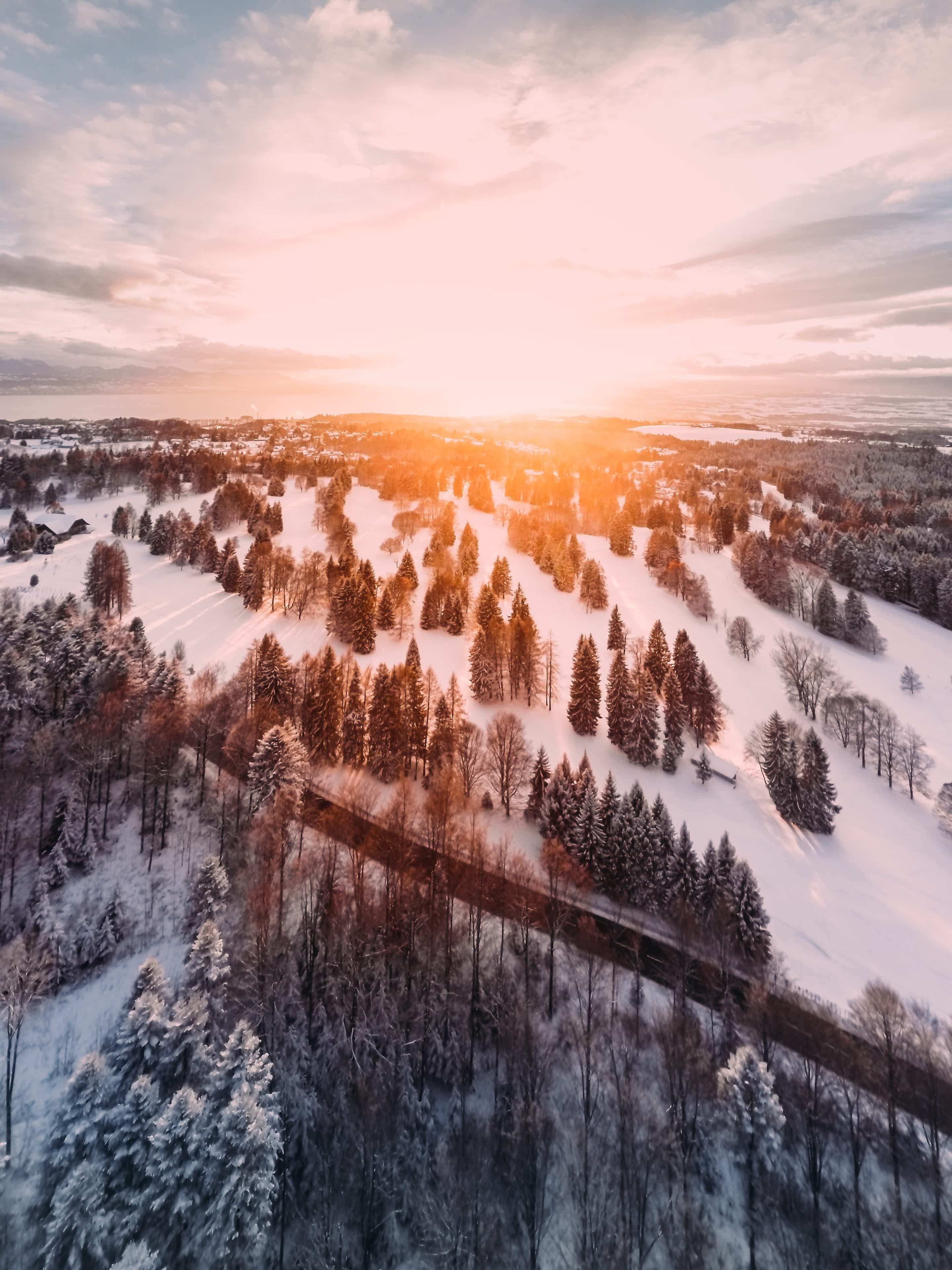
This article delves deep into Colorado’s snowy reality, offering comprehensive insights into when and where you can expect to find the best conditions, the myriad of activities awaiting you, and essential tips for planning your ultimate winter getaway. Whether you’re a seasoned powder hound, a family looking for a magical holiday, or a traveler simply curious about the charm of snow-dusted towns, Colorado promises an unforgettable experience steeped in natural splendor and thrilling adventure.
The Snowy Reality of Colorado
The notion of snow is inextricably linked with the image of Colorado. It’s a defining characteristic that shapes its tourism industry, its lifestyle, and its very landscape for a significant portion of the year. The state’s unique topography, a dramatic juxtaposition of vast eastern plains and the formidable Rocky Mountains running north to south, dictates a fascinating array of snowfall patterns. While the lower-lying plains certainly see their share of winter precipitation, it is the majestic mountains that truly earn Colorado its legendary status as a snow haven. The high-altitude environment means colder temperatures and more consistent conditions, often leading to the light, fluffy powder that skiers and snowboarders dream about. This abundance of snow is not just an aesthetic marvel; it’s the lifeblood of an industry built around winter sports, outdoor recreation, and the unique charm of mountain living.
Geographic Variations in Snowfall
Understanding where snow falls most frequently and heavily is key to planning your Colorado adventure. The state can be broadly divided into three distinct zones, each with its own snow profile:
- The Mountains: This is where Colorado truly shines as a snowy destination. Elevations above 8,000 feet (approximately 2,400 meters) consistently receive heavy snowfall, often accumulating hundreds of inches annually. Regions like the San Juan Mountains in the southwest, the Gore Range, and the Elk Mountains are famous for their deep, reliable powder. Ski resorts like Vail, Aspen Snowmass, Breckenridge, and Telluride are strategically located in these high-snowfall zones, ensuring optimal conditions for winter sports throughout the season. Here, the snow tends to be lighter and drier, often referred to as “Champagne Powder,” due to the cold, dry air.
- The Front Range (Urban Corridor): This region includes major cities like Denver, Boulder, and Colorado Springs. While it experiences significant snowfall (averaging 50-70 inches annually in Denver), it is more variable than in the mountains. Snowstorms can be substantial, often bringing several inches or even feet of snow, but warmer temperatures and sunnier days can lead to quicker melting. Residents here are accustomed to a cycle of heavy snow followed by rapid clearing, meaning that while the cities become picturesque snow globes, the white blanket may not last as long as in higher elevations.
- The Eastern Plains: Stretching east from the Front Range towards Kansas and Nebraska, the plains receive the least amount of snow. While occasional blizzards can bring significant accumulation, the snowfall here is generally lighter and less frequent than in the mountainous or urban areas. When snow does fall, it can be accompanied by strong winds, leading to drifting snow rather than deep, settled powder.
Seasonal Snowfall Breakdown
The timing of snowfall in Colorado is as crucial as its location, guiding travel plans and activity choices:
- Early Season (October – November): The first significant snows begin to dust the highest peaks in October. By November, many ski resorts in the Rocky Mountains start to open, sometimes as early as Thanksgiving. While base depths may still be building, this period offers the excitement of the season’s first turns and often quieter slopes. Cities along the Front Range might see their first flurries or even moderate snowfalls by late October or November.
- Peak Season (December – March): This is the heart of Colorado’s winter. December, January, February, and March typically bring the heaviest and most consistent snowfall, especially in the mountains. This period offers the deepest powder, the coldest temperatures, and the most reliable conditions for all winter sports. Resorts are in full swing, and mountain towns are bustling with festive energy. While storms can be intense, Colorado is also known for its abundant sunny days, providing perfect “bluebird” skiing conditions after a fresh dump of snow.
- Late Season (April – May): Winter clings stubbornly to the high country well into spring. April and even early May can see significant new snowfall in the mountains, leading to fantastic spring skiing conditions. Many resorts remain open, offering the unique experience of skiing in warmer temperatures and sunshine, often with live music and outdoor events. In contrast, the Front Range and eastern plains usually see rapid snowmelt and the emergence of spring greenery, though late-season snowstorms are not uncommon in the urban corridor.
- Summer (June – September): While highly unusual, localized snowfall can occur at the very highest elevations of the Rocky Mountains even in the summer months, particularly during cold fronts. However, this is typically light and melts quickly, serving more as a novelty than a sustained winter event. For the vast majority of Colorado, summer is a season of sunshine, wildflowers, and warm-weather activities.
Experiencing Colorado’s Winter Wonderland
Once the snow has settled, Colorado truly comes alive with a captivating array of activities and experiences tailored for the winter enthusiast. From the adrenaline rush of world-class slopes to the serene beauty of snow-covered landscapes, the state offers something for every type of traveler seeking to embrace the magic of the season.
World-Class Skiing and Snowboarding
Colorado is synonymous with exceptional skiing and snowboarding, boasting some of the globe’s most iconic resorts. Each destination offers a unique blend of terrain, atmosphere, and amenities, catering to diverse preferences:
- Vail: A legendary resort known for its vast Back Bowls, diverse terrain, and European-inspired Vail Village. It’s a premier destination for luxury travel and high-end skiing.
- Aspen Snowmass: Comprising four distinct mountains—Snowmass, Aspen Mountain, Aspen Highlands, and Buttermilk—Aspen Snowmass offers everything from challenging steeps to family-friendly slopes, complemented by a vibrant, upscale town renowned for its dining, shopping, and cultural scene.
- Breckenridge: A historic mining town with a lively Main Street and high-altitude skiing across multiple peaks. It’s particularly popular for its charming atmosphere and terrain suitable for all skill levels.
- Telluride: Tucked away in a stunning box canyon, Telluride offers breathtaking scenery, a charming historic town, and fantastic skiing, often considered one of Colorado’s hidden gems for its remote beauty and sophisticated ambiance.
- Winter Park: The closest major resort to Denver, known for its diverse terrain, including the challenging Mary Jane territory, and its accessibility via the Winter Park Express train.
- Steamboat Springs: Famous for its “Champagne Powder” snow and deep-rooted cowboy culture, offering a unique blend of world-class skiing and authentic Western charm.
- Keystone: A family-friendly resort with extensive night skiing, dedicated learning areas, and diverse terrain across three peaks.
- Copper Mountain: Known for its naturally divided terrain, which allows skiers and riders to progress through different difficulty levels seamlessly, making it ideal for families and groups of varying abilities.
What sets Colorado skiing apart is not just the sheer quantity of snow, but its quality – the famed dry, light powder. Coupled with an impressive number of sunny days, it creates near-perfect conditions for an exhilarating experience on the slopes.
Other Thrilling Winter Sports and Activities
Beyond downhill skiing, Colorado’s winter landscape is ripe for a multitude of other exciting pursuits:
- Snowshoeing and Cross-Country Skiing: Explore the tranquil beauty of snow-laden forests and meadows. Rocky Mountain National Park offers miles of groomed and backcountry trails, as do numerous state parks and national forests across the state. It’s a fantastic way to experience nature’s quiet majesty.
- Snowmobiling: For those seeking speed and exploration, snowmobiling tours offer access to vast, otherwise inaccessible winter terrain. Popular areas include trails around Grand Lake and Steamboat Springs.
- Ice Skating: Many towns and resorts feature picturesque outdoor ice rinks, creating a classic winter scene. Notable spots include the rink in Vail Village and the downtown Denver ice rink.
- Ice Climbing: For the truly adventurous, Ouray, known as the “Switzerland of America,” hosts an internationally renowned Ice Park, offering thrilling opportunities for ice climbing for various skill levels.
- Dog Sledding: Experience the thrill of a traditional dog sled ride, a unique and memorable adventure offered by several outfitters near major resorts.
- Sledding and Tubing: Dedicated tubing parks at resorts like Keystone and Winter Park provide family-friendly fun, with magic carpet lifts making for effortless ascents.
Scenic Winter Drives and Sightseeing
Colorado’s beauty isn’t confined to its slopes; the winter scenery itself is a breathtaking attraction:
- Trail Ridge Road (partially open): While the highest sections of this iconic road through Rocky Mountain National Park close in winter, lower sections offer stunning winter vistas and access to snowshoeing trails.
- Georgetown Loop Railroad: This historic narrow-gauge railroad often runs special holiday and winter excursions, offering a nostalgic journey through a snow-covered landscape.
- Historic Mountain Towns: Places like Silverton and Durango in southwestern Colorado transform into picture-perfect winter villages, perfect for strolling, shopping, and soaking in local history.
- Hot Springs: A quintessential Colorado winter experience involves soaking in natural hot springs like those in Ouray or Glenwood Springs while snow falls gently around you. The contrast of the warm mineral waters and the crisp winter air is utterly invigorating.
Planning Your Snowy Colorado Adventure
A successful winter trip to Colorado requires thoughtful planning, especially when it comes to accommodation and preparing for the unique challenges and joys of a snowy mountain environment. Embracing the logistical aspects will ensure a smooth, enjoyable, and unforgettable experience.
Choosing the Right Accommodation
Your choice of accommodation can significantly impact your winter adventure, ranging from luxurious resorts to cozy, budget-friendly options:
- Resort Hotels: For the ultimate convenience and luxury, ski-in/ski-out resort hotels are unparalleled. Properties like The St. Regis Aspen Resort or Hotel Jerome, Auberge Resorts Collection in Aspen offer world-class amenities, fine dining, spas, and immediate access to the slopes. These are perfect for those seeking a pampered, amenity-rich experience.
- Boutique Hotels: Many historic mountain towns boast charming boutique hotels, offering unique character and personalized service. These are ideal for travelers looking for a more intimate setting and a taste of local culture, often found in towns like Breckenridge or Telluride.
- Vacation Rentals/Condos: For families or groups, self-catering vacation rentals and condos provide space, flexibility, and often more budget-friendly options, especially for longer stays. Many are located near resort base areas or offer shuttle services. Websites specializing in accommodation bookings are invaluable for finding the perfect fit.
- Budget-Friendly Options: Travelers on a budget can find motels in towns adjacent to major resorts, or explore hostels and guesthouses. Booking during off-peak times (early December or late April) can also yield significant savings.
It is highly recommended to book accommodation well in advance, especially for peak season (mid-December through March), as popular destinations fill up quickly.
Essential Winter Travel Tips
Navigating Colorado’s winter landscape requires some specific considerations:
- Altitude Sickness: Many Colorado resorts and towns are at elevations above 8,000 feet. Hydrate thoroughly before and during your trip, avoid excessive alcohol on your first day, and take it easy for the first 24 hours to allow your body to acclimate.
- Weather Preparedness: Dress in layers, as mountain weather can change rapidly. Waterproof outerwear, insulated gloves or mittens, warm hats, and waterproof boots are essential. Don’t forget sunglasses and high SPF sunscreen, as the sun at altitude is intense, and snow reflects UV rays.
- Driving in Snow: If you plan to drive, an all-wheel-drive (AWD) or four-wheel-drive (4WD) vehicle is highly recommended, especially with appropriate snow tires. Always check road conditions before heading out, particularly for mountain passes, via the Colorado Department of Transportation (CDOT) website or app. Be prepared for chain laws on certain routes during heavy snow.
- Ski/Snowboard Rentals and Lift Tickets: To save time and money, consider booking ski or snowboard rentals and purchasing lift tickets online in advance. Many resorts offer discounts for early purchases.
- Travel Insurance: Given the potential for flight delays due to snowstorms or unforeseen injuries during winter sports, travel insurance is a wise investment.
Embracing Colorado’s Winter Lifestyle and Culture
The presence of snow in Colorado extends far beyond the physical landscape, deeply embedding itself into the state’s culture and lifestyle. It shapes the rhythm of mountain towns, influences culinary trends, and fosters a vibrant community spirit that is truly unique. To visit [Colorado](https://lifeoutofthebox.com/colorado] in winter is to immerse oneself in this dynamic, snow-driven way of life.
A Vibrant Apres-Ski Scene
After a day on the slopes, the energy in Colorado’s mountain towns shifts to the lively “après-ski” scene. This is where friendships are forged, stories are shared, and the day’s adventures are recounted over warming drinks and delicious food. Resorts and towns like Vail, Aspen, and Breckenridge boast an impressive array of bars, pubs, and restaurants offering everything from casual fare to upscale dining. Many feature live music, creating a festive atmosphere that often extends late into the evening. The culinary scene in Colorado also embraces the season, with farm-to-table restaurants highlighting local ingredients and microbreweries offering seasonal brews perfect for a winter evening. Beyond the daily revelry, winter also brings a calendar full of community events, festivals, and competitions, adding to the cultural richness of the season.

The Charm of Mountain Towns
Colorado’s mountain towns, often born from mining booms, possess a distinct charm that is amplified under a blanket of snow. Their historic architecture, preserved and often transformed into unique shops, art galleries, and cozy cafes, invites leisurely exploration. Strolling down the main streets of Aspen, Breckenridge, or Telluride, one can feel the layers of history interwoven with modern luxury and outdoor adventure. Local events, such as holiday lighting ceremonies, winter carnivals, and art walks, further showcase the tight-knit communities and their traditions. The welcoming atmosphere, often characterized by friendly locals and a shared passion for the outdoors, makes these towns feel like a home away from home. This sense of community and connection is a vital part of the Colorado winter lifestyle.
Safety and Responsibility in the Backcountry
While Colorado’s vast snowy landscapes offer unparalleled freedom, they also demand respect and responsibility, particularly for those venturing into the backcountry. Avalanche awareness is paramount, and anyone planning to ski, snowboard, or snowshoe outside of patrolled resort boundaries should have proper training, equipment (transceiver, shovel, probe), and ideally, travel with experienced companions or a certified guide. Numerous local organizations and guides offer courses and guided tours, ensuring a safe and enriching experience. Beyond safety, embracing “Leave No Trace” principles is crucial to preserving the pristine natural beauty that draws so many to [Colorado](https://lifeoutofthebox.com/colorado]. This means packing out everything you pack in, respecting wildlife, and staying on designated trails where applicable. By doing so, visitors contribute to the sustainable enjoyment of [Colorado](https://lifeoutofthebox.com/colorado]’s extraordinary winter environment for generations to come.
Conclusion
So, does it snow in Colorado? Without a doubt, the answer is a resounding yes, and it is this abundance of snow that truly defines the state as a premier winter destination. From the legendary powder of its world-class ski resorts to the serene beauty of its snow-dusted mountain towns, Colorado offers an unparalleled tapestry of winter experiences. Whether you seek the thrill of carving fresh tracks, the quiet contemplation of a snowshoe through a pristine forest, or the convivial atmosphere of a bustling après-ski scene, the Centennial State delivers on every front.
Planning your visit, understanding the geographical nuances of snowfall, and preparing for the unique conditions will unlock a truly magical adventure. Colorado’s winter wonderland isn’t just a place to visit; it’s an immersive experience, a lifestyle, and a memory waiting to be made. Embrace the cold, revel in the beauty, and discover why winter in Colorado is an unforgettable journey that calls travelers back, year after year, to its snowy embrace.
LifeOutOfTheBox is a participant in the Amazon Services LLC Associates Program, an affiliate advertising program designed to provide a means for sites to earn advertising fees by advertising and linking to Amazon.com. Amazon, the Amazon logo, AmazonSupply, and the AmazonSupply logo are trademarks of Amazon.com, Inc. or its affiliates. As an Amazon Associate we earn affiliate commissions from qualifying purchases.