
For travelers eyeing the sun-drenched shores and vibrant cities of Florida, the allure is undeniable. However, a crucial aspect of planning a trip to the Sunshine State, especially between June and November, is understanding and preparing for hurricane season. The question, “What time is the hurricane supposed to hit Florida?” is more than just a logistical query; it’s a critical consideration that can significantly impact travel plans, safety, and the overall experience. While no one can predict the exact minute a storm will make landfall weeks in advance, proactive monitoring and a robust understanding of hurricane protocols are essential for any responsible traveler. This comprehensive guide aims to equip you with the knowledge needed to navigate hurricane season, ensuring your trip to Florida remains as safe and enjoyable as possible.
Navigating Florida’s Hurricane Season: A Traveler’s Guide
Understanding the natural rhythms of Florida’s climate is the first step toward informed travel during hurricane season. This period, while prone to tropical activity, also coincides with some of the state’s most popular travel times, offering warm waters and fewer crowds outside of peak holidays.
The Rhythms of Florida’s Storm Cycle
Florida’s hurricane season officially runs from June 1st to November 30th each year. While storms can develop outside this window, the vast majority of tropical cyclones form and impact the region during these months. The season typically sees a slow start in June and July, with activity picking up significantly from mid-August through October, which is considered the peak. By November, activity usually begins to wane. This seasonality is driven by ocean temperatures, atmospheric conditions, and wind shear patterns in the Atlantic Basin, including the Caribbean Sea and the Gulf of Mexico. For travelers, this means increased vigilance is required if planning a trip during these peak months, particularly for coastal destinations such as Miami, Tampa, Orlando, or the Florida Keys.
Why Florida is a Prime Target for Tropical Systems
Florida’s unique geographical position makes it particularly susceptible to hurricanes. As a large peninsula jutting into warm Atlantic waters and bordered by the Gulf of Mexico, it lies directly in the path of many storms that develop in the tropics. The warm waters surrounding Florida provide the necessary fuel for hurricanes to strengthen, and the low-lying coastal areas are vulnerable to storm surge, heavy rainfall, and high winds. Understanding this inherent vulnerability helps travelers appreciate why hurricane preparedness is not merely a precaution but a fundamental aspect of responsible travel to the state during these months.
Real-Time Tracking and Official Advisories
When a hurricane threat emerges, knowing where to get reliable, up-to-the-minute information is paramount. Relying on official sources ensures you receive accurate forecasts and critical safety directives.
Essential Sources for Hurricane Information
The most authoritative source for hurricane tracking and forecasting in the United States is the National Hurricane Center (NHC), a division of the National Oceanic and Atmospheric Administration (NOAA). Their website provides detailed storm tracks, intensity forecasts, advisory discussions, and local impact assessments. Additionally, the Florida Emergency Management website and local county emergency operations centers offer state and county-specific information, evacuation routes, and shelter locations. Tuning into local news channels and weather radio (NOAA Weather Radio) can also provide immediate, localized updates. It’s crucial to cross-reference information and avoid relying solely on social media or unofficial channels, which can propagate misinformation during stressful situations.
Understanding Forecast Models and Cone of Uncertainty
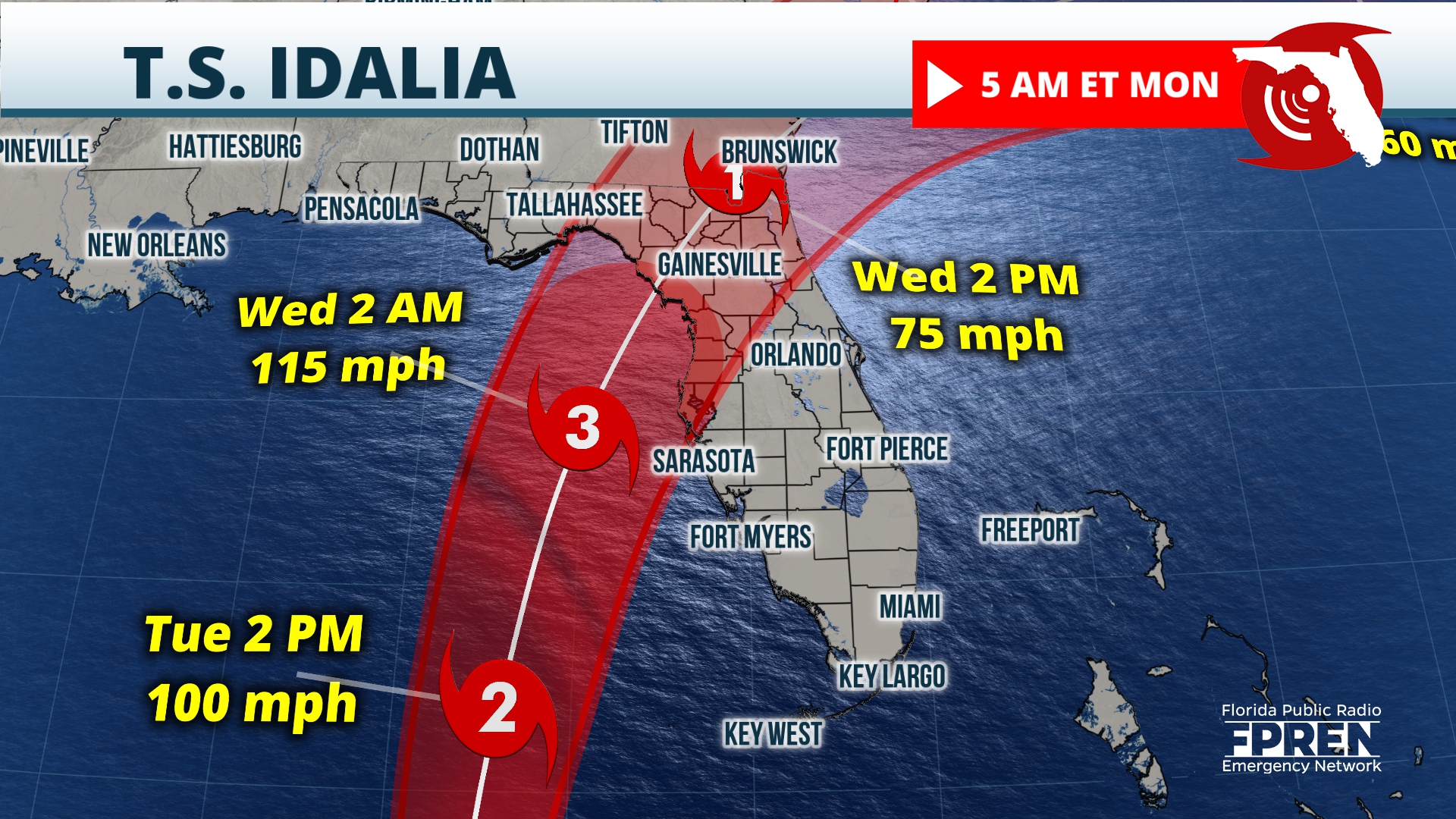
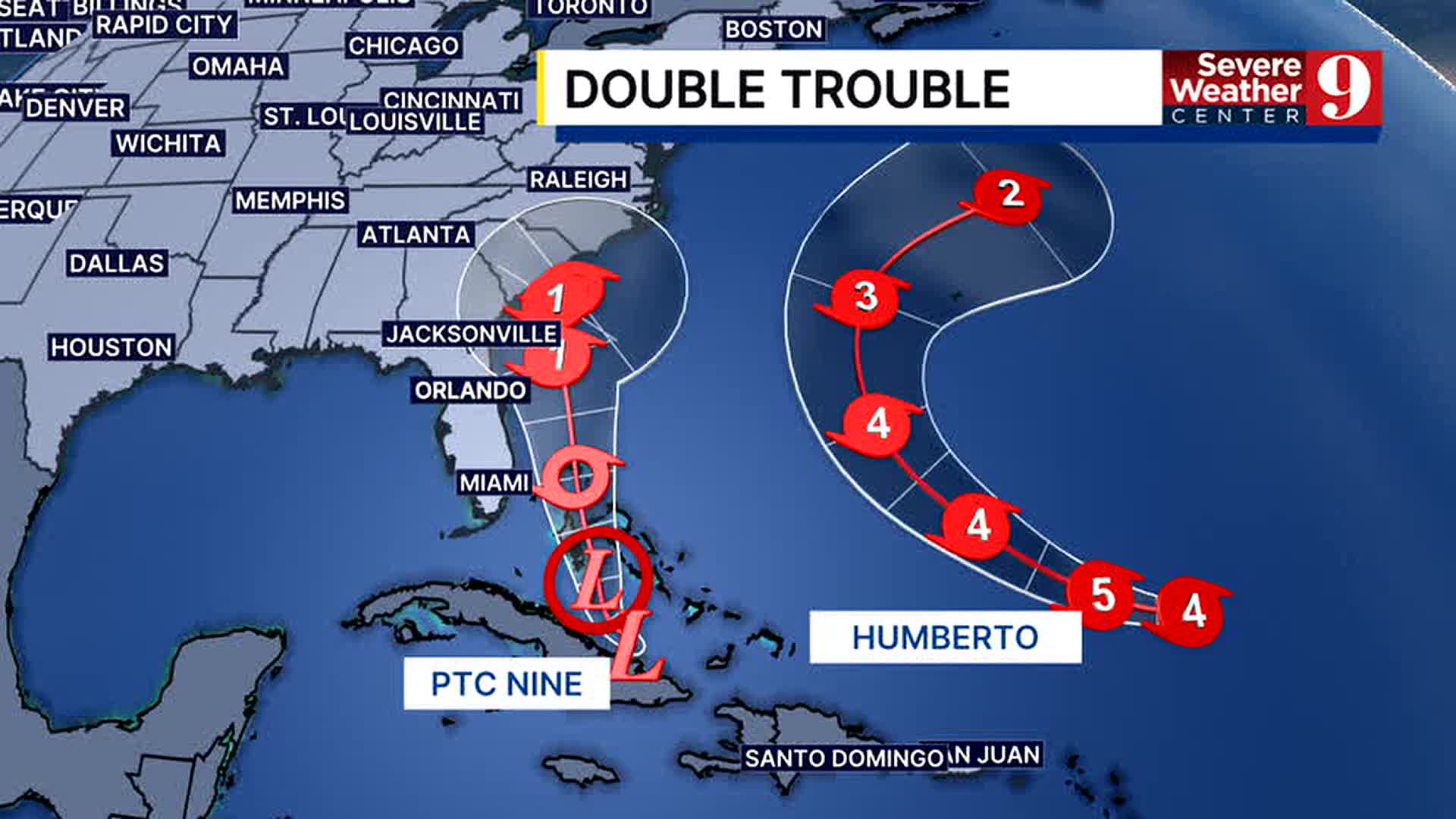
When tracking a potential storm, you’ll frequently encounter the “cone of uncertainty.” This graphical representation, issued by the NHC, illustrates the probable track of the center of a tropical cyclone, but it’s vital to understand its limitations. The cone represents the probable track of the center of the storm, meaning the actual storm center is expected to remain within the cone about 60-70% of the time. However, significant impacts, including heavy rainfall, strong winds, and storm surge, can extend far beyond the edges of this cone. Travelers should not focus solely on whether their specific location is within the cone but rather consider the broader regional threat and the potential for impacts well outside the forecasted center’s path. Forecasters continually refine their models, so what appears to be a minor threat one day can rapidly evolve into a serious concern.
Decoding Watches, Warnings, and Evacuation Orders
Official hurricane advisories use specific terminology that travelers must understand:
- Hurricane Watch: Issued when hurricane conditions (sustained winds of 74 mph or higher) are possible in a specified area within 48 hours. This is the time to finalize preparations and consider altering travel plans.
- Hurricane Warning: Issued when hurricane conditions are expected in a specified area within 36 hours. This signifies an immediate threat, and protective actions should be rushed to completion.
- Tropical Storm Watch/Warning: Similar to hurricane advisories but for tropical storm conditions (sustained winds of 39 to 73 mph).
- Storm Surge Watch/Warning: Alerts specifically for the life-threatening rise of water above normal tide levels, often the most destructive aspect of a hurricane.
- Evacuation Orders: These are directives from local authorities, often mandatory, for residents and visitors in vulnerable areas (especially coastal zones or flood-prone regions) to leave. These orders are issued for your safety and must be followed immediately. Ignoring an evacuation order can put your life and the lives of first responders at extreme risk.
Travel Impact and Pre-Storm Preparedness
A looming hurricane can throw even the most meticulously planned trip into disarray. Understanding potential disruptions and preparing accordingly can mitigate stress and financial losses.
Air Travel and Airport Operations
As a hurricane approaches, airports in the affected region, such as Miami International Airport or Orlando International Airport, are often among the first services to be impacted. Airlines will issue waivers for flight changes or cancellations, usually several days in advance, allowing travelers to modify their bookings without penalty. If a hurricane warning is issued, airports may cease operations entirely, grounding flights and leaving travelers stranded. It’s crucial to monitor airline communications directly and consider rescheduling or canceling flights well before the storm’s anticipated arrival to avoid being stuck. Even after a storm passes, airports may take time to resume full operations due to infrastructure damage, staffing issues, or ongoing weather conditions.
Accommodations and Resort Policies
Hotels, resorts, and vacation rentals in Florida typically have specific hurricane policies. These can range from full refunds for cancellations made within a certain window to offering guests the option to shelter in place if the facility is deemed safe. It is vital to inquire about these policies when booking and to review them thoroughly before travel. Many resorts, especially those along the coast, are designed to withstand significant winds, but prolonged power outages or limited access to supplies can still make a stay uncomfortable or unsafe. If an evacuation order is issued for your area, your accommodation provider will likely instruct you to leave.
Travel Insurance: Your Unseen Lifeline
For trips during hurricane season, travel insurance is highly recommended. A comprehensive policy can cover non-refundable expenses such as flights, hotel bookings, and tour costs if your trip is canceled or interrupted due to a hurricane. Crucially, it’s important to purchase travel insurance before a storm is named or becomes a foreseeable event. Most policies will not cover losses from an event that was already known or named at the time of purchase. Read the policy details carefully to understand what is covered, including “cancel for any reason” (CFAR) options, which provide the most flexibility but come at a higher cost.
Ground Transportation and Evacuation Routes
If you are traveling by car, be aware that official evacuation routes will be designated as a storm approaches. These routes are designed to move large volumes of traffic quickly and safely out of danger zones. Monitor local news and Florida Department of Transportation advisories for updates on traffic flow and road closures. Ensure your vehicle has a full tank of gas, as fuel availability can become limited during evacuations. Consider having a physical map in addition to GPS, as cell service and power outages can affect navigation apps. If renting a car, verify the rental company’s policy regarding driving during hurricane conditions or returning the vehicle early.
Ensuring Your Safety During a Storm in Florida
If you find yourself in Florida when a hurricane threat materializes, knowing how to react is critical for your safety.
What to Do If You’re in a Designated Evacuation Zone
If your location is within an official evacuation zone, leave immediately. Do not delay. Authorities issue these orders to protect lives from storm surge, flooding, and damaging winds. Have a pre-packed emergency kit ready (discussed below), ensure your vehicle is fueled, and follow the designated evacuation routes. Inform friends or family of your plans and destination. Public shelters are available for those who cannot evacuate or have no other safe place to go, but these should be a last resort. Keep in mind that once an evacuation order is in effect, leaving the area can become increasingly difficult and dangerous.
Shelter-in-Place Guidelines for Travelers
If you are not in an evacuation zone and your accommodation is deemed safe by local authorities, you may be advised to shelter in place. This means staying indoors, away from windows and doors, preferably in an interior room on the lowest floor. Prepare for potential power outages by charging all electronic devices, having flashlights and extra batteries ready, and securing any loose items outside. Fill bathtubs or sinks with water for sanitation purposes, and have a supply of non-perishable food and bottled water for at least three to five days. Avoid going outside during the storm, even during the “eye” of the hurricane, as conditions can deteriorate rapidly as the back wall approaches.
Emergency Kits and Communication Plans
Every traveler to Florida during hurricane season should have a basic emergency kit. This includes:
- Water: At least one gallon per person per day for several days, for drinking and sanitation.
- Food: A several-day supply of non-perishable food.
- Medications: Prescription medications and any over-the-counter necessities.
- First Aid Kit: Bandages, antiseptic wipes, pain relievers, etc.
- Flashlight and Batteries: Essential for power outages.
- Battery-powered or Hand-crank Radio: To listen for official updates.
- Whistle: To signal for help.
- Dust Mask: To filter contaminated air.
- Wrench or Pliers: To turn off utilities.
- Manual Can Opener: For food.
- Local Maps: In case GPS or cell service is down.
- Cash: ATMs may not work during power outages.
- Important Documents: Copies of ID, insurance policies, etc., in a waterproof container.
- Fully Charged Power Bank: For mobile devices.
Establish a communication plan with family and friends. Identify an out-of-state contact who everyone can check in with, as local phone lines may be overwhelmed. Text messages often get through when calls cannot.
Post-Hurricane Travel: Supporting Recovery and Rebuilding
After a storm passes, the immediate aftermath can present new challenges for travel, but it also offers opportunities to support Florida’s recovery.
Assessing the Aftermath: When is it Safe to Return?
Even after a hurricane moves on, the affected areas may not be safe for immediate return. Roads can be damaged or impassable, power outages widespread, and essential services (water, sewage, fuel) disrupted. Florida officials will issue advisories regarding when it is safe to return to specific areas. Respect these directives, as re-entering too soon can hinder recovery efforts and put you in danger. Check with your accommodation providers to confirm their operational status and accessibility. Many attractions and businesses may also require time to reopen and restore services. The Federal Emergency Management Agency (FEMA) provides ongoing support and information during the recovery phase.
Contributing to Florida’s Resilience
Florida is incredibly resilient, with communities often bouncing back swiftly. Travelers can play a part in this recovery. If your travel plans were disrupted, consider rebooking your trip for a later date rather than canceling entirely. When you do visit, patronize local businesses, restaurants, and attractions that have reopened. Your tourism dollars directly support the local economy and aid in the rebuilding process. Volunteering with reputable relief organizations, if you have the time and resources, is another meaningful way to contribute.

Future Travel Planning and Lessons Learned
Every hurricane season offers lessons. For future trips to Florida, consider the timing of your visit. If possible, traveling outside the peak hurricane months (August-October) can reduce your risk. If you must travel during these times, always prioritize comprehensive travel insurance and stay hyper-vigilant about weather forecasts. The question of “what time is the hurricane supposed to hit Florida?” remains unpredictable in its specifics, but by adopting a proactive, informed, and prepared mindset, travelers can still enjoy the beauty and excitement of the Sunshine State while minimizing risks associated with tropical weather events.
LifeOutOfTheBox is a participant in the Amazon Services LLC Associates Program, an affiliate advertising program designed to provide a means for sites to earn advertising fees by advertising and linking to Amazon.com. Amazon, the Amazon logo, AmazonSupply, and the AmazonSupply logo are trademarks of Amazon.com, Inc. or its affiliates. As an Amazon Associate we earn affiliate commissions from qualifying purchases.