
Florida, often dubbed the Sunshine State, is a magnet for travelers worldwide, renowned for its pristine beaches, vibrant cities, and world-class attractions. However, its geographical location also places it in the path of tropical storms and hurricanes, particularly during the active Atlantic hurricane season. For any traveler planning a trip to this popular destination, understanding the dynamics of hurricanes, their potential impact, and how to navigate travel decisions during such events is paramount. This guide aims to provide a professional, insightful, and engaging overview for those monitoring the situation in Florida or planning future visits.
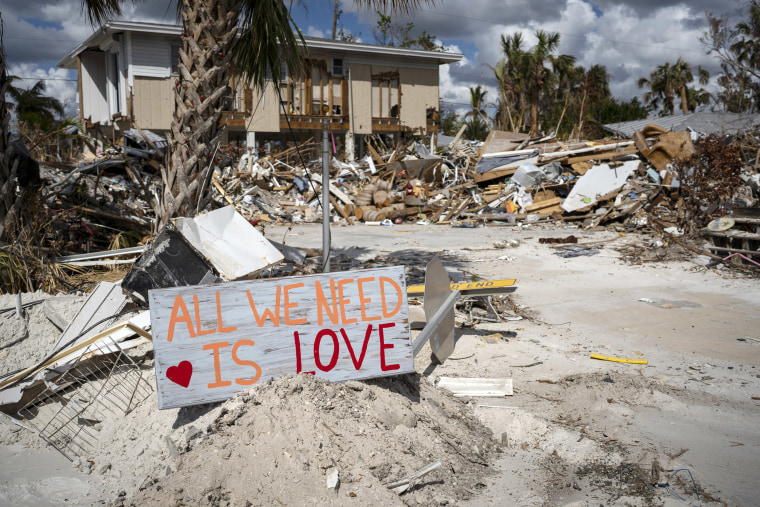
Understanding Florida’s Hurricane Landscape for Travelers
Hurricane season is a predictable annual event for Florida, but its specific impacts are anything but. Being prepared with knowledge and resources is the first step for any responsible traveler.
The Annual Rhythms of Storm Season
The Atlantic hurricane season officially runs from June 1st to November 30th each year, with the peak activity typically occurring from mid-August through October. During this period, warm ocean waters and specific atmospheric conditions create an environment conducive to tropical cyclone formation. While many storms dissipate harmlessly at sea, some develop into powerful hurricanes that can pose significant threats to coastal regions, including the entirety of Florida. Travelers planning visits during these months should always factor in the possibility of tropical weather and have contingency plans in place. This isn’t to deter travel, but rather to encourage informed and safe decision-making. Coastal cities like Miami, Fort Lauderdale, Tampa, and Key West are particularly vulnerable, but the entire state, including inland hubs like Orlando, can experience severe weather, including heavy rains, flooding, and strong winds.
Proactive Planning: Why Every Traveler Needs a Strategy
For travelers, proactive planning is the cornerstone of a stress-free trip during hurricane season. This begins with selecting flexible travel dates if possible, or at least being aware of the risks. Researching accommodations and airlines for their hurricane policies before booking is crucial. Many hotels and resorts, particularly those in areas like the Florida Keys or along the Gulf Coast, offer specific hurricane clauses allowing for penalty-free cancellations or rebookings if a named storm threatens the area. Similarly, airlines often issue waivers, permitting changes without fees. Developing a personal travel emergency plan that includes contact information for your airline, hotel, and travel insurance provider, alongside a designated meeting point if traveling with others, can be invaluable. Considering alternative destinations within Florida or even outside the state if a storm appears imminent can also be a smart move, ensuring your vacation isn’t completely derailed.
Essential Information Sources for Real-Time Updates
Staying informed is perhaps the most critical aspect of managing hurricane-related travel. Reliable, real-time information can make all the difference in making timely decisions. The National Hurricane Center (NHC) is the primary authority for hurricane forecasts and advisories, providing constantly updated storm tracks, intensity predictions, and watches/warnings. Local news channels and official government websites for specific Florida counties and cities are also vital resources for localized information, including evacuation orders, shelter locations, and road closures. Travelers should also sign up for weather alerts and emergency notifications offered by state and local agencies. Many airports, such as Miami International Airport and Orlando International Airport, also provide real-time flight status updates via their websites and apps. Relying on these official sources rather than unverified social media information is crucial for accuracy and safety.
Immediate Disruptions: Navigating Travel During a Storm
Once a hurricane is on the horizon or actively impacting Florida, the travel landscape shifts dramatically. Understanding the nature of these disruptions is key to minimizing stress and ensuring safety.
Air and Ground Travel: Cancellations and Reroutes
One of the most immediate and widespread impacts of an approaching hurricane is on transportation. Airlines are often among the first to react, issuing travel waivers and initiating mass cancellations, sometimes days in advance of a storm’s expected landfall. Airports like Tampa International Airport may close entirely, leading to stranded travelers and a backlog of flights once conditions improve. Ground transportation is similarly affected. Major highways may be closed due to flooding, fallen debris, or to facilitate evacuation routes. Bridges, especially those connecting mainland Florida to barrier islands or the Florida Keys, can become impassable. Rental car availability can dwindle rapidly as residents and tourists alike seek to evacuate. For those already in Florida, securing transportation out of an affected area can be challenging, underscoring the importance of heeding early evacuation advisories.
Destination Closures and Safety Zones
When a hurricane approaches, many of Florida’s beloved attractions, parks, and natural landmarks will close their doors to the public. Theme parks like Walt Disney World Resort and Universal Orlando Resort in Orlando, and national parks such as Everglades National Park often announce closures to protect visitors and staff and to secure their properties. Beaches are closed due to dangerous rip currents and storm surge, and boating activities are suspended. Evacuation orders designate specific areas, typically coastal zones or low-lying regions, as unsafe for occupancy. Travelers must strictly adhere to these orders, as emergency services may be unable to assist those who choose to remain behind. Understanding which zones are under evacuation and having a plan to move to a designated safe area, whether an inland hotel or a public shelter, is critical. Even destinations outside the direct path can experience significant rain and wind, making outdoor activities unsafe and impacting the overall travel experience.
Accommodation Challenges: Evacuations and Rebookings
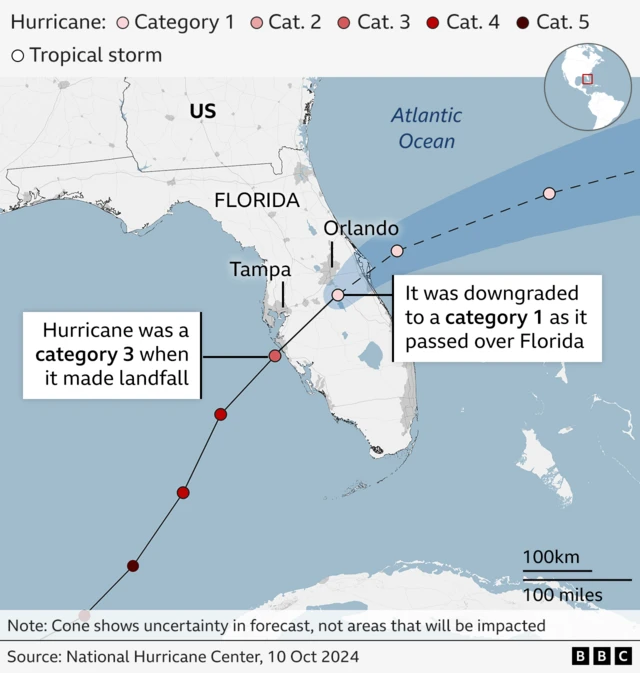
Hotels and resorts play a dual role during hurricane events: they can serve as shelters for those evacuating from coastal areas, but they themselves may also be subject to evacuation orders or power outages. If you’re already in Florida when a storm threatens, your hotel might be required to evacuate guests. This necessitates finding alternative accommodation inland, which can be difficult on short notice as hotels in safer zones fill up rapidly. Travelers with existing bookings might find their reservations cancelled by the hotel due to damage, operational closures, or mandatory evacuations. Navigating rebooking or obtaining refunds requires patience and persistence. It’s advisable to directly contact your hotel or booking agent to understand their specific policies and options during a hurricane event, and to consider the financial implications of last-minute cancellations.
Safeguarding Your Trip: Pre-Storm Preparations and Travel Insurance
Mitigating the risks associated with hurricane season travel involves more than just monitoring the weather; it requires thoughtful financial and logistical preparation.
The Crucial Role of Travel Insurance
Travel insurance is an essential, often overlooked, investment for anyone planning a trip to Florida during hurricane season. A comprehensive travel insurance policy typically offers coverage for trip cancellation or interruption due to a named hurricane, allowing you to recover non-refundable expenses like flights, accommodations, and pre-paid tours if you have to cancel or cut your trip short. It can also cover costs associated with travel delays, emergency medical expenses, and even emergency evacuation. However, it’s vital to understand the terms and conditions. Most policies have a “cut-off date,” meaning you must purchase the insurance before a storm is named or becomes a foreseeable event for it to cover hurricane-related losses. Purchasing insurance once a storm is already threatening will likely exclude coverage for that specific event. Always read the fine print and consider “Cancel For Any Reason” (CFAR) policies if you desire maximum flexibility, though these are generally more expensive.
Understanding Airline and Hotel Policies
Beyond travel insurance, understanding the policies of your specific airline and hotel is paramount. Many airlines, when a named storm threatens a particular region, issue “travel waivers” that allow passengers to change their flight dates or destinations without incurring change fees, or in some cases, receive a refund. These waivers are typically time-sensitive and apply to specific airports. Similarly, most reputable hotels and resorts in Florida have hurricane policies, often allowing guests to cancel or reschedule without penalty if an evacuation order is issued or if the property is directly impacted. However, these policies can vary greatly. Some might offer a full refund, others a credit for a future stay. It’s always best practice to review these policies on their official websites or by contacting customer service directly before booking. Documenting all communications and policy details can be helpful if issues arise later.
Creating a Personal Travel Emergency Plan
Even with insurance and flexible policies, a personal emergency plan provides an extra layer of security. This plan should include digital and physical copies of all essential documents (passport, ID, insurance details, booking confirmations). Keep a small “go-bag” ready with essential medications, first-aid supplies, chargers for electronic devices, and a change of clothes. If traveling with family, ensure everyone knows the plan, including how to contact each other if separated. Research potential evacuation routes and shelters if you are in a vulnerable area. Having enough cash on hand is also wise, as ATMs and credit card systems can be affected by power outages. A battery-powered radio can provide crucial updates if electricity and internet access are lost. Being prepared for a temporary lack of amenities can significantly reduce discomfort and anxiety during a storm.
Post-Storm Florida: Rebuilding and Resuming Travel
While the immediate aftermath of a hurricane can be challenging, Florida is incredibly resilient. The state and its tourism industry are adept at recovery, and knowing what to expect post-storm is crucial for future travel plans.
Assessing the Recovery Status of Popular Destinations
After a hurricane, the recovery process for different regions and attractions can vary significantly. Some areas, particularly those inland or with robust infrastructure, may bounce back quickly, suffering minimal long-term damage. For instance, Orlando’s major theme parks often resume operations relatively swiftly after ensuring safety checks. Coastal towns, however, may face extensive damage to beaches, boardwalks, piers, and beachfront properties, requiring longer periods for cleanup and rebuilding. Travelers should not assume a blanket recovery for the entire state. Before rebooking or planning a trip to an area recently impacted, consult official tourism boards (e.g., Visit Florida), local county websites, and direct sources from specific attractions or hotels for accurate updates on their operational status and recovery timelines. Photos and news reports can offer some insights, but official statements are the most reliable.
Supporting Florida’s Tourism Industry Ethically
When Florida is recovering from a hurricane, ethical tourism plays a vital role in its economic revival. Once areas are declared safe and open for visitors, booking trips to these destinations directly contributes to the local economy, helping businesses and communities rebuild. Supporting local businesses, dining at local restaurants, and engaging with local tour operators directly injects much-needed funds into the hands of residents who may have been severely impacted. Avoid traveling to areas that are still actively in recovery mode or under advisories, as this can strain local resources and impede relief efforts. Instead, choose destinations that are ready to welcome tourists and promote responsible travel practices, such as minimizing waste and respecting local environments that might still be fragile. Your travel dollars can be a powerful force for positive change in post-storm communities.

Planning Future Visits: What to Expect and When
While the immediate aftermath of a severe hurricane might see temporary dips in tourism, Florida’s allure rarely diminishes for long. The state is committed to restoring its tourist infrastructure and welcoming visitors back. Future travelers should expect that even after reopening, some areas might still show signs of recent storm activity, such as ongoing construction or altered landscapes. However, this often presents a unique opportunity to witness the resilience and community spirit of Florida residents. Planning future visits still requires diligence, especially if considering the next hurricane season. Continuously monitoring long-range weather forecasts and official advisories is good practice. Many travelers opt to visit Florida during the non-hurricane season (December to May) for guaranteed clear weather, but with proper planning and flexibility, hurricane season travel can still be a rewarding experience for the informed and prepared adventurer. The beauty of St. Augustine, the vibrant culture of South Florida, and the natural wonders of Sarasota and Naples will always beckon, and Florida remains an unparalleled travel destination through all seasons.
LifeOutOfTheBox is a participant in the Amazon Services LLC Associates Program, an affiliate advertising program designed to provide a means for sites to earn advertising fees by advertising and linking to Amazon.com. Amazon, the Amazon logo, AmazonSupply, and the AmazonSupply logo are trademarks of Amazon.com, Inc. or its affiliates. As an Amazon Associate we earn affiliate commissions from qualifying purchases.