
Visiting a new destination offers the excitement of discovering vibrant cultures, breathtaking landscapes, and unforgettable experiences. Whether you’re planning a trip to the sun-drenched beaches of Miami, the enchanting theme parks of Orlando, or the historic streets of St. Augustine, understanding the local laws is as crucial as knowing where to find the best local cuisine or the most thrilling attractions. For any traveler, especially those navigating social interactions, dating, or simply interacting with the local community, one of the most fundamental legal aspects to comprehend is the age of consent.
The age of consent is a critical legal threshold that defines the age at which an individual is considered legally capable of consenting to sexual activity. This is not merely a technicality; it’s a cornerstone of public safety, particularly for minors, and carries profound legal implications for anyone who violates it. For tourists exploring Florida, being informed about this law is paramount to ensuring a responsible, safe, and legally compliant visit, protecting both themselves and the residents of the Sunshine State. Ignorance of the law is never an excuse, and understanding these regulations is an essential part of being an ethical and respectful traveler.
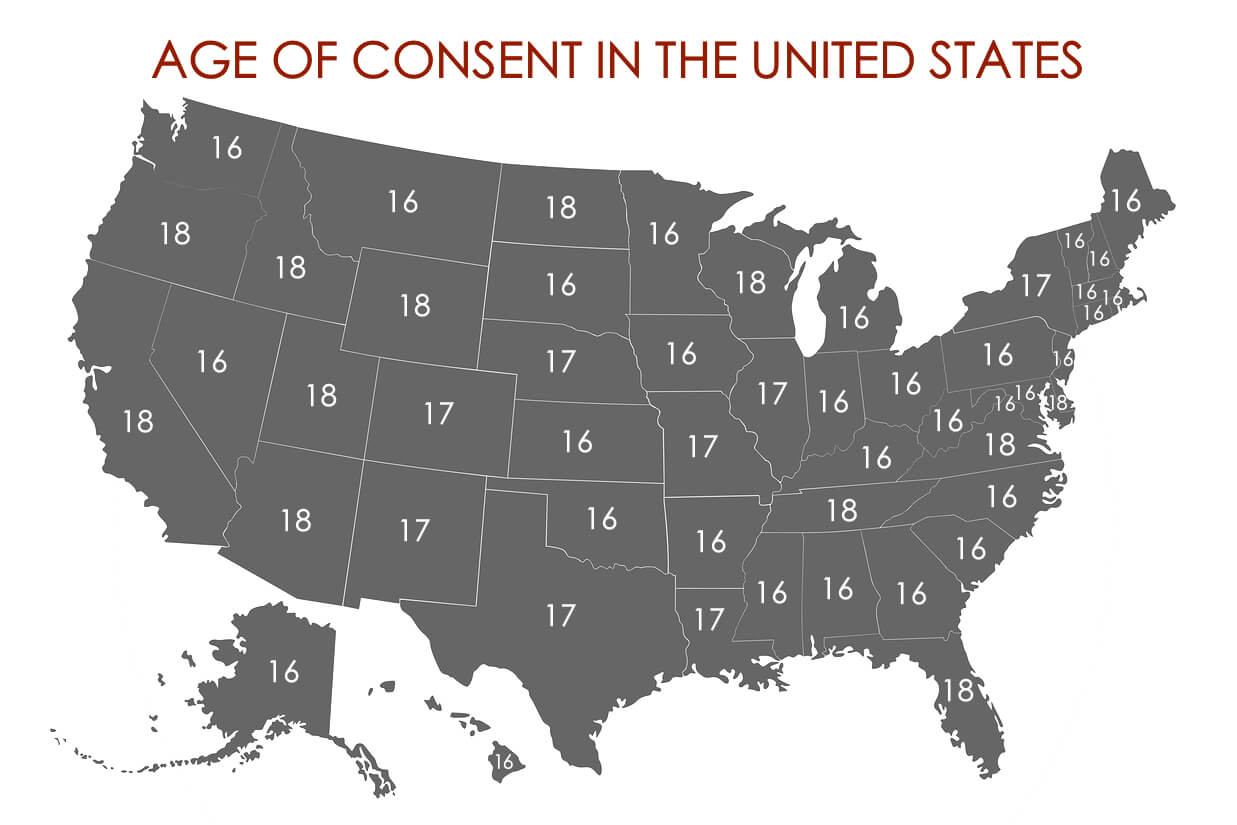
The Core Principle: Understanding Florida’s Age Of Consent
Florida has specific laws governing the age of consent, designed to protect its younger population from exploitation and harm. For visitors, grasping these legal boundaries is not just good practice, but a necessity to avoid severe legal repercussions that could turn a dream vacation into a nightmare.
Defining the Age of Consent in Florida
In the state of Florida, the age of consent is 18 years old. This means that any sexual activity with an individual under the age of 18 is considered illegal, regardless of whether the minor outwardly appears to consent or even actively initiates the interaction. The law presumes that anyone under 18 lacks the legal capacity to give informed consent to sexual acts. This is a bright-line rule; there’s no ambiguity based on physical appearance, perceived maturity, or stated willingness. For someone planning to engage in romantic or intimate relationships during their visit, verifying the age of the other party is an absolute must. Digital interactions, often initiated through dating apps or social media, are no exception, and can be even more treacherous due to the ease of misrepresentation.
Legal Ramifications for Non-Compliance
The penalties for violating Florida’s age of consent laws are exceptionally severe. Engaging in sexual activity with a minor in Florida typically constitutes a felony offense. These charges can range from second-degree to first-degree felonies, depending on the age difference between the individuals, the specific nature of the acts, and any additional aggravating factors. Convictions carry lengthy prison sentences, substantial fines, and, critically for any visitor, mandatory lifetime registration as a sex offender. This registration is not limited to Florida but often extends nationally and internationally, irrevocably impacting one’s future travel, employment, and housing opportunities. For non-U.S. citizens, a conviction can also lead to deportation and future visa denials. These are life-altering consequences that underscore the absolute importance of adhering to the law.
The Importance of Due Diligence
For anyone traveling, especially those who may be meeting new people or engaging in social situations, exercising due diligence is paramount. This means not making assumptions about age. If there is any doubt whatsoever about an individual’s age, the safest and only legally sound course of action is to refrain from any romantic or sexual overtures. While it may feel awkward to ask for identification in a casual setting, the potential consequences of not doing so far outweigh any momentary discomfort. This is especially true in a tourist environment where people from diverse backgrounds and age groups converge, and where misunderstandings can easily arise. Being proactive and responsible about verifying age is a fundamental aspect of ethical tourism and self-protection.
Nuances and Related Laws for Tourists in Florida
While the age of 18 is the primary benchmark, Florida law includes several nuances and related statutes that further protect minors, which are equally important for visitors to understand. These aspects provide a comprehensive safety net for the state’s youth and contribute to the overall secure environment that Florida strives to maintain for both residents and guests.
The “Romeo and Juliet” Exception (and its limitations)
Many states have some form of a “Romeo and Juliet” exception, which may reduce the severity of charges when the individuals involved are close in age and the minor is just below the age of consent. However, in Florida, this exception is extremely limited and should not be relied upon by anyone, especially visitors. Florida Statute 794.055 outlines an affirmative defense for certain sexual batteries if the victim is 16 or 17 years old, the defendant is not more than 2 years older than the victim, and certain other strict conditions are met (e.g., no force, no prior conviction for sexual battery). This is a narrow legal defense, not an automatic exemption, and it does not negate the fact that the act is still illegal. It means that the accused would still face arrest, charges, and the burden of proving this defense in court. For a tourist, navigating such a complex legal defense in an unfamiliar jurisdiction is an unenviable and perilous situation. The safest approach is always to assume the 18-year-old age of consent is absolute and to avoid any ambiguity.
Specific Protections for Minors in Tourist Settings
Beyond direct sexual activity, Florida has other laws designed to protect minors that tourists should be mindful of. These often pertain to contexts like alcohol consumption, gambling, and even certain social interactions. For instance, providing alcohol to anyone under 21 is illegal, and allowing minors to gamble is also prohibited. Tourists traveling with their own children should be aware of rules regarding supervision in public places, especially in crowded attractions like theme parks in Orlando or beaches in Tampa. Public indecency laws are strictly enforced, and parents should ensure their children are appropriately supervised and protected. Understanding these broader protective laws reinforces the importance of responsible interaction with the local environment, particularly when minors are present.

Online Interactions and Digital Safety
In today’s interconnected world, many social interactions begin online, often through dating apps, social media platforms, or online gaming. For tourists, who might be more inclined to use these platforms to meet new people in a foreign place, the digital realm presents its own set of risks related to the age of consent. Individuals online can easily misrepresent their age, and verifying identity becomes significantly more challenging. Florida law extends its protections to online interactions, and engaging in illicit communications or arranging meetings with minors met online can lead to severe charges, including solicitation of a minor, which carries equally harsh penalties. Always be skeptical, verify identity in person if possible (while still adhering to the age of consent), and prioritize safety over impulse. This digital awareness is a critical “tip” for modern travelers.
Navigating Social Interactions Respectfully and Responsibly
A visit to Florida often involves enjoying its vibrant nightlife, social gatherings, and opportunities to meet new people. Engaging in these experiences respectfully and responsibly is key to a memorable and trouble-free trip.
The Culture of Consent
Beyond the strict legal definition of the age of consent, understanding the broader “culture of consent” is vital. Consent must be enthusiastic, continuous, and freely given by an adult. It cannot be given by someone who is incapacitated by alcohol or drugs, coerced, or asleep. This applies to all interactions, not just those involving minors. For visitors, being mindful of varying social norms and always seeking clear, affirmative consent in any intimate situation is a universally respectful practice. It demonstrates an understanding of boundaries and ensures that all parties feel respected and safe, contributing positively to the local social environment.
Communication and Boundaries
Clear communication is your best defense against misunderstandings, especially in an unfamiliar setting. If you’re unsure about someone’s age, or their willingness to engage, direct and respectful communication is essential. Politely asking questions, setting boundaries, and being attuned to verbal and non-verbal cues can prevent uncomfortable or legally perilous situations. This is particularly important for international travelers who might encounter cultural differences in communication styles or social expectations. When in doubt, err on the side of caution and prioritize respect and safety. Remember that while Florida is known for its hospitality, its laws are clear and strictly enforced.
Protecting Yourself and Others
Being a responsible tourist also involves being aware of your surroundings and protecting not just yourself, but others. If you witness situations that raise concerns about the welfare of a minor, or any suspicious activity that might involve exploitation, it is your civic duty to report it to the local authorities. The Florida Department of Law Enforcement (FDLE) and local police departments are committed to protecting minors and maintaining public safety. Knowing who to contact and not hesitating to act when something feels wrong is part of being an ethical global citizen and contributes to the safe and welcoming atmosphere that Florida strives to offer.
Beyond the Law: Ensuring a Positive and Safe Florida Experience
Ultimately, understanding the age of consent in Florida is more than just avoiding legal trouble; it’s about fostering an environment of respect, safety, and ethical conduct. It’s a fundamental aspect of being an informed and responsible traveler.
Resources for Official Information
For the most accurate and up-to-date legal information, always refer to official state resources. The Florida Legislature website provides access to the full text of Florida Statutes. Legal aid organizations and the state’s Attorney General’s office also offer valuable resources. While this article provides an essential overview, it is not a substitute for legal advice. If you have specific questions or concerns, especially if you find yourself in a challenging situation, consulting with a qualified legal professional in Florida is always recommended. This proactive approach ensures you are fully informed and protected.
Florida’s Commitment to Safety
Florida’s stringent laws regarding the age of consent and the protection of minors reflect a deep commitment to ensuring the safety and well-being of all its residents and visitors. These laws are an integral part of what makes Florida a family-friendly destination and a place where people can feel secure. By respecting and adhering to these laws, tourists contribute to maintaining this safe environment and upholding the values of the local community.
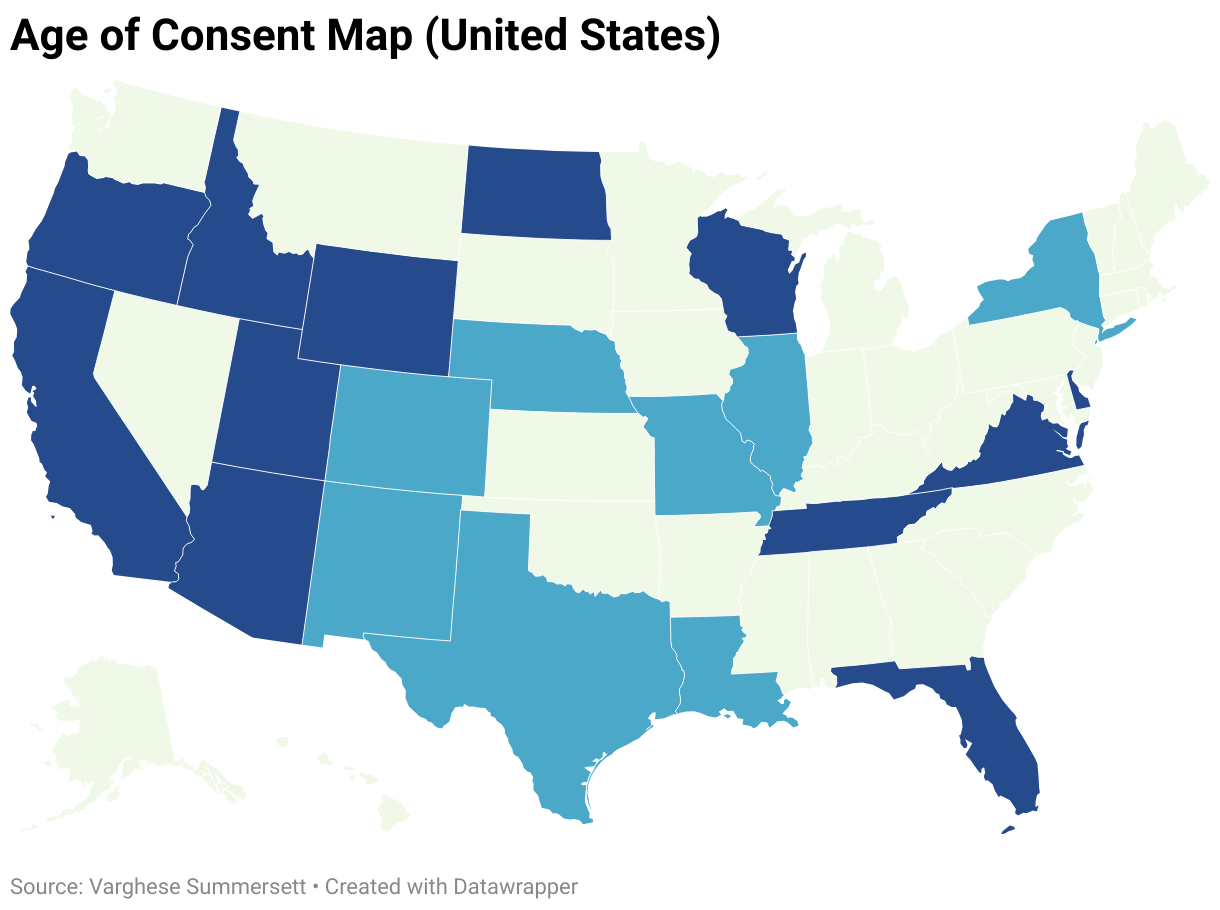
Enjoying Florida Responsibly
A trip to Florida promises sun, adventure, and relaxation. By being aware of and respecting the state’s age of consent laws, you ensure your visit remains a positive and enriching experience for everyone involved. Responsible tourism means being mindful of your impact, respecting local customs and laws, and prioritizing safety and ethics. Enjoy the beautiful beaches of Clearwater, the vibrant culture of Key West, and the natural wonders of the Everglades, knowing that you are navigating the Sunshine State not just as a visitor, but as a respectful and informed guest. Your awareness and adherence to these critical legal guidelines will pave the way for a truly unforgettable and trouble-free Florida adventure.
LifeOutOfTheBox is a participant in the Amazon Services LLC Associates Program, an affiliate advertising program designed to provide a means for sites to earn advertising fees by advertising and linking to Amazon.com. Amazon, the Amazon logo, AmazonSupply, and the AmazonSupply logo are trademarks of Amazon.com, Inc. or its affiliates. As an Amazon Associate we earn affiliate commissions from qualifying purchases.