
Embarking on an entrepreneurial journey, especially in a state as vibrant and diverse as Colorado, presents an exciting opportunity for individuals looking to blend a fulfilling lifestyle with a thriving business. Whether your vision involves opening a charming bed and breakfast near Aspen, launching a unique outdoor adventure tour company in the Rocky Mountains, or even running a digital nomad consultancy from a scenic base in Boulder, understanding the foundational steps of forming a Limited Liability Company (LLC) is paramount. An LLC offers a fantastic balance of flexibility, protection, and credibility, making it a popular choice for small business owners and startups in the travel, hospitality, and lifestyle sectors. This comprehensive guide will walk you through the process of establishing your LLC in the Centennial State, ensuring your venture is set up for success from the very beginning.
Why Colorado is a Premier Destination for Entrepreneurs (and Travelers Alike)
Colorado isn’t just a destination; it’s a lifestyle. Renowned for its breathtaking natural beauty, from the snow-capped peaks of the Rocky Mountains to the sprawling plains, the state attracts millions of tourists and new residents each year. This influx creates a dynamic environment rich with opportunities for businesses catering to travel, accommodation, local culture, and unique experiences. Cities like Denver, Colorado Springs, and Fort Collins offer bustling urban landscapes with thriving economies, while mountain towns such as Vail, Breckenridge, and Telluride are world-class resorts drawing visitors seeking adventure and luxury. This unique blend makes Colorado an ideal launchpad for lifestyle entrepreneurs.
The Allure of Colorado for Business and Leisure
Beyond its picturesque scenery, Colorado boasts a robust and growing economy, particularly in sectors that align perfectly with the “life out of the box” philosophy. The state’s commitment to outdoor recreation, sustainable tourism, and a high quality of life makes it a magnet for individuals seeking to create businesses that reflect these values. Imagine operating a boutique hotel nestled near Rocky Mountain National Park, a guided hiking service exploring the trails around Ouray, or a curated culinary tour through Denver’s vibrant food scene. The state government is generally pro-business, offering a relatively straightforward regulatory environment for new ventures. Furthermore, Colorado’s progressive policies often support small businesses, fostering an ecosystem where innovation and entrepreneurship can flourish. The diverse landscape means you could be developing a glamping experience near Mesa Verde National Park one day and a tech-enabled travel planning service in Grand Junction the next. This entrepreneurial spirit, coupled with unparalleled opportunities for leisure and adventure, makes Colorado an irresistible choice for forming a new LLC.
The LLC Advantage for Colorado Ventures
For many aspiring business owners in Colorado, the LLC structure stands out as the most advantageous choice. It combines the liability protection of a corporation with the operational simplicity and tax flexibility of a sole proprietorship or partnership. This means your personal assets—such as your home, car, and personal savings—are generally protected from business debts and lawsuits, a crucial safeguard when operating a business that might interact directly with the public, like a travel agency, a rental property, or a tour operator.
Moreover, LLCs offer flexibility in management structure, allowing owners (members) to manage the company directly or appoint managers. This adaptability is particularly beneficial for businesses that may start as a solo venture but intend to expand. Tax-wise, an LLC can choose to be taxed as a sole proprietorship, partnership, S-corporation, or C-corporation, allowing you to optimize your tax strategy as your Colorado venture grows. This combination of limited liability, management flexibility, and tax options makes the LLC an ideal vehicle for everything from a luxury travel concierge service to a mountain adventure resort.
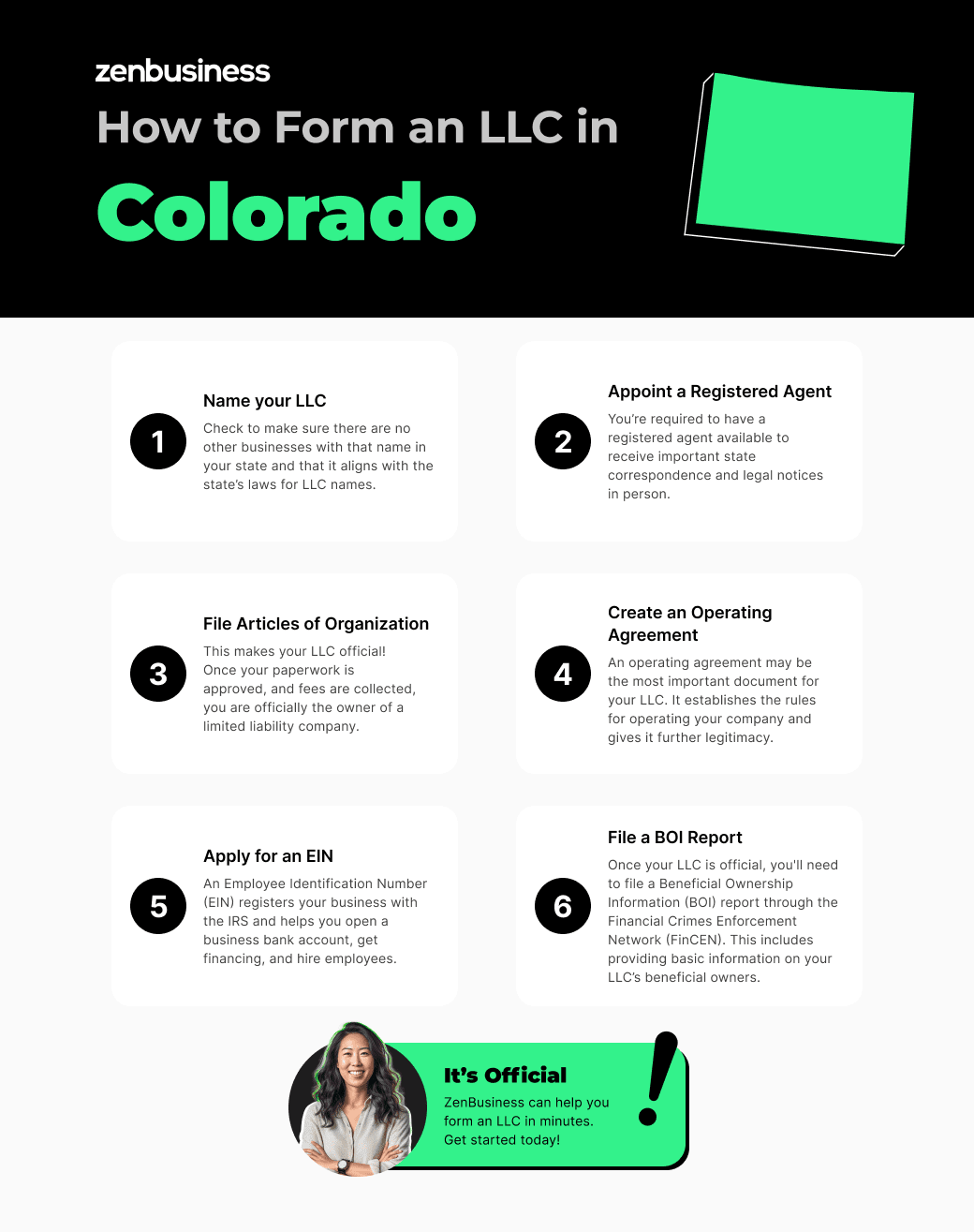
The Foundational Steps to Forming Your Colorado LLC
Establishing an LLC in Colorado is a structured process designed to ensure legal compliance and protect your business interests. While it may seem daunting at first, breaking it down into manageable steps makes it much clearer. The primary authority for business filings in the state is the Colorado Secretary of State. Understanding their requirements is key to a smooth formation process.
Step 1: Choosing and Securing Your Business Name (Branding for Travel & Tourism)
The first and arguably most creative step is naming your LLC. Your business name is not just a legal identifier; it’s a critical branding tool, especially in the competitive travel and tourism industry. A memorable and descriptive name can help you stand out, whether you’re offering bespoke travel experiences or operating a unique accommodation.
Legal Requirements:
- Your LLC’s name must include “Limited Liability Company,” “Ltd. Liability Co.,” “Limited Liability Company,” “L.L.C.,” or “LLC.”
- The name must be distinguishable from other active entities on file with the Colorado Secretary of State. You can perform a preliminary search on their website to check availability.
- Certain words (e.g., “Bank,” “Insurance,” “University”) may require additional licensing and often cannot be used without special permission.
Branding Considerations for Travel & Tourism:
When choosing a name for your Colorado-based travel or lifestyle business, think about:
- Memorability: Is it easy to remember and pronounce?
- Relevance: Does it convey what your business does or the experience it offers? For a high-end ski rental shop in Steamboat Springs, a name evoking luxury and winter sports would be ideal.
- Target Audience: Who are you trying to attract? A family-friendly resort will have a different naming style than an exclusive boutique hotel.
- Availability: Check not only with the Colorado Secretary of State but also for domain names and social media handles. A cohesive brand identity across all platforms is essential for modern businesses.
Once you’ve chosen a name, you might consider reserving it with the Colorado Secretary of State for a small fee, which holds the name for 120 days while you finalize other details.
Step 2: Appointing a Registered Agent in Colorado
Every LLC in Colorado is legally required to have a Registered Agent. This individual or entity acts as the official point of contact for your business, responsible for receiving legal documents (like service of process if your LLC is sued) and official government correspondence.
Key Requirements for a Registered Agent:
- Must be an individual residing in Colorado or a business entity authorized to transact business in the state.
- Must have a physical street address in Colorado (P.O. Boxes are not allowed).
- Must be available during normal business hours to receive documents.
Choosing Your Registered Agent:
You can appoint yourself, another member of the LLC, or hire a professional registered agent service. While appointing yourself might seem cost-effective, using a professional service offers several benefits:
- Privacy: It keeps your personal address off public record.
- Reliability: Ensures important documents are always received, even if you’re traveling (a common occurrence for “life out of the box” entrepreneurs!).
- Compliance: Professional services are experts in compliance and can help ensure you meet all legal obligations.
This is particularly important for businesses like Airbnb hosts or tour operators where owners might frequently be on the move or whose physical business location isn’t a traditional office.

Step 3: Filing Your Articles of Organization with the Colorado Secretary of State
This is the official step that formally creates your LLC. You file a document called “Articles of Organization” with the Colorado Secretary of State. This is typically done online, making the process relatively quick and efficient.
Information Required for Articles of Organization:
- Your LLC’s name.
- The name and street address of your Registered Agent.
- The principal office address of your LLC (can be a P.O. Box).
- The name and address of the organizer(s) (the person or entity filing the document).
- A statement indicating acceptance of the Registered Agent appointment.
- Whether the LLC will be member-managed or manager-managed.
Once filed and approved, the Colorado Secretary of State will provide you with a filing number and confirm your LLC’s legal existence. This is a monumental step in transforming your travel or lifestyle business dream into a legally recognized entity.
Essential Post-Formation Requirements for Your Colorado LLC
Forming your LLC is just the beginning. To ensure your Colorado venture operates smoothly and legally, there are several crucial steps to take immediately after formation. These post-formation requirements solidify your business structure, establish operational guidelines, and ensure you’re compliant with various governmental regulations.
Crafting a Robust Operating Agreement
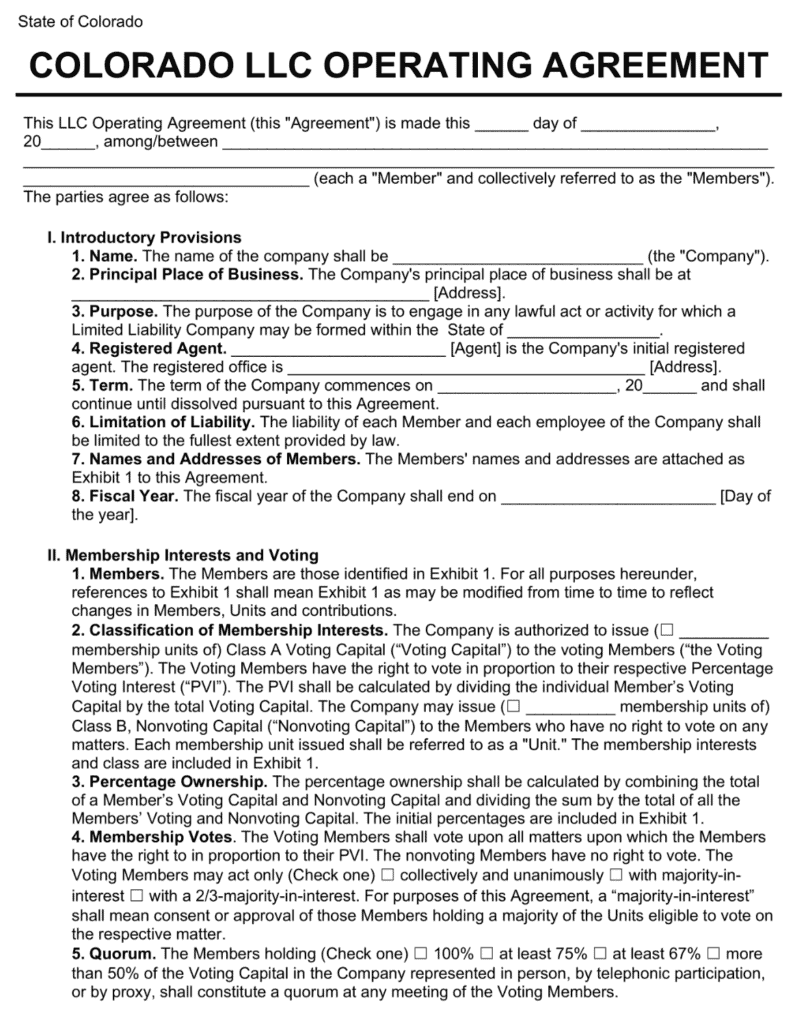
While the Colorado Secretary of State doesn’t require an Operating Agreement to be filed, it is, without a doubt, the most important internal document for your LLC. Think of it as the constitution for your business, outlining how it will be run, managed, and owned.
What an Operating Agreement Typically Includes:
- Ownership Percentages: Especially critical for multi-member LLCs, detailing each member’s capital contributions and ownership stake.
- Management Structure: How decisions will be made (e.g., majority vote, unanimous consent).
- Rights and Responsibilities of Members/Managers: Clear roles prevent future disputes.
- Distribution of Profits and Losses: How money will be shared among members.
- Procedures for Admitting New Members or Transferring Ownership: Essential for growth or succession planning.
- Dissolution Procedures: What happens if the LLC needs to close.
Even for single-member LLCs, an Operating Agreement is vital. It strengthens your liability protection by proving your business is separate from your personal affairs and provides a clear framework for operation. For a luxury travel agency or an eco-tourism operation, a well-defined operating agreement can protect against unforeseen circumstances and maintain the integrity of your brand.
Obtaining an Employer Identification Number (EIN)
An Employer Identification Number (EIN), also known as a Federal Tax Identification Number, is like a Social Security number for your business. It’s issued by the Internal Revenue Service (IRS) and is required if your LLC has employees, is taxed as a corporation, or has more than one member. Even single-member LLCs, if they choose to be taxed as an S-corp or hire employees, will need an EIN. Many banks also require an EIN to open a business bank account, which is a critical step for maintaining liability protection.
You can apply for an EIN online directly through the IRS website. The process is free and usually takes only a few minutes to complete, providing you with your EIN immediately. This number is essential for filing federal and state taxes, hiring staff for your Colorado resort, or managing payroll for your local food tour guides.
Navigating Colorado’s Business Licenses and Permits (Especially for Travel & Accommodation)
Beyond the initial LLC formation, your Colorado business will likely need various licenses and permits depending on its specific activities and location. This is where the travel, hospitality, and lifestyle focus of your venture becomes particularly relevant.
General State and Local Licenses:
- State Business License: While Colorado doesn’t have a general statewide business license, specific professions and activities are regulated at the state level.
- Sales Tax License: If your business sells products or services subject to sales tax (e.g., hotel stays, guided tours, retail souvenirs), you’ll need to register with the Colorado Department of Revenue for a sales tax license. This applies to most tourism-related businesses.
- Local Permits: Cities and counties in Colorado often have their own licensing requirements. For example, a restaurant in Denver will need health permits, a liquor license, and potentially zoning permits. A short-term rental property (like an Airbnb) in Boulder will have specific registration requirements and occupancy taxes.
Industry-Specific Licenses and Permits for Travel & Accommodation:
- Lodging Establishments: If you’re operating a hotel, motel, bed and breakfast, or vacation rental in Colorado, you’ll need to comply with state and local health and safety regulations, including fire codes and occupancy limits. Many localities, especially popular tourist areas like Aspen or Breckenridge, have strict licensing for short-term rentals and collect lodging taxes.
- Tour Operators/Outdoor Recreation: Businesses offering guided tours (hiking, rafting, skiing), adventure sports, or hunting/fishing guides may require special permits from federal (e.g., Forest Service for operating in national forests) or state agencies (e.g., Colorado Parks and Wildlife).
- Food and Beverage: If your hospitality business includes food service, expect health permits from local health departments.
- Alcohol Licenses: Selling alcohol in Colorado involves extensive state and local licensing processes.
It’s crucial to research the specific requirements for your business’s location and industry. Websites for the Colorado Department of Regulatory Agencies (DORA) and your specific city/county government are excellent resources. Failure to obtain necessary licenses can result in hefty fines and even business closure, jeopardizing your Colorado dream.
Sustaining Your Colorado LLC: Compliance and Growth
Once your Colorado LLC is officially formed and fully licensed, the journey continues with ongoing compliance and strategic planning for growth. A “life out of the box” entrepreneur understands that sustaining a business in a dynamic environment like Colorado requires consistent attention to legal obligations and an eye towards future opportunities, especially within the burgeoning travel and hospitality market.
Annual Compliance and Reporting
Unlike some other states, Colorado LLCs are generally required to file an Annual Report with the Colorado Secretary of State. This report keeps your business information current on the state’s public record, including details about your registered agent and principal office address.
Key aspects of annual compliance include:
- Filing Deadline: The annual report is due by the end of the anniversary month of your LLC’s formation.
- Information Updates: It’s an opportunity to update any changes to your LLC’s name, registered agent, or principal address.
- Fees: A small filing fee is typically required.
Beyond state filings, ongoing compliance also involves:
- Tax Obligations: Filing federal, state, and local income taxes, sales taxes, and potentially payroll taxes if you have employees. Staying current with tax laws, especially those specific to the hospitality industry (like lodging taxes), is vital.
- Maintaining Records: Keeping meticulous records of your LLC’s financial transactions, meeting minutes (if applicable), and operational documents. This is crucial for both legal compliance and sound business management.
- Operating Agreement Review: Periodically reviewing and updating your Operating Agreement, particularly as your business evolves, new members join, or significant changes occur in your business model. This ensures it remains relevant and effective.
Consistent adherence to these annual obligations protects your LLC’s good standing with the state, maintaining its liability shield and legal legitimacy.
Strategic Considerations for Colorado’s Travel and Hospitality Sector
For LLCs operating within Colorado’s vibrant travel, hospitality, and lifestyle sectors, strategic planning goes beyond basic compliance. It involves leveraging the state’s unique appeal and anticipating market trends to foster sustainable growth.
- Market Trends & Niche Opportunities: Colorado’s tourism industry is constantly evolving. Consider niches like sustainable tourism, wellness retreats, experiential travel, or digital nomad-friendly accommodations. For instance, a luxury rental LLC in Telluride might explore partnerships with local adventure guides to offer bespoke packages.
- Leveraging Local Culture: Colorado’s rich history, vibrant arts scene, and diverse culinary landscape offer endless opportunities for businesses. Think about integrating local artisans into your hotel décor, offering farm-to-table dining experiences, or collaborating with local breweries and distilleries.
- Digital Presence & Marketing: In the travel industry, an impactful online presence is non-negotiable. Invest in a professional website, optimize for search engines, and engage actively on social media. Showcase the beauty of Colorado and the unique experiences your LLC provides.
- Community Engagement: Building strong relationships within local communities, whether in Denver or a smaller town like Ouray, can enhance your brand’s reputation and foster goodwill. This is especially true for businesses that rely on local attractions and resources.
- Insurance: Beyond general liability, consider industry-specific insurance. For example, a tour operator will need specialized coverage for accidents, while a hotel owner might require property and professional liability insurance. Adequate insurance is a crucial component of risk management for any LLC.
- Expansion Opportunities: As your LLC thrives, consider expansion. This could involve acquiring additional properties, diversifying your service offerings, or even exploring franchises. The flexible nature of an LLC allows for easier adaptation and growth compared to other business structures.
By meticulously handling the legal formation and ongoing compliance, while strategically aligning with Colorado’s dynamic travel and lifestyle landscape, your LLC is not just set up to operate, but to truly flourish. The path to forming an LLC in Colorado is a clear one, empowering you to create a business that reflects your passion for life, travel, and entrepreneurship.
LifeOutOfTheBox is a participant in the Amazon Services LLC Associates Program, an affiliate advertising program designed to provide a means for sites to earn advertising fees by advertising and linking to Amazon.com. Amazon, the Amazon logo, AmazonSupply, and the AmazonSupply logo are trademarks of Amazon.com, Inc. or its affiliates. As an Amazon Associate we earn affiliate commissions from qualifying purchases.