
Panama City, Florida is renowned as a quintessential Sunshine State destination, drawing millions to its emerald waters and sugar-white sands each year. Whether you’re envisioning a sun-drenched beach vacation, a thrilling deep-sea fishing excursion, or a relaxed stroll along scenic piers, understanding the local temperature is paramount to planning your ideal getaway. Far from a mere number, the climate of Panama City, Florida dictates everything from your packing list to the types of activities you’ll most enjoy, influencing crowd levels, pricing, and the overall ambiance of your visit. This guide delves into the specifics of Panama City, Florida’s weather patterns, offering insightful perspectives to ensure your trip is perfectly tailored to the forecast.
Unpacking Panama City, Florida’s Subtropical Climate
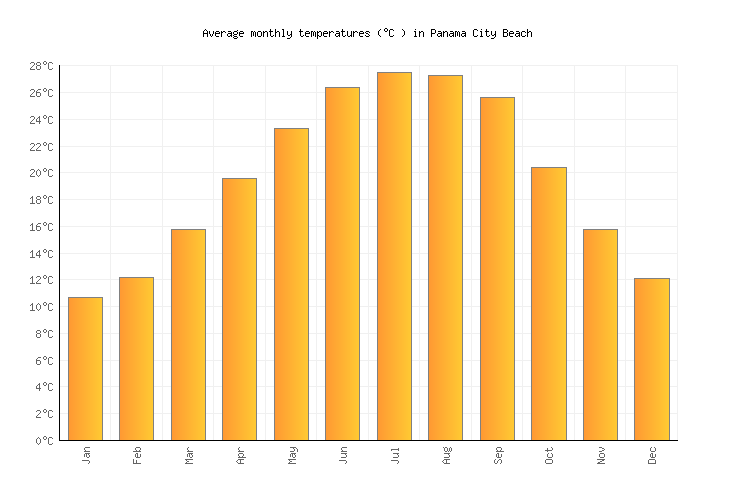
Nestled along the Gulf of Mexico, Panama City, Florida enjoys a humid subtropical climate, characterized by long, hot, and humid summers, and short, mild winters. This distinct weather profile is a major draw for visitors seeking warmth, especially those escaping colder northern climes. However, the term “subtropical” encompasses a range of experiences throughout the year, each with its unique charm and considerations for travelers.
A Year-Round Overview of Temperatures
The temperature in Panama City, Florida rarely dips to extreme lows, making it an attractive destination for much of the year. Average annual temperatures hover comfortably, with significant variations between seasons. Humidity plays a crucial role, particularly in the warmer months, making the “feels like” temperature often higher than the actual mercury reading. Sunshine is abundant, a defining characteristic of Florida, ensuring plenty of bright days for outdoor adventures. Precipitation is also a factor, with a distinct wet season marked by afternoon thunderstorms.
Seasonal Nuances: From Balmy Summers to Mild Winters
While the general climate is warm, each season in Panama City, Florida offers a different atmospheric experience. Summers are undeniably hot and humid, with daily highs frequently reaching the high 80s to low 90s Fahrenheit (around 30-34°C). The evenings offer little respite, staying warm and muggy. This is also the peak of the rainy season, characterized by brief, but often intense, afternoon downpours that quickly give way to sunshine again.
As autumn arrives, the heat slowly begins to temper, and humidity levels gradually decrease. Temperatures in fall range from the low 80s down to the 60s Fahrenheit (around 27-15°C), offering a more comfortable climate for outdoor activities. Winters are notably mild and pleasant, with average daytime temperatures in the 60s Fahrenheit (around 15-20°C) and occasional dips into the 40s (around 4-9°C) overnight. Frost is rare, and snow is virtually unheard of. Spring is a delightful transition, with rising temperatures and diminishing humidity, making it one of the most popular times to visit.
The Best Time to Visit: Matching Weather with Your Travel Style
Choosing the “best” time to visit Panama City, Florida largely depends on your personal preferences and what you hope to experience. Each season presents its own unique opportunities and challenges, from vibrant spring breaks to tranquil winter escapes.
Spring (March – May): The Sweet Spot for Sunshine Seekers
Spring in Panama City, Florida is often considered the ideal time to visit. The air is crisp and comfortable, with average temperatures ranging from the low 70s to high 80s Fahrenheit (21-31°C). Humidity is relatively low, making long days on the beach or exploring outdoor attractions incredibly pleasant. The Gulf of Mexico waters begin to warm up significantly, inviting swimmers, snorkelers, and paddleboarders. This period sees vibrant crowds for Spring Break in March, but by late April and May, the crowds thin out while the excellent weather persists. It’s perfect for fishing charters, enjoying the local seafood festivals, or simply relaxing on the uncrowded sands.
Summer (June – August): Embrace the Heat and High Season Fun
Summer truly brings the heat and humidity to Panama City, Florida. Daily highs consistently range from the high 80s to low 90s Fahrenheit (31-34°C), and the evenings remain warm. While intense, this is also when the area truly comes alive with families on vacation. The warm Gulf of Mexico waters are perfect for all water sports imaginable, from swimming and jet skiing to parasailing. Afternoon thunderstorms are common but typically brief, offering a refreshing break from the sun before resuming activities. It’s crucial to stay hydrated and seek shade during the hottest parts of the day. This season also coincides with hurricane season, so travelers should monitor forecasts closely.
Autumn (September – November): A Warm Welcome for Fall Explorers
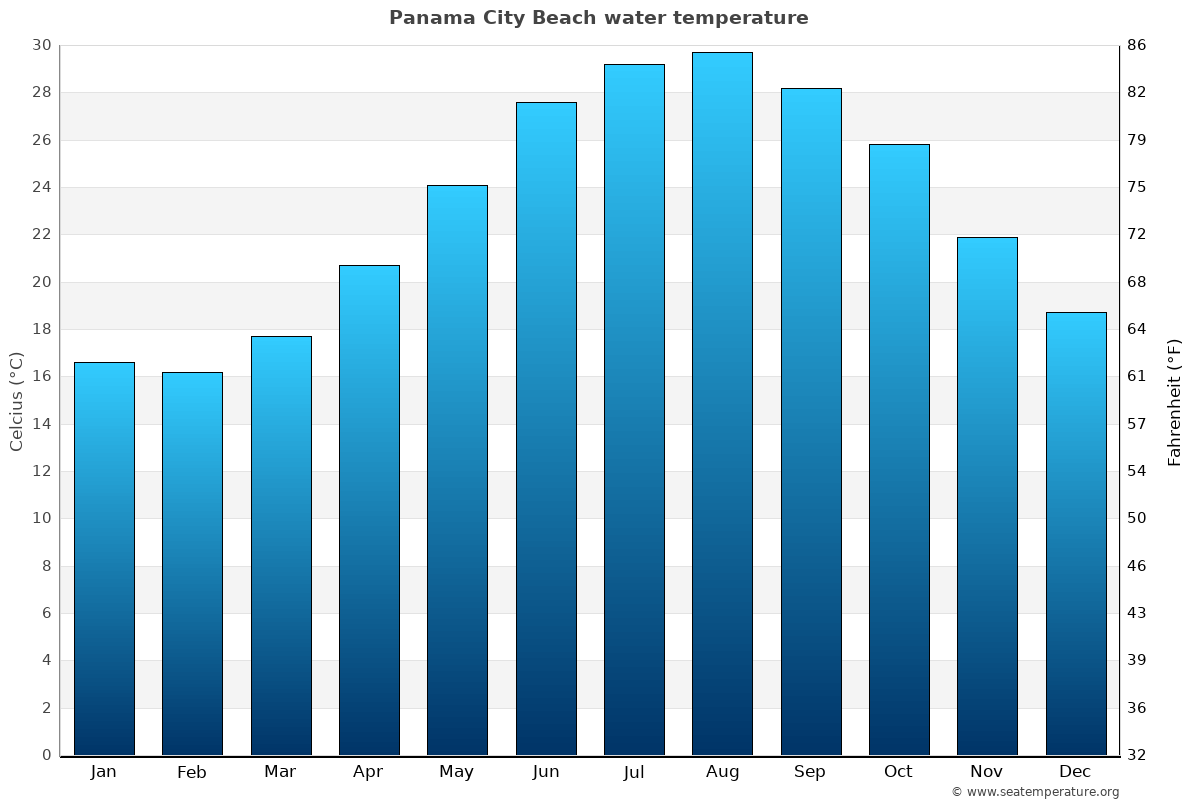
Following the summer rush, autumn ushers in a period of decreasing temperatures and humidity, making it another fantastic time to visit. Early fall still feels very much like summer, with temperatures in the 80s Fahrenheit (27-31°C), but by October and November, they mellow into the 70s (21-26°C) during the day. The Gulf of Mexico remains warm enough for swimming well into October. Crowds significantly diminish, offering a more peaceful experience while still enjoying excellent weather. This period is ideal for exploring state parks like St. Andrews State Park, engaging in birdwatching, or taking advantage of fewer lines at attractions. While the peak of hurricane season falls in early autumn, the risk typically lessens as the season progresses.
Winter (December – February): Mild Escapes and Festive Cheer
For those looking to escape harsh winter conditions, Panama City, Florida offers a wonderfully mild alternative. Daytime temperatures average in the 60s Fahrenheit (15-20°C), making it comfortable for long walks on the beach, golfing, or exploring the local shops and restaurants without breaking a sweat. Nights can be cool, sometimes dropping into the 40s (4-9°C), so layers are advisable. The humidity is at its lowest, and sunny days are plentiful. This is a popular season for “snowbirds” seeking refuge from colder climates. While swimming in the Gulf of Mexico might be a bit chilly for most, the pleasant weather is perfect for enjoying outdoor patios, fishing from piers, or participating in local holiday events.
Beyond the Thermometer: How Climate Influences Your Panama City, Florida Experience
The temperature in Panama City, Florida does more than just dictate whether you need a swimsuit or a light jacket; it fundamentally shapes the entire travel experience. Understanding these nuances can elevate your trip from good to unforgettable.
Packing Smart for Every Season
A well-packed suitcase is a happy suitcase, and in Panama City, Florida, intelligent packing means preparing for the prevailing temperatures and potential weather shifts. In summer, lightweight, breathable clothing, swimsuits, hats, sunglasses, and high-SPF sunscreen are non-negotiable. Don’t forget an umbrella or light rain jacket for those afternoon showers. Spring and fall call for versatility: think layers that can be added or removed as temperatures fluctuate throughout the day. Evenings might require a light sweater or jacket. Winter travel demands slightly warmer layers, especially for the evenings, though heavy coats are rarely needed. Year-round, comfortable walking shoes are a must, along with bug spray, particularly if you plan on exploring natural areas.
Optimal Activities for Various Weather Conditions
The weather in Panama City, Florida directly influences the best activities to pursue. Hot summer days are perfect for diving into the refreshing waves of the Gulf of Mexico, spending hours at Shipwreck Island Waterpark, or enjoying air-conditioned indoor attractions like Gulf World Marine Park. When afternoon thunderstorms roll in, it’s an ideal time to visit local shops, museums, or enjoy a leisurely meal at one of the many fantastic restaurants.
During the milder spring and fall months, outdoor exploration becomes incredibly appealing. Hiking and biking trails at St. Andrews State Park or Conservation Park are popular, as are fishing excursions, dolphin tours, and rounds of golf. Winter’s cooler temperatures are perfect for long, uninterrupted beach walks, exploring the Historic St. Andrews district, or enjoying outdoor dining with a pleasant breeze. No matter the temperature, there’s always something engaging to do, provided you plan accordingly.
Understanding Hurricane Season and Travel Preparedness
Hurricane season in the Atlantic runs from June 1st to November 30th, with the peak activity typically occurring from mid-August to late October. While a direct hit is rare, it’s a significant weather factor for travelers visiting Panama City, Florida during these months. It’s essential to stay informed by monitoring weather forecasts from reliable sources like the National Weather Service and local news channels. Travel insurance that covers weather-related cancellations or interruptions is highly recommended for peace of mind during hurricane season. Many hotels and attractions in Panama City, Florida also have their own policies regarding tropical storms, so it’s wise to inquire when booking.
Planning Your Perfect Getaway: Tips for Panama City, Florida Travelers
Optimizing your Panama City, Florida vacation means more than just booking flights and accommodation; it involves strategic planning around the anticipated weather.
Checking Forecasts and Adapting Plans
While this guide provides general insights into Panama City, Florida’s climate, weather can be unpredictable. Always check a reliable, up-to-date local forecast a few days before and throughout your trip. This allows you to fine-tune your packing and daily activity schedule. If a pop-up shower is expected, plan an indoor activity for that time. If a heatwave is predicted, prioritize early morning beach visits and midday breaks in air-conditioned comfort. Flexibility is key to maximizing your enjoyment.
Making the Most of Shoulder Seasons
For travelers who prefer fewer crowds and often more competitive pricing, the “shoulder seasons” — late spring (May) and early fall (September-October) — offer an excellent balance of great weather and a more relaxed atmosphere. During these times, the intense summer heat begins to subside or hasn’t fully arrived, and the bulk of the tourist crowds have either departed or not yet arrived. This period allows for a more intimate experience with Panama City, Florida’s natural beauty and attractions, often with pleasant temperatures perfect for extended outdoor exploration.
In conclusion, the temperature in Panama City, Florida is a central character in any travel narrative to this stunning destination. Whether you crave the vibrant energy of a summer beach holiday, the serene comfort of a spring or fall escape, or the mild respite of a winter getaway, understanding its unique climate will empower you to plan an unforgettable experience. By aligning your expectations and preparations with the local weather patterns, you’re sure to make the most of every sun-drenched moment on Florida’s spectacular Emerald Coast.
LifeOutOfTheBox is a participant in the Amazon Services LLC Associates Program, an affiliate advertising program designed to provide a means for sites to earn advertising fees by advertising and linking to Amazon.com. Amazon, the Amazon logo, AmazonSupply, and the AmazonSupply logo are trademarks of Amazon.com, Inc. or its affiliates. As an Amazon Associate we earn affiliate commissions from qualifying purchases.