
Key West, Florida‘s southernmost point, is renowned for its vibrant culture, stunning sunsets, and, most notably, its consistently warm weather. For travelers contemplating a visit to this unique island paradise, understanding the local climate, particularly its temperature patterns, is paramount. Unlike many other destinations, Key West doesn’t experience the dramatic seasonal shifts common across much of the continental United States. Instead, it offers a tropical embrace characterized by year-round warmth, abundant sunshine, and a distinct lack of frost. This climatic stability is a major draw for tourists seeking an escape from colder climes or simply a perpetual summer vibe. Delving into the nuances of Key West’s temperature reveals a destination perfectly suited for outdoor activities, from sunbathing on pristine beaches to exploring historic streets, any time of the year.
Understanding Key West’s Tropical Climate
Key West’s position on the map is the primary determinant of its consistently balmy temperatures. Situated closer to the equator than any other city in the continental United States, it benefits from a true tropical savanna climate. This classification means two main things for visitors: warm temperatures throughout the year and distinct wet and dry seasons, though even the wet season rarely brings prolonged periods of inclement weather. The absence of cold fronts and freezing temperatures, a welcome relief for many, shapes everything from the local flora and fauna to the laid-back island lifestyle.
The Influence of Latitude and Ocean Currents
The geographic location of Key West at approximately 24.5 degrees North latitude places it firmly within the tropics. This low latitude ensures that the sun’s rays hit the island directly for much of the year, leading to high average temperatures. However, it’s not just latitude that dictates Key West’s climate. The surrounding waters of the Atlantic Ocean to the south and east, and the Gulf of Mexico to the north and west, play an equally crucial role. The Gulf Stream, a powerful warm ocean current originating in the Gulf of Mexico, flows past the Florida Keys and into the Atlantic Ocean. This continuous flow of warm water acts as a natural thermostat, moderating air temperatures and preventing them from dropping too low even during the “cooler” months. The constant sea breeze also helps to mitigate the heat, making even the warmest days feel more comfortable, especially near the coast. This unique combination of tropical latitude and oceanic influence guarantees a climate that is remarkably stable and warm year-round, distinguishing Key West from most other North American destinations.
A Year-Round Destination: Minimal Seasonal Variation
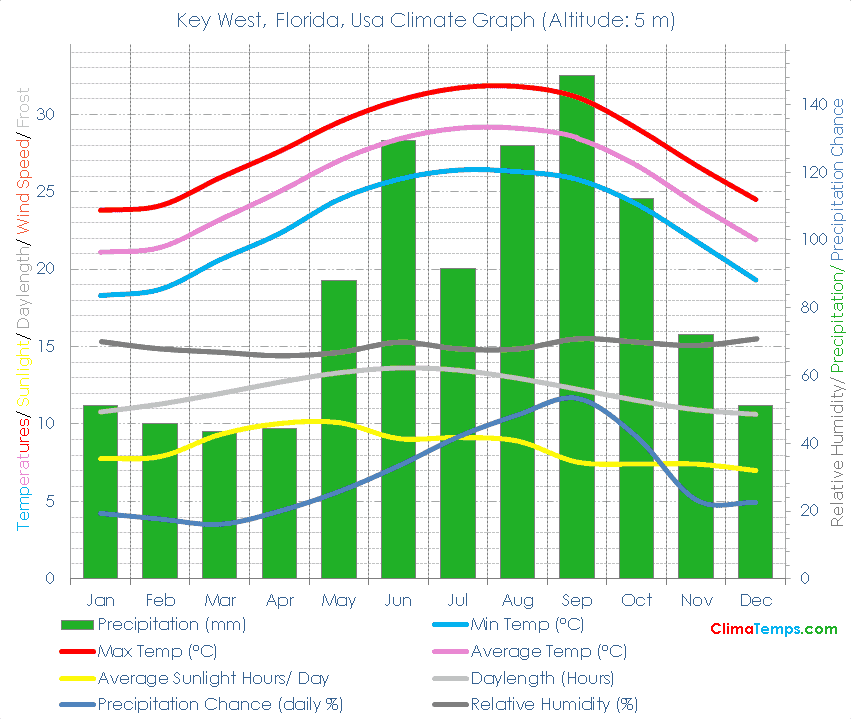
Unlike regions that experience four distinct seasons with dramatic temperature swings, Key West essentially has two primary seasons: a warm, relatively dry season from November to April, and a hot, humid, and rainy season from May to October. However, even these distinctions are subtle when it comes to temperature. The average annual temperature hovers around a delightful 78°F (25.6°C). In the peak of winter, average daily highs are in the mid-70s°F (23-24°C), rarely dipping below 60°F (15°C) at night. Summer sees average daily highs climb into the upper 80s°F (31-32°C), with overnight lows staying in the upper 70s°F (25-26°C). This minimal variation means that regardless of when you plan your trip, you can expect warm weather suitable for beach activities, water sports, and leisurely strolls. The consistent warmth reinforces Key West’s reputation as a perpetual summer retreat, making it an ideal choice for travelers seeking consistent warmth and sunshine.
Seasonal Temperature Breakdown: Planning Your Visit
While Key West enjoys a consistently warm climate, there are subtle seasonal differences that can influence your travel experience and what you might pack. Understanding these nuances can help you choose the best time to visit based on your personal preferences for temperature, humidity, and crowd levels.
Winter Warmth: Escaping the Northern Chill (December – February)
For many, Key West’s winter months are the epitome of paradise. As much of North America shivers under snow and ice, Key West basks in glorious sunshine with comfortably warm temperatures. Average daytime highs typically range from 72°F to 77°F (22°C to 25°C), while evenings cool down pleasantly to the mid-60s°F (18-20°C). Humidity levels are at their lowest during this period, making the warmth feel less oppressive. This “dry season” also brings minimal rainfall, ensuring more days of uninterrupted sunshine. This is arguably the most popular time to visit, attracting snowbirds and those looking for a festive escape, particularly around the holidays. The weather is perfect for exploring Duval Street, enjoying a sunset celebration at Mallory Square, or indulging in offshore excursions.
Spring’s Sweet Spot: Ideal Conditions (March – May)
Spring in Key West offers a continuation of the fantastic winter weather, often considered by many to be the “sweet spot” for a visit. Temperatures gradually climb, with average highs ranging from 78°F to 84°F (25°C to 29°C), and lows in the comfortable 70s°F (21-23°C). The humidity remains relatively low compared to summer, and rainfall is still infrequent. The ocean temperatures become even more inviting, making it perfect for swimming, snorkeling, and diving in the crystal-clear waters. This period sees a slight increase in tourist numbers as spring break travelers and those looking for a pre-summer getaway flock to the Keys. Activities like visiting the Ernest Hemingway Home and Museum or relaxing at Fort Zachary Taylor Historic State Park are incredibly enjoyable under these conditions.
Summer Sizzle: Embracing the Heat and Humidity (June – August)
Summer in Key West is characterized by consistent heat and significant humidity. Average daytime highs frequently reach the upper 80s°F to low 90s°F (31°C to 33°C), and even overnight, temperatures rarely drop below the mid-70s°F (24-26°C). This is the “wet season,” meaning you can expect daily afternoon thunderstorms. These showers are often brief and intense, quickly clearing to reveal sunshine again, bringing a temporary respite from the heat. Despite the humidity, many travelers enjoy the summer for its vibrant atmosphere, warmer ocean temperatures, and typically lower prices for accommodations compared to the peak winter season. It’s the perfect time for water-centric activities like kayaking, paddleboarding, or taking a ferry to Dry Tortugas National Park.
Autumn’s Appeal: Transitioning to Cooler Comfort (September – November)
Autumn in Key West is a transitional period that gradually shifts from the peak summer heat and humidity towards the more comfortable winter conditions. September and early October can still feel very much like summer, with highs in the mid-80s°F (29-31°C) and persistent humidity. This period also coincides with the peak of hurricane season, though direct hits are rare, it’s wise to monitor forecasts. As November approaches, temperatures begin to moderate, dropping into the upper 70s°F (25-26°C) during the day, and humidity levels noticeably decrease. Rainfall becomes less frequent, signaling the return of the dry season. For those who enjoy warmth but prefer to avoid the summer’s intensity and crowds, late autumn, particularly November, offers a wonderful balance.
Beyond Temperature: Humidity, Sunshine, and Precipitation
While temperature is a key factor, a complete understanding of Key West’s climate requires considering other elements that significantly impact the travel experience. Humidity, sunshine, and precipitation patterns work in concert with temperature to define the island’s atmospheric character.
The Humidity Factor: What to Expect
Humidity is an inherent part of Key West’s tropical climate. During the summer months (June to October), relative humidity can often hover around 75-90%, making the already high temperatures feel even warmer due to a higher heat index. This is something to prepare for, especially if you’re sensitive to muggy conditions. Air-conditioned accommodations and indoor activities become particularly appealing during this period. Conversely, from November to May, the humidity significantly drops, making the warm air much more pleasant and conducive to extended outdoor exploration. The dry air enhances comfort, making those mid-70s°F days feel truly idyllic. Knowing when to expect higher or lower humidity can greatly influence your packing choices and activity planning.
Sunshine Abundance: Key West’s Signature
One of Key West’s most celebrated attributes is its copious sunshine. The island boasts an impressive average of 259 sunny days per year, well above the U.S. national average. Even during the wet season, while afternoon showers are common, they are typically short-lived, quickly giving way to brilliant sunshine once more. This consistent sunlight is why Key West is famous for its vibrant sunsets, drawing crowds nightly to places like Mallory Square for celebratory viewings. The abundance of sun makes it an ideal destination for sunbathing, photography, and any activity that thrives under clear skies. Remember to pack high-SPF sunscreen and wide-brimmed hats, as the sun’s intensity is significant year-round.
Rainfall Patterns: Short Bursts vs. Prolonged Downpours
Key West experiences distinct wet and dry seasons. The dry season, running from November to April, sees minimal rainfall, with average monthly precipitation typically below 2 inches. This period offers the most reliably sunny and dry weather. The wet season, from May to October, sees a significant increase in rainfall, with monthly averages often exceeding 4-6 inches. However, these aren’t typically days of continuous rain. Instead, rainfall usually manifests as intense, localized afternoon thunderstorms that last for an hour or two before the sun reappears. These tropical downpours can be quite dramatic but often provide a refreshing break from the heat. It’s rare for an entire day to be washed out, allowing travelers to plan their outdoor activities around these predictable afternoon showers.
Activities and Attire: Thriving in Key West’s Climate
Understanding Key West’s temperature and weather patterns is crucial for planning your daily activities and packing appropriately. The warm, tropical climate dictates a specific approach to attire and how best to enjoy the island’s many offerings.
Water-Based Adventures: Beat the Heat
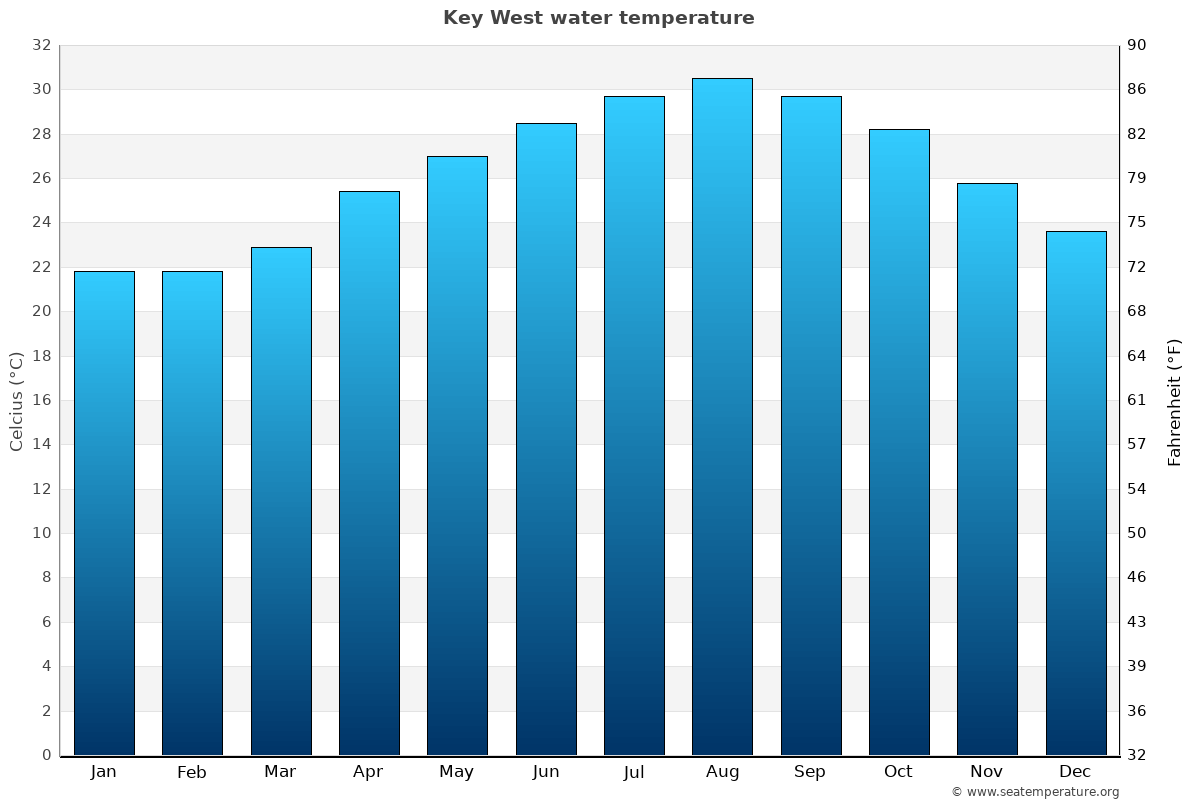
Given the perpetual warmth of both the air and the ocean, water activities are a cornerstone of the Key West experience. Swimming, snorkeling, diving, paddleboarding, kayaking, and fishing are popular year-round. The ocean temperature typically ranges from the low 70s°F (21-22°C) in winter to the upper 80s°F (31°C) in summer, making it comfortable for swimming at any time. During the hotter, more humid summer months, these water-based excursions become even more appealing as they offer a perfect way to cool down and escape the intensity of the midday sun. Many boat tours offer shaded areas, and offshore breezes provide additional relief.
Exploring On Land: Morning and Evening are Key
While water activities are fantastic, Key West also beckons with its unique historical sites, vibrant Duval Street attractions, and picturesque neighborhoods. For land-based exploration, especially during the warmer parts of the year, it’s advisable to plan activities for the mornings or late afternoons/evenings. The cooler temperatures and lower sun intensity during these times make walking tours, visits to museums like the Ernest Hemingway Home and Museum, or simply strolling through the colorful streets far more enjoyable. Midday is often best spent indoors, under a shady tree, or in the refreshing ocean.
Packing Essentials: Dressing for Success in the Tropics
Regardless of the season, light, breathable clothing is key for a trip to Key West. Think cotton, linen, and moisture-wicking fabrics. Shorts, t-shirts, sundresses, and swimwear will be your daily uniform. A light jacket or sweater might be useful for cooler winter evenings or overly air-conditioned indoor spaces. Crucially, don’t forget sun protection: a wide-brimmed hat, sunglasses, and reef-safe sunscreen are absolute necessities to protect against the strong tropical sun. Comfortable walking shoes are also a must for exploring the charming streets. For the wet season, a lightweight rain jacket or umbrella can be handy for those sudden afternoon showers, though many locals simply embrace the rain.
The Best Time to Visit Key West Based on Temperature Preferences
Choosing the “best” time to visit Key West ultimately depends on individual preferences for temperature, humidity, crowd levels, and budget. The island truly offers something for everyone, regardless of when you arrive.
For Mild Weather Seekers
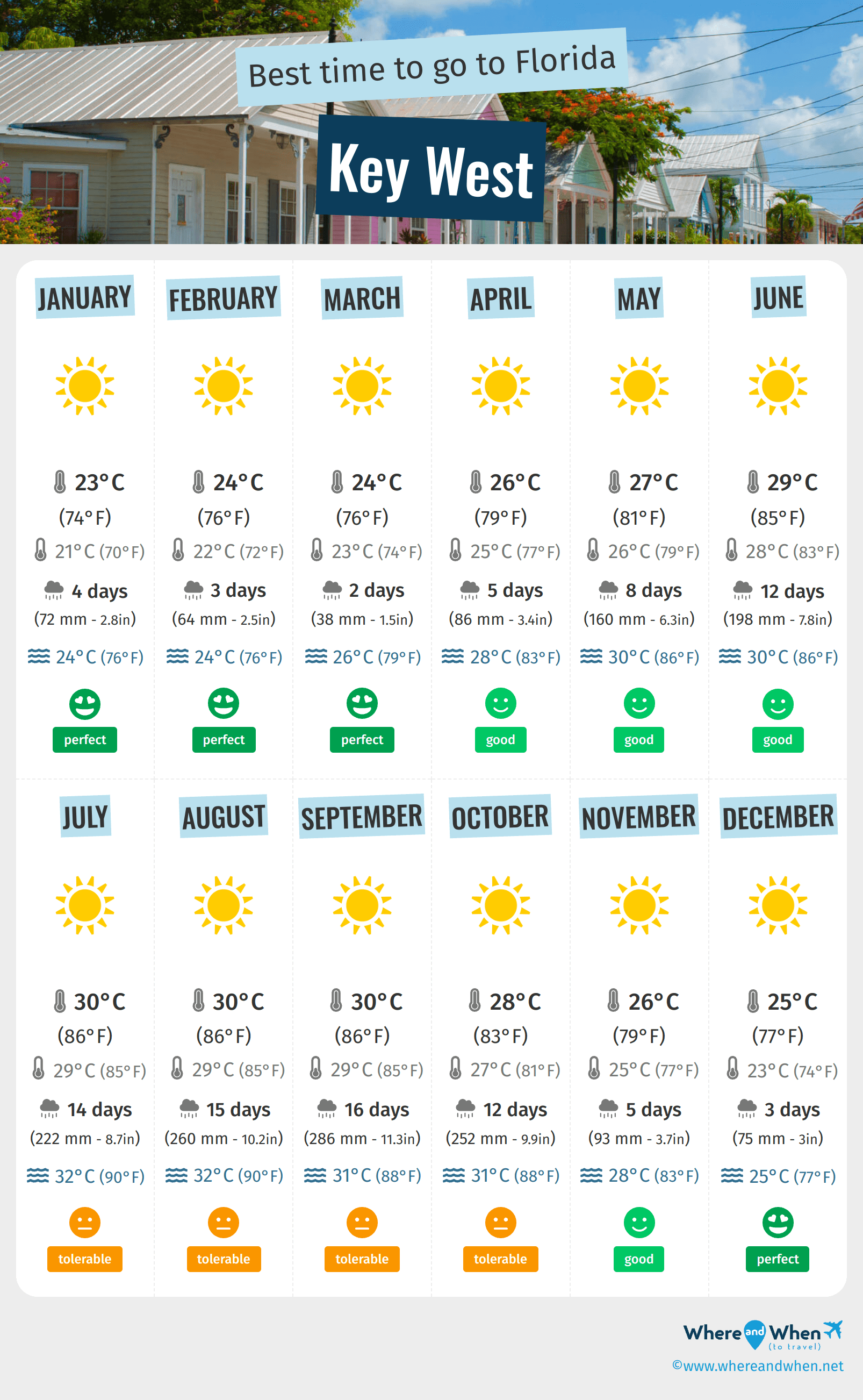
If your ideal vacation involves comfortable warmth, low humidity, and minimal chance of rain, then the winter and spring months, from December through May, are your best bet. This period offers consistently pleasant temperatures in the 70s°F to low 80s°F (21-29°C), perfect for all types of outdoor activities without feeling overly hot or humid. Be prepared for higher tourist numbers and potentially higher prices, particularly during peak holiday weeks and spring break.
For Budget-Conscious Travelers
For those looking to experience Key West without the peak-season price tag, consider the shoulder months of May, early June, or November. While May and early June will be warmer and more humid, the ocean is wonderfully warm, and crowds begin to thin slightly. November marks the transition to cooler, drier weather and can offer excellent value before the full swing of the winter season. The summer months (July-October) are generally the least expensive, but you must be prepared for significant heat, humidity, and the possibility of tropical storms.
For Those Who Love the Heat
If you thrive in high temperatures and don’t mind the humidity, or if you plan to spend most of your time in the water, then June through September will be a fantastic time. The ocean is at its warmest, and the island pulsates with a relaxed, vibrant energy. While the heat is intense, the frequent afternoon showers provide a refreshing interlude, and the lively atmosphere continues well into the evening. This period is also ideal for experiencing the local flair with fewer crowds than the winter peak.
In conclusion, Key West consistently delivers on its promise of warmth. Whether you seek the mild comfort of winter, the balanced bliss of spring, or the full embrace of summer’s heat, the island’s unique tropical climate ensures a memorable and sun-drenched escape at any time of year. Understanding its temperature patterns, coupled with insights into humidity and rainfall, empowers travelers to plan their perfect Key West adventure.
LifeOutOfTheBox is a participant in the Amazon Services LLC Associates Program, an affiliate advertising program designed to provide a means for sites to earn advertising fees by advertising and linking to Amazon.com. Amazon, the Amazon logo, AmazonSupply, and the AmazonSupply logo are trademarks of Amazon.com, Inc. or its affiliates. As an Amazon Associate we earn affiliate commissions from qualifying purchases.