
The acquisition of Florida by the United States represents a pivotal chapter in the young nation’s expansionist ambitions and its evolving geopolitical landscape. More than a simple territorial exchange, it was the culmination of centuries of shifting colonial powers, border disputes, diplomatic maneuvering, and strategic imperatives. For over three centuries, Florida existed under various flags, its unique history shaping its identity long before it became a part of America. Understanding “when” the United States acquired this peninsular jewel requires a deep dive into the complex tapestry of its past, from the arrival of European explorers to the final stroke of a diplomatic pen. This narrative of a land coveted for its strategic position and abundant resources offers profound insights into the foundational forces that shaped the North American continent.
A Legacy of European Claims: The Early Years of La Florida
Before becoming American, Florida was a contested frontier, a land claimed and reclaimed by European powers vying for dominance in the New World. Its strategic location at the southeastern tip of the North American continent made it a critical gateway to the Gulf of Mexico and the wider Caribbean, shaping its tumultuous early history under colonial rule.
Ponce de León’s Discovery and Spanish Dominion
The documented European history of Florida begins in 1513 when Spanish explorer Juan Ponce de León landed on its shores, naming the lush new land “La Florida” in honor of Spain’s Easter celebration, Pascua Florida (Feast of Flowers). This act of claiming marked the beginning of over 300 years of Spanish influence, though it was often challenged. Spain’s interest in Florida was primarily strategic: it served as a buffer protecting its lucrative trade routes from Mexico and South America through the Florida Straits. The establishment of St. Augustine in 1565 by Pedro Menéndez de Avilés cemented Spain’s presence, making it the oldest continuously inhabited European-established settlement in the present-day United States. Despite this early foothold, Spanish control over the vast and often hostile interior was always tenuous, frequently challenged by indigenous populations and rival European powers.
Shifting Powers: British and Spanish Interludes
The 18th century brought significant upheaval to Florida’s colonial status. Following the French and Indian War (Seven Years’ War), Spain ceded Florida to Great Britain in 1763 in exchange for Havana, Cuba, which had been captured by the British. Under British rule, Florida was divided into East Florida (capital at St. Augustine) and West Florida (capital at Pensacola). The British actively encouraged settlement and developed agriculture, leading to a period of modest economic growth. However, this period was short-lived. During the American Revolutionary War, Spain, allied with the American colonists and France, launched successful campaigns against the British in West Florida. By the terms of the Treaty of Paris (1783), which ended the American Revolutionary War, Great Britain returned both East and West Florida to Spain. This second Spanish period (1783-1821) was characterized by declining Spanish authority, increasing instability, and a growing presence of American settlers and military incursions, setting the stage for its ultimate transfer to the United States.
The Seeds of American Ambition: Expansion and Border Tensions
The re-acquisition of Florida by Spain came at a time when the nascent United States was rapidly expanding westward, fueled by a doctrine of manifest destiny and a desire to secure its borders. Spanish Florida, weakly governed and strategically positioned, quickly became a point of contention and a target for American expansionist aspirations.
The Louisiana Purchase and its Indirect Impact
Although geographically distinct, the Louisiana Purchase of 1803 profoundly influenced American interest in Florida. This massive acquisition of territory from France by President Thomas Jefferson doubled the size of the United States, extending its western frontier to the Rocky Mountains and giving it control over the vital Mississippi River and the port of New Orleans. While the Louisiana Purchase did not include Florida, it solidified the American belief in continental expansion and highlighted the strategic importance of controlling the entire southern coastline. The existence of a foreign-controlled territory, particularly one with a disputed western boundary (as was the case with West Florida), became an increasingly untenable situation for a nation committed to securing its economic and defensive interests. The purchase demonstrated America’s capacity and willingness to acquire vast territories through diplomatic means when possible, setting a precedent for future negotiations.
Fugitive Slaves and Native American Conflicts
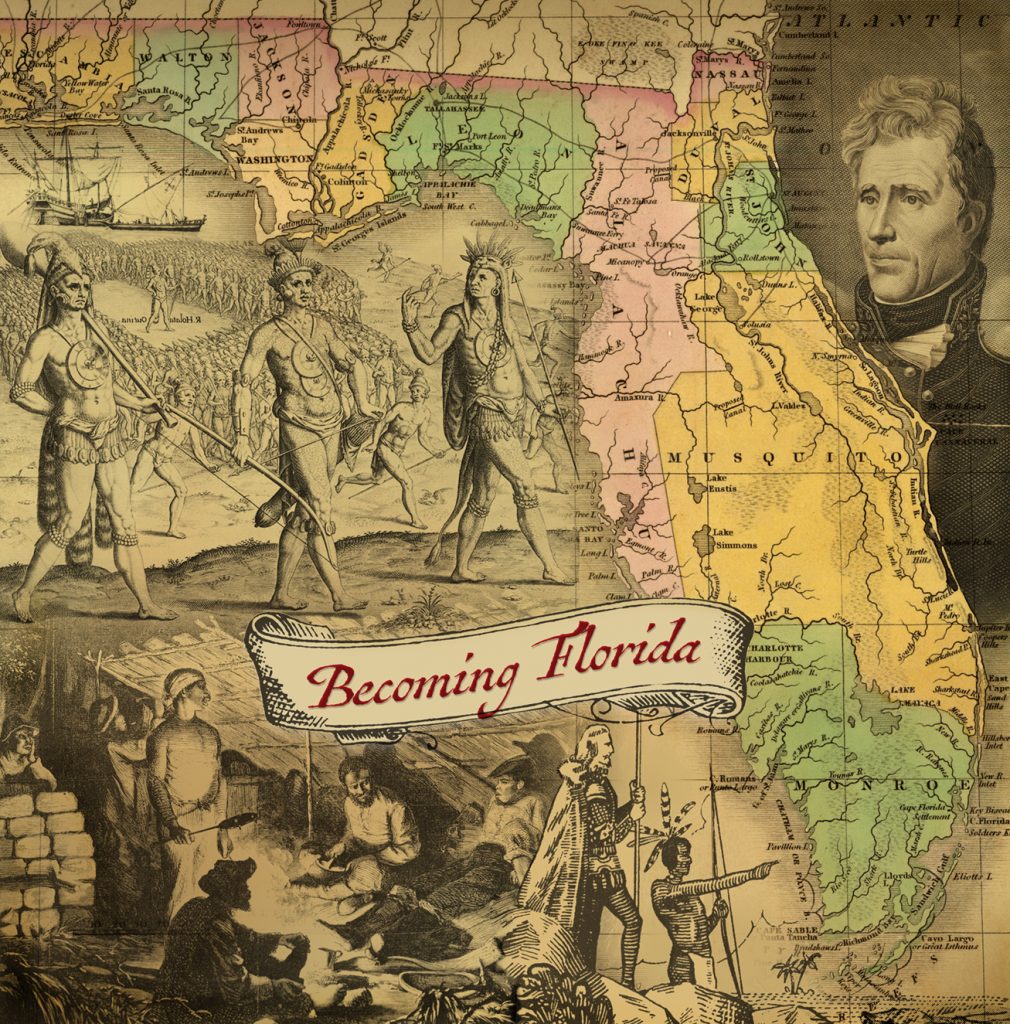
The porous border between the United States and Spanish Florida became a major source of conflict and a catalyst for American intervention. For decades, Florida had served as a refuge for runaway slaves from southern plantations, who found freedom among the Seminole and Creek Native American tribes, forming communities known as Black Seminoles. This phenomenon deeply angered American slaveholders and added pressure on the U.S. government to exert control over the territory. Simultaneously, the lack of effective Spanish control allowed Native American tribes, notably the Seminoles, to launch raids into American territory, particularly Georgia, and then retreat to safety across the border. These incursions, coupled with ongoing disputes over land and resources, culminated in the First Seminole War (1817-1818). Under the command of General Andrew Jackson, American forces invaded Florida, seizing Spanish forts at St. Marks and Pensacola and effectively demonstrating Spain’s inability to control its own territory. This military action, though controversial, underscored the urgency for a definitive resolution to Florida’s status.
The Adams-Onís Treaty: A Diplomatic Triumph
The escalating tensions along the border and Spain’s waning power in the Americas ultimately paved the way for a diplomatic solution. The “acquisition” of Florida was not through conquest but through a carefully negotiated treaty, representing a significant achievement in early American foreign policy.
Negotiations and Key Figures
The stage was set for formal negotiations between the United States and Spain. The primary American negotiator was Secretary of State John Quincy Adams, a brilliant diplomat and strategist who understood the critical importance of Florida to American security and expansion. Representing Spain was Minister Luis de Onís, who faced the unenviable task of negotiating for a struggling empire. Spain was weakened by the Napoleonic Wars and increasingly preoccupied with revolts in its Latin American colonies. Recognizing that it could no longer effectively govern or defend Florida, Spain was eager to resolve the issue and consolidate its remaining colonial holdings. Adams masterfully leveraged Jackson’s military incursions and Spain’s financial woes, pushing for favorable terms. The negotiations were protracted, but Adams’s firm stance and Spain’s precarious position ultimately led to a landmark agreement.
Terms and Ratification
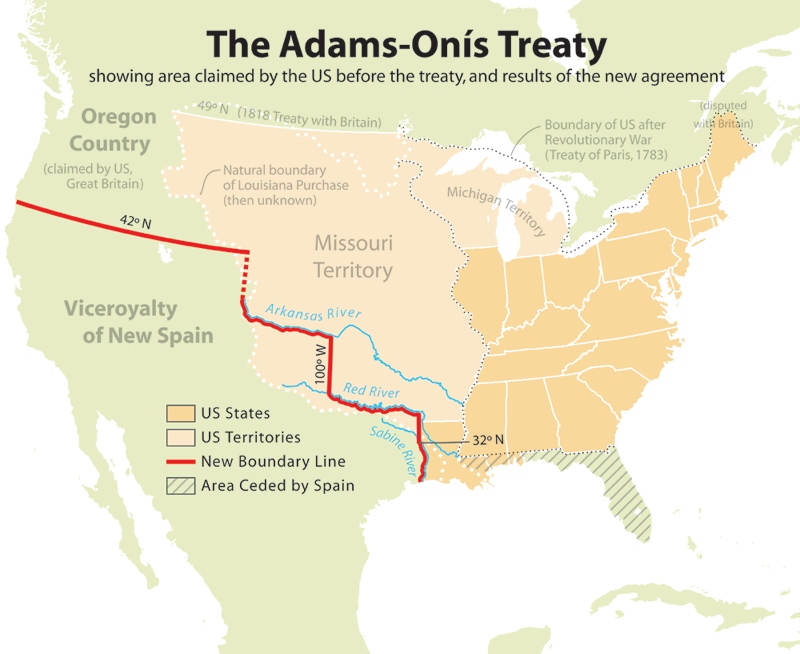
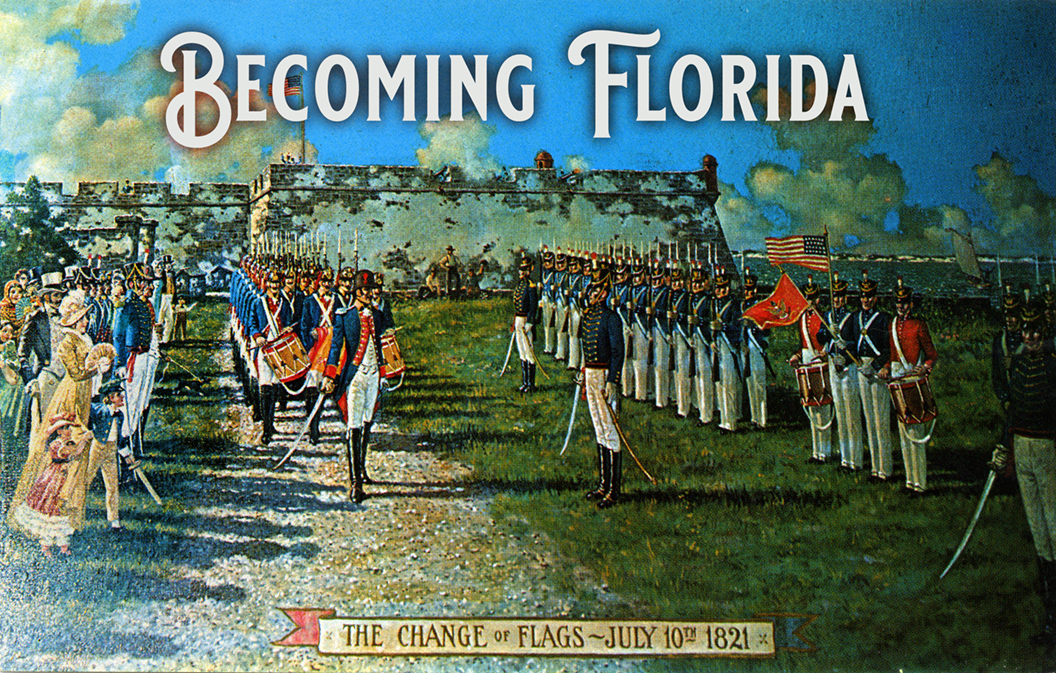
The result of these negotiations was the Transcontinental Treaty, famously known as the Adams-Onís Treaty, signed in Washington, D.C. on February 22, 1819. Under the terms of the treaty, Spain ceded all of Florida to the United States. In return, the United States agreed to assume up to $5 million in claims by American citizens against Spain for damages. Crucially, the treaty also defined the western boundary of the Louisiana Purchase all the way to the Pacific Ocean, essentially establishing the southern boundary of what would become the continental United States and relinquishing any American claims to Texas. Despite being signed in 1819, the treaty’s ratification was delayed due to internal Spanish political turmoil. It was finally ratified by Spain on October 24, 1820, and by the United States Senate on February 19, 1821. The formal exchange of ratifications occurred on February 22, 1821, thus marking February 22, 1821, as the definitive date when the United States officially acquired Florida. This date solidified American control over the entire Atlantic and Gulf coastlines from Maine to Louisiana, ending a long and often contentious period of foreign dominion over this crucial territory.
Florida Under the American Flag: From Territory to Statehood
The formal transfer of Florida to the United States on February 22, 1821, marked the beginning of a new era for the territory. The transition from Spanish colony to American territory, and eventually to statehood, involved significant administrative, political, and social changes that shaped Florida’s unique identity within the Union.
The Territorial Period and Early Governance
Immediately following the acquisition, Florida was organized into the Florida Territory on March 30, 1822. General Andrew Jackson, a key figure in the events leading to the acquisition, was appointed its first military governor. His tenure was brief but instrumental in establishing American law and order. The new territorial government had to contend with a diverse population, including remaining Spanish residents, newly arrived American settlers, various Native American tribes (most notably the Seminoles), and free and enslaved African Americans. The initial years were focused on consolidating American authority, establishing infrastructure, and surveying land for settlement. In 1824, Tallahassee was chosen as the territorial capital, strategically located between the two major Spanish cities of St. Augustine and Pensacola. This period saw a dramatic increase in American immigration, driven by the promise of fertile land for cotton and sugar cane cultivation, which in turn spurred the expansion of the plantation economy and intensified the institution of slavery.
Key Developments and Road to Statehood
The territorial period was characterized by rapid development and significant challenges. The influx of American settlers inevitably led to increased conflict with the Seminole tribes, culminating in the devastating Second Seminole War (1835-1842), one of the longest and costliest Indian wars in American history. This protracted conflict resulted in the forced removal of most of the Seminoles to Indian Territory (present-day Oklahoma), though a resilient few managed to evade capture and remain in the Everglades. Despite these conflicts, Florida’s population grew, and its economy began to diversify, with early forms of tourism and citrus cultivation emerging alongside agriculture. By the 1830s, calls for statehood grew louder. After years of petitions and constitutional conventions, Florida officially became the 27th state of the United States on March 3, 1845. Its entry into the Union as a slave state was part of the delicate balance of power between free and slave states in the antebellum period, often paired with the admission of a free state to maintain congressional equilibrium.
Enduring Legacy: Florida’s Place in American History
The acquisition of Florida was more than just a real estate transaction; it was a defining moment that solidified the United States’ continental boundaries and deeply influenced its future trajectory. Its unique history under multiple colonial flags left an indelible mark, creating a distinctive cultural blend that continues to thrive today.
Cultural Blending and Economic Growth
Florida’s long history under Spanish, British, and finally American rule fostered a rich tapestry of cultures that sets it apart from many other states. The lingering Spanish influence can be seen in architecture, place names, and cultural traditions, particularly in cities like St. Augustine and Pensacola. The contributions of various Native American tribes, European settlers, and African American communities – both free and enslaved – have all contributed to a unique Floridian identity. Economically, the acquisition opened up vast new lands for agricultural development, especially for cash crops like cotton and citrus. Later, its climate and natural beauty would lay the groundwork for a booming tourism industry, attracting visitors from across the nation and the globe. The strategic importance that initially attracted European powers would also evolve, transforming Florida into a key center for trade, military operations, and eventually space exploration.
A Strategic Jewel
From the perspective of national security and economic prosperity, the acquisition of Florida was an undeniable triumph for the United States. It eliminated a troublesome foreign presence on the southeastern border, preventing potential European rivals from using it as a base. It also removed a haven for fugitive slaves and hostile Native American forces, securing the nation’s southern frontier. Control over the Florida Straits and the Gulf of Mexico proved vital for maritime trade and defense. Today, Florida remains a strategic jewel, serving as a gateway to the Caribbean and Latin America, a hub for aerospace innovation, and a major military staging ground. The story of “When America got Florida” is therefore not merely a historical footnote but a foundational narrative that underscores the geopolitical foresight and expansionist drive that defined the early decades of the United States, shaping the very contours of the nation we know today.
LifeOutOfTheBox is a participant in the Amazon Services LLC Associates Program, an affiliate advertising program designed to provide a means for sites to earn advertising fees by advertising and linking to Amazon.com. Amazon, the Amazon logo, AmazonSupply, and the AmazonSupply logo are trademarks of Amazon.com, Inc. or its affiliates. As an Amazon Associate we earn affiliate commissions from qualifying purchases.