
For many visitors to the Sunshine State, the allure of pristine beaches and vibrant culture is undeniable. Yet, beneath the surface of this popular destination lies a profound natural spectacle that captivates and inspires: the annual hatching of sea turtles. Witnessing these tiny, determined creatures emerge from their nests and embark on their arduous journey to the Atlantic Ocean or Gulf of Mexico is an experience unlike any other, offering a unique glimpse into the delicate balance of marine life. Understanding “when” this magical event occurs is crucial for any tourist hoping to partake in this unforgettable encounter responsibly and respectfully. Florida, with its extensive coastline and critical nesting habitats, is a global hotspot for several species of sea turtles, making it an unparalleled destination for ecotourism centered around these ancient mariners. This guide delves into the intricate timings of sea turtle nesting and hatching, offering insights for responsible engagement and highlighting the importance of conservation in preserving this natural wonder for future generations.
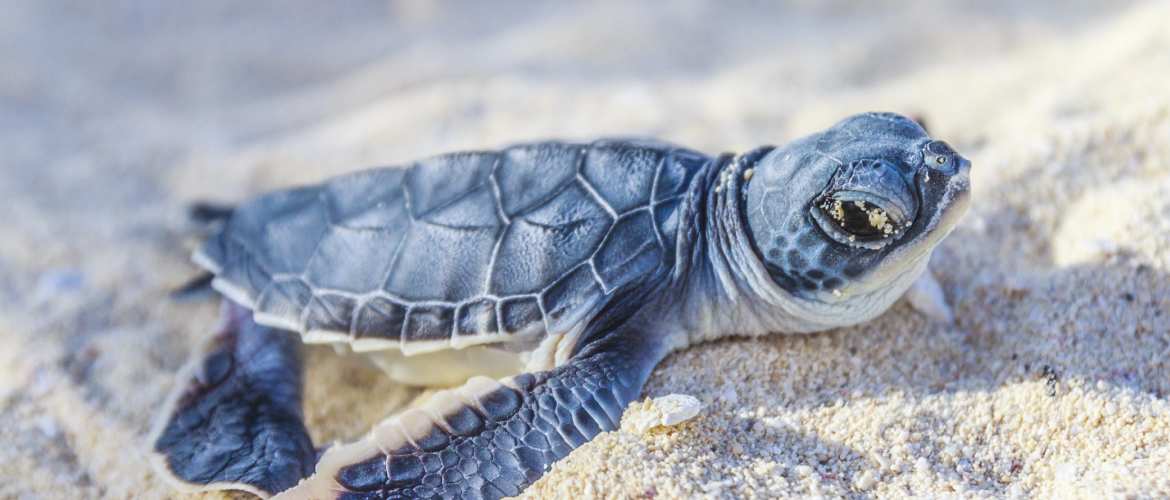
Understanding Florida’s Sea Turtle Nesting and Hatching Seasons
The life cycle of sea turtles is governed by instinct and the rhythm of the seasons, a phenomenon that has unfolded on Florida’s shores for millions of years. For tourists eager to observe this natural wonder, understanding the distinct phases of nesting and hatching is paramount. These periods dictate when and where visitors might have the privilege of witnessing a new generation of sea turtles begin their remarkable journey.
The Rhythmic Cycle: Nesting Season Overview
The journey of a sea turtle begins long before the hatchlings emerge. It commences with the nesting season, a critical period when female sea turtles return to the very beaches where they were born to lay their clutches of eggs. In Florida, the nesting season typically spans from March 1st through October 31st. During these months, under the cloak of night, gravid females haul themselves onto the sandy shores, painstakingly dig a nest, deposit approximately 80-120 eggs, and then carefully camouflage their efforts before returning to the sea.
Different species have slightly varying peak nesting times within this broad window. For instance, the majestic Leatherback sea turtle often begins nesting earlier in the season, sometimes as early as February, with peaks in March and April. The more commonly seen Loggerhead sea turtle, which accounts for the vast majority of nests in Florida, typically begins nesting in April, peaking in June and July. The critically endangered Green Sea Turtle tends to nest later, with its peak occurring from June through September. Knowing these patterns helps conservationists monitor populations and guides tourists on when to best plan their visits to specific coastal areas. The sheer volume of nests laid during this period transforms many of Florida’s beaches into vital maternity wards for these marine reptiles, underscoring the state’s global significance in sea turtle conservation.
Peak Hatching Times: Anticipating the Emergence
Following a successful nesting, a period of incubation begins, lasting approximately 50 to 70 days, though this can vary depending on the species and sand temperature. Warmer sands typically lead to shorter incubation periods and tend to produce more female hatchlings, while cooler sands result in longer incubation periods and more males. It is after this incubation period that the eagerly anticipated hatching season begins.
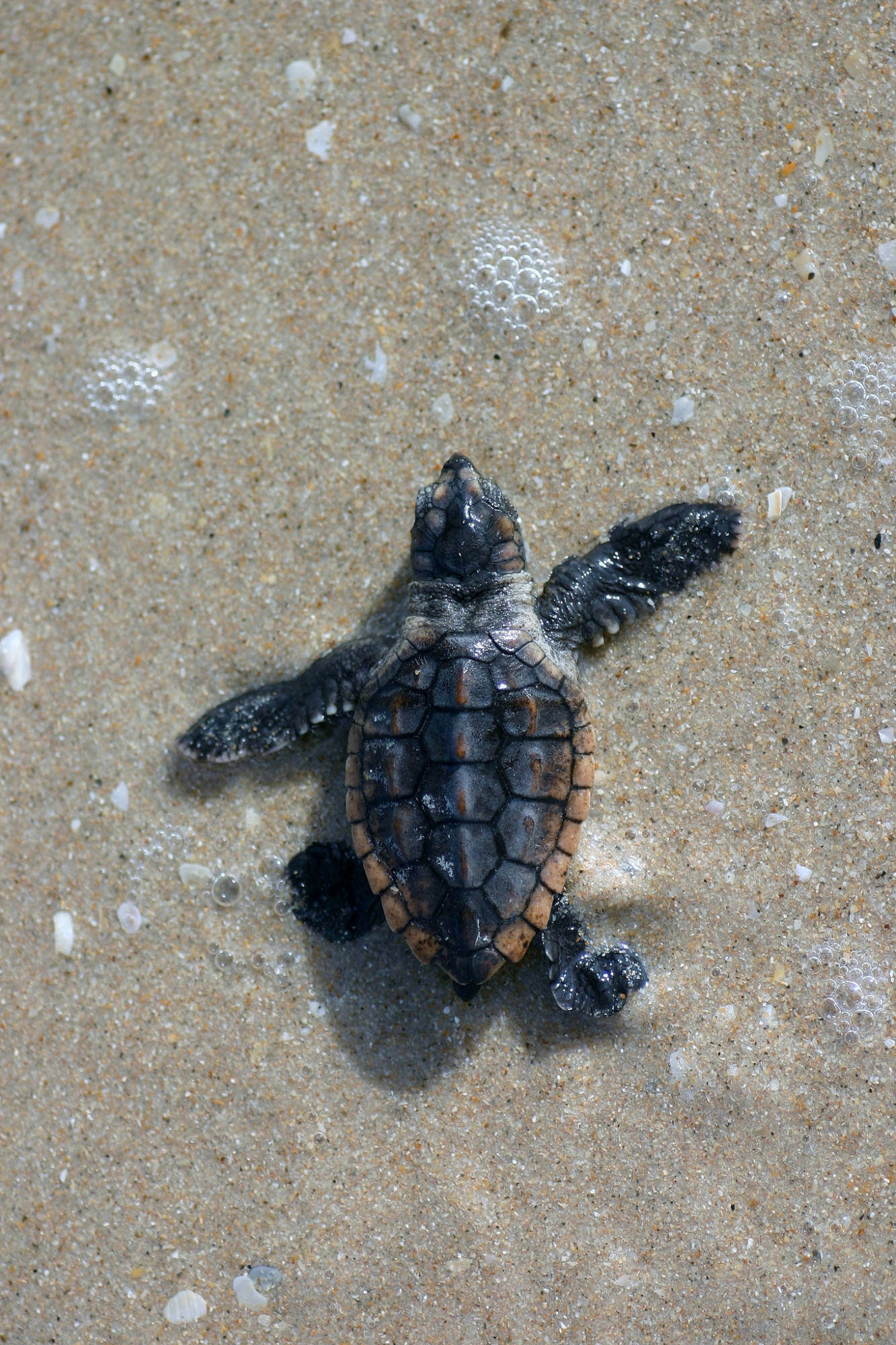
The peak hatching season in Florida generally runs from July through October. This is when the tiny hatchlings, no bigger than the palm of your hand, synchronously emerge from their sandy nests. Guided by an innate instinct, they dig their way to the surface, usually under the cover of darkness, to avoid predators and the scorching daytime sun. Their desperate scramble towards the brightest horizon – which historically would have been the moon and stars reflecting off the ocean – marks their perilous first journey into the sea. For tourists, late summer and early fall offer the highest probability of witnessing this incredible phenomenon. Specifically, late July, August, and September are often cited as the prime months for hatchling emergence across the state’s coastlines. This narrow window of opportunity makes planning an observation trip a matter of careful timing and local insight, ensuring an impactful and respectful experience that supports, rather than disturbs, these vulnerable creatures.
Key Species and Prime Viewing Locations
Florida’s extensive coastline is a critical nesting ground for several species of sea turtles, each contributing to the rich biodiversity of the region. Understanding which species frequent specific areas and identifying the most active nesting beaches can significantly enhance a tourist’s chances of witnessing the nesting or hatching events.
The Majestic Migrators: Species Gracing Florida’s Shores
Florida is home to five of the world’s seven species of sea turtles, all of which are either endangered or threatened. The most commonly observed species on Florida beaches include:
- Loggerhead (Caretta caretta): By far the most common nesting sea turtle in Florida, accounting for 80-90% of all nests. Known for their large heads and powerful jaws, they nest primarily from April to September. Their nests are distributed across nearly all of Florida’s sandy beaches.
- Green Sea Turtle (Chelonia mydas): The second most common nester, particularly abundant along the central and South Florida Atlantic coast. They are herbivores, primarily feeding on seagrass and algae, and nest from June to September.
- Leatherback (Dermochelys coriacea): The largest of all sea turtles, distinguished by their unique leathery carapace instead of a hard shell. They are less common nesters in Florida but are significant, especially in South Florida. Their nesting season is earlier, from March to July.
- Hawksbill (Eretmochelys imbricata): Rarely nests in Florida, preferring tropical and subtropical waters. When they do, it’s typically in the Florida Keys or along the extreme southern Atlantic Ocean coast. They are known for their beautiful, patterned shells.
- Kemp’s Ridley (Lepidochelys kempii): The smallest and most endangered sea turtle species. Nesting in Florida is extremely rare, with their primary nesting grounds being in Mexico.
Understanding the characteristics and nesting preferences of each species enriches the tourist experience, offering a deeper appreciation for the diversity of marine life in Florida.
Coastal Hotspots for Turtle Activity
While sea turtle nesting occurs on many Florida beaches, certain areas are renowned for their high concentration of nests and offer the best chances for observation, particularly during hatching season. These locations have typically established strong conservation programs and often offer guided tours.
- East Coast of Florida: This coastline, particularly from Central Florida to South Florida, is considered one of the most important nesting areas in the Western Hemisphere.
- Melbourne Beach and the Archie Carr National Wildlife Refuge: Located in Brevard County, this 20-mile stretch of beach between Melbourne Beach and Wabasso is critically important, hosting the largest nesting population of Loggerhead sea turtles in the Western Hemisphere and significant numbers of Green Sea Turtle and Leatherback nests. Many local organizations offer guided turtle walks here.
- Juno Beach: Home to the Loggerhead Marinelife Center, a leading sea turtle hospital and education center. They offer highly popular nighttime turtle walks during nesting season, providing an invaluable educational and observational experience.
- Palm Beach County: This county has one of the highest densities of sea turtle nests in Florida, especially for Leatherbacks, with numerous beaches from Boca Raton to Jupiter hosting abundant nesting activity.
- Florida’s Gulf Coast: While generally less dense than the Atlantic side, the Gulf Coast also sees significant nesting.
- Anna Maria Island, Sanibel Island, and Captiva Island: These islands are important nesting sites, particularly for Loggerheads. Organizations like Mote Marine Laboratory in Sarasota conduct extensive research and offer educational programs, occasionally including turtle-related activities.
When planning a visit, it is advisable for tourists to contact local visitor centers, state parks, or marine conservation organizations in these areas for the most up-to-date information on nesting and hatching activity, as well as opportunities for guided tours.

Ethical Observation: A Guide for Responsible Tourists
The opportunity to witness sea turtle hatching is a privilege that comes with a significant responsibility. These creatures are highly vulnerable, and human interference, even unintentional, can have devastating consequences. Responsible tourism is not just about enjoying the spectacle but actively contributing to the welfare and conservation of these endangered species.
Respecting the Nest: Dos and Don’ts
For any tourist venturing to Florida’s beaches during nesting or hatching season, adherence to ethical observation guidelines is paramount. These rules are in place to protect the turtles and ensure the continuation of their species.
Do’s:
- Do participate in a guided sea turtle walk: These walks are led by trained and permitted experts who know how to observe turtles without disturbing them. They provide invaluable educational insights and ensure that your experience is both memorable and responsible. Many coastal parks and conservation centers offer these tours, especially from May through October.
- Do maintain a respectful distance: If you encounter a nesting female or emerging hatchlings by chance (which is rare without a guide), keep a significant distance (at least 50 feet). Use binoculars for a closer look.
- Do keep beaches clean: Dispose of all trash properly. Debris can entangle turtles or obstruct hatchlings’ path to the sea.
- Do fill in holes and knock down sandcastles: These can become formidable obstacles for tiny hatchlings trying to reach the ocean.
- Do report disoriented or injured turtles: Contact the Florida Fish and Wildlife Conservation Commission (FWC) or a local marine rescue organization if you find a sick, injured, or dead sea turtle, or hatchlings struggling on the beach.
Don’ts:
- Don’t use flashlights or camera flashes: Artificial light can disorient nesting females and emerging hatchlings, causing them to move away from the ocean and towards potential danger (e.g., roads, predators, exhaustion). Use only FWC-approved red or amber lights if absolutely necessary and only under the guidance of a permitted expert.
- Don’t touch or disturb turtles or their nests: This is illegal under both state and federal law. Interfering with a nesting turtle can cause her to abandon her nesting attempt. Touching hatchlings can imprint human scent on them, potentially making them vulnerable to predators, or transfer diseases.
- Don’t place obstacles on the beach: Chairs, umbrellas, and other equipment left overnight can block nesting females or hatchlings. Remove all items from the beach at sunset.
- Don’t dig or tamper with nests: Nests are protected by law. Any disturbance can jeopardize the developing eggs.
- Don’t get between a nesting turtle and the ocean: Allow her a clear path for her return to the water.
By adhering to these guidelines, tourists play a vital role in protecting Florida’s sea turtle populations and ensuring that the magic of their annual pilgrimage can continue for generations to come.
Guided Tours and Conservation Efforts
Engaging with reputable organizations offering guided sea turtle walks is the single best way for tourists to ethically experience the nesting or hatching phenomenon. These tours, often conducted by state parks, wildlife refuges, or marine science centers, are specifically designed to minimize disturbance while maximizing educational value. They provide fascinating insights into turtle biology, behavior, and the myriad challenges these creatures face.
Beyond direct observation, tourist dollars spent on these guided tours often directly contribute to vital conservation efforts. Funds support research, habitat preservation, rescue and rehabilitation programs for injured turtles, and public awareness campaigns. Organizations like the Loggerhead Marinelife Center in Juno Beach, Mote Marine Laboratory in Sarasota, and various Florida State Parks are at the forefront of these efforts, welcoming visitors to learn and engage. Their work is essential in addressing threats such as artificial lighting, plastic pollution, habitat loss, and climate change, all of which impact sea turtle survival. By choosing to visit and support these institutions, tourists become active participants in the global movement to protect these ancient mariners.
Beyond the Hatching: The Broader Impact of Turtle Tourism
The allure of witnessing sea turtle hatching extends far beyond the singular moment of observation. This unique form of ecotourism contributes significantly to local economies and plays a crucial role in raising global awareness about marine conservation. When planned and executed responsibly, sea turtle tourism in Florida fosters a powerful connection between visitors and the natural world, inspiring advocacy and support for these magnificent creatures.
Economic Contributions to Local Communities
Sea turtle tourism, particularly during the peak nesting and hatching seasons, provides a substantial economic boost to Florida’s coastal communities. Tourists travel to specific destinations like Melbourne Beach or Juno Beach with the express purpose of experiencing this natural event. This influx of visitors translates into increased revenue for:
- Accommodation providers: Hotels, resorts, vacation rentals, and campsites experience higher occupancy rates.
- Restaurants and local eateries: Tourists dine out, sampling local cuisine and supporting small businesses.
- Tour operators and guides: Guided turtle walks, boat tours, and other eco-tourism ventures thrive.
- Retail businesses: Shops selling souvenirs, beach gear, and local artisan crafts benefit.
- Transportation services: Car rentals, taxis, and public transport see increased usage.
- Conservation organizations: Many non-profits rely on donations, gift shop sales, and fees from educational programs, which are bolstered by tourist engagement.
This economic ripple effect supports local jobs, stimulates business growth, and helps fund community services. By drawing attention to the unique natural assets of Florida’s coasts, sea turtle tourism provides a sustainable model for economic development that is intrinsically linked to environmental preservation. The better managed and protected the sea turtle populations and their habitats are, the more appealing and valuable this tourist attraction becomes.
Promoting Global Conservation Awareness
Perhaps the most profound impact of sea turtle tourism is its ability to transform casual visitors into passionate advocates for marine conservation. Witnessing a fragile hatchling make its perilous journey to the sea leaves an indelible impression, fostering empathy and a deeper understanding of the challenges these species face.
Educational programs offered by places like the Loggerhead Marinelife Center and Mote Marine Laboratory are instrumental in this regard. They educate tourists about:
- Threats: The dangers of plastic pollution, entanglement in fishing gear, boat strikes, habitat destruction, and climate change.
- Solutions: The importance of reducing plastic consumption, supporting sustainable seafood, advocating for dark skies policies, and participating in beach cleanups.
- Individual Action: How even small changes in daily habits can contribute to a healthier ocean environment.
Tourists who return home after such an experience often carry these messages with them, sharing their insights with friends, family, and communities. This word-of-mouth advocacy, combined with the reach of social media, amplifies conservation messages far beyond Florida’s borders. It encourages broader support for marine protected areas, research initiatives, and policies aimed at safeguarding sea turtles and their habitats worldwide. In essence, sea turtle tourism is not merely an attraction; it is a powerful educational tool and a catalyst for global environmental stewardship, ensuring that the ancient saga of “When Do Florida Sea Turtles Hatch?” continues to be a story of hope and survival.
LifeOutOfTheBox is a participant in the Amazon Services LLC Associates Program, an affiliate advertising program designed to provide a means for sites to earn advertising fees by advertising and linking to Amazon.com. Amazon, the Amazon logo, AmazonSupply, and the AmazonSupply logo are trademarks of Amazon.com, Inc. or its affiliates. As an Amazon Associate we earn affiliate commissions from qualifying purchases.