
For many, the word “summer” evokes images of endless sunshine, warm breezes, and carefree days spent outdoors. In Florida, often dubbed the “Sunshine State,” this idyllic vision holds true, but the definition of summer can be far more nuanced than a simple calendar date. Understanding when summer truly begins and what it entails in Florida is crucial for any traveler planning a memorable and comfortable visit to this popular destination. It’s not just about the astronomical clock; it’s about the shift in weather patterns, the rhythm of daily life, and the unique challenges and opportunities that arise for those exploring its shores, cities, and attractions.
The Shifting Sands of Florida’s “Summer”
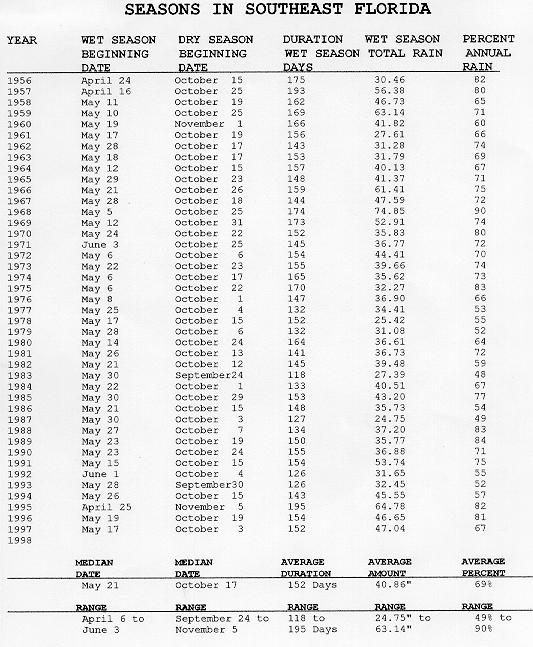
To accurately answer “When does summer start in Florida?”, one must consider several perspectives: the scientific, the meteorological, and perhaps most importantly for travelers, the experiential. Florida’s climate is distinct, and its seasons often blend and overlap, creating a unique annual cycle that defies simple categorization.
Astronomical vs. Meteorological Summer
Astronomically, summer in the Northern Hemisphere officially commences with the summer solstice, typically around June 20th or 21st, and concludes with the autumnal equinox, around September 22nd or 23rd. These dates are based on the Earth’s tilt relative to the sun, marking the longest day of the year and the period of most direct sunlight.
However, meteorologically, summer is often defined by the three hottest months of the year, which for much of the United States align with June, July, and August. In Florida, this definition often feels somewhat belated. The state, particularly its southern regions, begins to experience significant summer-like heat and humidity as early as April, with temperatures steadily climbing through May. By late May, the daily weather patterns – hot, humid mornings followed by afternoon thunderstorms – are firmly established, making it feel distinctly like summer long before the official June solstice. This early onset of summer conditions is a key characteristic of the Florida climate, greatly influencing travel planning and visitor experiences. The transition from comfortable spring temperatures to the intense heat and humidity of summer is gradual but noticeable, with April often serving as a delightful prelude to the tropical conditions that define the warmer months.
The Tourist’s Perspective: Early Summer’s Embrace
From a traveler’s standpoint, summer in Florida often feels like it kicks off even earlier than the meteorological definition. As Spring Break crowds dissipate by mid-April, many visitors begin to perceive the end of the “peak” season, yet the weather often ushers in conditions that are undeniably summery. By late April and early May, daily high temperatures routinely reach into the upper 80s to low 90s Fahrenheit (29-35°C) across much of the state, accompanied by a noticeable increase in humidity. The warmth of the Gulf of Mexico and the Atlantic Ocean also contributes to this early summer feel, making beach days and water activities incredibly appealing.
This “early summer” period, spanning May into early June, can be a particularly appealing time for those seeking the sun and warmth without the absolute peak heat and humidity of July and August. While school holidays for many northern states don’t begin until later in June, families from areas with earlier school breaks, or those with flexible travel schedules, can take advantage of slightly fewer crowds and still-favorable conditions for enjoying Florida’s myriad outdoor attractions. It’s a time when the water parks are fully operational, the beaches beckon, and the vibrant flora of Florida is in full bloom, signaling a clear shift into the state’s warmer season for leisure and exploration.
The Quintessential Florida Summer Experience
Once summer truly settles in Florida, it brings with it a distinctive set of weather patterns that define the experience. From the omnipresent heat and humidity to the predictable afternoon storms and the looming threat of tropical systems, understanding these characteristics is fundamental to planning a successful summer trip.
Heat, Humidity, and the Daily Deluge
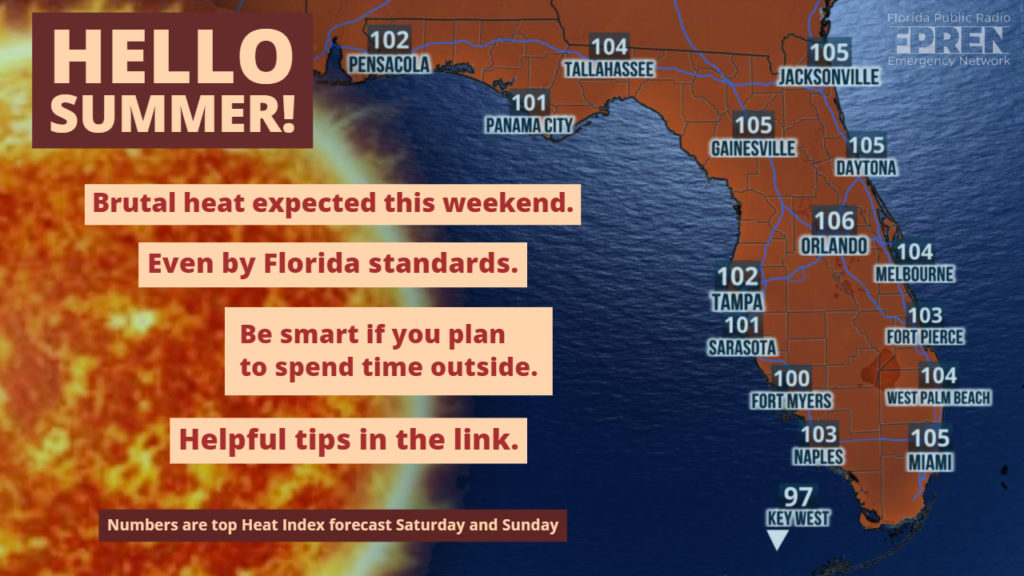
The defining features of a Florida summer are undoubtedly its intense heat and oppressive humidity. From June through September, daily high temperatures across most of the state consistently hover in the low to mid-90s Fahrenheit (32-35°C), with “real feel” temperatures often soaring past 100°F (38°C) due to the high humidity. Cities like Miami, Orlando, and Tampa all experience this pervasive warmth. This isn’t a dry heat; it’s a tropical, muggy heat that can be physically demanding for those unaccustomed to it.
Compounding the heat is the predictable pattern of afternoon thunderstorms. These aren’t just light showers; they are often intense, localized downpours accompanied by lightning and thunder. Typically, they roll in late in the afternoon, providing a brief, albeit temporary, respite from the heat before clearing out, often leaving behind a refreshing, if still humid, evening. These daily “deluges” are a natural part of the Florida summer and can actually be quite a spectacle. Travelers learn to adapt by scheduling outdoor activities for mornings and planning indoor breaks or water activities for the afternoons. While they rarely last for extended periods, they can certainly disrupt outdoor plans and require flexibility in a travel itinerary.
Navigating Hurricane Season
A critical aspect of summer in Florida that all travelers must be aware of is hurricane season, which officially runs from June 1st to November 30th. While direct hits from major hurricanes are relatively infrequent, tropical storms and depressions are more common and can significantly impact travel plans. These systems can bring heavy rains, strong winds, and coastal flooding, leading to flight cancellations, road closures, and disruptions to attractions.
It’s important for travelers during this period to remain vigilant, monitor weather forecasts from reliable sources like the National Hurricane Center, and consider purchasing travel insurance that covers weather-related cancellations or interruptions. Many Florida businesses and hotels have robust hurricane preparedness plans, and local authorities are well-versed in guiding residents and visitors through potential threats. While the vast majority of summer days are free from tropical system activity, understanding the risks and being prepared is an essential part of a responsible summer visit to the Sunshine State.
Unlocking the Joys and Challenges of Summer Travel
Despite the intense heat and the ever-present threat of tropical weather, summer in Florida offers a unique set of advantages and disadvantages that travelers should weigh when planning their trip. It’s a season of vibrant energy and specific opportunities, but it also demands a strategic approach to ensure comfort and enjoyment.
Advantages: Fewer Crowds and Budget-Friendly Options
One of the most significant upsides to visiting Florida during the summer, particularly in certain areas, is the potential for fewer crowds. While theme parks in Orlando might still be bustling due to school holidays, many other popular destinations, especially coastal towns and the Florida Keys, experience a relative lull in tourism. This can translate into a more relaxed experience, with easier access to restaurants, shorter lines at attractions (outside of major theme parks), and more tranquil moments on the beaches.
Furthermore, summer can often be a season for budget-friendly options. With the peak “snowbird” season long past, many hotels and resorts, particularly those not directly tied to major theme park complexes, may offer lower rates or special packages to attract visitors during the warmer months. Flights might also be more affordable outside of key holiday weekends. This can be a boon for travelers looking to experience Florida on a tighter budget, allowing them to stretch their vacation dollars further and enjoy more of what the state has to offer. This value aspect can make summer an attractive option for savvy travelers, offering an opportunity to explore Florida’s diverse offerings without the premium prices of the winter and spring seasons.

Disadvantages: Intense Heat and Weather Worries
On the flip side, the intense heat and humidity present a considerable challenge. Extended periods outdoors can be draining, leading to discomfort, dehydration, and potential heatstroke if precautions are not taken. This weather can severely limit the enjoyment of certain outdoor activities, such as exploring state parks, golfing in the midday sun, or lengthy strolls through open-air attractions. For visitors to major destinations like Walt Disney World Resort or Universal Orlando Resort, the heat can make a full day in the parks incredibly strenuous, requiring frequent breaks in air-conditioned spaces and careful hydration.
Beyond the daily discomfort, weather worries stemming from hurricane season are a genuine concern. While tropical storms don’t always result in direct hits, the possibility of heavy rainfall, strong winds, and general disruption can create anxiety for travelers. The need to constantly monitor forecasts, the potential for travel delays, or even forced evacuations can add a layer of stress to what should be a relaxing vacation. These factors collectively require visitors to Florida in the summer to be proactive and adaptable, prioritizing comfort and safety above all else, and to have contingency plans in place for unforeseen weather events.
Mastering Your Florida Summer Adventure
Despite the challenges, a summer trip to Florida can be incredibly rewarding with the right planning and mindset. By understanding the unique climate and adapting your approach, you can create a vacation filled with sun-drenched memories.
Smart Packing and Hydration Strategies
Packing smartly is paramount for a Florida summer. Lightweight, breathable clothing made from natural fibers like cotton or moisture-wicking synthetic materials will be your best friend. Opt for light colors that reflect sunlight. A wide-brimmed hat, sunglasses, and high SPF sunscreen are non-negotiable for sun protection. Footwear should be comfortable, water-friendly, and suitable for walking, as your feet will appreciate ventilation.
Beyond clothing, hydration is key. The combination of heat and humidity can lead to rapid dehydration. Carry a reusable water bottle and refill it frequently; water fountains and bottle refilling stations are common in most tourist areas. Electrolyte-rich drinks can also be beneficial, especially after prolonged activity. Plan for regular breaks in air-conditioned environments to cool down and rehydrate.
Embracing Indoor Escapes and Water Activities
One of the best ways to combat the summer heat is to strategically incorporate indoor escapes into your itinerary. Florida boasts an impressive array of air-conditioned attractions, from world-class museums like the Salvador Dalí Museum in St. Petersburg to aquariums such as the Florida Aquarium in Tampa or the Miami Seaquarium. Shopping malls, dinner shows, and even indoor mini-golf courses offer a refreshing break from the elements.
Of course, Florida’s abundant water activities are perfectly suited for summer. Spend your days at the beach, splashing in the gentle waves of the Gulf or the Atlantic. Explore the state’s famous springs, like Silver Springs State Park or Weeki Wachee Springs State Park, where the crystal-clear, 72°F water offers a natural cool-down. Florida is also home to some of the world’s best water parks, including Typhoon Lagoon, Blizzard Beach, and Volcano Bay, offering thrilling slides and lazy rivers designed for beating the heat.
Strategic Planning for Theme Park Visits
For those venturing to Florida’s renowned theme parks during the summer, a strategic approach is essential. Arrive early at park opening to enjoy cooler temperatures and shorter lines for popular attractions. Similarly, consider staying late, as evenings often bring slightly lower temperatures and a magical atmosphere with parades and fireworks.
Utilize available tools like Genie+ at Walt Disney World Resort or Universal Express Pass at Universal Orlando Resort to minimize wait times for key rides, allowing you more time to seek refuge in air-conditioned queues or shows. Schedule breaks during the hottest part of the day (typically 1 PM – 4 PM) for lunch indoors, a swim at your resort pool, or a nap. Prioritize water rides and shows that offer air conditioning or misting fans to stay comfortable throughout your thrilling day.
Beyond Traditional Summer: The Shoulder Seasons
While summer in Florida has its distinct charm, many travelers find that the “shoulder seasons” – the periods immediately before and after the peak summer months – offer a more balanced and often more comfortable travel experience, mimicking summer conditions without some of its drawbacks.
The Allure of Late Spring (April-May)
Late spring, particularly April and May, is often considered one of the best times to visit Florida. The weather is consistently warm, with average daily temperatures in the 80s Fahrenheit (27-32°C), but crucially, the humidity levels are significantly lower than in true summer. This creates a much more pleasant environment for outdoor activities, from exploring Everglades National Park to enjoying the beaches or golfing.
Crowds tend to be lighter than during the busy winter and Spring Break periods, making for a more relaxed experience at attractions and restaurants. While the water is warm enough for swimming, the intense daily thunderstorms of summer are less frequent. For travelers seeking summery weather without the full intensity of July and August, late spring offers an ideal blend of warmth, sunshine, and comfort.
The Charm of Early Fall (Late September-October)
As summer transitions into early fall, Florida enters another delightful shoulder season. While hurricane season officially extends through November, the peak of storm activity often begins to subside by late September and October. The temperatures remain warm, but the oppressive humidity gradually begins to drop, creating more comfortable conditions for exploring.
This period is particularly popular for theme park enthusiasts, as Walt Disney World Resort and Universal Orlando Resort roll out their festive Halloween events, offering unique experiences. The beaches remain inviting, and water temperatures are still perfect for swimming. For those who want to experience Florida’s warmth and vibrancy without the peak summer heat and school holiday crowds, early fall presents an excellent opportunity, bridging the gap between summer and the cooler, drier winter months.
In conclusion, “summer” in Florida is more than just a date on the calendar. It’s a dynamic season that starts early, brings unique weather patterns, and offers a distinct travel experience. By understanding its nuances, planning strategically, and embracing its challenges and joys, visitors can truly master their Florida summer adventure, or opt for the equally alluring shoulder seasons for a different, yet still summery, escapade.
LifeOutOfTheBox is a participant in the Amazon Services LLC Associates Program, an affiliate advertising program designed to provide a means for sites to earn advertising fees by advertising and linking to Amazon.com. Amazon, the Amazon logo, AmazonSupply, and the AmazonSupply logo are trademarks of Amazon.com, Inc. or its affiliates. As an Amazon Associate we earn affiliate commissions from qualifying purchases.