
The allure of Florida is undeniable. Known as the “Sunshine State,” it beckons with its diverse landscapes, from the pristine beaches of the Gulf Coast to the vibrant energy of Miami and the family-friendly attractions of Orlando. But with its generally warm climate year-round, discerning when to visit can be a crucial element in crafting the perfect getaway. The ideal time to explore Florida hinges on a delicate balance of weather preferences, crowd tolerance, budget considerations, and specific interests, whether it’s soaking up the sun, experiencing world-class theme parks, or immersing yourself in unique natural environments.
Navigating Florida’s Climate and Seasons
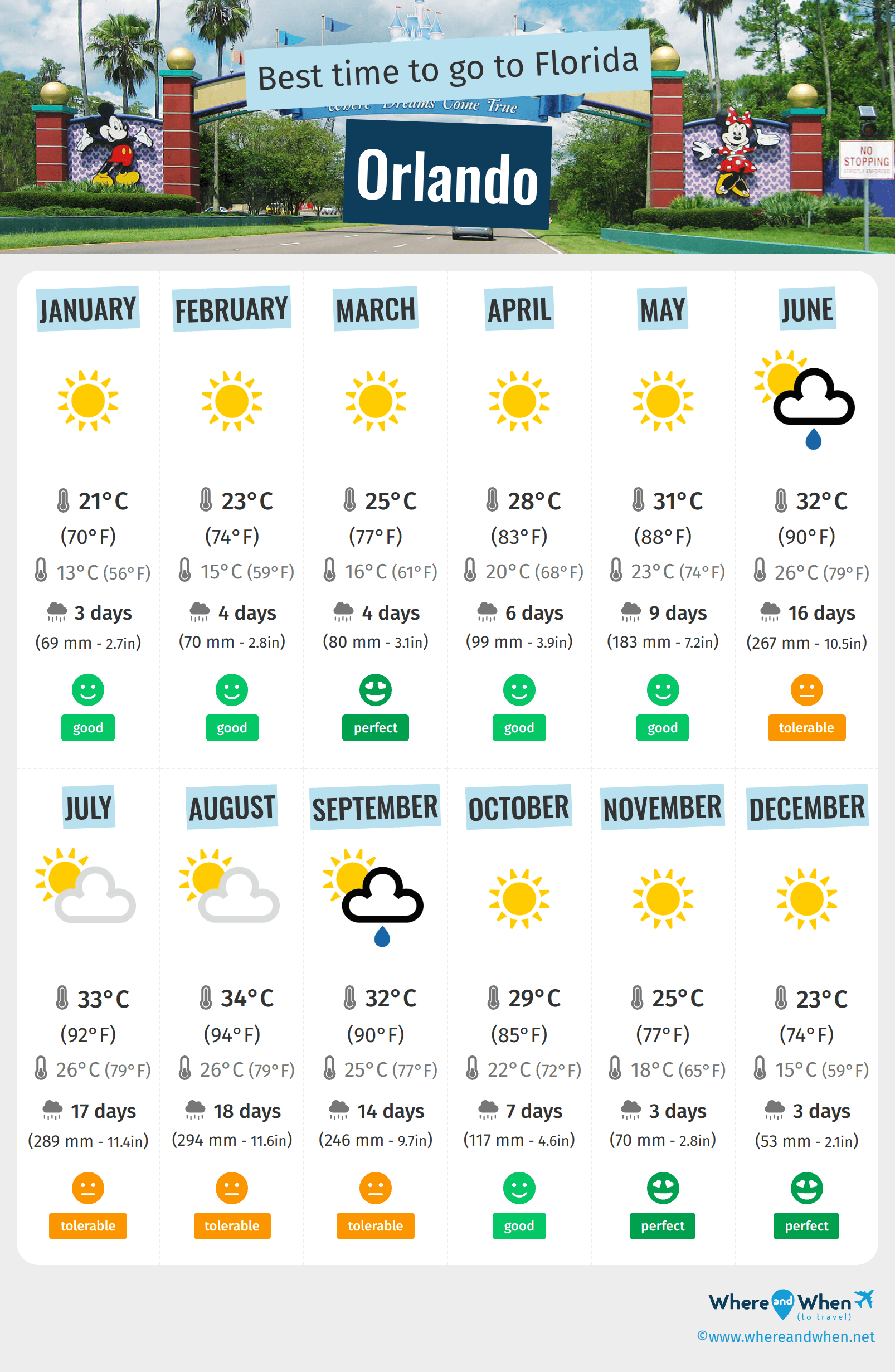
Florida’s climate is characterized by a subtropical to tropical influence, leading to distinct seasons that affect the visitor experience. Understanding these nuances is paramount to selecting the optimal travel window.
The Cool, Dry Season: November to April
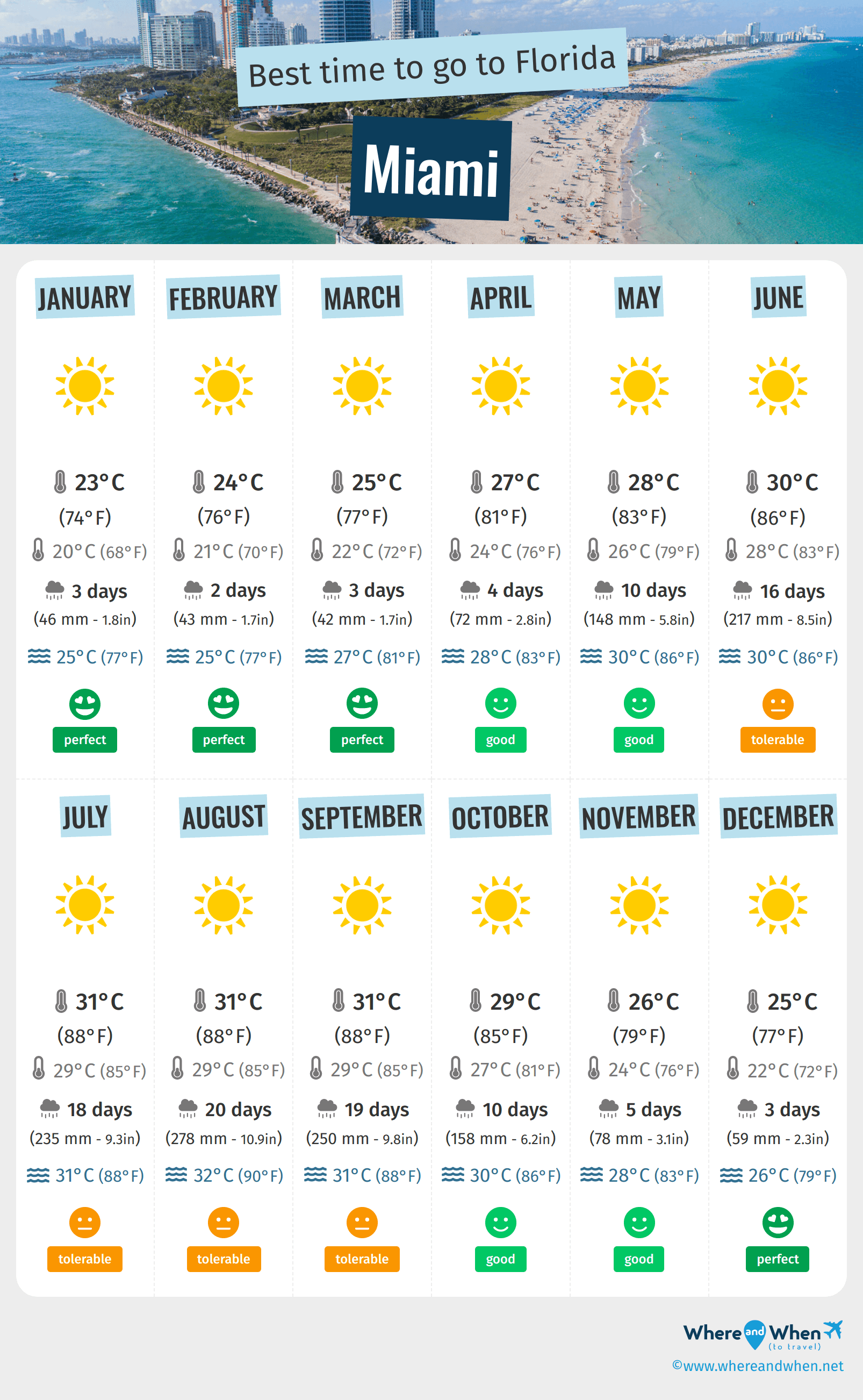
This period is widely considered the most pleasant time to visit Florida. The humidity is significantly lower, and temperatures are mild and comfortable, typically ranging from the 60s to the 70s Fahrenheit. This makes it ideal for outdoor activities, beachgoing, and exploring the state’s numerous attractions without the oppressive heat and humidity that can characterize other times of the year.
- Pros:
- Pleasant temperatures and low humidity.
- Reduced risk of severe weather events like hurricanes.
- Abundant sunshine, perfect for outdoor exploration.
- Ideal for visiting theme parks in Orlando and exploring the natural beauty of the Everglades National Park.
- Cons:
- This is the peak tourist season, meaning higher prices for flights and accommodation.
- Attractions and beaches can be crowded, especially during holidays like Christmas, New Year’s, and Spring Break.
- The panhandle region can experience occasional cold snaps, though typically brief.
Key Events and Destinations during this Period:
- The Orange Bowl Festival in Miami offers a festive atmosphere around the college football game.
- Art Deco Weekend along Ocean Drive in Miami Beach celebrates architectural heritage.
- Wildlife viewing in the Everglades is excellent as many animals congregate around dwindling water sources.
- The beaches from St. Augustine down to the Florida Keys offer some of the most idyllic conditions.
The Hot, Wet Season: May to October
This season is defined by high temperatures, increased humidity, and a higher likelihood of daily afternoon thunderstorms. Temperatures frequently reach the high 80s and 90s Fahrenheit, and the humidity can make it feel even hotter. While not ideal for everyone, this period can offer a more budget-friendly and less crowded experience for those who can tolerate the heat and humidity.
- Pros:
- Lower prices for flights and accommodations.
- Fewer crowds at major attractions.
- Longer daylight hours for extended sightseeing.
- The lush green scenery is at its peak.
- Cons:
- High heat and humidity can be uncomfortable for outdoor activities.
- Frequent, often intense, afternoon thunderstorms are common, which can disrupt plans.
- This is the hurricane season, with the peak typically occurring from August to October. While direct hits are not guaranteed, the risk is present and can lead to travel disruptions.
Key Considerations for this Period:
- Hurricane Preparedness: While the chances of a direct hit are statistically low, it’s wise to be aware of potential weather disruptions and consider travel insurance.
- Hydration and Sun Protection: Essential for any outdoor activities during these months.
- Afternoon Rain Strategy: Plan indoor activities or embrace the brief, refreshing downpours. Theme park rides may temporarily close during storms.
- Florida Keys Serenity: The Florida Keys can still offer a unique charm, with opportunities for snorkeling and diving, though weather can be unpredictable.
Shoulder Seasons: The Sweet Spot for Many
For travelers seeking a balance between pleasant weather and manageable crowds, the shoulder seasons offer an enticing proposition.
Spring Shoulder Season: April to May
As the Spring Break crowds depart, the weather remains warm and pleasant, and the humidity has not yet reached its peak. This is a fantastic time for exploring the beaches and cities before the intense summer heat sets in.
- Pros:
- Temperatures are warming up but generally comfortable.
- Crowds are significantly reduced compared to the peak winter season.
- Prices begin to drop from winter highs.
- Ideal for exploring destinations like Tampa, St. Petersburg, and the natural springs in central Florida.
- Cons:
- Humidity starts to increase, especially towards the end of May.
- Occasional isolated thunderstorms may begin to appear.
Autumn Shoulder Season: September to October
Following the peak of hurricane season, Florida begins to cool down, and the humidity starts to recede. September can still be quite warm and wet, but by October, the weather becomes remarkably pleasant.
- Pros:
- Temperatures become milder, and humidity decreases.
- Crowds are at their lowest, leading to better prices.
- Excellent for exploring theme parks with shorter lines.
- The fall foliage in the panhandle can be a surprise bonus.
- Cons:
- Early September can still experience significant heat and humidity.
- The tail end of hurricane season is still a possibility.
Aligning Your Visit with Specific Interests
Beyond general weather and crowd considerations, your primary reason for visiting Florida can significantly influence the best time to plan your trip.
For Theme Park Enthusiasts (Orlando and Beyond)
The most sought-after times for theme park visits are during school holidays and Spring Break, which inevitably leads to the longest queues and highest prices. To optimize your theme park experience:
- Best Times:
- Late January to Mid-February: After the holiday rush and before Spring Break.
- Late September to Mid-November: After the summer crowds dissipate and before the Thanksgiving and Christmas holidays. This period often boasts pleasant weather and festive Halloween and early Christmas decorations.
- Times to Avoid (if crowds are a concern):
- Christmas and New Year’s Week: Extremely crowded and expensive.
- Spring Break (March and early April): High energy but very long lines.
- Summer Holidays (June, July, August): Hot, humid, and busy with families.
For Beach Lovers
Florida boasts thousands of miles of coastline, each with its unique charm.
- West Coast Beaches (e.g., Clearwater Beach, Siesta Key, Naples): Generally calmer waters and softer sand.
- Best Times: November to April for sunbathing and swimming without excessive heat or humidity. May and October offer good balance.
- East Coast Beaches (e.g., Daytona Beach, South Beach, Palm Beach): Can experience more waves, making them popular for surfing.
- Best Times: Similar to the west coast, November to April offers the most comfortable conditions. Summer can be very hot and humid, with a higher chance of thunderstorms.
- Florida Keys (e.g., Key West, Islamorada): Ideal for water sports like snorkeling, diving, and fishing.
- Best Times: December to May provides the driest and most pleasant conditions. The water remains warm year-round, but the risk of rain and hurricanes increases from June to November.
For Nature and Wildlife Enthusiasts
The “Sunshine State” offers incredible opportunities to explore diverse ecosystems.
- The Everglades:
- Best Times: The dry season (December to April) is prime time for wildlife viewing. As water levels recede, animals like alligators and birds congregate in the remaining water bodies, making them easier to spot. The airboat tours are most enjoyable in cooler temperatures.
- Springs and Natural Rivers (e.g., Ichetucknee Springs State Park, Wekiwa Springs State Park): Ideal for swimming, tubing, and kayaking.
- Best Times: May to September offers the warmest water temperatures, making these springs incredibly inviting. However, the summer months can be hot and humid, so early mornings or late afternoons are recommended.
- Birdwatching:
- Best Times: Migratory seasons (fall and spring) offer the most diverse bird populations across the state. However, many resident species are visible year-round.
Budgetary Considerations
Your budget can be a significant factor in determining the best time to visit Florida.
- Peak Season (November to April): Expect the highest prices for flights, accommodation, and even car rentals. Booking well in advance is crucial.
- Shoulder Seasons (May and September-October): Offer a good compromise, with prices starting to fall and weather still being quite agreeable.
- Off-Season (June to August): Generally the most budget-friendly time to visit, especially if you can tolerate the heat and humidity and are mindful of hurricane season. Look for deals and packages during these months.
Ultimately, the “good time” to visit Florida is a highly personal decision. By carefully considering the interplay of weather, crowds, events, and your specific interests, you can pinpoint the period that will best fulfill your Sunshine State aspirations. Whether you prioritize perfect beach weather, uninhibited theme park fun, or serene nature encounters, Florida offers a welcoming embrace across its diverse seasons.
LifeOutOfTheBox is a participant in the Amazon Services LLC Associates Program, an affiliate advertising program designed to provide a means for sites to earn advertising fees by advertising and linking to Amazon.com. Amazon, the Amazon logo, AmazonSupply, and the AmazonSupply logo are trademarks of Amazon.com, Inc. or its affiliates. As an Amazon Associate we earn affiliate commissions from qualifying purchases.