
Florida, often referred to as the Sunshine State, is synonymous with pristine beaches, vibrant cities, and, undeniably, its iconic American alligators. For many tourists, the allure of Florida includes the unique opportunity to witness these ancient reptiles in their natural habitat. However, understanding “alligator season” is crucial for any visitor hoping to maximize their chances of a safe and memorable encounter, or for those who simply wish to be aware of their heightened activity. This isn’t a single, fixed season like summer or winter, but rather a dynamic period influenced by the state’s climate, the alligators’ biological rhythms, and specific regulated activities like hunting. Navigating these nuances is key to an informed and respectful tourism experience in Florida.
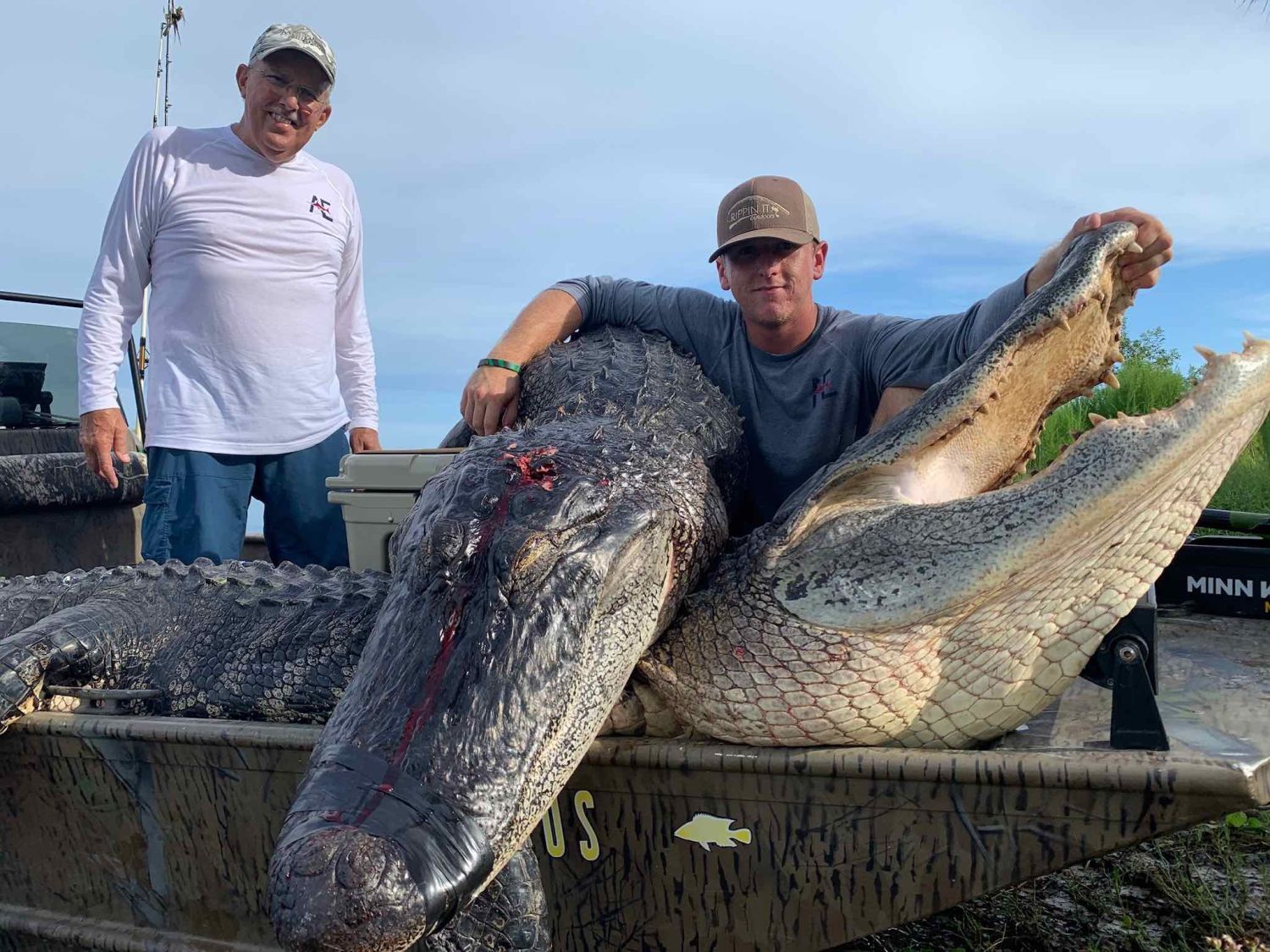
Understanding Florida’s Alligator Population and Their Seasonal Rhythms
Florida’s extensive network of freshwater lakes, rivers, swamps, and marshes provides an ideal environment for American alligators (Alligator mississippiensis) to thrive. They are a keystone species, playing a vital role in maintaining the health of Florida’s wetlands. For tourists, their presence adds an unparalleled wild dimension to the state’s diverse ecosystem, drawing visitors keen on wildlife viewing and photography.
Alligators: An Iconic Florida Species
The American alligator is not just a formidable predator; it’s a symbol of Florida’s wild heart. Once endangered, successful conservation efforts have led to a robust and healthy population across the state, with estimates often exceeding 1.3 million individuals. This means that encountering an alligator is a distinct possibility in almost any freshwater body or even brackish areas throughout Florida. Their mystique and prehistoric appearance make them a top attraction for eco-tourism, drawing visitors to renowned natural spaces and dedicated wildlife parks.
The Impact of Climate on Alligator Behavior
Unlike warm-blooded mammals, alligators are ectothermic, meaning their body temperature is regulated by external sources. This fundamental biological characteristic makes them highly susceptible to ambient temperatures, directly influencing their activity levels. In Florida’s subtropical and tropical climate, the warmer months signal a period of intense activity, while cooler temperatures prompt them into a state of brumation—a reptilian form of hibernation where they remain dormant or less active, often submerged or hidden. This direct correlation between temperature and activity forms the basis of what tourists perceive as “alligator season.” When water and air temperatures consistently rise above 70°F (21°C), alligators become significantly more active, visible, and engaging in their various life cycles.
Peak Alligator Activity: Mating Season and Prime Viewing Times
For tourists seeking to observe alligators, the period from spring through early fall generally offers the best opportunities. This timeframe encompasses their most crucial biological processes, from mating to nesting and the hatching of their young, all of which contribute to increased visibility and dynamic behaviors.
Spring Awakening: Mating Rituals and Increased Visibility
The true “alligator season” for enthusiastic observers typically commences in April and extends through June. This is the mating season, a spectacle of nature where alligators are particularly active and vocal. As spring arrives and temperatures consistently warm up, male alligators begin their elaborate courtship rituals. They engage in powerful bellowing, a deep, resonant rumble that vibrates through the water and air, signaling their presence and strength to potential mates and rival males. These bellows can be heard from considerable distances, creating an immersive auditory experience for visitors in wetland areas.
During this period, male alligators also perform head-slaps on the water’s surface, creating splashes and attracting attention. Territorial disputes among males become more common, often involving intense face-offs and occasional physical altercations, providing dramatic viewing opportunities. Females, in turn, are more active in seeking out mates and eventually constructing nests. Their increased movement means they are more likely to be seen basking along riverbanks, cruising through waterways, or emerging from hidden spots. This surge in activity makes late spring the absolute prime time for alligator viewing and photography in Florida.
Summer Sustenance: Hatchlings and Feeding Frenzies
Following the mating season, July and August bring the nesting period, with eggs typically hatching in late August and early September. This phase marks another fascinating chapter in the alligator’s life cycle and presents unique viewing opportunities for tourists. Female alligators construct large mound nests from vegetation, often near water, and diligently guard their clutch of eggs. While the nesting sites themselves are usually secluded and best observed from a respectful distance or with a guide, the sight of a mother alligator protecting her nest is a powerful display of parental instinct.
Once the eggs hatch, hundreds of tiny, adorable alligator hatchlings emerge, chirping like birds to alert their mother. These juveniles, typically around 8-10 inches long, often stay near their mother for up to two years, benefiting from her protection. Observing these miniature versions of the adults, often clustered around the female, is a truly special sight. During the warmer summer months, adult alligators also enter a phase of active feeding. Abundant prey and comfortable water temperatures mean they are constantly on the hunt, showcasing their predatory skills. Airboat tours during this period often highlight these active feeding behaviors, allowing tourists to witness the powerful hunters in action.
Navigating Alligator Encounters: Safety Tips for Tourists
While the sight of an alligator in the wild is exhilarating, it’s paramount for tourists to approach these encounters with respect and caution. Alligators are wild animals, and their behavior can be unpredictable. Responsible tourism prioritizes the safety of both visitors and wildlife.

Respecting Their Habitat: Do’s and Don’ts
To ensure a safe and enjoyable experience for everyone, adhering to specific guidelines is essential:
- Maintain a Safe Distance: Always keep a significant distance from alligators, especially large adults. The Florida Fish and Wildlife Conservation Commission (FWC) recommends a minimum of 30 feet (9 meters). If an alligator hisses, lunges, or opens its mouth, you are too close.
- Never Feed Alligators: This is illegal in Florida and incredibly dangerous. Feeding alligators makes them associate humans with food, leading them to lose their natural fear and become a threat. These “nuisance alligators” often must be removed or euthanized.
- Swim Only in Designated Areas During Daylight Hours: Alligators are most active during dawn and dusk. Avoid swimming, wading, or letting pets enter waters known to harbor alligators, especially during these low-light periods. Always swim in clear, designated areas where visibility is good.
- Supervise Children and Pets: Small children and pets are similar in size to an alligator’s natural prey. Keep them away from the edges of canals, rivers, and lakes, and never let them roam unsupervised near water bodies.
- Be Aware of Your Surroundings: Alligators are masters of camouflage. Look for signs of their presence, such as slides on riverbanks or ripples in the water, and be vigilant in wetland environments.
- Do Not Harass Alligators: Chasing, poking, or otherwise tormenting an alligator is not only dangerous but also illegal and unethical.
Designated Viewing Areas and Guided Tours
For the safest and most insightful alligator viewing experiences, tourists should seek out designated wildlife areas and consider guided tours. These options provide a controlled environment and the expertise of trained professionals.
- Everglades National Park: A vast wilderness encompassing over 1.5 million acres of wetlands, the Everglades National Park is arguably the best place in Florida to see alligators in their natural habitat. Airboat tours, walking trails, and observation decks like those at Anhinga Trail offer fantastic opportunities.
- Gatorland: Located in Orlando, Gatorland is a 110-acre theme park and wildlife reserve. It offers educational shows, feeding demonstrations, and the chance to see thousands of alligators and crocodiles up close in a safe, family-friendly environment.
- Airboat Tours: Operating in various locations across Florida, particularly around Kissimmee and the Everglades, airboat tours offer thrilling rides through alligator-rich territories with experienced guides who can spot hidden reptiles and provide fascinating commentary.
- Wildlife Refuges and State Parks: Numerous other locations, such as Myakka River State Park near Sarasota or the St. Johns River system, provide excellent opportunities for spotting alligators from a safe distance, often via elevated boardwalks or boat tours.
Alligator Hunting Season: A Different Kind of “Alligator Season”
When locals refer to “alligator season,” they sometimes mean the regulated public alligator hunting season, which is distinct from the periods of increased alligator activity for viewing purposes. This aspect of alligator management is a significant part of Florida’s conservation strategy.
The Role of Regulated Hunting in Conservation
Florida’s public alligator harvest program is a carefully managed initiative designed to control the alligator population and mitigate nuisance alligator issues. Established in 1988, after the species had recovered from near extinction, the program ensures a healthy balance between the alligator population and human interests. It’s a testament to successful conservation that a species once on the brink can now be sustainably managed, contributing to the ecosystem’s overall health and biodiversity. This program is not open to general tourism in the same way wildlife viewing is; it’s a highly regulated activity for permitted hunters.
Understanding Public Hunting Season Parameters
The statewide alligator hunting season typically runs from August 15th through November 1st each year. Participation requires specific permits, which are allocated through a lottery system due to high demand. Hunters are assigned specific hunting periods and harvest units (locations) and must adhere to strict regulations regarding methods, size limits, and reporting requirements. This is a highly specialized activity, often involving guides, and it is entirely distinct from the tourist experience of observing alligators. For tourists, it’s important to be aware that during these months, there are designated hunting activities, but this does not generally impact wildlife viewing opportunities in established parks and preserves, where hunting is prohibited. Awareness of this season simply adds to a comprehensive understanding of alligator management in Florida.
Planning Your Florida Trip Around Alligator Season
Integrating alligator viewing into your Florida itinerary requires consideration of both alligator activity levels and other popular tourist pursuits. Careful planning can lead to a well-rounded and deeply enriching experience.
Best Times for Wildlife Photography and Observation
For optimal wildlife photography and observation, the spring (April-June) is unparalleled due to the heightened activity of mating season. Alligators are more visible, vocal, and engaged in dynamic behaviors, offering fantastic photo opportunities. Late summer/early fall (August-September) also offers unique experiences with the appearance of hatchlings and the chance to see mothers guarding their young. Mornings and late afternoons generally offer the best light for photography and cooler temperatures for more active reptiles, as well as fewer crowds at popular viewing spots.

Balancing Alligator Interest with Other Florida Attractions
Many tourists visit Florida for a variety of reasons beyond wildlife. If your trip involves visits to major attractions like the theme parks in Orlando, the vibrant beaches of Miami, or the historic streets of St. Augustine, you can still incorporate alligator viewing effectively.
- Spring/Early Summer (March-June): This period offers excellent alligator viewing and pleasant weather across the state. While popular, it often precedes the peak family vacation crowds of mid-summer, making it a good balance. You can easily spend a morning on an airboat tour near Orlando before heading to a theme park, or explore the Everglades during a South Florida itinerary.
- Late Summer/Fall (July-October): While still good for seeing hatchlings and active adults, these months can be very hot and humid, and are also part of hurricane season. Theme parks are busy, but the state’s natural parks and wildlife areas might be less crowded early in the day. The public hunting season (August-November) occurs during this time, but as mentioned, it doesn’t typically interfere with tourist viewing in designated areas.
- Winter (November-February): Alligator activity significantly decreases. While you might spot a few basking on sunny days, this is not the ideal time for focused alligator viewing. However, winter is prime time for birdwatching and exploring Florida’s other natural wonders, as well as enjoying comfortable temperatures at beaches and attractions.
Ultimately, the “best” alligator season depends on what you hope to experience. For peak activity and dramatic behaviors, spring is unmatched. For the sight of baby alligators, late summer to early fall is ideal. Regardless of when you visit, a thoughtful approach to wildlife and adherence to safety guidelines will ensure a rewarding Florida adventure.
In conclusion, “alligator season” in Florida is multifaceted. For tourists, it primarily refers to the warmer months from April through September, when these reptiles are most active due to mating, nesting, hatching, and feeding. The peak of this activity is generally from April to June during mating season. For those interested in the state’s wildlife management, a distinct, regulated public alligator hunting season takes place from August to November. By understanding these seasonal rhythms and practicing responsible tourism, visitors can safely appreciate Florida’s incredible alligators and contribute to their ongoing conservation.
LifeOutOfTheBox is a participant in the Amazon Services LLC Associates Program, an affiliate advertising program designed to provide a means for sites to earn advertising fees by advertising and linking to Amazon.com. Amazon, the Amazon logo, AmazonSupply, and the AmazonSupply logo are trademarks of Amazon.com, Inc. or its affiliates. As an Amazon Associate we earn affiliate commissions from qualifying purchases.