
Florida, often hailed as the “Fishing Capital of the World,” offers an unparalleled array of angling opportunities, and among its most prized catches is the elusive and delectable grouper. For tourists planning a visit to the Sunshine State with hopes of reeling in one of these bottom-dwelling giants, understanding when grouper season Florida is, is not merely a suggestion—it’s an absolute necessity. This guide delves deep into the intricacies of grouper seasons, regulations, and best practices, ensuring your fishing tourism experience is both successful and sustainable.
Grouper fishing in Florida is more than just a pastime; it’s a significant draw for adventure-seeking tourists worldwide. The thrill of battling a powerful grouper from the depths, combined with the prospect of enjoying its succulent meat, creates an unforgettable experience. However, the diverse species of grouper, coupled with varying state and federal regulations that aim to protect these valuable fisheries, can make planning a trip seem daunting. From the warm, clear waters of the Florida Keys to the expansive Gulf of Mexico and the vibrant Atlantic Ocean coastline, each region presents its own set of rules and prime fishing windows. This article is your comprehensive guide to navigating these complexities, ensuring that when you cast your line in Florida, you’re doing so at the optimal time and in full compliance with the law, maximizing your chances for a memorable catch.

Understanding Grouper Seasons in Florida: A Tourist’s Primer
For any tourist venturing into Florida’s rich fishing grounds, grasping the concept of grouper seasons is foundational. These seasons are not arbitrary; they are meticulously crafted by fisheries management agencies to ensure the long-term health and sustainability of grouper populations. Ignoring these regulations can lead to fines, conservation issues, and ultimately, a diminished fishing experience for everyone.
Why Seasons Matter for Fishing Tourism
Grouper seasons are designed to protect these fish during critical periods, such as spawning. By imposing closed seasons, authorities allow grouper to reproduce and juvenile fish to mature, thereby preventing overfishing and ensuring robust populations for future generations of anglers. For the discerning tourist, this means two crucial things:
- Compliance: Adhering to season dates is a legal requirement. Ignorance is no excuse, and reputable fishing charters will strictly follow these guidelines.
- Maximizing Success: Targeting grouper during open seasons generally means better fishing. While catch rates can vary, fishing when populations are healthy and actively feeding within legal limits increases your chances of a successful and rewarding trip. It also allows tourists to experience the thrill of the chase knowing they are contributing to responsible tourism.
Furthermore, these regulations extend beyond just open and closed seasons. They often include size limits (minimum and sometimes maximum lengths) and bag limits (the number of fish an individual or boat can keep per day). These measures collectively contribute to the sustainable management of grouper species, which is vital for maintaining Florida’s reputation as a world-class fishing destination. For tourists, this translates into a higher quality experience, knowing that their leisure activity is part of a broader conservation effort.
Key Grouper Species Targeted by Tourists
Florida is home to several species of grouper, each with its unique characteristics, habitats, and, importantly, its own specific regulations. The most commonly targeted species by recreational anglers and tourists include:
- Gag Grouper: Highly prized for its fighting ability and delicious white meat, Gag Grouper are often found in rocky areas, ledges, and wrecks. They are a significant target for anglers in the Gulf of Mexico.
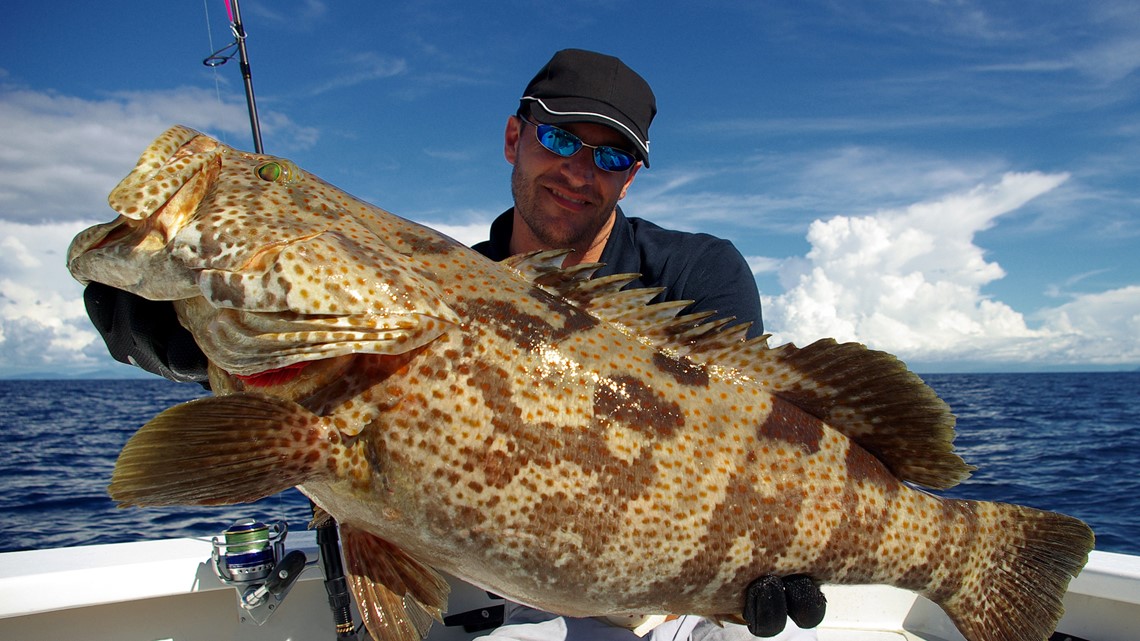
- Red Grouper: Abundant and relatively easier to catch, Red Grouper are recognized by their reddish-brown color and are a staple catch for many Florida charters. They are found across both the Gulf and Atlantic coasts.
- Black Grouper: Known for their dark, mottled appearance and impressive size, Black Grouper offer an exhilarating challenge for anglers. They tend to prefer deeper waters and complex structures.
- Scamp Grouper: Smaller than their relatives but highly sought after for their delicate flavor, Scamp Grouper are typically found in deeper offshore waters.
Understanding which species are in season and where they are most likely to be found will significantly enhance a tourist’s fishing strategy. For instance, a tourist focusing on the Florida Panhandle might prioritize Gag Grouper, while someone visiting Miami might focus on Red or Black Grouper in the Atlantic Ocean waters. Each species provides a distinct angling experience, contributing to the rich tapestry of Florida’s fishing tourism.
Navigating the General Grouper Season Calendar
The complexity of Florida’s grouper seasons stems from the dual jurisdiction of state and federal waters, combined with regional variations. To truly understand when is grouper season Florida, a tourist must differentiate between these zones and their specific rules.
Federal Waters vs. State Waters: A Crucial Distinction
Florida fishing regulations are divided between state and federal oversight:
- State Waters: Generally extend from the shoreline out to 9 nautical miles in the Gulf of Mexico and 3 nautical miles in the Atlantic Ocean. The Florida Fish and Wildlife Conservation Commission (FWC) manages these waters.
- Federal Waters: Lie beyond the state water boundaries. In the Gulf of Mexico, federal waters extend from 9 to 200 nautical miles, and in the Atlantic Ocean, from 3 to 200 nautical miles. Federal agencies like the National Marine Fisheries Service (NMFS) and the Gulf of Mexico Fishery Management Council or the South Atlantic Fishery Management Council govern these areas.
It’s critical for tourists, especially those chartering a boat, to understand which waters they will be fishing in, as regulations can differ significantly. A reputable charter captain will always be well-versed in these distinctions.
Atlantic Waters Regulations for Tourists
The Atlantic Ocean side of Florida offers fantastic grouper fishing, particularly off the coasts of cities like Key West, Fort Lauderdale, and Jacksonville. While specific dates can be subject to change, general patterns for species like Red Grouper, Black Grouper, and Gag Grouper in federal waters off the Atlantic Ocean often see open seasons for much of the year, with some closures, especially for Gag Grouper.
- Typical Open Seasons: Many grouper species in Atlantic Ocean federal waters are open for recreational harvest for significant portions of the year. For instance, Red Grouper and Black Grouper may be open from January 1 to December 31, but always check current FWC and federal regulations.
- Gag Grouper: Historically, Gag Grouper in Atlantic Ocean federal waters often have a shorter season, sometimes opening in May and closing by the end of the year, or even specific short windows.
- Size and Bag Limits: Always adhere to the minimum size limits (e.g., 20 inches for Red Grouper, 24 inches for Black Grouper) and bag limits (e.g., typically one grouper per person per day within a specific aggregate limit).
Tourists looking to fish off the Atlantic Ocean coast should consult the FWC website for state water regulations and the South Atlantic Fishery Management Council for federal regulations immediately prior to their trip.
Gulf of Mexico Waters Regulations for Tourists
The Gulf of Mexico is perhaps most renowned for its grouper fishing, particularly for Gag and Red Grouper. Popular fishing destinations like Destin, Tampa, Sarasota, and St. Petersburg are highly sought after by tourists. The regulations here can be more dynamic and often feature more pronounced closed seasons, especially for Gag Grouper.
- Gag Grouper Season: This is arguably the most complex. In federal waters of the Gulf of Mexico, Gag Grouper typically have a closed season for a significant portion of the year, often opening in June and extending through early December. However, state waters (Florida’s Gulf coast) may have slightly different, sometimes more lenient, open windows, such as opening in April or May and closing at year-end. This specific species often undergoes frequent regulation changes due to stock assessments.
- Red Grouper Season: In Gulf of Mexico federal waters, Red Grouper are generally open year-round for recreational harvest, provided the quota is not met. If the quota is projected to be met, a closure may be enacted.
- Other Grouper Species: Other species like Black Grouper or Scamp have their own specific regulations, often following the broader federal guidelines for reef fish.
- Size and Bag Limits: Standard minimum size limits (e.g., 24 inches for Gag, 20 inches for Red) and bag limits (e.g., 2 grouper per person within an aggregate limit, with specific limits per species) apply.

For tourists planning a trip to the Gulf of Mexico, it is paramount to check the FWC website for state water regulations and the Gulf of Mexico Fishery Management Council or NOAA Fisheries for federal regulations. These regulations are updated frequently, and staying current is key to a legal and enjoyable trip.
Beyond the Calendar: Maximizing Your Grouper Fishing Trip as a Tourist
While knowing when grouper season Florida is is crucial, a successful grouper fishing tourism experience involves more than just calendar dates. Strategic planning, understanding local conditions, and selecting the right resources can significantly elevate your chances of success.
Choosing the Right Charter for Tourists
For most tourists, embarking on a fishing charter is the best way to target grouper. A reputable charter provides not only the boat and gear but also invaluable local knowledge.
- Experience Matters: Look for captains with extensive experience specifically targeting grouper in the area you plan to fish. They know the hotspots, the seasonal movements of fish, and the best techniques.
- Equipment and Comfort: Ensure the charter boat is well-maintained, equipped with appropriate fishing gear (heavy rods, strong reels, braided line), and comfortable for the duration of the trip. Safety equipment is paramount.
- Licenses and Regulations: A good charter will handle all necessary fishing licenses for its patrons and will strictly adhere to all state and federal regulations, including seasons, size, and bag limits. They should be able to clearly communicate these rules to you.
- Targeted Trips: Some charters specialize in specific types of fishing. If grouper is your primary target, confirm they offer dedicated grouper trips.
Many popular Florida destinations, such as Panama City Beach, Fort Myers, and Islamorada, boast numerous excellent charter operations ready to take tourists on an unforgettable grouper adventure.
Best Times of Day and Baits for Tourist Anglers
Grouper are primarily bottom dwellers, and their feeding patterns can be influenced by tides, currents, and time of day.
- Time of Day: While grouper can be caught throughout the day, early mornings and late afternoons often prove most productive, especially in shallower waters. In deeper offshore waters, the time of day might be less critical than the current and structure.
- Baits: Live bait is often king for grouper. Pilchards, pinfish, cigar minnows, mullet, and ballyhoo are all excellent choices. Dead bait, such as squid or cut fish, can also be effective. Artificial lures, like jigs and bucktails, can entice strikes, especially when jigged near structure. Your charter captain will guide you on the best baits for the conditions and target species.
Seasonal Considerations and Weather Impacts for Tourists
Beyond the regulatory seasons, natural seasons and weather play a significant role.
- Water Temperature: Grouper are sensitive to water temperature. During colder months, they might move to deeper, warmer waters. In warmer months, they can be found in a wider range of depths.
- Weather Conditions: Calm seas are generally preferred for offshore grouper fishing, making for a more comfortable and productive trip. Strong winds, heavy chop, or passing storms can make fishing challenging or even unsafe. Always check the marine forecast before heading out.
- Spawning Aggregations: Understanding the general spawning periods, even during open seasons, can sometimes lead to concentrated fish, but also requires responsible angling to avoid overfishing vulnerable populations.
Sustainable Tourism and Responsible Angling
For Florida’s fishing tourism to thrive, adherence to sustainable practices is paramount. Every tourist angler has a role to play in preserving these precious natural resources.
Catch and Release Practices for Tourists
While many tourists aim to keep their catch for a delicious meal, practicing catch and release, especially for undersized fish or during less productive times, is a commendable contribution to conservation.
- Proper Handling: Learn and practice proper catch-and-release techniques to minimize stress and injury to the fish. This includes using appropriate tackle to bring fish in quickly, handling them gently with wet hands, and supporting their body weight.
- Venting or Descending Devices: For grouper caught from deeper waters, they may suffer from barotrauma (swim bladder expansion). Charter captains are equipped with venting tools or descending devices to help these fish recover and safely return to the depths. Ask your captain about these practices.
Understanding and Respecting Regulations
The framework of seasons, size limits, and bag limits is the backbone of sustainable fisheries management. As a tourist, your primary responsibility is to understand and respect these rules.
- Consult Official Sources: Always cross-reference information with the FWC and federal fishery management council websites for the most current regulations before your trip. Regulations can change annually or even mid-season.
- Communicate with Your Captain: Your charter captain is your best resource for on-the-water compliance. Ask questions if you are unsure about any rule.
- Purchase Licenses: If fishing independently (not on a charter that covers licenses), ensure you purchase the required Florida fishing licenses. This contribution directly supports fisheries management and conservation efforts.
The Local Seafood Experience
After a successful day on the water, nothing quite compares to enjoying freshly caught grouper. This is where the tourism experience culminates, connecting the adventure of fishing with the culinary delights of Florida.
- Local Restaurants: Many restaurants across Florida, especially in coastal towns like St. Augustine or Naples, offer “cook your catch” services, allowing you to savor your hard-earned grouper prepared by professional chefs.
- Home Preparation: If you have access to cooking facilities, preparing your grouper at your accommodation (e.g., a vacation rental in Orlando with a kitchen, or a resort on the coast) is a fantastic way to enjoy the freshest seafood. Grouper’s mild, flaky, and firm white meat makes it versatile for grilling, baking, frying, or pan-searing. This direct farm-to-table (or rather, ocean-to-plate) experience is a highlight for many culinary tourists.
In conclusion, knowing when grouper season Florida is, is paramount for any tourist planning a fishing expedition. By understanding the diverse regulations for federal and state waters across the Gulf of Mexico and Atlantic Ocean, selecting an experienced charter, and committing to responsible angling practices, you can ensure your grouper fishing trip is not only thrilling and productive but also contributes positively to the conservation of Florida’s invaluable marine ecosystems. Prepare your tackle, check the forecasts, and get ready for an unforgettable angling adventure in the Sunshine State!
LifeOutOfTheBox is a participant in the Amazon Services LLC Associates Program, an affiliate advertising program designed to provide a means for sites to earn advertising fees by advertising and linking to Amazon.com. Amazon, the Amazon logo, AmazonSupply, and the AmazonSupply logo are trademarks of Amazon.com, Inc. or its affiliates. As an Amazon Associate we earn affiliate commissions from qualifying purchases.