
Florida, a state synonymous with sun-drenched beaches, theme parks, and vibrant cities, often surprises visitors with its equally rich and diverse wilderness. Beyond the coastal allure lies an expansive interior teeming with wildlife, offering unparalleled opportunities for outdoor enthusiasts. Among these pursuits, hunting stands out as a deeply rooted tradition and a significant activity for both residents and tourists seeking a different kind of Floridian adventure. Understanding “When is hunting season in Florida?” is not merely about marking dates on a calendar; it’s about delving into the state’s intricate wildlife management, conservation efforts, and the unique ecosystems that support a robust array of game species. For the discerning traveler interested in eco-tourism, outdoor recreation, or simply experiencing the wilder side of the Sunshine State, navigating the complexities of hunting seasons is crucial for planning an enriching and compliant experience. This guide aims to demystify the Florida hunting calendar, offering insights into regulations, key species, and the responsible practices that ensure this tradition thrives for generations to come.
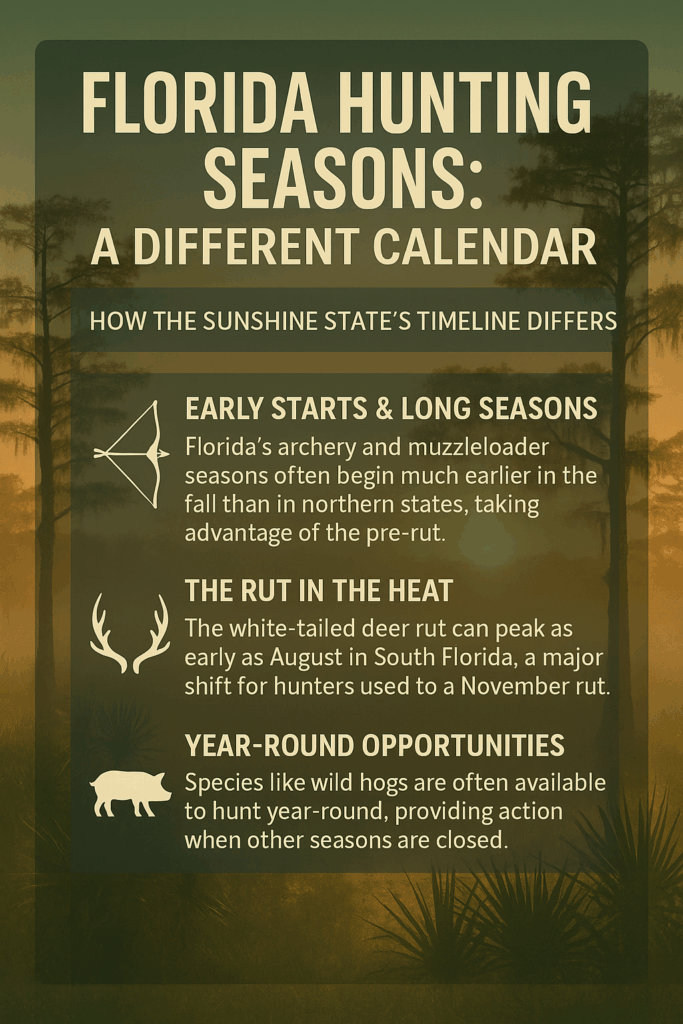
The Regulatory Framework for Florida Hunting
Engaging in hunting activities in Florida requires a thorough understanding of the state’s regulatory environment, designed to balance recreational opportunities with robust conservation. The cornerstone of this framework is the Florida Fish and Wildlife Conservation Commission (FWC), the primary agency responsible for managing Florida’s fish and wildlife resources. The FWC’s approach ensures sustainable hunting practices, protecting animal populations while providing ample opportunities for hunters.
Governing Bodies and Conservation Efforts
The Florida Fish and Wildlife Conservation Commission (FWC) meticulously develops and enforces hunting regulations, sets season dates, and manages wildlife populations across the state. Their mission extends beyond simply regulating hunting; it encompasses broad conservation initiatives, habitat restoration, and public education. Funds generated from hunting licenses and permits directly contribute to these efforts, underscoring the vital role hunters play in Florida’s ecological health. The FWC continually monitors game populations, assesses habitat conditions, and uses scientific data to make informed decisions about hunting seasons and bag limits, ensuring the long-term viability of species like white-tailed deer, wild turkeys, and various migratory birds. This scientific approach is critical for maintaining biodiversity and supporting healthy ecosystems throughout Florida’s diverse landscapes, from the swamps of the Everglades to the pine forests of the panhandle.
Licenses, Permits, and Hunter Education
Before any hunter steps into the Florida wilderness, obtaining the necessary licenses and permits is mandatory. All resident and non-resident hunters are required to possess a valid Florida hunting license. Depending on the species targeted, additional permits may be necessary. For instance, a Deer Permit is required for hunting deer, a Turkey Permit for hunting wild turkeys, and a Migratory Bird Permit for species like doves, ducks, and geese. Special permits are also often required for hunting in specific Wildlife Management Areas (WMAs) or for quota hunts, such as the highly sought-after alligator hunt.
Furthermore, Florida mandates hunter safety education. Anyone born after May 31, 1975, must complete a state-approved hunter safety course before purchasing a hunting license. This requirement ensures that hunters are equipped with knowledge of firearm safety, wildlife identification, hunting ethics, and conservation principles. The FWC offers various courses, including online options followed by a skills day, making it accessible for both residents and visitors planning a hunting trip. Compliance with these regulations is not just a legal obligation; it’s a commitment to responsible and ethical hunting practices that benefit both wildlife and the hunting community.
Public vs. Private Lands
Florida offers a diverse array of hunting grounds, broadly categorized into public and private lands. The state boasts an extensive network of public hunting areas, primarily comprised of Wildlife Management Areas (WMAs), managed by the Florida Fish and Wildlife Conservation Commission (FWC), and lands managed by federal agencies like the U.S. Forest Service and the U.S. Fish and Wildlife Service. These public lands often feature specific regulations, quota hunts, and sometimes require special WMA permits in addition to the base hunting license. Examples include the vast Ocala National Forest and Apalachicola National Forest, which offer extensive opportunities. Private lands, on the other hand, include leased hunting properties, hunting preserves, and private ranches. Access to these lands typically involves permission from the landowner, membership fees, or guided hunting packages. While private lands often offer more flexibility in terms of season dates (within state limits) and bag limits (within state limits), public lands provide an accessible and diverse experience for a wider range of hunters. Understanding the rules specific to the chosen hunting area is paramount, as regulations can vary significantly between different WMAs and private properties.
Key Game Species and Their Seasons
Florida’s rich biodiversity supports a wide array of game species, each with its designated hunting season. These seasons are carefully staggered throughout the year to manage populations effectively and provide diverse hunting opportunities.
White-tailed Deer
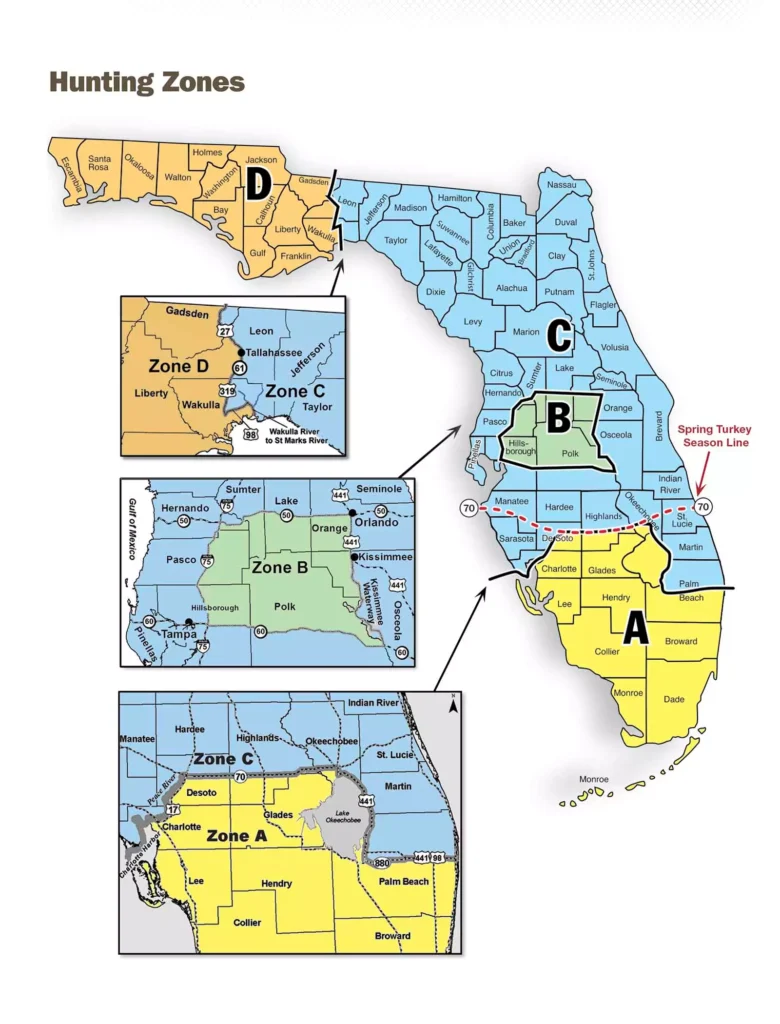
White-tailed deer are the most popular big game animal in Florida, and their hunting seasons are structured across different methods and geographical zones. The state is divided into three main deer hunting zones: the Northwest Zone, the Central Zone, and the South Zone, each with slightly varying dates.
- Archery Season: Typically kicks off the deer hunting calendar, usually starting in late September in the Northwest Zone and Central Zone, and mid-September in the South Zone. These seasons generally run for about a month.
- Muzzleloading Gun Season: Follows the archery season, usually beginning in October in all zones, lasting for one to two weeks.
- General Gun Season: This is the longest and most popular season. In the Northwest Zone, it usually runs from Thanksgiving week through late February. The Central Zone sees its general gun season from late October through early January, while the South Zone typically runs from late October through mid-December.
It’s crucial for hunters to consult the current Florida Fish and Wildlife Conservation Commission (FWC) regulations each year, as dates can shift slightly, and specific WMA rules may apply.
Wild Turkey
Florida is home to the Osceola wild turkey, a subspecies found only in the state, making turkey hunting a unique draw. Turkey seasons are primarily focused on gobblers (males) and are split into spring and sometimes fall hunts.
- Spring Turkey Season: This is the most anticipated season, typically running from mid-March to late April in the South Zone, and from late March to late April in the Northwest Zone and Central Zone. Hunters often target turkeys during their breeding season when gobblers are vocal and responsive to calls.
- Fall Turkey Season: Some WMAs and private lands may offer limited fall turkey hunting opportunities, often coinciding with general gun deer seasons, but these are less common and more restricted than the spring hunt.
Again, checking the latest FWC regulations for precise dates and bag limits is essential, as these can vary year to year and by location.
Migratory Birds
Hunting migratory birds in Florida offers a dynamic experience, subject to both federal and state regulations. Species include doves, ducks, geese, and various coots and snipe.
- Dove Season: Typically split into three phases: an early season from late September to mid-October, a late November to mid-December season, and a final phase from mid-December to mid-January.
- Duck and Coot Season: Generally runs from late November to late January, with a youth waterfowl hunting weekend often occurring in early February.
- Snipe Season: A longer season, usually from early November to mid-February.
- Goose Season: Specific dates are set for specific species like Canada geese, often aligning with duck seasons or having separate, shorter periods.
Due to the migratory nature of these birds, regulations are often influenced by national frameworks, making it particularly important to consult the current Florida Fish and Wildlife Conservation Commission (FWC) hunting guide for specific zone dates, bag limits, and shooting hours.
Small Game and Alligators
Beyond the popular big game and migratory birds, Florida offers seasons for various small game and a truly unique alligator hunt.
- Small Game (Squirrels and Rabbits): These animals generally have long, consistent seasons, often from early November through early March statewide. They offer accessible hunting opportunities and are a great way to introduce new hunters to the sport.
- Alligators: Alligator hunting is a highly regulated quota hunt, requiring a special permit obtained through a lottery system. The season typically runs from mid-August through early November. Permits are zone-specific and limited, making it a challenging but rewarding experience. Successful applicants receive specific harvest tags for particular hunting units and dates.
For all these species, meticulous adherence to regulations, including bag limits, method of take, and specific WMA rules, is critical for a legal and ethical hunt.
Understanding Florida’s Hunting Zones and Calendar
Navigating Florida’s hunting seasons effectively requires more than just knowing when individual species are open. The state’s zonal system and the intricate calendar of special hunts and application deadlines are vital components for a successful hunting plan.
The Zonal System Explained
Florida’s diverse geography and climate necessitate a zonal approach to wildlife management. The state is divided into three primary deer hunting zones—the Northwest Zone, Central Zone, and South Zone—each with distinct season dates for certain game, particularly white-tailed deer and wild turkey. These zones account for variations in deer breeding cycles, habitat conditions, and hunting pressure across the state. For instance, deer rut (breeding season) occurs at different times in North versus South Florida, influencing the optimal timing for general gun seasons. Understanding which zone your chosen hunting grounds fall into is the first step in determining the legal hunting dates for your target species. The Florida Fish and Wildlife Conservation Commission (FWC) provides detailed maps and descriptions of these zones in their annual hunting regulations handbook, which is an indispensable resource for any hunter planning a trip to Florida.
Typical Season Overlap and Planning
The staggered nature of hunting seasons in Florida often leads to significant overlap, allowing for multi-species hunting opportunities. For example, during much of the general gun deer season in late fall and early winter, small game seasons for squirrels and rabbits are also open, and migratory bird seasons for ducks or doves may be underway. This overlap provides incredible flexibility for hunters to tailor their trips, potentially pursuing multiple game animals within a single visit. A hunter might spend mornings in a deer stand and afternoons jump-shooting ducks, or combine a wild hog hunt (which often has year-round opportunities on private lands or specific WMA permits) with small game. Careful planning, using the official FWC season dates, is essential to maximize these opportunities while strictly adhering to the specific bag limits, methods of take, and licensing requirements for each species. Tourists interested in a comprehensive hunting experience will find Florida’s calendar particularly appealing.
Important Dates and Application Deadlines
Beyond general season dates, several important application deadlines punctuate Florida’s hunting calendar. Many of the state’s premier hunting experiences, particularly those in Wildlife Management Areas (WMAs) or for specific high-demand species like alligators, are managed through quota hunts or special permits obtained via a lottery system. Applications for these hunts typically open months in advance. For example, the highly coveted alligator harvest permits usually have an application period in May and June. Similarly, special opportunity hunts for deer or turkey on specific WMAs might have application deadlines in late spring or early summer. Missing these deadlines means missing the chance to participate in these exclusive hunts. Prospective hunters should regularly check the Florida Fish and Wildlife Conservation Commission (FWC) website for the latest season dates, application periods, and drawing results. Planning well in advance, sometimes a year out, is crucial for securing a spot in Florida’s most sought-after hunting expeditions, enhancing the tourism experience with unique, once-in-a-lifetime opportunities.
Ethical Hunting and Responsible Tourism
Hunting in Florida, much like any interaction with the natural world, comes with a profound responsibility. For tourists engaging in this activity, embracing ethical hunting practices and responsible tourism principles ensures a positive experience for themselves, for wildlife, and for the local communities.
Safety First: Hunter Education and Best Practices
Safety is paramount in all hunting activities. As mentioned, Florida mandates hunter education for many, but even experienced hunters benefit from refreshing their knowledge. This includes understanding firearm safety, proper use of tree stands, basic first aid, and navigating in the wilderness. Beyond formal training, responsible hunters always follow best practices: clearly identifying targets before shooting, being aware of surroundings, communicating with hunting partners, and respecting property boundaries. For tourists, it’s advisable to consider hiring a licensed guide, especially when unfamiliar with the terrain or local hunting nuances. Guides provide invaluable expertise on local regulations, animal behavior, and safety protocols, significantly enhancing both the safety and success of the hunt. This proactive approach to safety protects not only the hunter but also others in the field and the broader public, embodying responsible outdoor tourism.
Conservation and Impact
Every hunting license and permit purchased in Florida contributes directly to wildlife conservation efforts. These funds support habitat restoration, wildlife research, law enforcement, and public access to hunting lands. Ethical hunters understand their role as conservationists, adhering strictly to bag limits, season dates, and fair chase principles. They avoid waste, utilize the game they harvest, and respect wildlife populations, understanding that sustainable hunting relies on healthy ecosystems. For tourists, participating in hunting tourism means contributing to this vital conservation cycle, helping to preserve the very natural resources that draw them to Florida’s wilderness. It’s an opportunity to engage in a form of eco-tourism where recreation and conservation are inextricably linked, ensuring the longevity of Florida’s natural heritage for future generations.
Respecting Local Communities and Ecosystems
Responsible tourism extends beyond the hunt itself to how visitors interact with local communities and the environment. Hunters should always respect private property, obtain necessary permissions, and be mindful of local customs and sensitivities. Minimizing environmental impact means leaving no trace, packing out all waste, and avoiding actions that could damage habitats or disturb non-target species. This includes proper disposal of animal remains, adherence to baiting regulations, and avoiding contamination of water sources. When visiting Wildlife Management Areas (WMAs) or other public lands, understanding and respecting the multi-use nature of these areas—which are also used by hikers, birdwatchers, and campers—is essential. By acting as thoughtful and considerate visitors, hunting tourists not only enhance their own experience but also foster positive relationships with local residents and contribute to a sustainable and harmonious outdoor recreation environment across Florida.
Understanding when hunting season is in Florida is the first step towards a memorable and impactful experience in the state’s wild heart. From the thrilling pursuit of white-tailed deer and wild turkeys to the unique challenge of alligator hunting, Florida offers a diverse and engaging hunting landscape. By adhering to the regulations set forth by the Florida Fish and Wildlife Conservation Commission (FWC), completing necessary hunter education, and embracing a mindset of ethical hunting and responsible tourism, visitors can immerse themselves in one of Florida’s most cherished outdoor traditions. This journey through Florida’s hunting seasons is more than just a trip; it’s an opportunity to connect with nature, contribute to conservation, and experience the Sunshine State from a truly unique perspective.
LifeOutOfTheBox is a participant in the Amazon Services LLC Associates Program, an affiliate advertising program designed to provide a means for sites to earn advertising fees by advertising and linking to Amazon.com. Amazon, the Amazon logo, AmazonSupply, and the AmazonSupply logo are trademarks of Amazon.com, Inc. or its affiliates. As an Amazon Associate we earn affiliate commissions from qualifying purchases.