
Florida, the Sunshine State, beckons millions of travelers each year with its pristine beaches, world-class theme parks, vibrant cities, and unique natural landscapes. However, identifying the “best” time to visit this diverse state isn’t a simple task, as it largely depends on individual preferences, priorities, and what one hopes to experience. From dodging hurricane season to finding the perfect balance between ideal weather and manageable crowds, planning your trip requires a nuanced understanding of Florida’s seasonal rhythms. This comprehensive guide will help you pinpoint the optimal window for your dream Florida getaway.
Understanding Florida’s Diverse Seasons
Florida’s climate is subtropical in the north and tropical in the south, leading to distinct seasonal variations that impact travel experiences. While known for its sunshine, the state experiences different weather patterns throughout the year, each with its own advantages and disadvantages for visitors.
The Dry Season: Winter (December – February)
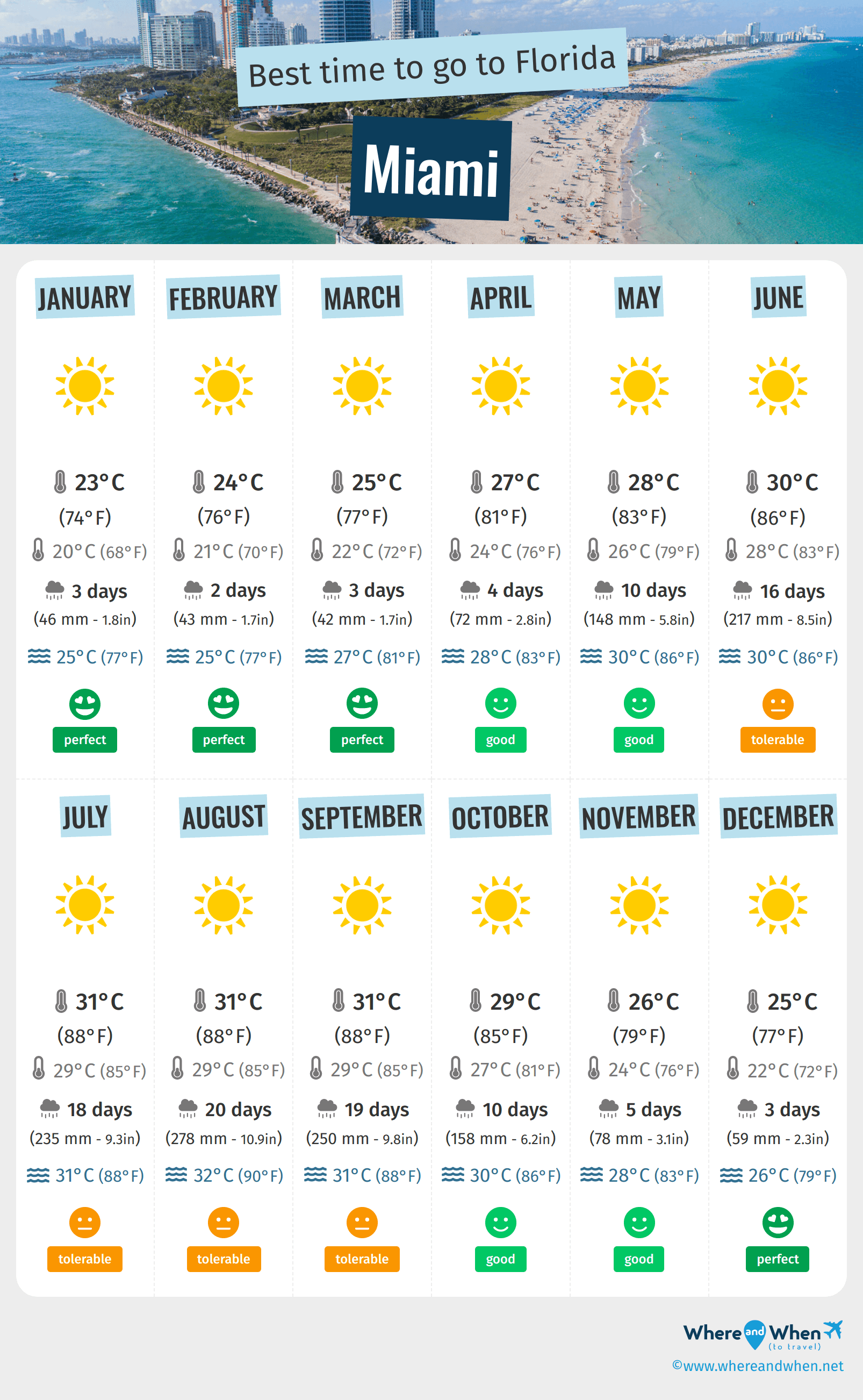
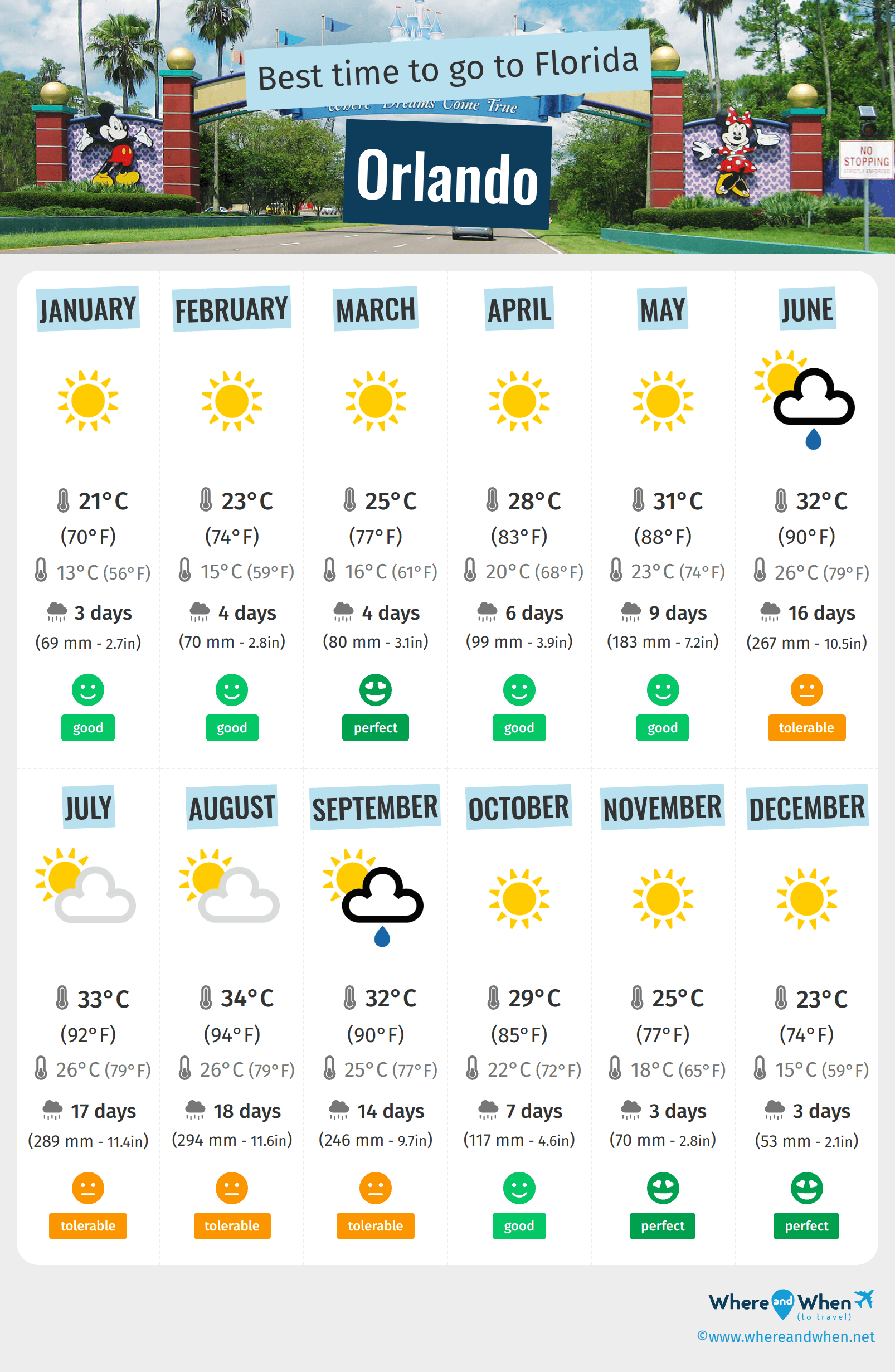
Winter in Florida is arguably the most popular time to visit, especially for those escaping colder climates. Characterized by low humidity, abundant sunshine, and pleasant temperatures, this period offers a refreshing escape. Average temperatures range from the mid-60s to mid-70s Fahrenheit (18-24°C) in central Florida and even warmer in South Florida, making it ideal for outdoor activities, beach lounging, and theme park adventures without the oppressive summer heat. Rainfall is minimal, and the risk of hurricanes is non-existent.
The downside, however, is that this popularity translates into higher prices for flights and accommodation, particularly around holidays like Christmas, New Year’s, and President’s Day. Attractions, including major theme parks like Walt Disney World Resort and Universal Orlando Resort, experience their highest crowd levels, leading to longer wait times and a more bustling atmosphere. Nonetheless, for many, the perfect weather outweighs these considerations.
The Spring Sweet Spot (March – May)
Spring is a fantastic transitional period that often offers the best of both worlds. Early spring, particularly March and April, continues the comfortable, dry weather of winter but with slightly rising temperatures, making it superb for beach activities, golfing, and exploring natural parks. Crowd levels typically decrease after the peak winter holidays, though spring break periods can see surges, especially in popular coastal cities and around theme parks.
As spring progresses into May, temperatures begin to climb, and humidity starts to increase, particularly in South Florida. While still very enjoyable, the occasional afternoon thunderstorm might begin to appear. This shoulder season can offer good value, with hotel rates and airfares generally lower than in winter, making it an attractive option for budget-conscious travelers seeking pleasant weather.
The Humid Summer (June – August)
Summer in Florida is defined by heat, humidity, and frequent afternoon thunderstorms. Temperatures consistently hover in the high 80s and low 90s Fahrenheit (30-35°C), often feeling hotter due to the high humidity. The “rainy season” means daily showers, typically brief but intense, usually occurring in the late afternoon. While these downpours provide a temporary cooling effect, they can disrupt outdoor plans.
Despite the weather, summer is a peak season for families, largely due to school holidays. Theme parks like Walt Disney World Resort and Universal Orlando Resort are bustling, and water parks become incredibly popular. If you can tolerate the heat and humidity, and don’t mind planning around the rain, summer offers long daylight hours and a vibrant atmosphere. Deals on accommodation and flights might be harder to find during the core summer months, as domestic tourism surges.
The Autumn Transition (September – November)
Autumn is another shoulder season that presents a mixed bag for travelers. Early autumn, particularly September and October, coincides with the peak of hurricane season (June 1 – November 30), which can be a significant deterrent for some. However, if the weather holds, these months can offer fantastic travel experiences with fewer crowds and lower prices. Temperatures gradually become more comfortable, especially in November, as the humidity begins to drop.
By late October and November, the weather often mimics early spring – warm, less humid, and with reduced rainfall. This makes it an excellent time for visiting theme parks, enjoying the beaches, and exploring cultural attractions without the intense heat or the biggest crowds. For those willing to monitor weather forecasts and potentially purchase travel insurance, late autumn can be a remarkably rewarding time to visit Florida.
Factors Influencing Your Florida Travel Dates
Beyond the general seasonal overview, several specific factors should weigh into your decision when planning a trip to Florida.
Weather and Climate Considerations
The primary driver for many Florida visits is the weather. If your priority is consistently warm, dry, and sunny days for beach activities, golfing, or simply escaping the cold, then winter (December-February) is your best bet, especially for destinations like Miami Beach, Key West, and Naples. For those who enjoy warmth but prefer to avoid the summer’s oppressive humidity and daily downpours, late spring (April-May) and late autumn (October-November) offer a pleasant compromise.
Crowd Levels and Peak Season
Florida is a popular destination year-round, but some periods are significantly more crowded than others. Winter, especially around holidays and school breaks, sees the highest influx of tourists. This extends to spring break in March and April, and the entire summer vacation period. If you prefer a more relaxed experience with shorter lines at attractions and less crowded beaches, consider visiting during late April, May, early September, or November (excluding Thanksgiving week). These shoulder seasons generally offer a better balance of good weather and fewer people.
Cost of Travel: Flights and Accommodation
As with crowds, travel costs fluctuate dramatically with demand. Peak season (winter and summer) typically brings the highest prices for flights, hotels, and rental cars. Destinations like Orlando and Miami are particularly affected. To save money, target shoulder seasons (late spring and late autumn). You can often find excellent deals on accommodation and airfare during these times, especially if you book in advance and are flexible with your exact dates. Even within peak seasons, traveling mid-week can sometimes offer slight savings compared to weekend travel.
Special Events and Festivals
Florida hosts a plethora of events and festivals throughout the year, which might influence your travel dates. From the Epcot International Food & Wine Festival in the fall to numerous music festivals, art shows in Miami, and pirate festivals in Tampa, there’s always something happening. If attending a specific event is a priority, research its dates and plan your trip accordingly, bearing in mind that these events can also lead to localized price increases and higher crowds.
Tailoring Your Visit to Specific Florida Experiences
Florida’s diverse offerings mean the “best time” can also depend on what type of vacation you’re seeking.
Theme Park Adventures
For experiencing the magic of Walt Disney World Resort, Universal Orlando Resort, or Busch Gardens Tampa Bay, the cooler, drier months of late January, February, late April, early May, and late September through early November are often ideal. You’ll enjoy more comfortable temperatures for walking around the parks all day and potentially shorter wait times compared to the peak holiday seasons or the sweltering summer. Visiting in the height of summer means contending with intense heat, humidity, and daily rain showers, though water parks become a necessary and enjoyable escape.
Beach Escapes and Water Sports
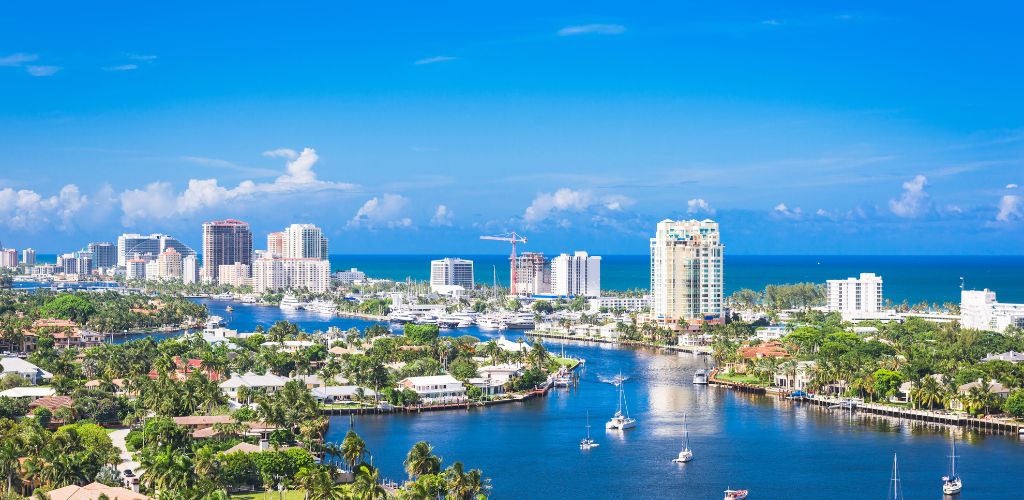
If sunbathing, swimming, snorkeling, or diving are your main goals, then warm water and pleasant beach weather are key. The spring and autumn shoulder seasons (April-May and October-November) offer a sweet spot with warm enough water for swimming and comfortable air temperatures without the scorching summer heat or the occasional chilly winter days. Destinations like Clearwater Beach, Sarasota, and Fort Lauderdale are particularly inviting during these times. Winter is also excellent for beach walks and sunbathing, but the ocean might be too cool for extended swimming for some, especially in northern Florida.
Nature and Wildlife Exploration
Exploring natural wonders like Everglades National Park, the Florida Keys, or various state parks is best done during the dry season (December-May). The cooler, less humid weather makes hiking and wildlife viewing (especially alligator spotting in the Everglades National Park) far more pleasant. Fewer mosquitoes are also a significant advantage. Manatee viewing, for instance, is best in the winter when they seek warmer waters in Florida’s springs and coastal areas.
Cultural Immersion and City Breaks
For exploring historic cities like St. Augustine or enjoying the vibrant arts and culture scene in Miami and Orlando, the cooler, drier months of winter and spring (December-May) are generally preferred. Walking tours, outdoor dining, and street festivals are much more enjoyable when the temperatures are mild. While summer can be fine for indoor attractions like museums, the heat can make extensive outdoor exploration uncomfortable.
Navigating Florida’s Hurricane Season
Florida’s hurricane season runs from June 1st to November 30th, with the peak occurring between mid-August and late October. This is a critical factor for many travelers.
Understanding the Risks
While direct hurricane strikes are relatively rare, the possibility exists. Even a distant storm can bring heavy rains, strong winds, and rough seas, disrupting travel plans. Weather forecasts become essential during these months.
Travel Insurance and Preparation
If you plan to travel during hurricane season, purchasing comprehensive travel insurance that covers weather-related cancellations and interruptions is highly advisable. Many policies offer “cancel for any reason” options, though these are typically more expensive. Staying informed about weather alerts from reputable sources like the National Hurricane Center is crucial.
Alternative Strategies
Despite the risks, traveling during hurricane season can offer benefits like significantly lower prices and fewer crowds. If you are flexible with your dates and destinations, you might find incredible deals. Consider visiting areas less prone to severe hurricane impacts or planning a trip where indoor activities are plentiful. Many resorts and hotels offer hurricane guarantees, allowing you to rebook without penalty if a storm impacts your travel.
Making Your Decision: The Ideal Time for You
Ultimately, the “best” time to go to Florida is subjective and hinges entirely on your personal priorities.
Balancing Priorities
- For perfect weather and don’t mind crowds/higher costs: Winter (December-February)
- For good weather, fewer crowds, and moderate costs: Late spring (late April-May) or late autumn (late October-November)
- For budget travel and don’t mind heat/rain/hurricane risk: Summer (June-August) or early autumn (September-early October)
- For specific events or wildlife viewing: Research the timing of those particular attractions.
Flexibility is Key
Being flexible with your travel dates, even by a week or two, can yield significant benefits in terms of cost savings and crowd avoidance. If you have the luxury of choosing, opting for mid-week travel within any given season can also enhance your experience.
Florida is a vibrant and welcoming destination year-round, offering something for every type of traveler. By considering the seasonal variations, your personal preferences, and the specific activities you plan to pursue, you can confidently choose the ideal time to embark on your unforgettable Sunshine State adventure.
LifeOutOfTheBox is a participant in the Amazon Services LLC Associates Program, an affiliate advertising program designed to provide a means for sites to earn advertising fees by advertising and linking to Amazon.com. Amazon, the Amazon logo, AmazonSupply, and the AmazonSupply logo are trademarks of Amazon.com, Inc. or its affiliates. As an Amazon Associate we earn affiliate commissions from qualifying purchases.