
Planning a trip to the beautiful beaches of Florida often conjures images of sun-drenched sands, crystal-clear waters, and vibrant marine life. However, for many visitors, the allure of a refreshing dip in the ocean can be tempered by the potential encounter with jellyfish. Understanding when jellyfish are most prevalent can significantly enhance your beachgoing experience, allowing you to plan your visit strategically and pack accordingly. Florida’s extensive coastline, bordering both the Gulf of Mexico and the Atlantic Ocean, hosts a diverse array of marine life, including various jellyfish species. While jellyfish can be present year-round in warmer waters, there are distinct periods when their populations surge, making them more noticeable along the shore. This guide will help you navigate the timing of jellyfish season across different regions of the Sunshine State, ensuring your vacation is as sting-free as possible.
Understanding Florida’s Jellyfish Landscape
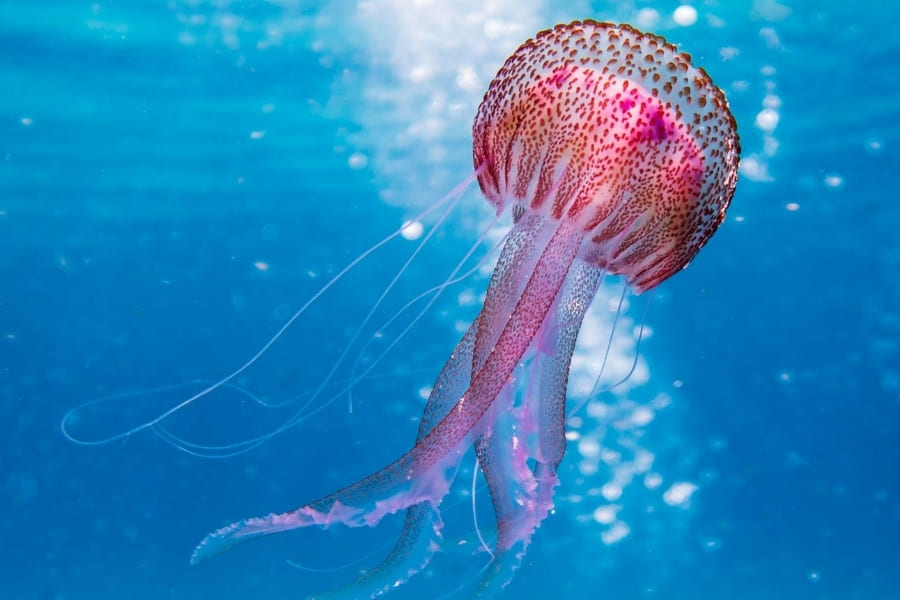
Florida is a prime location for observing marine life, and jellyfish are an integral part of its coastal ecosystems. These gelatinous creatures, while sometimes intimidating, play a vital role in the ocean’s food web. Their presence is often influenced by a combination of environmental factors, including water temperature, currents, and the availability of their food sources, which typically consist of plankton and small fish.
Common Jellyfish Species in Florida Waters
The type of jellyfish you might encounter can vary depending on the specific location and time of year. Familiarizing yourself with some of the most common species can help you anticipate potential encounters and understand their characteristics.
-
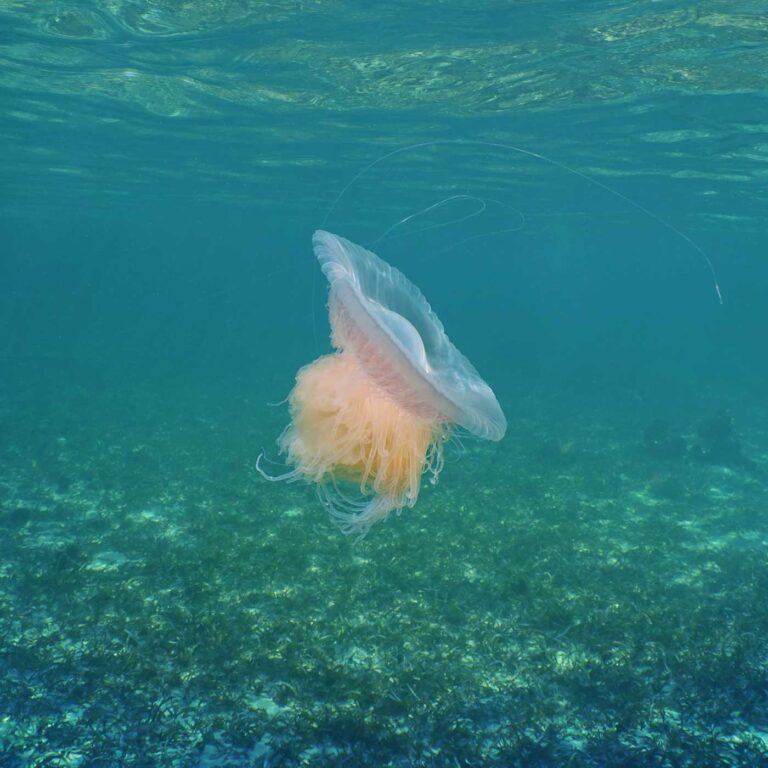
Moon Jellyfish (Aurelia aurita): These are perhaps the most recognized jellyfish, known for their translucent, saucer-shaped bells and short, fringed tentacles. They are generally harmless to humans, with a mild sting that is rarely felt. Moon jellyfish are found in all oceans and are common in Florida waters, often appearing in large numbers.
-
Cannonball Jellyfish (Stomolophus meleagris): Easily identified by their firm, melon-shaped bells, these jellyfish are also known as “cabbage heads.” They have a more potent sting than moon jellyfish, capable of causing redness and a burning sensation. Cannonball jellyfish are abundant in the Gulf of Mexico and are often washed ashore after storms or strong currents.
-
Portuguese Man-of-War (Physalia physalis): While technically a siphonophore (a colony of specialized organisms) rather than a single jellyfish, the Portuguese Man-of-War is a significant concern for beachgoers. Its distinctive blue, gas-filled float is easily recognizable, and its long, stinging tentacles can deliver a painful and medically significant sting. These are more common in cooler months and are often found washed ashore.
-
Sea Nettle (Chrysaora quinquecirrha): These jellyfish have a distinct bell with a reddish-brown or yellowish hue and long, flowing tentacles and oral arms. Their sting can be quite painful, causing welts and burning sensations. Sea nettles are more prevalent in brackish waters and estuaries but can be found in coastal ocean waters as well.
Factors Influencing Jellyfish Blooms
Several environmental factors contribute to the formation of jellyfish blooms, periods when their populations significantly increase.
-
Water Temperature: Jellyfish generally thrive in warmer waters. As water temperatures rise, their reproductive cycles are often stimulated, leading to larger numbers.
-
Nutrient Availability: Increased nutrients in the water, often from agricultural runoff or sewage discharge, can lead to a surge in phytoplankton, the primary food source for jellyfish. This abundance of food supports a larger jellyfish population.
-
Ocean Currents and Winds: Specific current patterns and wind conditions can concentrate jellyfish in certain areas, bringing them closer to shorelines and increasing the likelihood of encounters. Storms and prevailing winds can also push large numbers of jellyfish onto beaches.
-
Predator and Prey Balance: Changes in the populations of jellyfish predators (like sea turtles) or their prey can also influence jellyfish numbers.
Jellyfish Season Across Florida’s Coastlines
Florida’s vast coastline can be broadly divided into two main regions for marine life observation: the Atlantic coast and the Gulf coast. While there’s overlap, some jellyfish species and their peak seasons may differ between these two environments.
Atlantic Coast Jellyfish Patterns
The Atlantic coast of Florida, stretching from the Panhandle down to the Florida Keys, experiences distinct jellyfish seasons influenced by the Atlantic Ocean’s dynamics.
-
Spring (March – May): As water temperatures begin to rise, various jellyfish species start becoming more active. This is often when you’ll begin to see an increase in moon jellyfish and, towards the end of spring, potentially sea nettles.
-
Summer (June – August): This is generally considered peak jellyfish season for many areas along the Atlantic coast. Warm waters are ideal for reproduction and growth. Moon jellyfish are abundant, and while less common than on the Gulf coast, cannonball jellyfish can also be spotted. The most concerning presence during summer are the stinging tentacles of Portuguese Man-of-War, which can be carried by prevailing currents.
-
Fall (September – November): As the summer heat subsides, jellyfish populations may begin to decrease, though they can still be present. However, this is also the season when Portuguese Man-of-War become more common as currents shift. They are often found washed ashore, particularly after offshore winds.
-
Winter (December – February): While jellyfish activity generally slows down in cooler waters, the Atlantic coast can experience significant numbers of Portuguese Man-of-War during these months. These creatures are better adapted to cooler temperatures and can be found frequently on beaches from St. Augustine to Miami.
Gulf Coast Jellyfish Patterns
The Gulf of Mexico side of Florida, known for its calmer waters and warmer temperatures, exhibits its own unique jellyfish patterns.
-
Spring (March – May): The Gulf coast sees an early increase in jellyfish activity as the waters warm. Cannonball jellyfish, in particular, begin to appear in larger numbers. Moon jellyfish are also present, and beachgoers might start noticing their translucent bells near the shore.
-
Summer (June – August): Summer is the undisputed prime time for jellyfish on the Gulf Coast. Cannonball jellyfish are exceptionally abundant, often forming dense aggregations. Moon jellyfish are also very common. While less frequent than on the Atlantic side, Portuguese Man-of-War can still be encountered, especially if currents bring them from the open gulf. Beaches in areas like Clearwater, Sarasota, and Fort Myers can see significant jellyfish presence during these months.
-
Fall (September – November): As the summer heat wanes, the abundance of cannonball and moon jellyfish typically decreases. However, this is a transitional period, and some jellyfish may still be present. The risk of encountering washed-up Portuguese Man-of-War also exists, though generally less so than on the Atlantic coast during this time.
-
Winter (December – February): Jellyfish activity is at its lowest on the Gulf Coast during the winter months due to cooler water temperatures. You are less likely to encounter large numbers of jellyfish, making this a potentially ideal time for swimming without the worry of stings. However, the possibility of a stray Portuguese Man-of-War remains, especially after cold fronts pass.
Preparing for Jellyfish Encounters
Being informed about jellyfish season is the first step towards a safer and more enjoyable beach trip in Florida. However, proactive measures and knowledge of what to do if stung are crucial for preparedness.
Tips for a Jellyfish-Aware Beach Visit
-
Check Local Beach Conditions: Many Florida beaches have lifeguard stations that often monitor and report jellyfish sightings. Before heading out, check with local authorities or lifeguards for any current advisories. Some beach websites also provide real-time information.
-
Observe Beach Flags: Beaches often use a flag system to warn of hazards. A purple flag, for instance, is commonly used to indicate dangerous marine life, including jellyfish.
-
Scan the Water and Shoreline: Before entering the water, take a moment to scan the surface and the shoreline for jellyfish. Be particularly cautious in areas where seaweed is accumulating, as jellyfish often gather in these concentrations.
-
Wear Protective Footwear: If you plan on wading or walking in shallow waters where jellyfish might be present, consider wearing water shoes or sandals. This can provide a layer of protection against stings from jellyfish on the seabed or those that have washed ashore.
-
Educate Children: If traveling with children, explain the potential presence of jellyfish and the importance of not touching them, even if they appear harmless.
-
Know the Stings: Familiarize yourself with the common symptoms of stings from different jellyfish species. While most are mild, some can be quite painful.

What to Do If You Are Stung
Despite precautions, stings can still happen. Knowing the proper first-aid procedures can alleviate pain and prevent complications.
-
Exit the Water: As soon as possible, safely exit the water to avoid further stings.
-
Rinse with Saltwater: Carefully rinse the affected area with saltwater, not fresh water. Fresh water can cause any remaining stinging cells (nematocysts) to discharge, worsening the sting.
-
Remove Tentacles (If Visible): If you can see tentacles on the skin, carefully remove them. Use tweezers, a shell edge, or the edge of a credit card to lift them away. Avoid using your bare hands.
-
Apply Heat or Cold (Varies by Jellyfish Type):
- For most Florida jellyfish stings, especially from cannonball jellyfish, applying a heat pack or soaking the affected area in hot water (as hot as can be tolerated without scalding, around 104-113°F or 40-45°C) for 20-45 minutes is often recommended to denature the venom.
- For Portuguese Man-of-War stings, hot water is also generally effective, but some sources suggest cold packs might also offer relief for certain types of stings. Always prioritize safety and consult a medical professional if unsure.
-
Seek Medical Attention: For severe stings, stings covering a large area, stings on the face or genitals, or if you experience symptoms like difficulty breathing, nausea, vomiting, or muscle cramps, seek immediate medical attention. A lifeguard, local clinic, or emergency room can provide appropriate care.
-
Avoid Myths: Do not urinate on the sting site, as this is an ineffective folk remedy and can potentially worsen the sting. Also, avoid rinsing with vinegar unless specifically advised by a medical professional, as it can be detrimental for some types of stings, though beneficial for others. Stick to reliable advice and saltwater rinsing.
By understanding the patterns of jellyfish season in Florida and taking appropriate precautions, you can maximize your enjoyment of its stunning beaches while minimizing the risk of an unpleasant encounter. Whether you’re planning to visit Miami Beach, the Florida Keys, or the pristine shores of the Gulf Coast, a little preparation goes a long way towards a memorable and sting-free vacation.
LifeOutOfTheBox is a participant in the Amazon Services LLC Associates Program, an affiliate advertising program designed to provide a means for sites to earn advertising fees by advertising and linking to Amazon.com. Amazon, the Amazon logo, AmazonSupply, and the AmazonSupply logo are trademarks of Amazon.com, Inc. or its affiliates. As an Amazon Associate we earn affiliate commissions from qualifying purchases.