
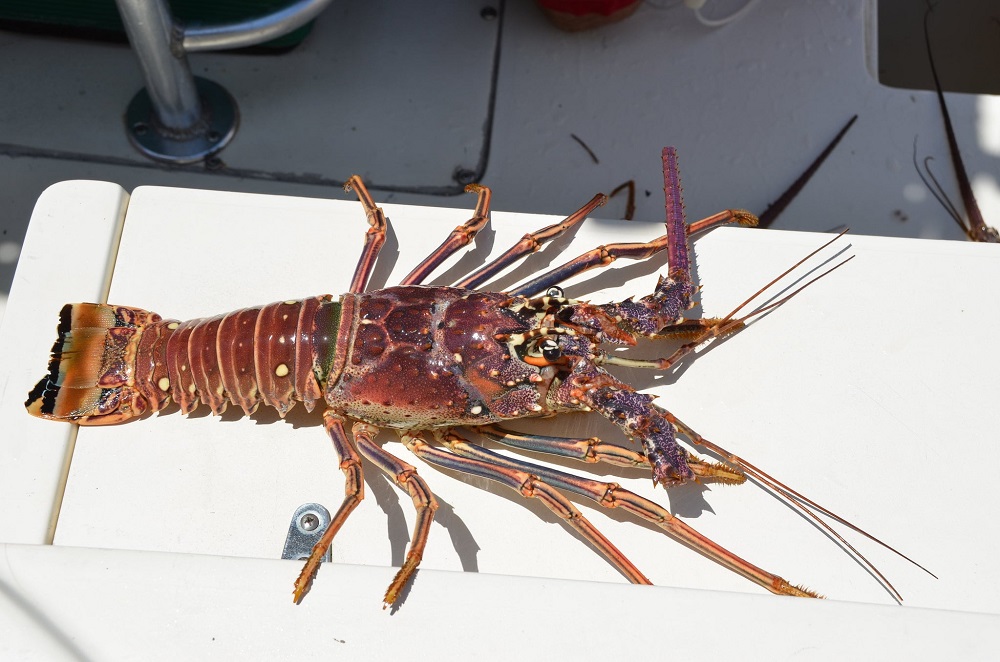
The allure of the Florida Keys is undeniable, a string of tropical islands stretching into the cerulean waters of the Atlantic Ocean and the Gulf of Mexico. While its vibrant coral reefs, breathtaking sunsets, and laid-back atmosphere draw millions of visitors annually, there’s a particular phenomenon that ignites an extraordinary fervor among locals and tourists alike: lobster season. For those dreaming of diving into crystal-clear waters to catch their own dinner or simply savoring the freshest spiny lobster imaginable, understanding the nuances of when and how to experience this culinary and recreational highlight is paramount. It’s more than just a date on a calendar; it’s an integral part of the Florida Keys culture, offering a unique blend of adventure, delicious food, and unforgettable memories.

Understanding Florida Keys Lobster Seasons
Unlike many other fisheries, the Florida Keys spiny lobster season is bifurcated into two distinct periods, each with its own characteristics, rules, and appeal. Knowing the difference between these two seasons is crucial for planning your visit and maximizing your chances of a successful and enjoyable lobster experience.
The Sport Lobster Mini-Season
The most electrifying and arguably the most famous period is the two-day recreational “mini-season.” This event transforms the usually tranquil waters of the Florida Keys into a bustling hive of activity, drawing thousands of eager divers and snorkelers from across the globe.
This highly anticipated event typically occurs on the last Wednesday and Thursday of July. Its purpose is to give recreational divers a two-day head start before the commercial lobster traps are deployed, creating an exclusive window for enthusiasts to catch spiny lobster using dive gear. The atmosphere during mini-season is electric, a festive blend of camaraderie and competitive spirit. Boats line up at the docks before dawn, loaded with gear and anticipation, ready to hit the prime spots at first light.
However, with the excitement comes a stringent set of rules and regulations. Participants must possess a valid Florida saltwater fishing license with a spiny lobster permit. Bag limits are strictly enforced: six lobsters per person per day in most of the Florida Keys, but dramatically reduced to twelve lobsters per person per day in Monroe County (which encompasses the entire Florida Keys), reflecting the unique status of this region. Lobster carapace measurements are critical, as only those larger than 3 inches, measured in the water, can be legally harvested. This ensures the sustainability of the population. Gear restrictions are also in place, generally prohibiting the use of spears or traps during mini-season, emphasizing the “sport” aspect of direct interaction and capture. Specific no-take zones, such as within the boundaries of John Pennekamp Coral Reef State Park and other marine protected areas, are strictly observed. For those seeking an adrenaline-fueled adventure and a taste of true Florida Keys diving culture, the mini-season is an unparalleled experience, though it requires meticulous planning and a keen understanding of the regulations.
The Regular Lobster Season
Following the intensity of the mini-season, the regular lobster season kicks off with a slightly more subdued, yet equally productive, pace. This much longer season typically runs from August 6th through March 31st, providing ample opportunity for both recreational and commercial fishermen to harvest spiny lobsters.
The regular season offers a more relaxed environment compared to the mini-season’s frenetic energy. While recreational divers and snorkelers can still pursue their quarry, they do so alongside commercial boats deploying thousands of traps. The daily bag limit for recreational harvesters during this period is six lobsters per person per day throughout the Florida Keys, aligning with the broader state regulations. The legal size requirement of a 3-inch carapace remains constant.
During the regular season, the methods of harvesting are more diverse. Recreationalists continue to enjoy diving for lobster, using tickle sticks and nets to coax lobsters out of their crevices. However, this is also the primary period for trap fishing, which is predominantly the domain of commercial fishermen. For visitors who aren’t keen on diving or don’t have the necessary equipment, the regular season means a steady supply of fresh, locally caught spiny lobster at restaurants and seafood markets throughout the Florida Keys. The sustained availability ensures that even if you miss the mini-season, you can still indulge in this delicious crustacean for a significant portion of the year, making it an excellent time for a culinary-focused trip.
Essential Preparations for Your Lobster Adventure
Embarking on a lobster-catching adventure in the Florida Keys is an exciting prospect, but proper preparation is key to a safe, successful, and legal trip. Understanding the regulations, having the right gear, and prioritizing safety are non-negotiable aspects of this unique experience.
Licensing and Regulations
Before you even think about getting in the water, ensure you are fully compliant with Florida state laws. Every person attempting to harvest lobster, regardless of age, must possess a valid Florida saltwater fishing license, along with a separate spiny lobster permit. These can be purchased online through the Florida Fish and Wildlife Conservation Commission (FWC) website, at local tackle shops, or at many sporting goods stores. It is imperative to review the latest FWC regulations annually, as rules can occasionally change. Familiarize yourself with bag limits, minimum size requirements, and no-take zones. Ignorance of the law is not an excuse, and violations can result in hefty fines and penalties. Respecting these regulations is not only a legal obligation but also a vital part of sustainable fishing practices that help preserve the spiny lobster population for future generations.
Gear Up for Success
Having the correct equipment makes all the difference between a frustrating search and a rewarding catch. For snorkelers and divers, essential gear includes:
- Mask, Snorkel, and Fins: Standard dive equipment for underwater visibility and mobility.
- Tickle Stick: A thin rod used to gently prod lobsters out of their hiding spots.
- Net: A small, sturdy net to scoop the lobster once it’s out of its hole.
- Measuring Gauge: A crucial tool to ensure your catch meets the legal 3-inch carapace minimum. You must measure lobsters in the water.
- Gloves: Essential for protecting your hands from sharp coral, rocks, and the lobster’s own spines.
- Dive Flag: A legal requirement in Florida whenever divers or snorkelers are in the water. This flag, typically red with a white diagonal stripe, signals to boaters to keep a safe distance.
- Cooler: For storing your catch on ice to maintain freshness.
Depending on your comfort and experience level, wetsuits might also be beneficial for warmth and protection, especially during cooler months or prolonged underwater excursions. Proper gear not only enhances your experience but also increases your efficiency and safety.
Safety First
The excitement of lobster hunting should never overshadow the importance of safety. The waters of the Florida Keys can present various challenges, from strong currents to marine life.

- Buddy System: Always dive or snorkel with a buddy. This ensures help is available in case of an emergency.
- Boat Traffic Awareness: The waters can be busy, especially during mini-season. Stay vigilant, keep your dive flag prominently displayed, and avoid high-traffic boating channels.
- Marine Life Awareness: While generally docile, be aware of marine life like barracuda, jellyfish, and even sharks. Observe from a distance and avoid provoking any creatures.
- Weather Checks: The weather in the Florida Keys can change rapidly. Always check the forecast before heading out and be prepared to cut your trip short if conditions deteriorate. Rough seas can be dangerous and make lobster hunting difficult.
- Hydration and Sun Protection: The Florida sun is intense. Stay hydrated and use reef-safe sunscreen to protect your skin.
By prioritizing safety, you ensure that your lobster adventure remains a memorable and enjoyable one, free from avoidable mishaps.
Experiencing Lobster Season: Beyond the Catch
While the thrill of catching your own spiny lobster is a highlight, the Florida Keys lobster season offers a broader array of experiences, whether you’re an avid diver or prefer to enjoy the bounty from the comfort of a restaurant table.
Guided Trips and Charters
For those new to lobster hunting, lacking their own boat, or simply wanting to maximize their chances of success, booking a guided trip or charter is an excellent option. Local captains and guides in towns like Key West, Marathon, and Islamorada possess invaluable knowledge of the local reefs, wrecks, and lobster habitats. They can take you to the best spots, provide expert instruction on tickling and netting techniques, and often supply the necessary gear, including dive flags and measuring gauges.
These charters cater to various skill levels, from beginners who need comprehensive guidance to experienced divers looking for prime locations. Many charters also offer “cook your catch” services or recommendations for local establishments that will prepare your freshly caught lobster to perfection. It’s a fantastic way to experience the adventure with confidence and safety, tapping into local expertise and ensuring a memorable outing.
Culinary Delights: Where to Enjoy Your Catch (or Someone Else’s)
Even if diving for lobster isn’t on your agenda, the culinary scene during lobster season is an experience in itself. The Florida Keys boasts numerous restaurants that celebrate the spiny lobster, serving it in myriad delectable ways. From upscale dining establishments to casual beachside shacks, you’ll find menus brimming with fresh lobster dishes.
Imagine savoring a succulent grilled lobster tail, brushed with butter and garlic, its sweet meat a testament to its freshness. Other popular preparations include rich lobster bisque, flavorful lobster thermidor, and, of course, the classic lobster roll, often with a unique Florida Keys twist. Many establishments pride themselves on serving “boat-to-table” lobster, ensuring the freshest possible experience. If you do catch your own, consider grilling it simply with a squeeze of lime or boiling it for a classic, unadulterated taste. Many rental homes and accommodations in the Florida Keys offer outdoor grills, perfect for preparing your bounty under the stars.
Festival Fun and Local Atmosphere
Beyond the individual hunting and dining experiences, lobster season, particularly the mini-season, imbues the entire Florida Keys with a festive atmosphere. Coastal towns buzz with activity, and local businesses embrace the theme.
While not a constant throughout the entire season, some communities may host specific events or festivals celebrating the crustacean. For instance, the annual Key West Lobsterfest typically occurs during the opening weekend of the regular season in August, marking the official kickoff with live music, street parties, and, of course, an abundance of fresh lobster dishes. These events offer a fantastic opportunity to immerse yourself in the local culture, mingle with fellow enthusiasts, and enjoy the vibrant spirit that permeates the islands during this special time of year. The collective excitement is palpable, creating a truly unique and engaging environment for visitors.
Planning Your Trip to the Florida Keys for Lobster Season
To fully appreciate the magic of lobster season in the Florida Keys, careful planning is essential. Deciding when to visit and securing your logistics are crucial steps in ensuring a smooth and enjoyable trip.
Best Time to Visit (Beyond Just Lobster)
Choosing between the mini-season and the regular season depends largely on your preferences and priorities.
- Mini-Season (last Wednesday/Thursday of July): This is for the thrill-seekers, the dedicated divers, and those who thrive on excitement and camaraderie. Be prepared for crowds, higher demand for accommodations and boat rentals, and intense competition for lobsters. The energy is infectious, but patience and early planning are key. Weather during late July can be hot and humid, with a chance of afternoon thunderstorms.
- Regular Season (August 6th – March 31st): This offers a more laid-back experience. While still popular, the crowds are more dispersed, and there’s a sustained supply of lobster. This season also coincides with the cooler, drier months of winter and spring in Florida, making it an ideal time to enjoy other Florida Keys attractions such as fishing, snorkeling, kayaking, or simply relaxing on a beach. If your primary goal is to enjoy fresh lobster at a restaurant without the pressure of catching it yourself, the regular season provides ample opportunity without the mini-season’s frenzy.
Consider what kind of overall vacation you desire. Do you want an intense, action-packed lobster hunt, or a more leisurely trip that happens to coincide with fresh lobster availability?
Accommodation and Logistics
Regardless of which season you choose, booking your accommodation well in advance is highly recommended, especially for the mini-season, when demand skyrockets. Options range from charming guesthouses and boutique hotels to full-service resorts and private rental homes that often include docks for boats. Research properties in areas like Key Largo, Islamorada, Marathon, or Key West, considering proximity to marinas if you plan to bring your own boat or embark on a charter.
Transportation within the Florida Keys is typically by car, though walking and biking are popular in specific areas like Key West. Flying into Key West International Airport or Miami International Airport (followed by a scenic drive down US-1) are common approaches. Ensure you have a plan for getting around and accessing your chosen lobster hunting grounds or dining spots.
In conclusion, lobster season in the Florida Keys is more than just a time of year; it’s a vibrant cultural event, a thrilling recreational pursuit, and a culinary delight rolled into one unforgettable experience. Whether you’re an experienced diver ready to chase spiny lobsters in their natural habitat or simply a food enthusiast eager to savor the freshest catch, planning your visit around these unique seasons promises an enriching and delicious adventure in this tropical paradise. Don’t just dream of the Florida Keys – plan your trip and immerse yourself in the magic of lobster season.
LifeOutOfTheBox is a participant in the Amazon Services LLC Associates Program, an affiliate advertising program designed to provide a means for sites to earn advertising fees by advertising and linking to Amazon.com. Amazon, the Amazon logo, AmazonSupply, and the AmazonSupply logo are trademarks of Amazon.com, Inc. or its affiliates. As an Amazon Associate we earn affiliate commissions from qualifying purchases.