
Florida, the Sunshine State, is renowned not only for its pristine beaches and vibrant cities but also as a premier destination for saltwater fishing. Among the most sought-after catches for both recreational anglers and culinary enthusiasts is the snapper. The thrill of reeling in a feisty snapper, combined with the promise of a delicious meal, makes snapper fishing a quintessential Florida experience. However, understanding the intricate calendar of snapper seasons is paramount for a successful and legal fishing adventure. This comprehensive guide will navigate you through the nuanced world of snapper fishing in Florida, offering insights into specific species, regulations, and how to best plan your angling getaway.

Snapper season is not a singular event in Florida; rather, it is a complex tapestry woven from various species, geographic zones (such as the Gulf of Mexico and the Atlantic Ocean), and evolving conservation efforts. Each type of snapper has its own unique characteristics, preferred habitats, and, critically, specific harvest regulations dictated by federal and state agencies. For tourists eager to cast a line, knowing “when” is just the beginning; understanding “what” and “where” is equally vital to ensure compliance and maximize enjoyment.
Decoding Florida’s Snapper Calendar: Species and Seasons
The term “snapper” encompasses a diverse family of fish, each with distinct seasonality and regulations. While some species offer year-round opportunities with varying bag limits, others are subject to highly anticipated, short windows of opportunity due to conservation concerns. Navigating these seasons requires attention to detail, as rules can change annually based on stock assessments.
Red Snapper Season: The Coveted Catch
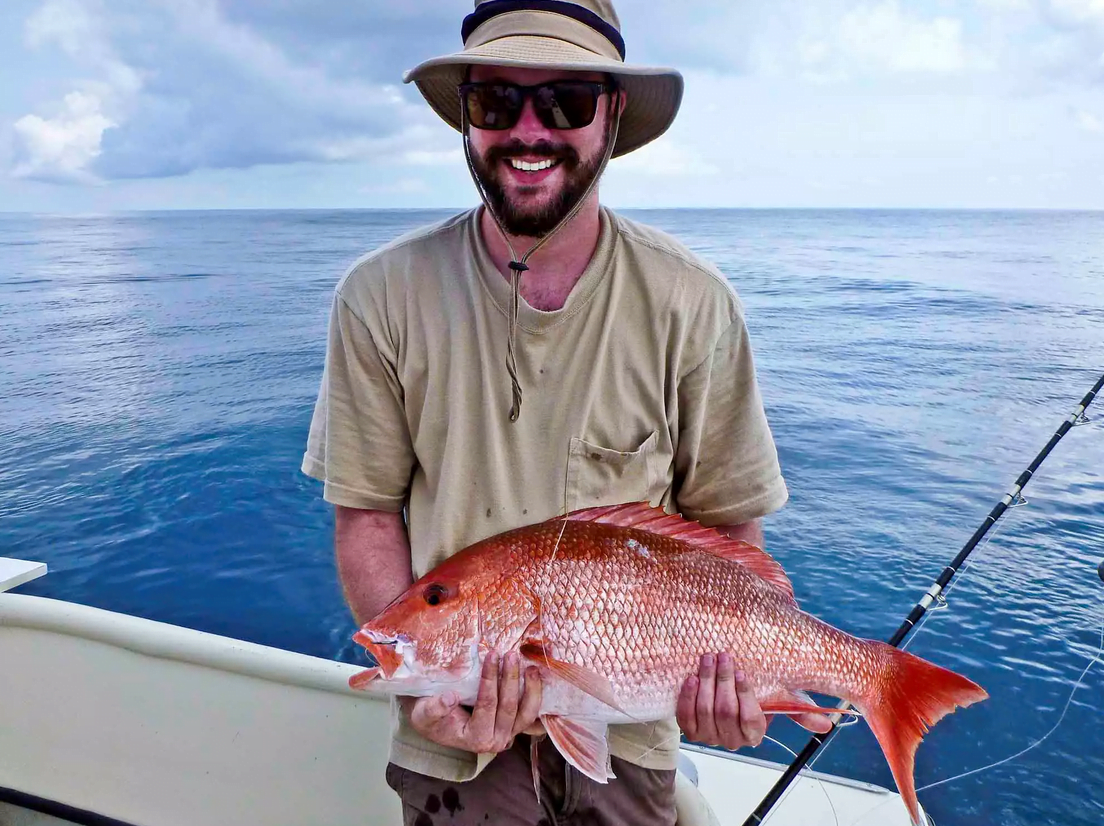
Perhaps the most famous and highly regulated snapper species is the Red Snapper. Known for its vibrant red hue, firm white flesh, and delectable taste, Red Snapper fishing is an event eagerly awaited by anglers across the nation. Due to past overfishing, Red Snapper populations are carefully managed, resulting in strictly controlled seasons.
Historically, the recreational Red Snapper season in Florida waters of the Gulf of Mexico has typically fallen within a specific window during the summer months, often spanning a few weeks in June, July, or August. These seasons are generally very short, sometimes lasting only a few days or weekends, and are announced by the Florida Fish and Wildlife Conservation Commission (FWC) well in advance. Anglers targeting Red Snapper in the Atlantic require federal permits and adhere to different, often even more restricted, regulations. For tourists, booking a charter during this brief period is almost essential, as experienced captains track the seasons religiously and possess the knowledge and gear to target these deep-dwelling fish effectively.
Year-Round Opportunities: Mangrove Snapper and Lane Snapper
While Red Snapper garners much of the spotlight, other snapper species offer more accessible and often year-round fishing opportunities, making them excellent targets for tourists visiting Florida outside of the brief Red Snapper window.
The Mangrove Snapper (also known as Grey Snapper) is a popular species found throughout Florida’s coastal waters, including inshore areas like mangroves, docks, and bridges, as well as offshore reefs. They are known for their strong fighting ability and delicious fillets. While they can be caught year-round, their populations tend to peak in warmer months, making summer an excellent time to target them. Regulations typically involve a minimum size limit and a generous bag limit, making them a reliable catch for many anglers.
Lane Snapper are smaller but abundant snapper species often found on reefs, wrecks, and rocky bottoms in both the Gulf of Mexico and Atlantic Ocean. They are also available year-round, subject to size and bag limits. Their accessibility and willingness to bite make them a fantastic option for family fishing trips or those new to offshore angling.
Other Notable Snapper Species and Their Seasons
Florida is home to several other snapper species, each contributing to the state’s rich fishing diversity:
- Yellowtail Snapper: Abundant in the Florida Keys and southern Florida, these vibrant fish are targeted using chumming techniques. They are a year-round species with specific size and bag limits.
- Vermilion Snapper: Often called “beeliners,” these smaller snapper are found in deeper waters and are commonly caught incidentally while targeting other species. They also have year-round seasons with bag and size limits.
- Mutton Snapper: A prized catch, particularly in south Florida and the Florida Keys, known for its large size and exceptional table fare. Mutton Snapper typically have year-round seasons with specific regulations.
It is crucial for any angler to consult the latest regulations published by the Florida Fish and Wildlife Conservation Commission (FWC) before any fishing trip, as seasons, size limits, and bag limits are subject to change annually.
Preparing for Your Snapper Fishing Adventure
A successful snapper fishing trip requires more than just knowing the season; it demands proper preparation, the right gear, and an understanding of local customs and services. For tourists, planning ahead can make all the difference between a frustrating outing and a memorable experience.
Licensing and Regulations: Your First Step
Before even thinking about bait, every angler aged 16 or older needs a valid Florida saltwater fishing license. Non-residents can purchase temporary licenses (3-day, 7-day, or annual) that are easily acquired online through the FWC website or at bait and tackle shops. If you’re fishing with a licensed charter boat, your license is typically covered under the vessel’s permit, but it’s always wise to confirm this with your captain.
Beyond the license, a thorough understanding of current regulations is non-negotiable. This includes:
- Minimum Size Limits: Fish must meet a certain length to be legally harvested.
- Bag Limits: The maximum number of fish of a particular species an individual can keep per day.
- Season Dates: Especially critical for species like Red Snapper.
- Prohibited Gear: Certain gear types or methods may be illegal for specific species or areas.
Familiarizing yourself with these rules is essential for conservation and avoiding fines.
Chartering a Boat vs. DIY Fishing
For tourists, especially those unfamiliar with Florida waters, booking a fishing charter is highly recommended. Charter captains are experts at locating fish, navigating local waters, and understanding the ever-changing regulations. They provide all the necessary gear, bait, and often even clean your catch.
- Pros of Charter Fishing: Local expertise, all gear provided, safer for offshore trips, regulations handled, increased chance of success.
- Cons of Charter Fishing: Can be more expensive, less flexibility on timing/location (unless private charter).

If you opt for a DIY approach, you’ll need your own boat (or a rental), fishing gear (medium to heavy conventional tackle for offshore snapper, lighter tackle for inshore Mangrove Snapper), and knowledge of safe boating practices. Popular fishing destinations like Destin, Key West, and Sarasota offer numerous charter options and tackle shops.
Essential Gear and Bait
While charter boats provide gear, if you’re going out on your own, consider the following:
- Rods and Reels: Sturdy conventional rods with matching reels spooled with 30-50 lb braid for offshore snapper, or medium spinning gear for inshore Mangrove Snapper.
- Line and Leader: Braided main line with a fluorocarbon leader (30-80 lb test, depending on target species).
- Hooks and Weights: Circle hooks are often preferred or required for certain species, reducing gut-hooking. Various lead weights (bank sinkers, egg sinkers) for bottom fishing.
- Bait: Live bait such as pilchards, pinfish, mullet, or squid are excellent. Cut bait like bonita or threadfin herring also works. Artificial jigs can be effective for some species.
- Safety Gear: Life vests, first-aid kit, communication device, sun protection.
From Ocean to Table: The Culinary Experience
The ultimate reward for a successful snapper fishing trip is the opportunity to enjoy your fresh catch. Florida offers numerous ways to transform your snapper into a memorable meal, from cooking it yourself to having a local restaurant prepare it for you.
Preparing Your Fresh Catch
Snapper, with its flaky, white meat and mild flavor, is incredibly versatile. Common preparation methods include grilling, baking, frying, or pan-searing. Many anglers fillet their catch, removing the skin and bones to create pristine portions. If you’re on a charter, the crew will often clean and fillet your fish for a small fee, packaging it for your convenience.
For the adventurous culinary tourist, experimenting with local Florida flavors can elevate the experience. Consider a simple seasoning of salt, pepper, garlic, and a squeeze of lime, or delve into recipes featuring tropical fruits like mango or citrus.
Enjoying Snapper at Florida’s Restaurants
If cooking isn’t on your vacation agenda, many Florida restaurants, especially in coastal towns like St. Petersburg, Tampa, Miami, and Fort Lauderdale, offer “cook your catch” services. This allows you to bring your legally caught and cleaned fish to the restaurant, where their chefs will prepare it to your specifications, often with various sides and sauces. It’s an excellent way to savor your hard-earned meal without the hassle of kitchen duties.
Beyond the “cook your catch” option, nearly every seafood restaurant in Florida will feature snapper prominently on its menu. Look for preparations that highlight the freshness of the fish, such as whole fried snapper, snapper Veracruz, or simple grilled fillets. Exploring the local seafood scene is an integral part of the Florida tourism experience, and tasting fresh snapper caught from its very waters is a highlight.
Responsible Angling and Conservation
Florida’s fisheries are a precious natural resource, and responsible angling practices are vital to ensure their sustainability for future generations. Tourists play a significant role in conservation by adhering to regulations and adopting ethical fishing behaviors.
Adhering to Size and Bag Limits
These limits are not arbitrary; they are scientifically determined to protect fish populations and allow them to reproduce and grow. Always measure your catch accurately and release any undersized fish immediately with minimal harm. Understanding species identification is also crucial to avoid mistakenly keeping a fish that is out of season or has different regulations.
Best Practices for Catch and Release
For fish that are out of season, undersized, or simply not intended for harvest, proper catch-and-release techniques are essential.
- Use Circle Hooks: These hooks are designed to hook fish in the corner of the mouth, reducing gut-hooking and improving survival rates.
- Minimize Handling: Keep the fish in the water as much as possible. If you must handle it, do so with wet hands and support its body horizontally.
- Use Dehooking Tools: These tools allow for quick and safe hook removal.
- Vent or Descend: For fish brought up from deep water (like Red Snapper), barotrauma (swim bladder expansion) can occur. Learning how to properly vent (puncture the swim bladder) or use a descending device can significantly increase survival rates of released fish. Many charter captains are proficient in these techniques.
By practicing responsible angling, you contribute to the health of Florida’s marine ecosystems and help ensure that snapper fishing remains a vibrant part of the state’s tourism and lifestyle for years to come.
Planning Your Florida Snapper Getaway
Timing your trip to coincide with specific snapper seasons is key, but so is choosing the right location. Florida offers diverse fishing grounds, each with its own charm and opportunities.
Top Snapper Fishing Destinations
- Florida Panhandle (Destin, Panama City Beach): Known as the “World’s Luckiest Fishing Village,” Destin is a prime location for offshore fishing, particularly for Red Snapper in the Gulf of Mexico. The deep waters close to shore make it incredibly productive.
- Southwest Florida (Sarasota, Fort Myers): Offers excellent opportunities for Mangrove Snapper inshore and a variety of offshore snapper species on artificial reefs and ledges in the Gulf.
- Florida Keys (Key West, Islamorada): World-renowned for fishing, the Florida Keys are exceptional for Yellowtail Snapper, Mutton Snapper, and Mangrove Snapper in the Atlantic. The clear, vibrant waters offer a unique angling experience.
- East Coast (Fort Lauderdale, Miami): Anglers here can target various snapper species along the extensive reef systems and wrecks in the Atlantic Ocean, often just a short boat ride from shore.
Timing Your Visit
If Red Snapper is your primary target, you must plan your trip to align precisely with the highly anticipated summer season, booking charters well in advance. For other snapper species like Mangrove Snapper, Lane Snapper, or Yellowtail Snapper, you have more flexibility, with good fishing available throughout the warmer months, roughly from spring through fall. Even in winter, certain snapper species can be caught, though often in deeper waters.
Ultimately, snapper fishing in Florida is an activity that combines the thrill of the chase with the joy of a fresh seafood meal, all set against the backdrop of the state’s stunning coastal beauty. By understanding the seasons, preparing diligently, and fishing responsibly, tourists can enjoy an unparalleled angling adventure that truly defines the Florida experience.
LifeOutOfTheBox is a participant in the Amazon Services LLC Associates Program, an affiliate advertising program designed to provide a means for sites to earn advertising fees by advertising and linking to Amazon.com. Amazon, the Amazon logo, AmazonSupply, and the AmazonSupply logo are trademarks of Amazon.com, Inc. or its affiliates. As an Amazon Associate we earn affiliate commissions from qualifying purchases.