
Planning a magical escape to Disneyland Florida is an exciting prospect, but the dream can quickly turn into a budget nightmare if not approached strategically. Known officially as Walt Disney World Resort in Orlando, Florida, this sprawling entertainment complex is a bucket-list destination for millions. However, like any world-class attraction, demand dictates pricing, and understanding these fluctuations is key to unlocking significant savings. The goal isn’t just to find the cheapest time, but the smartest cheapest time – balancing cost with an enjoyable experience, avoiding both astronomical prices and overwhelming crowds. This guide delves deep into the seasonality of Walt Disney World Resort pricing, offering insights into when to visit, what to expect, and how to maximize your magic without breaking the bank.
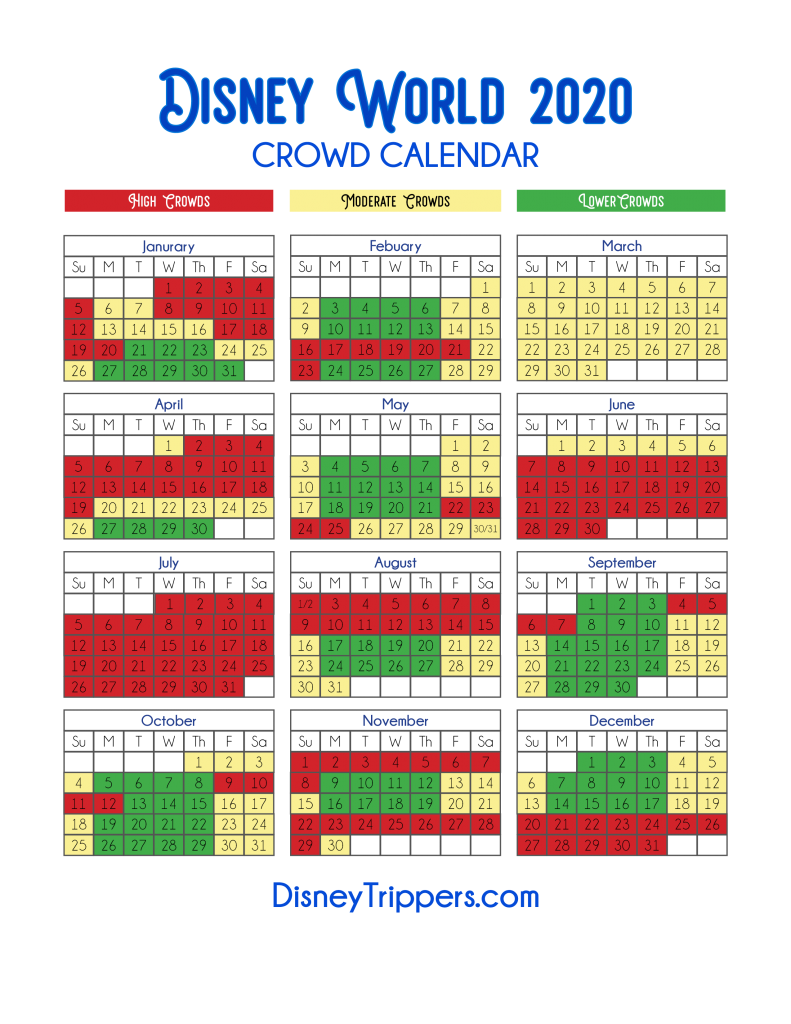
Understanding Disney World’s Pricing Dynamics
The cost of a Walt Disney World Resort vacation is a dynamic beast, influenced by a complex interplay of factors that extend far beyond simple daily rates. Disney employs a tiered pricing system for park tickets, resort stays, and even dining, which means that the exact same experience can cost vastly different amounts depending on the specific dates of your visit. This variability is driven primarily by demand, which itself is shaped by school holidays, major events, and even local weather patterns.
The Interplay of Demand, Crowds, and Cost
At the heart of Disney World’s pricing structure is the principle of supply and demand. When demand is high, prices soar, and so do crowd levels. Conversely, periods of lower demand translate to lower prices and, often, a more pleasant, less crowded park experience. This inverse relationship between cost and crowd density is a crucial consideration for budget-conscious travelers. High demand periods are typically tied to times when most people are free to travel: school breaks, national holidays, and major seasonal events. During these times, not only are park tickets more expensive, but resort rates escalate, dining reservations become harder to secure, and even flights and rental cars to Orlando see a price surge.
Seasonal Fluctuations and Their Impact
Florida’s climate, combined with the academic calendar, creates distinct seasonal patterns that directly impact Walt Disney World Resort pricing. These seasons can be broadly categorized as:
- Peak Season: Characterized by high prices and heavy crowds. This typically includes major holidays (Christmas, New Year’s Day, Easter, Thanksgiving), most of summer (June-August), and popular school breaks (Spring Break, Presidents’ Day, Martin Luther King Jr. Day weekends).
- Shoulder Season: Offers a balance of moderate prices and crowds. These periods often fall just outside peak times, such as late spring (April-May, excluding Spring Break and Easter) and early autumn (October-November, excluding major holidays and popular festival weekends).
- Off-Peak Season: The holy grail for budget travelers, featuring the lowest prices and lightest crowds. These times are typically when children are in school and major holidays are not in play, particularly in late January, most of February (excluding Presidents’ Day), late August, and September.
Understanding these overarching patterns is the first step toward identifying the cheapest time for your magical getaway.
The Sweet Spot: Off-Peak Seasons for Savings
For those prioritizing cost savings and a more manageable crowd experience, targeting Walt Disney World Resort’s off-peak seasons is paramount. These periods offer the best value, not only for park tickets and accommodations but often for flights and other travel expenses to Orlando.
Late January to Early February
Following the intense holiday rush of Christmas and New Year’s Day, the first few weeks of the year often present one of the most affordable windows to visit Walt Disney World Resort. As schools resume after winter break and most people return to their routines, park attendance drops significantly. Prices for resort stays, particularly for Value Resorts like Disney’s All-Star Resorts, are typically at their lowest. The weather in Florida during this time is also quite pleasant, with cooler temperatures and lower humidity, making for comfortable park touring. The only notable exception to this low-crowd, low-cost period is the weekend around Martin Luther King Jr. Day and Presidents’ Day week, which often see a temporary spike in visitors and prices.
Late August Through September
As summer vacation draws to a close and children head back to school across the United States, Walt Disney World Resort experiences another significant lull in attendance. From the last week of August through the entire month of September, prices plummet, and crowd levels are among the lowest of the year. This period offers substantial savings on everything from multi-day tickets to Disney resort packages. The caveat, however, is the weather. Late August and September are prime months for hurricane season in Florida, and temperatures can still be quite hot and humid. While hurricanes rarely make a direct hit on Orlando, the possibility of tropical storms and heavy rain is higher. For those willing to brave the heat and potential for afternoon showers, the savings and reduced wait times can be incredibly rewarding. Additionally, popular events like the EPCOT International Food & Wine Festival begin in late August, offering a bonus experience for visitors.
The Window Before Thanksgiving and Christmas
The period from the second week of November (after Veterans Day but before Thanksgiving week) and the first two weeks of December (after Thanksgiving but before the final Christmas holiday surge) offers another excellent opportunity for budget travel. During these weeks, Walt Disney World Resort is already decked out for the holidays, providing a festive atmosphere without the peak holiday crowds and prices. The weather is typically delightful, with cooler, drier air. While the special ticketed events like Mickey’s Very Merry Christmas Party will be underway, general park admission and resort stays are significantly cheaper than during the last two weeks of December. This is often considered by many Disney enthusiasts to be the ‘sweetest’ spot, offering the best balance of ambiance, manageable crowds, and affordability.

Navigating Peak Periods and Avoiding Budget Busters
While off-peak travel offers the best value, sometimes life circumstances or specific event interests necessitate a visit during busier, more expensive times. Understanding when these peak periods occur and why they are costly can help manage expectations and potentially mitigate some expenses.
School Holidays and Major US Events
Any time US schools are out of session, expect Walt Disney World Resort to be bustling and costly. This includes the aforementioned Martin Luther King Jr. Day and Presidents’ Day weekends, but also periods like Spring Break (which can vary from early March to mid-April), Memorial Day weekend, and Labor Day weekend. These long weekends are prime targets for families and young adults looking for a quick getaway, driving up demand across all categories of expenses. Prices for park tickets can be at their highest tiers, and resort availability dwindles, pushing up accommodation costs.
Holiday Seasons: A Premium Experience
The absolute most expensive times to visit Walt Disney World Resort are typically around major holidays:
- Christmas & New Year’s Day: From roughly December 20th through New Year’s Day, the parks reach their maximum capacity. Prices are at their peak, and even booking far in advance might not yield significant savings. The ambiance is undeniably magical, but it comes with extreme crowds and premium pricing.
- Thanksgiving Week: The week leading up to and including Thanksgiving is another period of intense demand and high prices, as families gather and take advantage of the long holiday weekend.
- Easter Week: Similar to Spring Break, the week surrounding Easter is extremely popular, with prices and crowd levels matching the peak summer season.
If your heart is set on experiencing Disney during these festive times, be prepared for significantly higher costs and the need for meticulous planning, including early booking of flights, resorts, and dining reservations.
Summer Break: High Temperatures, High Prices
The entire summer season, from early June to mid-August, is a consistently expensive and crowded time to visit Walt Disney World Resort. While it’s the most convenient time for families with school-aged children, the trade-offs are significant. Florida summers are characterized by intense heat, oppressive humidity, and frequent afternoon thunderstorms. These weather conditions, combined with peak crowd levels, can make for a less comfortable park experience. Prices for tickets, resorts, and travel are consistently high, making it a challenging period for budget travelers. The exception might be the week of Independence Day, which is particularly busy and expensive.
Beyond Seasonality: Strategic Savings Tips
Even when visiting during a less-than-cheapest time, or if you simply want to maximize your savings during off-peak windows, several strategies can help reduce your overall vacation cost.
Booking in Advance and Monitoring Deals
Disney typically releases pricing and packages well in advance (often 12-18 months out). Booking early, especially for resort stays and tickets, can sometimes lock in lower prices before potential increases. Furthermore, Disney often announces special offers, such as discounted resort rooms, free dining plans, or ticket promotions. Subscribing to Disney World newsletters and following reputable Disney travel blogs can keep you informed about these deals, allowing you to modify existing bookings or make new ones when promotions align with your travel dates. Flexibility with your travel dates, even by a few days, can often make you eligible for these savings.
Considering Ticket Types and Park Hoppers
Disney World offers various ticket options, from single-day, single-park entry to multi-day tickets with “Park Hopper” add-ons. While the “Park Hopper” option allows you to visit more than one park per day (Magic Kingdom, Epcot, Hollywood Studios, Animal Kingdom), it comes at an additional cost. For budget-conscious travelers, sticking to one park per day can significantly reduce ticket expenses. Also, remember that the per-day cost of tickets decreases as you add more days to your visit. A five-day ticket will have a lower per-day cost than a two-day ticket. Evaluate your priorities and how many days you genuinely need to explore the parks without feeling rushed.
Off-Site Accommodation and Transportation
Staying at a Walt Disney World Resort hotel offers convenience and perks, but it often comes with a premium price tag. Exploring accommodations outside the Disney bubble in Orlando can lead to substantial savings. There’s a vast array of hotels, vacation rentals, and apartment-style suites in the surrounding areas that offer excellent value. However, this strategy requires accounting for transportation. While some off-site hotels offer shuttle services, renting a car might be necessary for ultimate flexibility. Factor in parking fees at the parks (which can be substantial) if you opt for a rental car. Alternatively, ride-sharing services can be a cost-effective option for daily travel to and from the parks.

Conclusion: Maximizing Your Magic on a Budget
Visiting Disneyland Florida, or rather Walt Disney World Resort, doesn’t have to decimate your finances. By understanding the ebb and flow of demand, strategically planning your visit during off-peak seasons, and implementing smart budgeting tactics, you can enjoy the magic without the financial strain. The cheapest times to visit are generally late January to early February, late August through September, and the windows in November and early December that avoid major holidays. These periods not only offer significant cost savings but also often come with the added benefit of lighter crowds, enhancing your overall experience. With thoughtful planning and a keen eye on the calendar, your dream Disney World vacation can be both magical and remarkably affordable.
LifeOutOfTheBox is a participant in the Amazon Services LLC Associates Program, an affiliate advertising program designed to provide a means for sites to earn advertising fees by advertising and linking to Amazon.com. Amazon, the Amazon logo, AmazonSupply, and the AmazonSupply logo are trademarks of Amazon.com, Inc. or its affiliates. As an Amazon Associate we earn affiliate commissions from qualifying purchases.