
Florida, often synonymous with perpetual sunshine and balmy breezes, is a premier travel destination, especially during the colder months when visitors from northern climates seek refuge. However, even the “Sunshine State” experiences its share of cold fronts, particularly between late fall and early spring. For travelers planning a visit in 2024, understanding the timing and impact of these weather phenomena is crucial for a comfortable and enjoyable trip. A cold front can transform a beach day into a perfect opportunity for exploring museums or enjoying a crisp outdoor activity, making informed planning essential for any Florida itinerary.

Understanding Florida’s Climate and Cold Fronts
The unique geographical position of Florida, bordered by the Atlantic Ocean to the east and the Gulf of Mexico to the west, heavily influences its subtropical to tropical climate. While this generally translates to warm temperatures year-round, cold fronts are a predictable feature of its cooler seasons, significantly altering the travel experience.
What is a Cold Front?
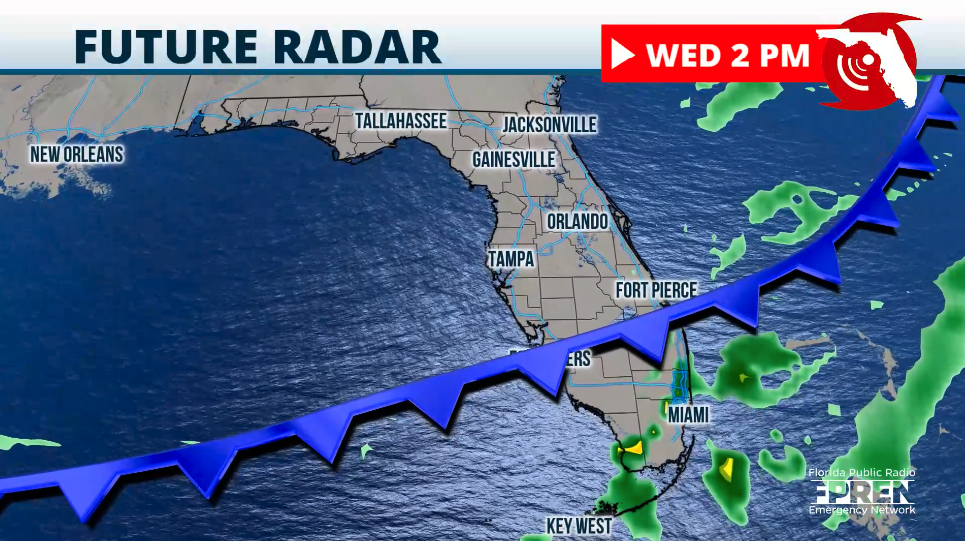
A cold front is the leading edge of a cooler mass of air, typically moving from west to east or northwest to southeast, displacing warmer air. When a cold front passes through Florida, travelers can expect several changes: a sudden drop in temperature, often accompanied by strong winds, a shift in wind direction (typically from southwesterly to northwesterly), and sometimes rain or thunderstorms. Following the front’s passage, the skies usually clear, leading to crisp, dry, and noticeably cooler air. For travelers, this means a shift from humid warmth to invigorating chill, necessitating adjustments in packing and activity planning. The duration of these cooler temperatures can range from a few days to over a week, depending on the strength and persistence of the high-pressure system trailing the front.
Seasonal Patterns of Cold Fronts in Florida
Cold fronts in Florida are most prevalent during the state’s dry season, which typically runs from October through May. The peak period for significant cold fronts is from December through February, when polar air masses are most likely to plunge south across the United States. While less frequent, cold fronts can occasionally sweep through in late October or November, and even as late as March or April, sometimes bringing surprisingly cool temperatures. Travelers should be particularly attentive to forecasts during these months. By May, the frequency significantly diminishes as the state transitions into its wet, warmer season.
Why Cold Fronts Matter for Travelers
For travelers, the arrival of a cold front is more than just a change in temperature; it’s a shift in the entire travel dynamic. A sudden drop from 80°F to 50°F can make planned beach days or theme park visits uncomfortable without proper attire. Conversely, it can open up opportunities for different kinds of experiences. The cooler, drier air offers a welcome respite from the oppressive humidity of summer, making outdoor activities like hiking, cycling, or exploring historic districts much more pleasant. Cold fronts also often bring clearer skies, offering spectacular conditions for photography and stargazing. Understanding these impacts allows travelers to either embrace the cooler weather or adjust their plans accordingly, ensuring their Florida trip remains enjoyable regardless of the mercury’s dip.
Forecasting 2024: Anticipating Florida’s Winter Chill
Predicting specific cold fronts far in advance is nearly impossible, but meteorologists can provide seasonal outlooks based on large-scale atmospheric patterns. For travelers planning their 2024 Florida getaways, these broader forecasts offer valuable insights into what the winter months might hold.
General Meteorological Outlook for Winter 2024
The long-range forecast for Florida’s winter 2024 (roughly December 2023 through February 2024) and spring 2024 (March through May) often hinges on phenomena like the El Niño-La Niña Southern Oscillation (ENSO). During an El Niño phase, Florida typically experiences cooler and wetter conditions, which can lead to more frequent or stronger cold fronts. Conversely, a La Niña phase often brings warmer and drier winters. Travelers should consult reputable sources like the National Weather Service or the National Oceanic and Atmospheric Administration (NOAA) for their seasonal outlooks as 2024 approaches. While these are broad predictions, they can inform whether to expect a milder or more active cold front season.
Regional Variations: North vs. Central vs. South Florida
The impact of a cold front varies significantly across Florida’s vast geography.
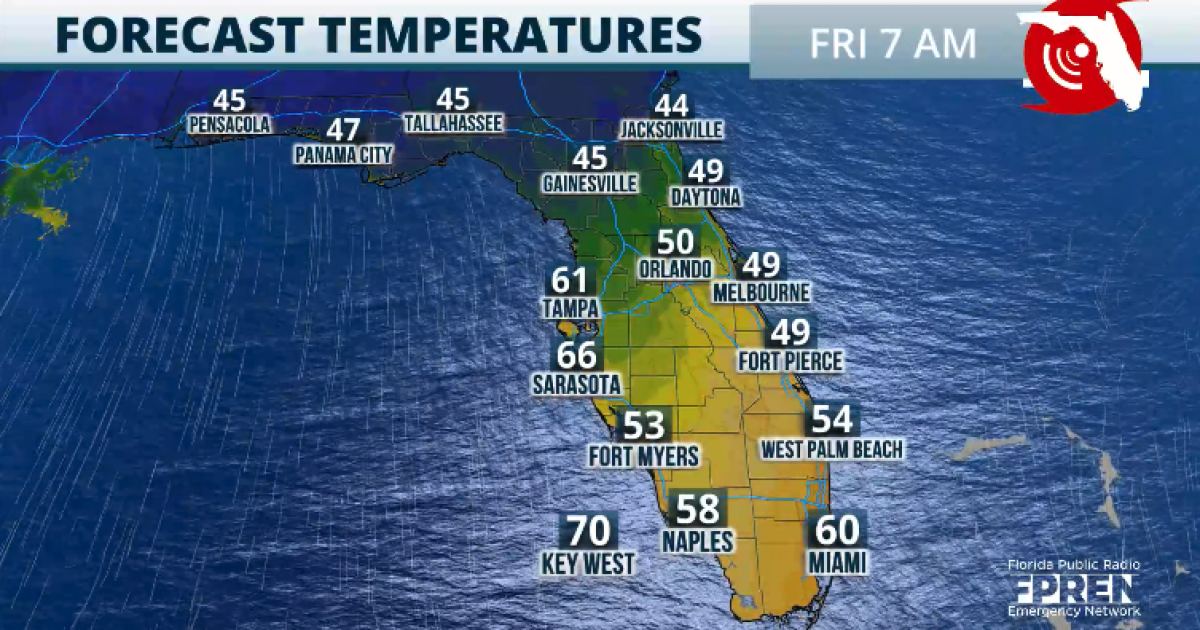
- North Florida (e.g., Jacksonville, St. Augustine, Panhandle): Being closer to the continental United States, North Florida experiences the most dramatic temperature drops and is prone to occasional freezing temperatures. Travelers here should be prepared for genuinely cold weather, especially overnight.
- Central Florida (e.g., Orlando, Tampa): This region sees noticeable cooling but rarely experiences prolonged freezes. Temperatures during a cold front might dip into the 40s or 50s Fahrenheit during the day, making theme park visits to Walt Disney World Resort, Universal Orlando Resort, or Busch Gardens Tampa Bay much more comfortable with a jacket.
- South Florida (e.g., Miami, Key West): The southernmost parts of the state are least affected by cold fronts, often experiencing only a mild cool-down (e.g., from 80°F to 60°F or 70°F). While still a pleasant change for locals, it might not feel “cold” to visitors from truly frigid climates. However, even South Florida can have rare instances of temperatures dipping into the 40s during particularly strong fronts. Knowing your specific destination within Florida is key to setting appropriate expectations.
Best Resources for Real-time Weather Updates
For the most accurate and up-to-date information on upcoming cold fronts, travelers should rely on official meteorological sources.
- National Weather Service (NWS): The primary source for weather forecasts, advisories, and warnings across the United States. Their website (weather.gov) provides detailed hourly and daily forecasts for specific Florida cities.
- NOAA Weather Apps: Many reliable weather apps (e.g., The Weather Channel, AccuWeather, local news station apps) pull data directly from NOAA and provide convenient mobile access to real-time updates, radar, and extended forecasts.
- Local News Channels: Florida local news channels, particularly during winter months, provide extensive coverage and specific impacts for their viewing areas, which can be invaluable for travelers. Checking these resources a week before and continuously during your trip will help you stay ahead of any weather shifts.
Preparing for a Florida Cold Front: Travel Tips
Being prepared for a cold front ensures that your Florida vacation remains seamless and enjoyable, regardless of the weather. A little foresight goes a long way in turning a potential inconvenience into a unique travel experience.
Packing Essentials for Cooler Florida Weather
The key to packing for Florida’s cold fronts is layering. Even if the forecast predicts warmth, it’s wise to include items that can adapt to cooler temperatures.
- Layers: Pack light long-sleeved shirts, sweaters, and a medium-weight jacket or a waterproof/windproof shell. Fleece jackets are excellent for warmth without bulk.
- Pants: While shorts are a staple, bring at least one pair of jeans or long pants.
- Accessories: A light scarf and gloves can make a significant difference, especially during early mornings or evenings. A warm hat is also advisable if you’re sensitive to cold.
- Footwear: Comfortable, closed-toe shoes are a must. Waterproof shoes are a bonus if rain is anticipated with the front.
Remember, even on cooler days, the sun can still be strong, so sunscreen remains a year-round essential.
Adapting Your Itinerary: Cold-Weather Activities
A cold front doesn’t mean your Florida fun has to stop; it just means adapting your activities.
- Indoor Attractions: Florida boasts a wealth of world-class museums, aquariums, and cultural centers. In Orlando, consider visiting the Orlando Science Center or the Kennedy Space Center Visitor Complex. In St. Petersburg, explore The Dalí Museum. In Miami, the Pérez Art Museum Miami or the Phillip and Patricia Frost Museum of Science offer engaging alternatives.
- Unique Cold-Weather Experiences: Cold fronts often bring manatees to warmer spring waters. Visiting places like Blue Spring State Park, Crystal River, or Homosassa Springs Wildlife State Park provides an excellent opportunity to see these gentle giants congregate.
- Culinary Exploration: Embrace the opportunity to dine indoors at Florida’s diverse restaurants, from upscale eateries in Miami to fresh seafood joints along the Gulf Coast. Many breweries and wineries also offer indoor tours and tastings.
Driving and Transportation Considerations
While Florida rarely experiences snow or ice outside of extremely rare and localized events in North Florida, cold fronts can still impact travel. Strong winds accompanying the front can make driving less comfortable, especially on bridges or causeways. Rain or thunderstorms associated with the front’s passage can lead to reduced visibility and slick roads. Always drive cautiously and check local traffic reports. Public transportation, ride-sharing services, or simply staying local to your accommodation during the peak of a frontal passage can be wise alternatives.
Experiencing the Unique Charm of a Cool Florida
A cold front can transform the typical tropical paradise into something refreshingly different. Embrace the cooler temperatures as an opportunity to experience Florida’s lesser-known, yet equally captivating, facets.
Enjoying Outdoor Activities in Crisp Weather
The drier, cooler air post-cold front is often ideal for activities that might be too strenuous in summer heat and humidity.
- Hiking and Biking: Florida’s state parks and trails, such as those in Everglades National Park or along the Florida Trail, become much more inviting. The lack of humidity means fewer bugs and more comfortable conditions for extended exploration.
- Golf and Tennis: These sports are particularly enjoyable when temperatures are in the 60s and 70s, offering a pleasant alternative to the scorching heat of other seasons.
- Outdoor Festivals and Events: Many of Florida’s art festivals, music events, and food fairs are scheduled during the cooler months, taking advantage of the comfortable weather. Check local event calendars for your destination.
Exploring Florida’s Cultural Side
Cooler weather is the perfect excuse to delve into Florida’s rich history and vibrant arts scene.
- Historic Districts: Wander through the cobblestone streets of St. Augustine, America’s oldest continuously inhabited European-established settlement, or explore the Art Deco Historic District in Miami Beach.
- Performing Arts: Florida has a thriving performing arts community, with theaters and venues across major cities offering Broadway shows, concerts, and local productions. Enjoy an evening at the Dr. Phillips Center for the Performing Arts in Orlando or the Straz Center for the Performing Arts in Tampa.
- Art Galleries: Beyond major museums, countless smaller galleries showcase local and regional artists, offering a unique glimpse into Florida’s creative spirit.
Wildlife Watching Opportunities
As mentioned, cold fronts are particularly beneficial for wildlife enthusiasts. Manatees, seeking warmer waters, flock to natural springs and power plant discharges along the Indian River Lagoon and Gulf Coast. Birdwatching also becomes prime as migratory species arrive in the state’s wetlands and coastal areas, offering spectacular viewing opportunities for seasoned birders and casual observers alike.
Maximizing Your Florida Travel Experience, Rain or Shine (or Chill)
Ultimately, a successful Florida trip in 2024, regardless of cold fronts, boils down to proactive planning and a flexible mindset. The state’s appeal lies in its diversity, which extends even to its climate.
Flexibility is Key
Booking accommodations and activities with flexible cancellation or rescheduling policies is always a good idea, especially when traveling during periods prone to weather shifts. Having a “Plan B” for outdoor activities in case of unexpected chill or rain can save a day from being a washout. Consider grouping outdoor activities that require good weather (like beach days) and indoor activities that are weather-agnostic (like museum visits), allowing you to swap them around as the forecast dictates.
Embracing the Unexpected
Sometimes the most memorable travel experiences come from embracing the unexpected. A chilly day that steers you away from the beach might lead you to discover a charming small town, a captivating art exhibition, or a cozy cafe you wouldn’t have otherwise found. The crisp air and clear skies following a cold front can offer a stark, beautiful contrast to Florida’s usual warmth, providing unique photographic opportunities and a fresh perspective on the landscape.
Planning Beyond the Forecast
While weather is a significant factor, it’s just one piece of the puzzle. Plan your trip based on your overall interests—whether it’s theme parks, nature, culture, or relaxation. Then, use the weather forecast as a tool to fine-tune your daily agenda rather than letting it dictate your entire vacation. By staying informed about potential cold fronts in 2024 and packing smartly, you’ll be well-equipped to enjoy all that Florida has to offer, come sunshine or refreshing chill.
LifeOutOfTheBox is a participant in the Amazon Services LLC Associates Program, an affiliate advertising program designed to provide a means for sites to earn advertising fees by advertising and linking to Amazon.com. Amazon, the Amazon logo, AmazonSupply, and the AmazonSupply logo are trademarks of Amazon.com, Inc. or its affiliates. As an Amazon Associate we earn affiliate commissions from qualifying purchases.