
Florida, often dubbed the Sunshine State, is a magnet for travelers worldwide, drawn by its pristine beaches, vibrant cities, and world-class attractions. From the magical theme parks of Orlando to the Art Deco charm of Miami and the bohemian spirit of Key West, Florida offers an unparalleled array of experiences. However, a significant aspect of traveling to Florida, particularly during certain months, involves understanding and preparing for its storm season. The question, “When is the storm hitting Florida?” is not merely a query about weather; it’s a critical consideration for travel planning, safety, and ensuring a seamless trip.
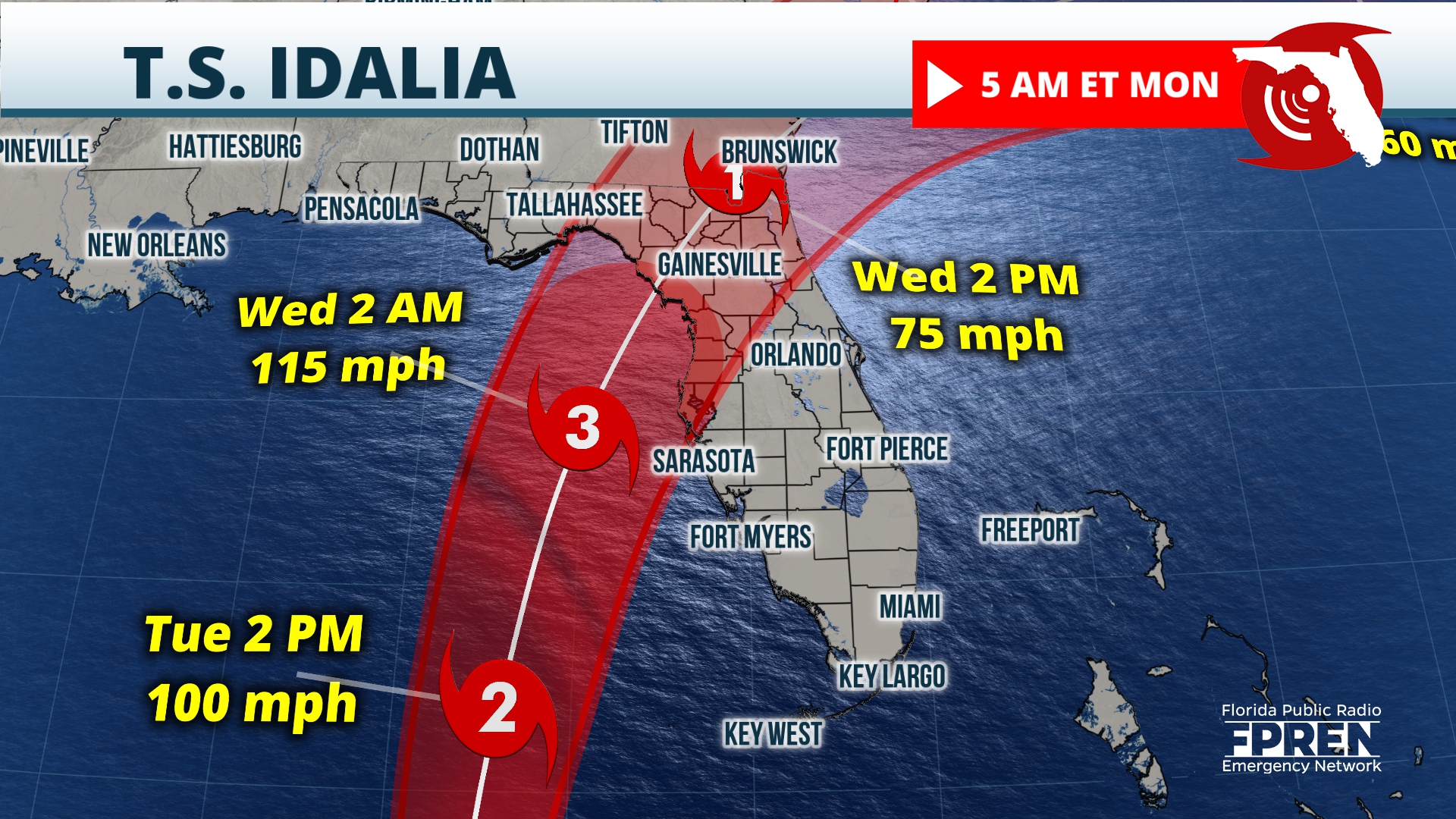
Navigating travel to a region susceptible to tropical storms and hurricanes requires more than just packing sunscreen. It demands proactive awareness, meticulous preparation, and the agility to adapt. This comprehensive guide aims to equip travelers with the knowledge and tools necessary to understand Florida’s storm dynamics, stay informed, and make confident travel decisions, ensuring that even during the storm season, your journey to the Sunshine State remains as enjoyable and secure as possible.
Understanding Florida’s Storm Season: A Crucial Overview
Florida’s geographical location, largely surrounded by the Atlantic Ocean and the Gulf Coast, makes it uniquely vulnerable to tropical weather systems. Understanding the parameters of storm season is the first step in responsible travel planning.
Peak Hurricane Activity and Historical Context
The official Atlantic Hurricane Season runs from June 1st to November 30th each year. While storms can occur outside this window, this six-month period accounts for the vast majority of tropical cyclone activity. Within this season, there’s a distinct peak: typically from mid-August through October. This is when sea surface temperatures are warmest, providing the necessary fuel for hurricane development and intensification. Historically, Florida has experienced its most impactful hurricanes during this peak period. Major storms like Hurricane Andrew (1992), Charley (2004), Irma (2017), and Ian (2022) serve as stark reminders of the state’s susceptibility and the critical need for vigilance during these months. Travelers planning visits during this window should be acutely aware of the increased potential for weather disruptions.
Types of Storms Affecting Florida Travel
While the term “storm” often conjures images of hurricanes, it’s important to differentiate between various weather phenomena that can impact travel:
- Tropical Depressions: Organized systems of clouds and thunderstorms with a defined surface circulation and maximum sustained winds of 38 mph (61 km/h) or less. They can bring heavy rain and localized flooding, potentially disrupting travel plans.
- Tropical Storms: Organized systems of strong thunderstorms with a defined surface circulation and maximum sustained winds between 39 mph (63 km/h) and 73 mph (118 km/h). They are capable of significant rainfall, strong winds, and coastal flooding, leading to flight delays, ferry cancellations, and hazardous driving conditions.
- Hurricanes: Intense tropical weather systems with maximum sustained winds of 74 mph (119 km/h) or higher. Categorized 1 to 5 on the Saffir-Simpson Hurricane Wind Scale, hurricanes pose severe threats including catastrophic winds, storm surge, torrential rain, and tornadoes. They can lead to widespread power outages, structural damage, and complete cessation of travel operations, necessitating evacuations.
- Severe Thunderstorms: Common throughout Florida, especially in the summer. While not tropical systems, they can produce heavy downpours, lightning, and strong winds, causing temporary disruptions to outdoor activities and minor travel delays.
Understanding these distinctions helps travelers gauge the potential impact on their plans and react appropriately.
Staying Informed: Your Best Defense Against Disruption
Accurate and timely information is paramount when traveling during Florida’s storm season. Proactive monitoring can mean the difference between a minor inconvenience and a significant travel ordeal.
Official Weather Sources and Alert Systems
Reliable weather information is your most valuable asset. Travelers should prioritize official sources:
- National Hurricane Center (NHC): The primary source for all tropical weather forecasts, advisories, and discussions for the Atlantic basin. Their website (nhc.noaa.gov) provides real-time updates, cone of uncertainty graphics, and detailed storm information.
- National Weather Service (NWS): Local NWS offices provide more granular forecasts, watches, and warnings specific to Florida counties, including flash flood warnings and severe thunderstorm alerts.
- Emergency Management Agencies: Florida’s Division of Emergency Management and county-level emergency operations centers issue local advisories, evacuation orders, and shelter information. Travelers should identify the relevant county agency for their destination.
- NOAA Weather Radio: A nationwide network broadcasting continuous weather information directly from the National Weather Service.
Subscribing to alert systems, such as government-issued emergency alerts (Wireless Emergency Alerts – WEA) on your mobile phone, or signing up for local county alerts, can provide critical warnings directly to your device.
Airline and Accommodation Updates
Beyond general weather, specific travel operators are key sources of information:
- Airlines: Regularly check your airline’s website or app for flight status updates. Airlines often issue travel waivers ahead of significant storms, allowing passengers to rebook without penalty. Major airports like Orlando International Airport (MCO) and Miami International Airport (MIA) also provide real-time operational status on their websites.
- Hotels and Resorts: Contact your accommodation directly. Many hotels in Florida have comprehensive storm preparedness plans and can inform guests about their policies, potential closures, or safety measures. This is particularly crucial for resorts in vulnerable areas like the Florida Keys or coastal Tampa Bay.
- Cruise Lines: For those embarking on cruises from ports like PortMiami or Port Canaveral, cruise lines will communicate any itinerary changes or port closures well in advance.
Local News and Community Resources
Local news outlets in cities like Jacksonville, Fort Lauderdale, and Orlando provide hyper-local coverage and insights that national news might miss. Social media channels of local government, news stations, and community groups can also offer real-time updates and ground-level perspectives, but always cross-reference information with official sources.

Pre-Travel Preparations: Mitigating Risks and Ensuring Safety
Once informed, the next step is to proactively prepare. Thoughtful planning can significantly reduce stress and enhance safety should a storm threaten your travel.
Travel Insurance: A Non-Negotiable Consideration
Travel insurance, especially policies that include “cancel for any reason” or robust hurricane clauses, is highly recommended for any trip to Florida during storm season. Review policies carefully to understand what is covered, including trip cancellation, interruption, medical emergencies, and evacuation costs. Some policies might require purchase well in advance of a named storm to be valid for hurricane-related claims. This financial safeguard can protect your investment against unexpected weather events.
Flexible Booking Policies and Flight Monitoring
When booking flights and accommodations, prioritize options with flexible cancellation or change policies. Many airlines and hotels offer refundable rates or waivers during specific periods.
Actively monitor your flight status several days before departure and be prepared for potential delays or cancellations. If a storm is developing, consider arriving earlier or delaying your trip if possible, especially if traveling to a coastal destination. Driving long distances, especially along evacuation routes, before or during a storm can be extremely hazardous due to heavy traffic and potential flooding.
Emergency Kits and Communication Plans
Even if you don’t anticipate direct storm impact, being prepared for unexpected situations is wise.
- Emergency Kit: Pack a small, accessible kit with essential medications, copies of important documents (ID, insurance, bookings), a portable power bank for your phone, a flashlight, and a small supply of non-perishable snacks and water.
- Communication Plan: Discuss a communication plan with your travel companions. Share your itinerary with friends or family outside Florida. In case of power outages or cellular disruptions, alternative communication methods or pre-designated check-in times can be vital. Familiarize yourself with local emergency numbers (911 in the U.S.).
Navigating Travel During a Florida Storm
If you find yourself in Florida as a storm approaches or hits, knowing how to navigate the immediate challenges is critical.
Ground Transportation and Road Closures
As a storm nears, driving conditions can quickly deteriorate. Heavy rains can cause flash flooding, particularly in low-lying areas or underpasses. Strong winds make driving high-profile vehicles dangerous.
- Florida Department of Transportation (FDOT): Check the FDOT website (FL511.com) for real-time traffic updates, road closures, and evacuation routes.
- Public Transportation: Services like buses and trains may be suspended. Ride-sharing services might become unavailable or surge-priced.
If an evacuation order is issued for your area, comply immediately. Do not wait until the last minute, as roads can become gridlocked.
Airport Operations and Potential Delays/Cancellations
Airports like Miami International Airport, Orlando International Airport, and Tampa International Airport are primary gateways into Florida. During a storm, flight operations can be severely impacted.
- Closures: Airports may close entirely for several days before, during, and after a major storm for safety and damage assessment.
- Delays & Cancellations: Expect widespread delays and cancellations. Airlines will prioritize passenger safety and operational continuity.
- Rebooking: Be prepared to be flexible with rebooking. Airline customer service lines can be overwhelmed; using airline apps or websites is often more efficient.
If your flight is canceled, do not head to the airport unless specifically instructed. Find safe shelter and await further instructions from your airline.
Safety While on the Ground
If you are staying put during a storm, adhere to all local guidance:
- Shelter in Place: Follow instructions from local authorities or your accommodation regarding sheltering in place. Stay indoors, away from windows, and be aware of potential power outages.
- Utilities: Be prepared for potential power, water, and internet outages. Have battery-operated lights and a supply of bottled water.
- Attractions: Theme parks like Walt Disney World and Universal Orlando Resort, as well as other attractions like Everglades National Park, typically have well-practiced storm protocols and will close ahead of severe weather for guest and staff safety. Monitor their official channels for closure and reopening information.
Post-Storm Travel: What to Expect and How to Help
The impact of a storm doesn’t end when the rain stops. Post-storm conditions can still affect travel and require careful consideration.
Rebuilding and Recovery Efforts
Immediately after a significant storm, affected areas focus on search and rescue, damage assessment, and restoring essential services. Travel to severely impacted zones might be restricted or discouraged to allow emergency personnel to work and avoid putting travelers in harm’s way. Infrastructure, including roads, bridges, and utilities, can be compromised. Reopening times for attractions, hotels, and businesses can vary widely depending on the extent of damage. Be patient and respectful of the recovery process.

Supporting Local Tourism Responsibly
For areas less affected or those beginning to recover, responsible tourism can play a vital role in economic revitalization. Before traveling to a recently impacted region, verify that businesses are open and ready to welcome visitors. When you do visit, consider supporting local businesses, restaurants, and tour operators who may be rebuilding. Your patronage can make a significant difference in their recovery efforts. Remember that rebuilding takes time, and some amenities or services might not be fully operational for weeks or months after a major event.
Traveling to Florida during storm season demands a thoughtful approach. By understanding the risks, staying informed through official channels, preparing meticulously, and acting responsibly, travelers can mitigate potential disruptions and ensure their journey remains safe and enjoyable. The Sunshine State’s allure persists year-round, and with the right preparation, you can experience its magic, even when the clouds gather.
LifeOutOfTheBox is a participant in the Amazon Services LLC Associates Program, an affiliate advertising program designed to provide a means for sites to earn advertising fees by advertising and linking to Amazon.com. Amazon, the Amazon logo, AmazonSupply, and the AmazonSupply logo are trademarks of Amazon.com, Inc. or its affiliates. As an Amazon Associate we earn affiliate commissions from qualifying purchases.