
Florida, often dubbed the Sunshine State, is a perennial magnet for travelers drawn to its pristine beaches, vibrant cities, and world-class attractions. From the theme parks of Orlando to the historic charm of St. Augustine and the tropical allure of the Florida Keys, the state offers an unparalleled diversity of experiences. However, like any destination in a coastal region, Florida is subject to seasonal weather patterns that include tropical storms and hurricanes. For travelers, understanding these patterns is not just about avoiding bad weather; it’s about ensuring safety, protecting investments, and maintaining peace of mind. This comprehensive guide aims to equip potential visitors with the knowledge needed to navigate the complexities of Florida’s storm season, allowing for informed travel decisions that enhance the overall experience, regardless of when you plan your visit.

Understanding Florida’s Hurricane Season
Successfully planning a trip to Florida involves more than just picking a destination and booking a flight; it necessitates a keen awareness of the state’s annual weather cycles, particularly the Atlantic hurricane season. This period is a critical consideration for any traveler, directly impacting everything from travel insurance decisions to the packing list.
The Annual Cycle: June to November
The official Atlantic hurricane season spans from June 1st to November 30th each year. During these six months, atmospheric conditions in the Atlantic Ocean, Caribbean Sea, and Gulf of Mexico become conducive to the formation of tropical depressions, which can escalate into tropical storms and, in some cases, powerful hurricanes. While storms can occur at any point within this window, statistical analyses and historical data reveal specific trends that travelers should note. Early season storms (June and July) often form closer to the U.S. coast or in the Gulf of Mexico, potentially affecting popular destinations like Tampa or the Emerald Coast. As the season progresses, particularly into August, September, and October, the main development region shifts eastward across the Atlantic, increasing the likelihood of more intense and widespread systems.
Peak Season and Historical Trends
The absolute peak of the Atlantic hurricane season typically falls between mid-August and late October, with September being historically the most active month. During this period, sea surface temperatures are at their warmest, and wind shear — a disruptive force for developing storms — is often at its lowest, creating an ideal environment for storm formation and intensification. While it’s impossible to predict exact storm paths or intensities months in advance, historical data provides a valuable framework for understanding risk. Major storms have impacted virtually every part of Florida, from the bustling metropolis of Miami on the southeast coast to the tranquil beaches of Naples on the southwest, and the family-friendly attractions of Jacksonville in the north. Travelers planning trips during the peak season should be extra diligent in their preparations and monitoring.
How Tropical Systems Form and Progress
Tropical storms and hurricanes are complex weather phenomena that begin as disorganized clusters of thunderstorms over warm ocean waters. As these systems absorb heat and moisture, they can develop a distinct low-pressure center and begin to rotate, eventually reaching tropical depression status. If sustained winds reach 39 mph (63 km/h), it’s classified as a tropical storm and given a name. Should winds increase to 74 mph (119 km/h) or higher, it becomes a hurricane, categorized from 1 to 5 on the Saffir-Simpson Hurricane Wind Scale based on its wind speed. The movement and intensity of these systems are influenced by various atmospheric factors, making their forecasts dynamic. Travelers should understand that even a tropical storm can bring significant rainfall, strong winds, storm surge, and dangerous rip currents, disrupting travel plans and posing safety risks far beyond the immediate eye of the storm.
Essential Preparations for Florida Travelers
Visiting Florida during hurricane season doesn’t have to mean canceling your trip, but it does mean enhancing your preparedness. Thoughtful planning can mitigate risks and ensure that potential weather disruptions don’t derail your vacation entirely.
Monitoring Weather Updates
The cornerstone of responsible travel during hurricane season is diligent weather monitoring. Before and during your trip, make it a habit to check reliable meteorological sources. The National Hurricane Center (NHC), a division of NOAA, is the authoritative source for tropical weather forecasts and advisories. Their website and mobile apps provide up-to-the-minute information on developing systems, including projected paths, intensity forecasts, and potential impacts. Local Florida news outlets and weather channels also offer valuable, localized insights. Establish a routine for checking these updates daily, or even more frequently if a system is developing, especially if your itinerary includes coastal areas like Fort Lauderdale or Key West. Being informed allows you to make timely decisions, whether it’s adjusting your itinerary or activating your emergency plan.
Flexible Bookings and Travel Insurance
Flexibility is your best friend when traveling during hurricane season. Whenever possible, opt for refundable flights, hotel reservations, and car rentals. Many airlines and hotels offer waivers during declared weather emergencies, but having flexible options built into your booking provides an additional layer of security. Equally important is investing in comprehensive travel insurance. Policies can vary widely, so it’s crucial to understand what is covered. Look for policies that include “cancel for any reason” clauses or specific hurricane coverage that addresses trip cancellation, interruption, and delays due to severe weather. Ensure that the policy covers medical emergencies, evacuation, and lost luggage. It’s often advisable to purchase travel insurance well in advance of your trip, as policies typically don’t cover events that are already named or actively threatening when the policy is bought.
Emergency Kits and Communication Plans
Even with the best planning, a storm might still affect your trip. Preparing a simple emergency kit and a communication plan can make a significant difference. Your travel emergency kit should include essential medications, a first-aid kit, a flashlight with extra batteries, a power bank for charging electronic devices, non-perishable snacks, and bottled water. Keep copies of important documents (passports, IDs, insurance policies) in a waterproof bag, along with some cash, as ATMs may be unavailable during power outages. Develop a communication plan with family and friends at home. Share your itinerary, provide emergency contact numbers, and establish a check-in routine. If traveling with others, designate a meeting point in case you get separated. Familiarize yourself with local emergency services and the non-emergency contact numbers for your accommodation. Many hotels and resorts, particularly in areas like Walt Disney World Resort or Universal Orlando Resort, have robust emergency protocols in place for guests.
Navigating a Potential Storm During Your Trip
Despite meticulous planning, a tropical storm could still develop or approach during your Florida vacation. Knowing how to react calmly and effectively can ensure your safety and minimize disruption.
Actions to Take if a Storm Approaches
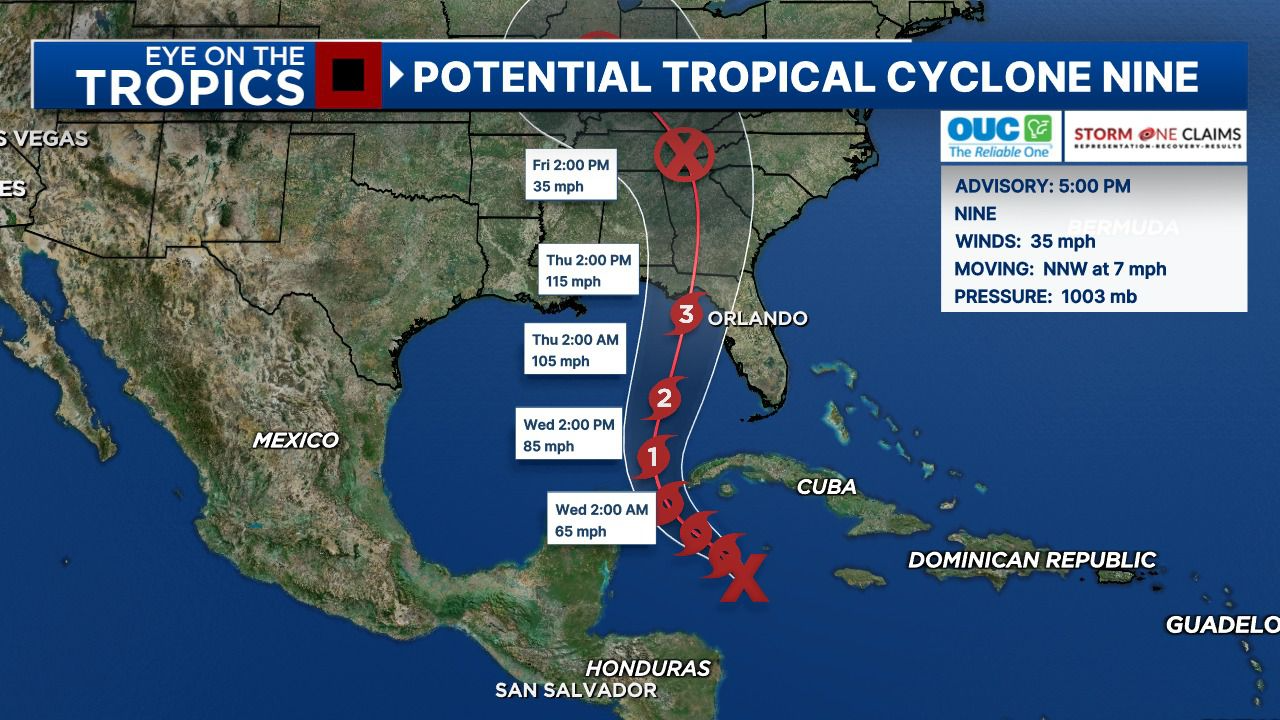
If a tropical storm or hurricane is projected to impact your destination while you’re in Florida, swift and informed action is paramount. Firstly, stay connected to official weather sources like the NHC and local emergency management agencies. Your accommodation provider (hotel, resort, vacation rental host) will also be a critical source of local information and instructions. They often have established emergency plans and will guide guests on what to do. Ensure your cell phone is fully charged, and consider carrying a portable power bank. Follow all instructions from local authorities, including any recommendations to shelter in place or evacuate. Secure loose items on balconies or outside your accommodation. Stock up on water, non-perishable food, and any necessary medications. Remember that the primary goal is safety – do not put yourself at unnecessary risk for sightseeing or leisure activities once a storm threat is imminent.
Understanding Evacuation Orders
One of the most critical directives you might encounter during a severe weather event is an evacuation order. These orders are issued by local authorities when conditions are deemed too dangerous to remain in a specific area, typically coastal zones or low-lying regions prone to storm surge. It is imperative to take all evacuation orders seriously and act promptly. Do not wait until the last minute, as roads can become congested, and gas stations may run out of fuel. Familiarize yourself with evacuation routes for your area, which are often clearly marked. If you are staying in a hotel or resort, they will have protocols for guest evacuation, often coordinating transportation or advising on safe routes to designated shelters. Keep your emergency kit readily accessible and be prepared to leave quickly. Areas such as Pensacola on the panhandle or the entire Gold Coast are particularly susceptible to storm surge and may be among the first to receive evacuation orders.
Post-Storm Travel Considerations
Once a storm has passed, the immediate aftermath can still present challenges for travelers. Roads may be flooded or blocked by debris, power outages can be widespread, and communication services might be interrupted. Do not attempt to travel until authorities have declared it safe to do so. Check with your airline for flight status updates, as airports like Miami International Airport or Orlando International Airport may experience significant delays or cancellations. Public transportation services could also be suspended. Be aware that attractions, restaurants, and shops may be temporarily closed for assessment or repairs. Exercise patience and flexibility. Respect recovery efforts and avoid hindering emergency personnel. If you are unable to depart, inquire with your accommodation about extending your stay or finding alternative lodging.
Choosing Your Travel Time Wisely
While Florida’s allure is year-round, strategic timing can significantly enhance your travel experience, particularly regarding tropical weather. Understanding the seasonal nuances allows for more informed decision-making.
Benefits of Off-Peak Travel (and Associated Risks)
Traveling to Florida during the shoulder seasons (late spring/early summer or late fall) or even during the hurricane season itself can offer several advantages. You might find lower prices on flights and accommodations, fewer crowds at popular attractions like Busch Gardens Tampa Bay or the beaches of Sarasota, and perhaps even slightly cooler temperatures. However, these benefits come with the inherent risk of tropical weather. While early June and late November generally have a lower statistical probability of major storm activity, they are still within the official season. Travelers seeking these benefits must be prepared to accept and mitigate the associated weather risks through comprehensive planning, as detailed above. It’s a trade-off: greater savings and fewer crowds versus the need for heightened vigilance and contingency plans.
Best Times to Visit Florida for Minimal Storm Risk
For travelers prioritizing minimal storm risk, the absolute best times to visit Florida are generally from December through May. During these months, the Atlantic hurricane season is inactive, and Florida experiences its driest and coolest weather. January through April, in particular, offers consistently pleasant temperatures, low humidity, and very little rainfall, making it ideal for outdoor activities, beach visits, and exploring attractions like Everglades National Park. The trade-off during this period is higher prices, especially during peak holiday weeks and spring break, and larger crowds. However, for those who prefer to avoid any potential weather-related stress, this window provides the greatest peace of mind regarding tropical storm activity.
Resources for Real-Time Storm Tracking
Staying informed is key to making timely travel decisions. Beyond the National Hurricane Center, several other resources offer real-time storm tracking and information. The Florida Division of Emergency Management website provides localized alerts and preparedness guides. Many reputable weather apps, such as AccuWeather or The Weather Channel, offer push notifications for developing storms specific to your location. Social media accounts of official agencies (e.g., FEMA, local emergency services) can also provide quick updates. Before you travel, bookmark these resources and download relevant apps. This proactive approach ensures you have access to the most current information, enabling you to modify plans, confirm bookings, or seek shelter well in advance of any potential impact, whether you’re visiting the Space Coast for a launch or enjoying the nightlife in South Beach.
Florida’s Resilience and Continued Appeal
Despite the annual dance with tropical systems, Florida remains an extraordinarily popular travel destination, a testament to its enduring appeal and remarkable resilience. The state’s ability to recover and continue welcoming visitors is a crucial part of its identity.
Rebuilding and Recovery Efforts
Florida has a long history of facing and recovering from tropical storms and hurricanes. Following an impact, the state and its communities spring into action with well-established recovery protocols. Infrastructure is repaired, power is restored, and affected areas work diligently to reopen to residents and tourists alike. Organizations like the Federal Emergency Management Agency (FEMA) and various state agencies play a critical role in these efforts, supporting local communities in their return to normalcy. While recovery times vary depending on the severity of a storm, Florida’s commitment to restoring its cherished destinations is unwavering. Travelers should be aware that some areas might experience longer-term impacts, but the vast majority of the state quickly bounces back, eager to continue offering its unique experiences.
Why Florida Remains a Top Destination
Even with the hurricane season, Florida’s fundamental attractions continue to draw millions of visitors annually. Its diverse landscapes, from the pristine sands of Daytona Beach to the academic vibrancy of Gainesville, offer something for everyone. The unparalleled theme parks, natural wonders like Biscayne National Park, and cultural richness of cities like St. Petersburg ensure a constant stream of interest. The state’s tourism infrastructure is robust, with world-class hotels, resorts, and transportation networks designed to accommodate high volumes of visitors. Moreover, Florida’s residents and tourism professionals are highly experienced in managing weather challenges, providing a sense of preparedness that often reassures travelers.

Supporting Local Businesses During Recovery
For travelers considering a visit to Florida during or after hurricane season, understanding that your presence can be a powerful form of support is important. Tourism is a cornerstone of Florida’s economy. When you visit, you contribute directly to the recovery and livelihood of countless individuals and small businesses. Choosing to dine at local restaurants, shop at independent boutiques, and engage with local tour operators helps communities rebuild faster. It demonstrates solidarity and provides a much-needed boost to local economies. By being a well-prepared and considerate traveler, you not only enjoy your vacation but also play a positive role in Florida’s ongoing story of resilience and enduring charm, making your trip to the Kennedy Space Center Visitor Complex or the ancient walls of Castillo de San Marcos all the more meaningful.
Ultimately, navigating tropical storm season in Florida is about informed decision-making and preparedness, not avoidance. By understanding the risks, leveraging available resources, and embracing flexibility, travelers can confidently plan a memorable and safe trip to the Sunshine State, enjoying its many splendors regardless of the calendar month.
LifeOutOfTheBox is a participant in the Amazon Services LLC Associates Program, an affiliate advertising program designed to provide a means for sites to earn advertising fees by advertising and linking to Amazon.com. Amazon, the Amazon logo, AmazonSupply, and the AmazonSupply logo are trademarks of Amazon.com, Inc. or its affiliates. As an Amazon Associate we earn affiliate commissions from qualifying purchases.