
For many travelers, Florida conjures images of sun-drenched beaches, theme parks, and vibrant cityscapes. However, beneath the surface of this popular destination lies a profound natural spectacle: sea turtle season. Understanding when these ancient mariners grace Florida’s shores is not merely a matter of ecological interest but a vital component for planning an unforgettable and responsible travel experience. Florida is a critical nesting ground for several species of sea turtles, and witnessing their annual migration, nesting, and the miraculous emergence of hatchlings is a privilege that draws visitors from across the globe. This guide delves into the intricacies of Florida’s turtle season, offering insights for those looking to experience this unique natural phenomenon while contributing to its preservation.

Understanding Florida’s Majestic Sea Turtle Season
Florida’s extensive coastline, stretching along both the Atlantic Ocean and the Gulf of Mexico, provides an ideal habitat for numerous marine species, none more iconic during specific months than its sea turtles. These incredible reptiles undertake epic journeys to return to the very beaches where they were born, perpetuating a life cycle that has remained largely unchanged for millions of years.
The Annual Migration and Nesting Cycle
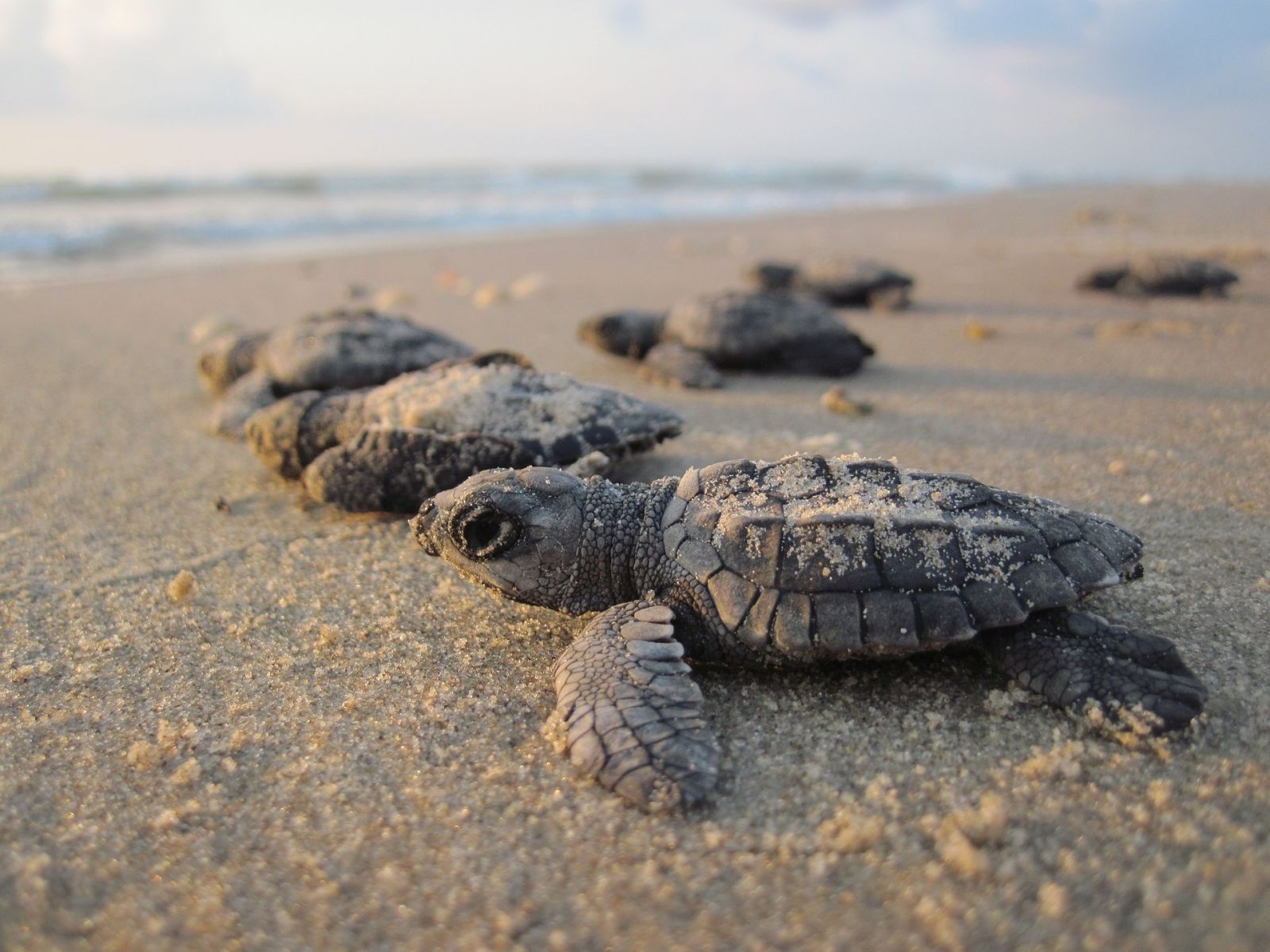
The sea turtle season in Florida primarily spans from May 1st through October 31st. This six-month window is critical for nesting and, subsequently, hatching. Female sea turtles, often under the cover of darkness, emerge from the ocean to dig nests in the sand, meticulously depositing hundreds of eggs before returning to the sea. Each female may nest multiple times within a season, typically every two to three years. After an incubation period of approximately 60 days, depending on species and sand temperature, the tiny hatchlings emerge, instinctively scurrying towards the ocean, guided by the natural light horizon.
Species You Might Encounter in Florida
Florida beaches are nesting sites for several distinct species of sea turtles, each with its own characteristics and conservation status. The most common species observed during nesting season include:
- Loggerhead Sea Turtle: By far the most prevalent nesting sea turtle in Florida, easily identifiable by its large head and powerful jaws. They are critical to the marine ecosystem, especially in areas like Juno Beach and Melbourne Beach.
- Green Sea Turtle: Known for their herbivorous diet and distinctively smooth carapace, these turtles are a common sight, particularly along the central and southern Atlantic coasts of Florida. Areas like Brevard County are significant nesting grounds for Greens.
- Leatherback Sea Turtle: The largest of all sea turtles, characterized by its unique leathery, ridged shell, not a hard bony one. While less common than Loggerheads and Greens, Leatherbacks nest regularly, especially in South Florida, with nests sometimes seen in Palm Beach County.
- Hawksbill Sea Turtle: Recognized by its beautiful, overlapping scutes and narrow, pointed beak, reminiscent of a hawk. They are rarer nesters in Florida, often found in areas with coral reefs.
- Kemp’s Ridley Sea Turtle: The smallest and most critically endangered sea turtle, with very rare nesting occurrences in Florida, primarily in the Panhandle and Gulf coast.
Why Turtle Season Matters for Travel
For the discerning traveler, understanding turtle season transforms a typical beach vacation into an opportunity for environmental education and profound natural connection. It’s a chance to witness a cornerstone of marine biodiversity and participate in responsible tourism. Planning your trip during this period allows for unique experiences, from guided turtle walks to simply being aware of the delicate ecosystem around you. It also underscores the importance of respecting natural habitats and supporting conservation efforts, enriching your travel narrative beyond conventional sightseeing.
Prime Time for Turtle Encounters: What to Expect
To truly appreciate Florida’s sea turtle season, timing and location are paramount. The season is broadly divided into nesting and hatching phases, each offering distinct opportunities for observation.
Nesting Season: May to October
Female sea turtles begin emerging from the ocean to lay their eggs starting in May. The peak nesting activity typically occurs from June through July. These nocturnal events are often observed during guided turtle walks, which are regulated to ensure minimal disturbance to the turtles. Witnessing a female Loggerhead or Green Sea Turtle meticulously digging her nest and laying eggs is an extraordinary and humbling experience.
Hatchling Season: July to October
Approximately two months after the first nests are laid, the hatchling season begins, usually peaking in August and September. Tiny, coin-sized hatchlings dig their way out of the sand, emerging primarily at night to avoid predators and extreme heat. Their dash to the sea is a perilous journey, filled with natural and human-made obstacles. Observance of hatchlings is often more incidental, but many conservation groups offer educational programs or “hatchling releases” for rescued turtles, providing a controlled viewing opportunity.
Best Locations for Observance
While sea turtles nest on many of Florida’s beaches, certain areas are renowned for their high nesting densities and organized viewing opportunities:
- Central Florida’s Atlantic Coast: This region, particularly Brevard County and Volusia County, boasts some of the highest nesting concentrations globally. Canaveral National Seashore and the Archie Carr National Wildlife Refuge are vital nesting grounds, especially for Green Sea Turtles.
- South Florida: Beaches in Palm Beach County and Broward County, including Juno Beach and Fort Lauderdale, are also significant nesting sites, particularly for Loggerheads and Leatherbacks.
- Southwest Florida: While nesting numbers are generally lower than on the Atlantic coast, beaches on islands like Sanibel Island and Anna Maria Island along the Gulf Coast also host nesting turtles, predominantly Loggerheads.
Guided Tours and Educational Opportunities
To ensure a respectful and safe encounter for both humans and turtles, participation in organized, guided “turtle walks” or “turtle watches” is highly recommended. These tours are led by trained naturalists and conservationists who prioritize the welfare of the animals. Organizations like the Loggerhead Marinelife Center in Juno Beach and the Barrier Island Center in Melbourne Beach offer public programs that provide invaluable insights and controlled viewing experiences. These tours often require reservations far in advance due to high demand.
Planning Your Trip Around Turtle Season
A trip centered around Florida’s sea turtle season requires thoughtful planning to maximize your experience while minimizing your environmental impact.
Accommodation Considerations During Peak Season
When booking accommodations, especially near popular nesting beaches, consider properties that are “turtle-friendly.” This often means adhering to local ordinances regarding beachfront lighting, which can disorient nesting females and emerging hatchlings. Many hotels and resorts in coastal areas like Cocoa Beach, Amelia Island, and Sarasota are increasingly aware of their role in turtle conservation and implement measures like drawing curtains at night and using turtle-safe amber lighting. Booking well in advance is crucial, as demand for coastal lodging surges during the summer months.
Essential Packing for Turtle Watchers
Beyond your usual beach essentials, consider these items for a turtle-focused trip:
- Dark Clothing: Black or dark-colored attire is recommended for night walks to minimize your visibility to nesting turtles.
- Bug Spray: Expect mosquitoes and other biting insects, especially during evening hours.
- Closed-Toe Shoes: For walking on sandy, uneven terrain at night.
- Reusable Water Bottle: Stay hydrated and minimize plastic waste.
- Red-Filtered Flashlight: If allowed by your tour guide, a red-filtered light is less disruptive to turtles than white light. Always check with your guide first.
- Camera with Night Mode (No Flash): Capture memories responsibly. Flash photography is strictly prohibited during turtle watches.
Respecting Wildlife: Do’s and Don’ts
The golden rule for any wildlife encounter, particularly with endangered species like sea turtles, is “observe, don’t disturb.”
- DO join a guided tour for safe and educational viewing.
- DO maintain a respectful distance from nesting turtles and hatchlings.
- DO keep beaches clean, removing all trash, chairs, and umbrellas at the end of the day.
- DO turn off all artificial lights visible from the beach, including cell phone screens, between dusk and dawn.
- DON’T approach, touch, or harass sea turtles.
- DON’T use white flashlights or camera flashes on the beach at night.
- DON’T interfere with hatchlings making their way to the ocean. Let nature take its course.
- DON’T dig holes or build sandcastles that can trap hatchlings.
Beyond Turtle Watching: Other Florida Attractions
While turtle season offers a unique focus, Florida is brimming with other attractions to round out your travel itinerary. Consider visiting Orlando‘s world-famous theme parks, exploring the vibrant culture of Miami, discovering the historical charm of St. Augustine, or enjoying the natural beauty of the Florida Keys. Combining these diverse experiences with the profound wonder of turtle season can create a truly unforgettable Florida adventure.
Conservation Efforts and Responsible Tourism
Your visit during turtle season presents a unique opportunity to contribute to vital conservation efforts. Responsible tourism plays a crucial role in safeguarding these magnificent creatures for future generations.
The Importance of Dark Skies
Light pollution is one of the greatest threats to sea turtle nesting success. Artificial lights disorient nesting females, causing them to abandon their efforts, and tragically lure hatchlings away from the ocean, leading them inland where they perish from dehydration, exhaustion, or predation. Many coastal communities in Florida have implemented strict lighting ordinances during turtle season, requiring residents and businesses to shield or turn off lights visible from the beach. As a traveler, simply turning off your balcony lights or closing your curtains at night makes a significant difference.
Avoiding Disturbances
Human presence can inadvertently cause significant stress and disruption. Even seemingly harmless actions like walking too close to a nesting turtle can cause her to abandon her nest. Similarly, disturbing a nest, even accidentally, can jeopardize the hundreds of eggs within. Always respect posted signs, stay on designated paths, and if you encounter a nesting turtle or hatchlings, admire them from a distance without interference. If you find an injured or disoriented turtle, contact the Florida Fish and Wildlife Conservation Commission (FWC) or a local marine turtle permit holder immediately.

Supporting Local Conservation Initiatives
Many non-profit organizations and governmental agencies in Florida are dedicated to sea turtle research, rescue, and rehabilitation. By participating in guided tours offered by these groups, making donations, or even volunteering for beach cleanups, you can directly contribute to their invaluable work. Learning about the challenges facing sea turtles, from habitat loss to plastic pollution, empowers you to be a more informed and impactful advocate, both during your travels and when you return home.
In conclusion, Florida’s sea turtle season is a truly remarkable period, offering a glimpse into the ancient rhythms of nature. By timing your visit between May and October, choosing the right locations, and adhering to responsible viewing practices, you can enjoy a profoundly enriching travel experience that leaves both you and the turtles better off. It’s an invitation not just to see Florida, but to connect with its wild heart, fostering a deeper appreciation for the planet’s incredible biodiversity.
LifeOutOfTheBox is a participant in the Amazon Services LLC Associates Program, an affiliate advertising program designed to provide a means for sites to earn advertising fees by advertising and linking to Amazon.com. Amazon, the Amazon logo, AmazonSupply, and the AmazonSupply logo are trademarks of Amazon.com, Inc. or its affiliates. As an Amazon Associate we earn affiliate commissions from qualifying purchases.