
Florida, often lauded as the Sunshine State, is renowned for its pristine beaches, vibrant theme parks, and balmy climate. Yet, beneath its popular tourist facade lies a rich agricultural landscape that offers unique seasonal experiences, particularly concerning one of its most cherished crops: the strawberry. For visitors and aspiring residents alike, understanding the rhythm of Florida’s strawberry season is not just about gardening; it’s an invitation to immerse oneself in local culture, savor unparalleled freshness, and participate in delightful community activities. This guide delves into the optimal timing for planting strawberries in Florida, framed through the lens of tourism, offering insights that enhance any visit to this verdant corner of the United States.
The Sweet Heart of Florida’s Winter Tourism
The strawberry industry in Florida is more than just farming; it’s an integral part of the state’s identity and a significant draw for winter tourism. As temperatures drop across much of the northern hemisphere, Florida springs to life with an abundance of ripe, ruby-red berries, creating a unique seasonal spectacle that captivates both locals and travelers.
Why Florida Strawberries Are a Seasonal Gem
Florida’s strawberries hold a special place in the hearts of connoisseurs for their exceptional sweetness and vibrant color, a direct result of the state’s unique growing conditions. While strawberries are grown worldwide, the berries cultivated in Florida during its prime winter season benefit from ample sunshine and mild temperatures, allowing them to ripen slowly and develop a concentrated flavor profile. This makes them a coveted item, often appearing in markets and on restaurant menus across the country long before other regions can produce their own. For tourists, this means experiencing the peak of freshness, whether picking them directly from a farm, enjoying them in a gourmet dessert, or simply buying a punnet from a roadside stand. The sheer availability and quality of these berries create a distinctive culinary experience that is intrinsically linked to visiting Florida in the cooler months.
Understanding Florida’s Unique Climate for Agriculture
Florida’s climate is subtropical, characterized by hot, humid summers and mild, dry winters. This climatic pattern is precisely what makes the state an ideal location for winter strawberry production. Unlike more temperate regions where strawberries are a spring and summer crop, Florida experiences a “cold requirement” during its autumn and winter, which is crucial for the plants to produce fruit. The mild winter temperatures prevent frost damage, which can devastate crops, while the consistent sunlight ensures optimal photosynthesis. The sandy, well-draining soils prevalent across much of Florida, particularly in the central region around Plant City, also contribute significantly to healthy root development and robust fruit production. Understanding this climatic advantage helps tourists appreciate the effort and natural blessings that go into producing such high-quality berries during a time when most other states are dormant.
Optimal Planting Times for the Florida Strawberry Experience
For those interested in the agricultural heart of Florida or even considering cultivating their own small patch, knowing the precise planting window is paramount. This knowledge not only informs successful gardening but also enhances a tourist’s understanding of why the strawberry season unfolds when it does.
The Ideal Window: Timing Your Visit and Your Garden
The most opportune time to plant strawberries in Florida is generally from late September through early November. This period allows the young plants to establish a strong root system before the onset of the cooler, drier winter months, which are ideal for fruit production. Planting too early, when summer heat and humidity still linger, can stress the plants and make them susceptible to disease. Planting too late might delay fruit production, potentially shortening the harvest window.
For tourists, this timing is crucial because it dictates the strawberry festival season and the availability of fresh berries. Visiting Florida from December through March ensures you’ll be there during the peak harvest, perfectly coinciding with cooler, more pleasant weather for travel and outdoor activities. This confluence of ideal planting, optimal growing conditions, and pleasant tourist weather makes the Florida winter a true “sweet spot” for both agriculture and tourism.
Varietal Choices and Their Impact on Tourist Experiences
While numerous strawberry varieties exist, certain cultivars are specifically adapted to Florida’s climate and growing practices. Popular choices for commercial growers and home gardeners include ‘Florida Radiance’, ‘Florida Brilliance’, and ‘Sweet Charlie’. These varieties are chosen for their robust growth, disease resistance, high yield, and, most importantly, their excellent flavor and shelf life.
For the tourist, understanding these varietals can deepen the appreciation for local produce. Many U-pick farms or farmers’ markets will proudly display the specific types of strawberries they offer. Tasting different varieties can become a delightful part of the culinary journey, allowing visitors to discern subtle differences in sweetness, texture, and aroma. ‘Florida Radiance’, for instance, is known for its large, firm berries ideal for transport and processing, while ‘Sweet Charlie’ is celebrated for its intense sweetness, making it a favorite for fresh eating. This local specialization contributes to the unique “foodie” aspect of Florida’s tourism.
The Role of Weather: From Planting to Picking
The journey from planting a tiny strawberry plug to harvesting a luscious berry is heavily influenced by Florida’s variable winter weather. After the autumn planting, cooler temperatures are essential for the plants to initiate flowering and fruit development. A few nights of temperatures dipping into the 30s or 40s Fahrenheit are often beneficial, providing the necessary “chill hours.” However, prolonged freezes can be detrimental, requiring farmers to employ elaborate frost protection measures like overhead irrigation, which covers the plants in ice to insulate them.
For tourists, this translates to the understanding that while the weather is generally mild, occasional cold snaps can impact the harvest. It also highlights the resilience and ingenuity of Florida’s agricultural community. A sunny, mild winter ensures a bountiful harvest, leading to abundant berries at U-pick farms and festivals, making for an even more rewarding tourist experience. Conversely, an unusually warm winter might affect berry sweetness or yield, a rare but possible outcome that showcases the delicate balance of nature.
Experiencing Florida’s Strawberry Culture: Beyond the Garden
The act of planting strawberries might be confined to gardens and farms, but the resulting harvest spills into a vibrant tapestry of cultural events and culinary delights that form an irresistible part of Florida’s tourism appeal.
U-Pick Farms: A Hands-On Tourist Activity
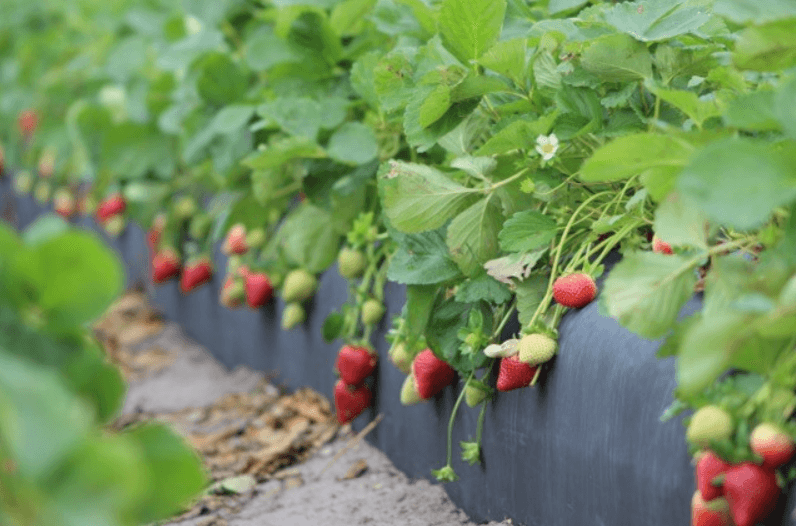
One of the most engaging ways for tourists to connect with Florida’s strawberry season is by visiting a U-pick farm. Scattered throughout the state, particularly concentrated around the Plant City area near Tampa on the Gulf Coast, these farms invite visitors to stroll through rows of leafy green plants and harvest their own berries. This hands-on activity is perfect for families, offering an educational and fun experience that highlights the journey from farm to table. Tourists get to experience the fresh air, the scent of ripe strawberries, and the satisfaction of picking their own produce. Many U-pick operations also feature farm stands selling homemade jams, jellies, and other local agricultural products, further enriching the visit and providing unique souvenirs. It’s an authentic slice of Florida life that goes beyond the typical tourist attractions.
Iconic Strawberry Festivals and Events
The peak of Florida’s strawberry season culminates in celebratory festivals that draw crowds from near and far. The most famous of these is the Florida Strawberry Festival, held annually in Plant City for eleven days in late February and early March. This historic event is a grand showcase of everything strawberry, featuring live music, agricultural exhibits, carnival rides, and, of course, an endless array of strawberry-infused treats. From strawberry shortcake and milkshakes to chocolate-dipped berries and even strawberry pizza, the culinary creativity is astounding.
Beyond Plant City, smaller community festivals and farmer’s market events also celebrate the berry. These festivals are quintessential Florida tourism experiences, offering a vibrant glimpse into local traditions, community spirit, and the joyous celebration of a successful harvest. They provide an excellent opportunity for visitors to mingle with locals, learn about agricultural heritage, and indulge in unique regional flavors.
Culinary Delights: Savoring Florida Strawberries
The abundance of fresh Florida strawberries during winter translates into a wealth of culinary opportunities. Restaurants across the state, from fine dining establishments to casual cafes, feature strawberries prominently on their seasonal menus. Tourists can enjoy innovative strawberry cocktails, refreshing salads, rich desserts, and savory dishes that incorporate the fruit’s unique balance of sweetness and tartness.
Beyond formal dining, the availability of fresh strawberries encourages improvisation. Picnics at Florida’s numerous parks or beaches become more delightful with a punnet of freshly picked berries. Local bakeries often sell strawberry pies, tarts, and pastries. Exploring the culinary landscape of Florida during strawberry season is a delicious adventure, allowing visitors to taste the very essence of the state’s agricultural bounty.
Tips for Tourists and Aspiring Growers in the Sunshine State
Whether you’re visiting Florida specifically for its strawberries or you’re a budding local gardener, some practical advice can help maximize your experience and your harvest.
Planning Your Florida Strawberry Adventure
For tourists, planning your trip between December and March is ideal to coincide with the peak strawberry season. If attending the Florida Strawberry Festival is a priority, booking accommodations and tickets well in advance is highly recommended due to its immense popularity. When visiting U-pick farms, it’s advisable to check their operating hours and berry availability beforehand, as these can vary based on harvest conditions and demand. Dress comfortably, wear a hat, and bring sunscreen and water, as you’ll likely be outdoors enjoying the Florida sunshine. Consider bringing your own containers for U-pick to minimize waste.
For aspiring local growers, remember that while late September to early November is the optimal planting window, soil preparation is key. Ensure your garden beds have well-draining, slightly acidic soil enriched with organic matter. Choose disease-resistant varieties suited for Florida’s climate, and be prepared for ongoing pest management, a common challenge in the subtropical environment.
Sustainable Practices and Local Support
Supporting Florida’s strawberry industry means more than just buying berries; it often means engaging with sustainable agricultural practices. Many local farms prioritize environmentally friendly methods, reducing pesticide use and conserving water. By choosing to visit U-pick farms, purchasing from local markets, and attending community festivals, tourists directly contribute to the economic vitality of these agricultural communities and encourage sustainable farming. This interaction provides a deeper connection to the land and the people who cultivate it, enriching the overall tourism experience. It also fosters an appreciation for the efforts involved in bringing fresh, local produce to your table.

Extending the Strawberry Enjoyment
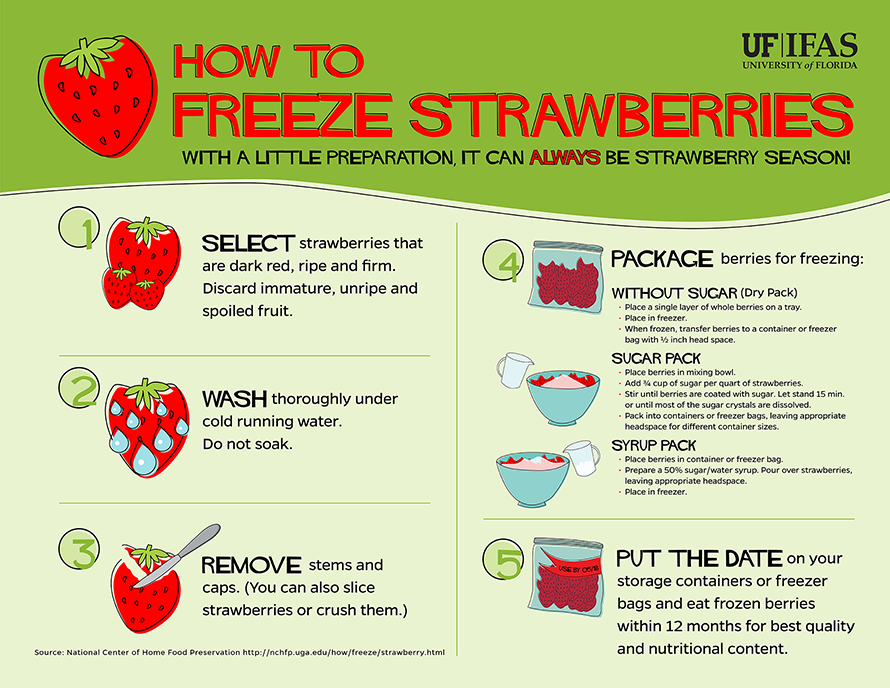
Once you’ve acquired your bounty of Florida strawberries, whether from a U-pick farm or a market, there are many ways to extend their enjoyment. Fresh berries are best consumed within a few days, but they also freeze beautifully. Washing, hulling, and then freezing them on a baking sheet before transferring to freezer bags will preserve them for smoothies, jams, and desserts long after your visit. Making homemade strawberry jam or preserves is another popular activity, allowing you to capture the essence of Florida’s winter sweetness to enjoy year-round, or to share as thoughtful, locally inspired gifts. For the tourist, this means taking a piece of Florida’s unique local culture and culinary excellence home with them, keeping the memories of their sweet, sun-kissed adventure alive.
LifeOutOfTheBox is a participant in the Amazon Services LLC Associates Program, an affiliate advertising program designed to provide a means for sites to earn advertising fees by advertising and linking to Amazon.com. Amazon, the Amazon logo, AmazonSupply, and the AmazonSupply logo are trademarks of Amazon.com, Inc. or its affiliates. As an Amazon Associate we earn affiliate commissions from qualifying purchases.