
Florida, often lauded as the Sunshine State, conjures images of endless summer, sun-drenched beaches, and balmy breezes. For many prospective travelers, the idea of “cold” in Florida seems almost oxymoronic. Yet, like any diverse geographical region, Florida experiences distinct seasonal shifts, and cooler temperatures do indeed arrive, albeit differently than in more northern latitudes. Understanding when Florida’s mercury begins its descent is crucial for planning the ideal trip, whether you’re seeking to escape harsh winters or prefer the gentle warmth for outdoor pursuits. This guide will navigate the nuances of Florida’s climate, helping you pinpoint the optimal time to visit based on your temperature preferences.

Florida’s Unique Climatic Profile
To understand when Florida gets cold, one must first appreciate its unique subtropical to tropical climate. The state’s elongated shape, stretching from its Panhandle in the north down to the Keys in the south, results in significant variations in temperature and weather patterns across different regions. While South Florida generally basks in tropical warmth year-round, North Florida experiences more defined four seasons, albeit milder than their northern counterparts.
The primary driver of Florida’s climate is its proximity to the ocean and the Gulf of Mexico, which moderates temperatures, preventing extreme heat and bitter cold. However, cold fronts originating from the continental United States do push southward, eventually reaching the Sunshine State. The intensity and duration of these fronts dictate how “cold” Florida actually gets.
Defining “Cold” in the Sunshine State
For Floridians and seasoned visitors, “cold” is a relative term. What constitutes a chilly day in Florida might be considered a mild autumn afternoon elsewhere. Generally, temperatures dropping below 60°F (15°C) are considered cool, prompting locals to don sweaters and light jackets. Anything below 50°F (10°C) is genuinely cold for many, especially in the central and southern parts of the state where homes are often not built for prolonged heating needs. Frost and freezing temperatures are rare in South Florida but can occur periodically in North Florida and Central Florida during the winter months. Understanding this regional nuance is vital for setting proper expectations when planning a trip.
The Gradual Transition to Cooler Weather
Florida’s transition from its notoriously hot and humid summer to cooler, drier weather is a gradual process, not an abrupt shift. Unlike regions with dramatic autumnal displays, Florida’s cooling is more subtle, marked by less humidity, clearer skies, and gradually decreasing daily high temperatures. This period of change typically begins in the fall and extends through late autumn.
October’s Gentle Hint
October is often when the first whispers of cooler weather begin to grace Florida. While daytime temperatures across much of the state remain pleasantly warm, often in the high 70s to low 80s Fahrenheit (25-29°C), the humidity starts to recede. Nights in North Florida, such as Jacksonville or Tallahassee, might dip into the low 60s or even upper 50s (15-18°C), providing a welcome respite. In Central Florida, encompassing popular destinations like Orlando and Tampa, evenings become noticeably more comfortable. South Florida, including Miami and Fort Lauderdale, still experiences significant warmth, but the oppressive stickiness of summer lessens. October is an excellent month for those who enjoy warmth without the intense summer heat.
November’s Noticeable Shift
By November, the shift becomes more pronounced. Cold fronts become more frequent and stronger, pushing cooler air further south. Average daily temperatures statewide begin to drop into the 70s Fahrenheit (21-26°C), with nights cooling significantly, especially in the northern and central regions. It’s not uncommon for North Florida to experience mornings in the 40s or 50s (4-10°C), while Central Florida sees lows in the 50s to low 60s (10-17°C). Even South Florida feels the change, with evening temperatures often falling into the upper 60s (18-20°C). November marks the true beginning of the cooler season, offering ideal weather for outdoor activities like hiking in state parks or exploring historic sites.
December and January: Peak “Cold”
The coldest months in Florida are typically December, January, and early February. During this period, the state experiences its lowest average temperatures and the highest likelihood of strong cold fronts.
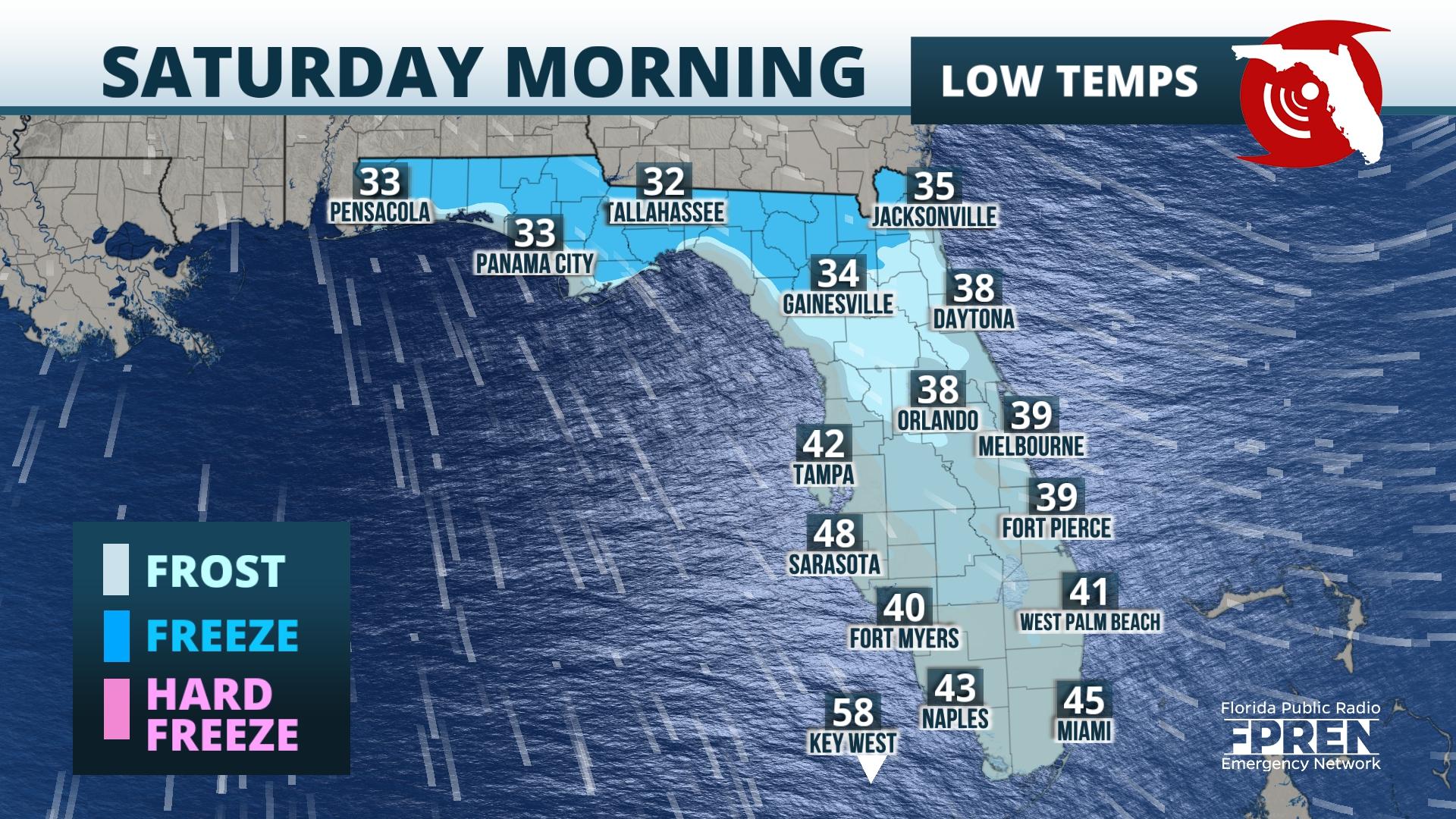
- North Florida (e.g., Jacksonville, St. Augustine): Daytime highs often range from the low 60s to low 70s (16-22°C), with nighttime lows frequently dropping into the 30s and 40s (0-9°C). Freezing temperatures and frost are possible.
- Central Florida (e.g., Orlando, Tampa, Sarasota): Daytime highs typically hover in the upper 60s to mid-70s (19-24°C). Nights can be cool, often in the 40s and 50s (4-15°C), with occasional dips into the 30s (below 4°C) during strong cold snaps.
- South Florida (e.g., Miami, Key West, Naples): Even here, temperatures cool down. Daytime highs are usually in the low to mid-70s (22-26°C), with nights in the 50s and 60s (10-20°C). While truly cold weather is rare, brief cold fronts can push temperatures into the 40s (4-9°C) for a night or two, especially inland from the coast.
It’s important to remember that even during these “cold” months, sunny days are abundant, and temperatures can quickly rebound after a cold front passes.
February’s Lingering Chill
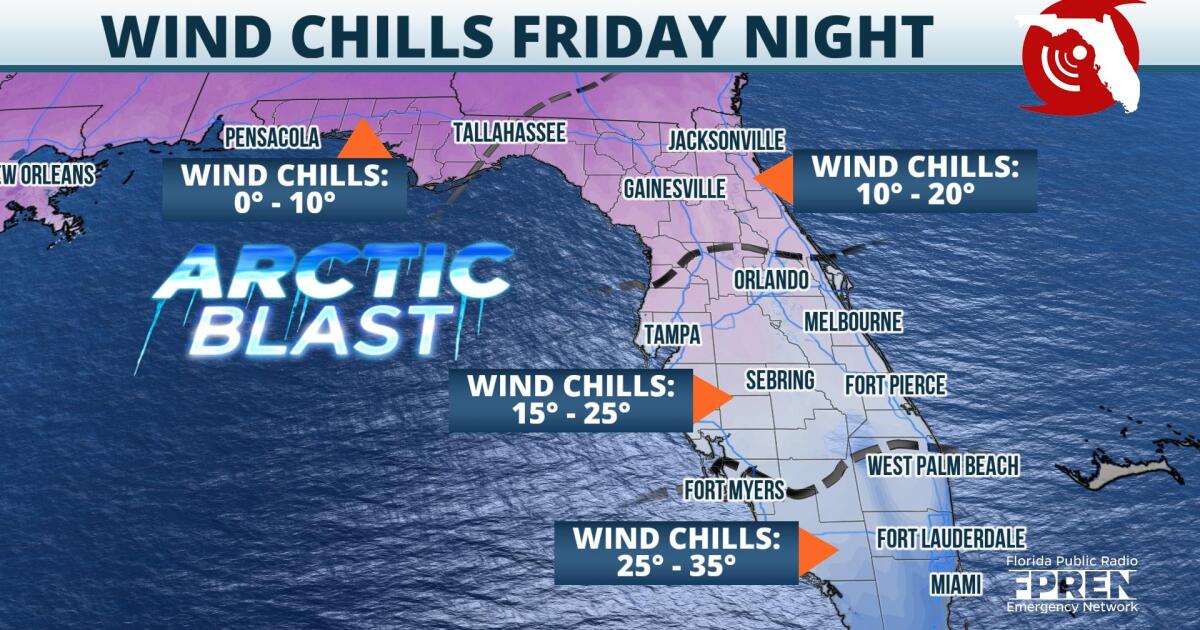
While February can still bring cold snaps, particularly in its earlier half, the state generally begins a slow warming trend. Days grow longer, and the intensity of cold fronts often lessens. By late February, hints of spring emerge, with daytime temperatures across much of Florida frequently reaching the 70s Fahrenheit (21-26°C) again, signaling the gradual retreat of winter.
Planning Your Florida Trip: Cooler Weather Considerations
Understanding Florida’s “cold” season is invaluable for travelers. The cooler, drier months from November through April are widely considered the peak travel season, and for good reason. The comfortable temperatures open up a plethora of opportunities for various activities.
Packing Essentials for Cooler Days
If you’re visiting Florida during its cooler months, “cold” often means pleasant. However, packing wisely is key to comfort.
- Layering is essential: Even if the daytime is warm, evenings can get chilly. Bring light sweaters, cardigans, or a jacket.
- Rain gear: While the dry season means less rain than summer, occasional showers can occur, so a light, packable raincoat or umbrella is advisable.
- Swimwear: Don’t forget your bathing suit! Even in winter, many days are warm enough for a dip in a heated pool or the warmer waters of South Florida’s beaches.
- Comfortable shoes: For walking, exploring theme parks like Walt Disney World Resort or Universal Studios Florida, or enjoying the state’s natural beauty, comfortable footwear is a must.
Activities Best Enjoyed in Mild Weather
The cooler months transform Florida into an outdoor enthusiast’s paradise. The lower humidity and comfortable temperatures make activities that might be arduous in summer thoroughly enjoyable.
- Theme Park Adventures: Exploring Orlando’s world-famous theme parks is significantly more comfortable without the intense summer heat and humidity.
- Beach Walks and Relaxation: While swimming might be too cool for some in North Florida, the beaches across the state are perfect for leisurely strolls, sunbathing, and enjoying the ocean breeze. South Florida beaches remain popular for swimming, especially on warmer days.
- Exploring State Parks and Nature Preserves: Hiking, biking, and wildlife viewing in places like Everglades National Park or Myakka River State Park are sublime during the cooler season. Manatees also migrate to warmer spring waters, offering unique viewing opportunities.
- Golf and Outdoor Sports: Florida’s renowned golf courses are at their prime, as are tennis courts and other outdoor sports facilities.
- Historic City Exploration: Wander the historic streets of St. Augustine, Key West, or Ybor City in Tampa without breaking a sweat.
Navigating Tourist Crowds
The cooler, drier weather undeniably makes Florida an attractive destination for many, especially those escaping colder climates. This results in the “cold” season coinciding with Florida’s peak tourist season. Expect larger crowds at major attractions, higher demand for accommodations, and potentially elevated prices from November through April, particularly during holiday periods like Christmas, New Year’s, and Spring Break. Booking travel arrangements well in advance is highly recommended if visiting during these popular times. If you prefer a slightly less crowded experience while still enjoying comfortable temperatures, consider early November or late February to early March.
Regional Variations: Where Cold Lingers Longest
Florida’s diverse geography means that “cold” manifests differently depending on where you are in the state. Understanding these regional distinctions helps in fine-tuning your travel plans to match your desired climate.
North Florida: The Most Distinct Winter
The northernmost parts of Florida, including the Panhandle cities like Pensacola and Jacksonville, experience the most noticeable and prolonged periods of cooler weather. This region is geographically closer to continental weather systems and is less influenced by the tempering effects of tropical waters. Winters here are genuinely cool, with occasional freezes and crisp mornings. While still milder than much of the United States, visitors should pack layers, including warmer jackets, especially if visiting between December and February.
Central Florida: A Balanced Blend
Central Florida, home to Orlando, Tampa, and the Space Coast (Daytona Beach), enjoys a balanced winter. While cold fronts can bring genuinely chilly days and nights, especially in January, these periods are often interspersed with gloriously sunny and mild days. The average winter temperature is comfortable, making it perfect for theme parks, golf, and exploring cities. Temperatures generally range from the mid-40s F (7°C) at night to the mid-70s F (24°C) during the day.
South Florida: Winter’s Mildest Embrace
For those truly wishing to escape winter’s grip entirely, South Florida is the destination of choice. Cities like Miami, Fort Lauderdale, West Palm Beach, Naples, and Key West experience the mildest winters. Cold fronts are weaker here, and temperatures rarely dip below the 50s F (10°C) for extended periods. Daytime highs typically remain in the 70s F (21-26°C), and the ocean water remains swimmable for many, especially in the Keys where the climate is genuinely tropical, similar to the nearby Bahamas or Caribbean. This region is ideal for beach lovers and those seeking consistently warm temperatures year-round.
In conclusion, “cold” in Florida is a relative term, often synonymous with pleasantly cool, dry, and sunny weather. The transition typically begins in October, becoming more pronounced in November, with the coolest temperatures observed in December and January. By February, a gentle warming trend begins. Regardless of your preference for warmth, Florida’s cooler months offer an exceptional travel experience, providing comfortable conditions for exploring its diverse attractions without the intense heat and humidity of summer. Plan accordingly, pack in layers, and prepare to enjoy the Sunshine State’s delightful winter charm.
LifeOutOfTheBox is a participant in the Amazon Services LLC Associates Program, an affiliate advertising program designed to provide a means for sites to earn advertising fees by advertising and linking to Amazon.com. Amazon, the Amazon logo, AmazonSupply, and the AmazonSupply logo are trademarks of Amazon.com, Inc. or its affiliates. As an Amazon Associate we earn affiliate commissions from qualifying purchases.