
For many aspiring travelers, the allure of Florida’s sunshine and pristine beaches is undeniable. However, navigating the diverse landscape of the Sunshine State to find the perfect destination can be a delightful challenge. One such gem that often sparks curiosity, particularly among those seeking a blend of tranquil waterways and vibrant community life, is Cape Coral. But exactly where is this unique city located on the map, and why does its position make it such a compelling travel destination?
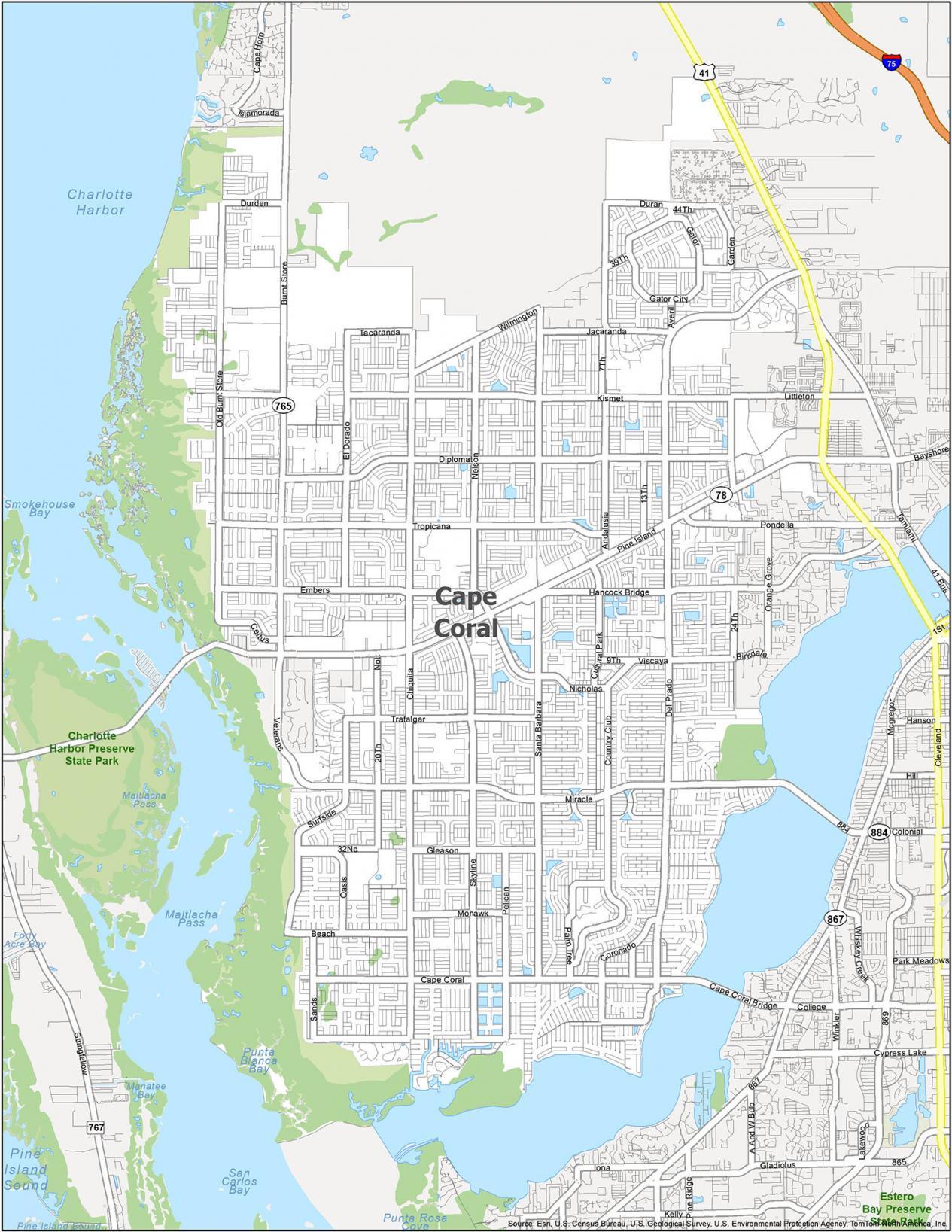
Cape Coral is nestled in Southwest Florida, an enviable position along the Gulf of Mexico coast. It’s a rapidly growing city renowned for its vast network of canals, earning it the moniker “Waterfront Wonderland.” Understanding its precise geographical placement is the first step in unlocking the myriad experiences it offers to visitors, from watersports enthusiasts to those simply looking to unwind under the subtropical sun. This article serves as your guide to locating Cape Coral on the map and appreciating why its strategic location is central to its identity as a premier travel destination.

Pinpointing Cape Coral: The Heart of Southwest Florida
To truly appreciate Cape Coral, one must first place it accurately within the broader geography of Florida. Its location is not just a set of coordinates; it’s a defining characteristic that shapes its environment, climate, and the experiences it offers to travelers.
Geographical Coordinates and Regional Context
Cape Coral is situated at approximately 26.56° N latitude and 81.99° W longitude. This places it firmly in the subtropical zone, ensuring abundant sunshine and warm temperatures throughout much of the year—a significant draw for visitors escaping colder climates. The city is bordered to the east by the Caloosahatchee River and to the south by Matlacha Pass, both of which connect directly to the Gulf of Mexico. This extensive aquatic boundary is crucial to its identity, as it boasts over 400 miles of navigable canals, more than any other city in the world. This intricate system of waterways is not merely a scenic feature; it defines the lifestyle and recreational opportunities available, making waterfront living and boating an integral part of the Cape Coral experience. The unique layout of the city, largely developed in the mid-20th century with a grid system designed around these canals, speaks volumes about its intentional development as a water-centric community. This planning ensures that a significant portion of the city’s residents and visitors have direct access to the water, fostering an environment rich in aquatic activities from their very doorstep.
Accessibility and Proximity to Major Hubs
Cape Coral’s accessibility makes it a convenient and desirable destination for travelers. The closest major airport is Southwest Florida International Airport (RSW), located in nearby Fort Myers. This airport offers numerous direct flights from various national and international locations, providing a smooth entry point for visitors. From RSW, Cape Coral is typically a short 30-45 minute drive, making transfers relatively quick and easy upon arrival.
The city’s strategic location also places it within easy driving distance of several other popular Florida destinations, enhancing its appeal as a base for wider regional exploration. To its immediate east lies Fort Myers, a bustling city offering additional dining, shopping, and cultural attractions. Southward along the coast, travelers can reach the upscale charm of Naples and Marco Island within an hour or so. To the north, destinations like Punta Gorda and Charlotte Harbor offer distinct coastal experiences. While it’s not a short hop to Orlando’s theme parks or Miami’s vibrant urban scene (both being 2-3 hours away), Cape Coral serves as an excellent starting point for exploring the unique character of Southwest Florida, balancing tranquility with convenient access to a range of experiences.
Why Cape Coral’s Location Matters for Travelers
Cape Coral’s specific geographical placement isn’t just a point on a map; it’s the fundamental reason for its unique appeal as a travel destination. Its proximity to key natural assets and its internal design create an environment tailor-made for specific types of travel experiences.
Gateway to Gulf Coast Beaches
One of the most compelling reasons travelers flock to Southwest Florida is its stunning Gulf Coast beaches, and Cape Coral’s location offers unparalleled access to some of the finest. Just a short drive across the causeway from Cape Coral lies Sanibel Island, world-renowned for its shelling opportunities, pristine sands, and commitment to preserving its natural beauty. Adjacent to Sanibel is Captiva Island, offering an even more secluded and luxurious escape with breathtaking sunsets. Furthermore, the vibrant Fort Myers Beach, with its lively pier, watersports, and diverse dining options, is also easily reachable.
While Cape Coral itself has limited natural beaches along its mainland, its strategic position as a launchpad to these iconic barrier islands means visitors can enjoy the tranquility of Cape Coral’s canal system by day and effortlessly transition to the soft, white sands and gentle waves of the Gulf of Mexico whenever the mood strikes. This accessibility allows travelers to craft a dynamic itinerary that includes both inland relaxation and quintessential Florida beach experiences without lengthy commutes.
A Boater’s Paradise and Water Sports Hub
The defining feature of Cape Coral is its unparalleled network of canals. This intricate watery infrastructure, stretching for hundreds of miles, directly connects many residential properties and public access points to the Caloosahatchee River, Matlacha Pass, and ultimately, the Gulf of Mexico. For travelers, this translates into an extraordinary array of water-based activities that are often just steps away from their accommodation.
Boating is paramount here. Visitors can rent boats of various sizes, from small pontoons perfect for cruising the canals to larger vessels capable of venturing into the Gulf. This direct access to open water makes Cape Coral an ideal destination for fishing, sailing, and simply exploring the myriad islands and coastal areas. Kayaking and paddleboarding through the calm canal waters offer a unique perspective of the city’s waterfront homes and local wildlife, including manatees and various bird species. Beyond personal boating, numerous charters are available for deep-sea fishing expeditions, dolphin watching tours, or sunset cruises. The city’s location ensures that whether you’re an experienced mariner or a novice eager to dip your toes into aquatic adventures, Cape Coral provides the ideal setting.
Central Base for Exploring Southwest Florida
Cape Coral’s position as a central hub in Southwest Florida makes it an excellent base for travelers looking to explore beyond its city limits. Its convenient location allows for easy day trips to a diverse range of attractions and natural preserves. For nature enthusiasts, the J.N. “Ding” Darling National Wildlife Refuge on Sanibel Island offers exceptional birdwatching and wildlife viewing opportunities. To the south, the vast wilderness of the Everglades is within reach, providing a chance to experience a truly unique ecosystem with airboat tours and guided excursions.
Beyond natural attractions, cultural and historical sites are also easily accessible. The winter estates of Thomas Edison and Henry Ford in Fort Myers offer a glimpse into the past, while the vibrant arts scene in downtown Fort Myers and Naples provides ample opportunities for entertainment. For those interested in local culture and marine life, the charming fishing village of Matlacha, just west of Cape Coral, offers a bohemian atmosphere with colorful art galleries and fresh seafood restaurants. This strategic placement ensures that a stay in Cape Coral can be as active or as relaxed as one desires, with a plethora of experiences just a short drive away.
Navigating Cape Coral: Getting Around and Settling In
Once you’ve located Cape Coral on the map and decided it’s your next destination, understanding how to navigate within the city and settle into its unique rhythm becomes crucial for a fulfilling travel experience. The city’s layout, shaped by its extensive waterways, influences everything from transportation to local exploration.
Transportation Within the City
Due to its sprawling nature and the vast canal system, Cape Coral is primarily a car-dependent city. For most travelers, renting a car upon arrival at Southwest Florida International Airport (RSW) is the most practical and efficient way to get around. This allows the freedom to explore the numerous neighborhoods, access public boat ramps, reach local parks, and embark on day trips to nearby attractions without relying on limited public transportation. The city’s road network is generally well-maintained, and traffic is typically less congested than in larger Florida metropolises, although peak season can see increased activity.
While driving is king, Cape Coral also embraces a growing number of cycling enthusiasts. Many main roads feature dedicated bike lanes, and various parks and trails offer scenic routes for two-wheeled exploration. For those staying in canal-front properties, a boat often becomes an additional, highly practical mode of transport, allowing direct water access to restaurants, fishing spots, and other waterways. Ride-sharing services are also available, offering an alternative for shorter distances or evenings out when a designated driver is preferred.
Finding Your Way: Key Districts and Attractions
Cape Coral does not have a single, densely packed downtown core like many traditional cities. Instead, it’s characterized by several distinct areas and activity hubs. The area around Cape Coral Parkway and Del Prado Boulevard forms the closest thing to a commercial center, offering a concentration of shops, restaurants, and local businesses. This area is often bustling and a good starting point for newcomers to get their bearings.
For family travelers, the Sun Splash Family Waterpark is a prominent attraction, offering slides and pools for all ages during the warmer months. Nature lovers will appreciate the Four Freedoms Park, which features a public beach on the Caloosahatchee River, playgrounds, and picnic areas. The Rotary Park Environmental Center provides excellent opportunities for birdwatching and exploring mangrove ecosystems. Further west, near Matlacha Pass, lies the unique Burnt Store Marina area, a large boating community with its own dining and amenities. By understanding these key zones and their offerings, travelers can more effectively plan their itinerary and navigate the city, discovering the specific experiences that resonate with their travel style. The city’s expansive nature means that exploring different sections can feel like discovering distinct mini-destinations within Cape Coral itself.
The Allure of Cape Coral: Beyond Just a Spot on the Map
While its geographical coordinates firmly place Cape Coral in Southwest Florida, its true allure for travelers lies in the lifestyle and experiences its location facilitates. It’s a destination that transcends a mere dot on a map, offering a distinctive blend of natural beauty, recreational opportunities, and a relaxed atmosphere.
Climate and Natural Beauty
Cape Coral is blessed with a subtropical climate, characterized by abundant sunshine and warm temperatures for most of the year. Winters are mild and dry, making it an ideal escape for those seeking to avoid harsh northern climes. Summers are hot and humid, often accompanied by afternoon thunderstorms that provide a refreshing break from the heat. This favorable climate allows for year-round outdoor activities, which is a major draw for travelers.
The city’s natural beauty is profoundly shaped by its location. The extensive canal system is not just man-made; it’s a thriving ecosystem. These waterways are home to a diverse array of wildlife, including the gentle Florida manatee, various wading birds like roseate spoonbills and great blue herons, and a multitude of fish species. The proximity to the Gulf of Mexico means easy access to marine life, vibrant sunsets over the water, and lush coastal vegetation, including mangroves that line many of the natural estuaries. This blend of designed infrastructure and thriving nature creates a unique aesthetic and an immersive experience for those who appreciate the outdoors.
A Community Designed for Leisure
Cape Coral was largely developed with leisure and a relaxed lifestyle in mind, a vision directly influenced by its geography. The proliferation of canal-front homes, many with private docks, speaks to a community built around water access and outdoor living. This design philosophy permeates the entire city, offering a more tranquil and laid-back atmosphere compared to busier metropolitan areas. Travelers often find that the pace of life here encourages unwinding, slow exploration, and quality time spent enjoying the natural surroundings.
The city offers numerous parks, golf courses, and recreational facilities catering to various interests. Its network of interconnected waterways facilitates not only boating but also casual kayaking, fishing from the shore or a dock, and simply enjoying the serene views. For families, the numerous playgrounds and community events provide wholesome entertainment, while couples can find quiet spots for romantic evenings. The absence of overwhelming crowds often found in more tourist-dense Florida destinations allows for a more personal and intimate travel experience, where the focus remains squarely on relaxation and recreation.
What to Expect from a Cape Coral Visit
A visit to Cape Coral is about embracing a distinctive Southwest Florida experience centered around water, sunshine, and a relaxed pace. Travelers can expect a community that values its outdoor amenities, from the extensive public boat ramps to the myriad of waterfront dining options. It’s a place where flip-flops are standard attire and the day’s biggest decision might be whether to head to the beach or explore the canals.
Accommodation options range from spacious vacation rentals with private pools and docks to comfortable hotels, catering to different preferences and budgets. Dining experiences are diverse, featuring fresh local seafood, casual eateries, and fine dining establishments. The city offers a welcoming environment for families, retirees, and anyone seeking a sun-drenched escape with ample opportunities for boating, fishing, shelling, and simply enjoying the beautiful Florida environment. While it offers convenient access to bustling attractions, Cape Coral itself maintains a charming, unhurried vibe, allowing travelers to truly disconnect and rejuvenate.

Conclusion: Your Next Southwest Florida Adventure Awaits
Cape Coral, Florida, is far more than just a name on a map; it’s a strategically positioned destination that offers a truly unique Southwest Florida experience. Located on the Gulf Coast, with its intricate network of canals, it stands as a premier hub for water-centric activities and a convenient gateway to the region’s most celebrated beaches and natural wonders.
From its accessible proximity to Southwest Florida International Airport to its easy drives to Sanibel, Captiva, and Fort Myers Beach, Cape Coral’s location is the cornerstone of its appeal. It promises travelers a warm, welcoming environment where boating, fishing, and basking in the sunshine are not just activities, but a way of life. If you’re seeking a destination that combines a relaxed pace with endless outdoor adventures and the convenience of a central location for exploring the best of Florida’s Gulf Coast, Cape Coral undoubtedly deserves a prominent spot on your travel itinerary. Let its unique position on the map guide your next unforgettable Florida adventure.
LifeOutOfTheBox is a participant in the Amazon Services LLC Associates Program, an affiliate advertising program designed to provide a means for sites to earn advertising fees by advertising and linking to Amazon.com. Amazon, the Amazon logo, AmazonSupply, and the AmazonSupply logo are trademarks of Amazon.com, Inc. or its affiliates. As an Amazon Associate we earn affiliate commissions from qualifying purchases.