
Nestled along the enchanting Gulf of Mexico coastline, Cape Coral stands as a testament to visionary urban planning and the allure of Southwest Florida’s natural beauty. For countless travelers, residents, and prospective visitors, the first and most fundamental question often revolves around its precise geographical placement. Understanding “where” Cape Coral is located is more than just a matter of coordinates; it unlocks the essence of this vibrant city, defining its climate, its unique lifestyle, and its myriad travel opportunities. This article delves deep into the geographical heart of Cape Coral, mapping its exact position within the Sunshine State, exploring the historical context that shaped its layout, detailing its accessibility, and ultimately, illustrating why its location is paramount to its identity as a premier travel destination. Far from being just another dot on the map, Cape Coral’s strategic position in Florida is the very foundation upon which its reputation as a boater’s paradise and a serene escape is built.

Pinpointing Cape Coral on the Sunshine State Map
To truly appreciate Cape Coral, one must first place it accurately within the sprawling landscape of Florida. Its location is not just a coordinate but a descriptive narrative of its unique character, defined by its relationship with major waterways and neighboring metropolises.
The Southwest Florida Gem
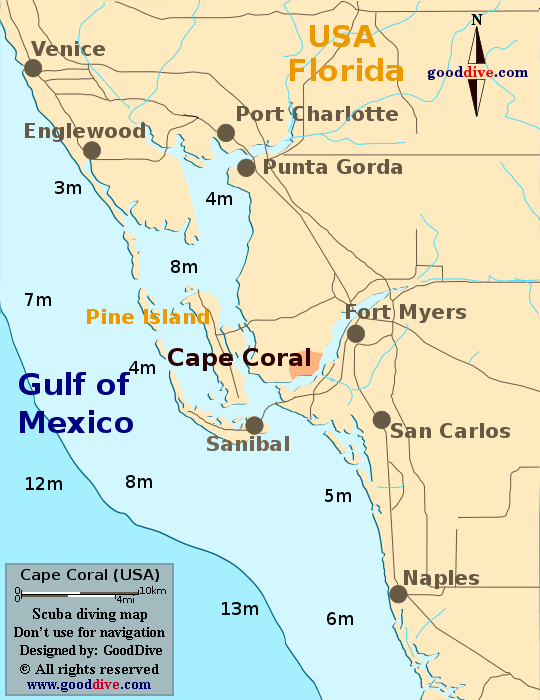
Cape Coral is strategically situated in Lee County, on the southwest coast of Florida. It lies directly west of the city of Fort Myers, separated primarily by the expansive Caloosahatchee River and a series of bridges. This placement puts it squarely within the heart of a region renowned for its stunning beaches, abundant sunshine, and a laid-back, subtropical lifestyle. The city’s coordinates typically hover around 26.64° N latitude and 81.99° W longitude, positioning it comfortably within the tropical zone, which contributes significantly to its year-round appeal for travelers seeking warmth and outdoor activities. Its proximity to Fort Myers means it benefits from a shared regional infrastructure while maintaining its distinct identity as a meticulously planned, water-centric community. The drive from the bustling metropolitan areas of Tampa to the north or Miami to the southeast typically involves a few hours, placing it within a convenient reach for weekend getaways and extended vacations for visitors coming from different parts of the state or the broader southeastern United States. This geographical positioning makes Cape Coral a desirable hub for exploring the broader attractions of Southwest Florida.
Geographical Features and Waterways
What truly sets Cape Coral apart and intrinsically ties it to its location is its unparalleled network of canals. Often dubbed “Waterfront Wonderland,” Cape Coral boasts over 400 miles of navigable waterways – more than any other city in the world. These canals permeate the city’s residential and commercial districts, providing direct Gulf access to a significant portion of its properties, a feature that profoundly influences the local culture and economy. The city is bordered to the east by the mighty Caloosahatchee River, a significant estuary that flows into Charlotte Harbor and ultimately the Gulf of Mexico. This direct access to saltwater makes Cape Coral a dream destination for boating enthusiasts, fishermen, and those seeking aquatic adventures.
Furthermore, its location provides convenient access to a string of beautiful barrier islands that dot the Gulf Coast. Islands like Sanibel Island and Captiva Island, famous for their pristine beaches and world-class shelling, are just a short drive or boat ride away. These islands act as natural protective barriers, creating the calm, sheltered waters that are ideal for kayaking, paddleboarding, and family-friendly swimming. The city’s flat topography, characteristic of much of coastal Florida, allows for extensive development and the creation of its intricate canal system. The lush subtropical vegetation, including palm trees and mangroves, thrives in this environment, contributing to the city’s verdant appearance and supporting a diverse ecosystem. This unique blend of man-made waterways and natural coastal features defines Cape Coral’s geographical identity and makes it an extraordinary travel destination.
A City Forged from Water: Its Unique Development
The very existence and layout of Cape Coral are deeply intertwined with a remarkable history of foresight and engineering, setting it apart from many other Florida cities that grew organically. Its planned nature is a direct consequence of its strategic location and the vision of its founders.
The Visionary Beginnings
Cape Coral isn’t just a place that happened; it was meticulously conceived and executed. In 1957, the Rosen Brothers, Leonard and Jack, purchased a 103-square-mile tract of undeveloped land, much of which was swampy and mosquito-infested, situated directly across the Caloosahatchee River from Fort Myers. Their vision was audacious: to transform this raw landscape into a sprawling, water-laced community that would redefine the concept of waterfront living. They formed the Gulf American Land Corporation and embarked on one of the largest land development projects in Florida’s history. The initial phase involved dredging and filling, carving out the intricate network of canals that would become Cape Coral’s defining feature. This process not only created thousands of waterfront properties but also drained vast areas, making them suitable for residential and commercial development. The strategic location, with ample undeveloped land and direct access to major waterways leading to the Gulf of Mexico, was ripe for such an ambitious project. The Rosen’s capitalized on Florida’s burgeoning appeal, particularly the desire for sunshine, water access, and a relaxed lifestyle, turning a previously overlooked patch of land into a sought-after destination.
From Swamp to Sprawling Metropolis
What began as a speculative land venture quickly blossomed into a legitimate city. The intensive development efforts, driven by the unique selling proposition of waterfront living, attracted thousands of new residents and investors. The growth of Cape Coral was rapid and consistent, transforming it from a mere blueprint into one of Florida’s largest cities by land area. Despite its planned origins, the city has evolved organically over decades, accommodating diverse demographics, from retirees to young families. Its design, with its grid-like road system intersected by the serpentine canals, is a direct legacy of its initial development, making it distinct from the more haphazard growth patterns of older cities.
Today, Cape Coral is a thriving metropolis, though its core identity as a boater’s paradise remains intact. Its extensive land area means it offers a wide range of residential options, from modest homes to luxurious waterfront estates. The carefully laid-out commercial districts, parks, and public spaces reflect its origins as a thoughtfully planned community. This historical context of development is crucial for understanding why Cape Coral looks and feels the way it does – a modern city where the water is not merely a backdrop but an integral part of daily life and travel experience. The foresight of its founders in recognizing the potential of its location and leveraging it through extensive engineering has made Cape Coral a unique success story in American urban development.
Navigating to Cape Coral: Access and Connectivity

For any travel destination, accessibility is key, and Cape Coral’s location in Southwest Florida benefits from a robust transportation infrastructure, making it an easy and appealing place to reach for domestic and international travelers alike.
Major Transportation Hubs
The primary gateway for air travelers heading to Cape Coral is the Southwest Florida International Airport (RSW), conveniently located in nearby Fort Myers. RSW is a major regional airport offering direct flights to numerous cities across the United States, Canada, and even some international destinations, handled by a variety of major airlines. From RSW, Cape Coral is typically a 20-30 minute drive, depending on the specific location within the city and traffic conditions. This close proximity to a well-serviced airport significantly enhances its appeal as a travel destination, minimizing travel time and maximizing vacation enjoyment.
For those traveling by road, Cape Coral is well-connected to Florida’s extensive highway system. Interstate 75 (I-75), a major north-south artery running through Florida, is easily accessible from Fort Myers, providing seamless connections to other parts of the state. US-41, also known as the Tamiami Trail, runs through Fort Myers and offers another direct route. Accessing Cape Coral from Fort Myers is facilitated by several bridges spanning the Caloosahatchee River, including the Cape Coral Bridge and the Midpoint Bridge. These bridges are vital conduits, linking the city to the wider regional network and ensuring smooth traffic flow despite the natural barrier of the river. The clear road signs and well-maintained infrastructure make self-driving a convenient option for exploration.
Exploring the Surrounding Region
Cape Coral’s central position in Southwest Florida makes it an excellent base for exploring the region’s diverse attractions. Day trips to world-class beaches like those on Sanibel Island and Captiva Island are straightforward, offering opportunities for shelling, swimming, and nature observation. The upscale city of Naples, known for its fine dining, luxury shopping, and beautiful pier, is approximately an hour’s drive to the south. To the north, the vibrant arts scene and pristine beaches of Sarasota are also within a reasonable driving distance.
For nature enthusiasts, the vast wilderness of the Everglades National Park, with its unique ecosystems and abundant wildlife, is accessible for an adventurous day trip. Closer to home, charming artistic communities like Matlacha and the agricultural landscapes of Pine Island offer a different pace, showcasing authentic old-Florida charm. This strategic location means that visitors to Cape Coral are not limited to the city itself but can easily venture out to experience the rich tapestry of attractions that Southwest Florida has to offer, making it a versatile destination for a range of travel interests.
Why Cape Coral’s Location Matters for Travelers
The geographical setting of Cape Coral is not just a point of interest; it’s the very foundation of its appeal as a travel destination, dictating the experiences available and the lifestyle one can immerse in.
Gateway to Gulf Coast Adventures
Cape Coral’s direct access to the Caloosahatchee River and, subsequently, the Gulf of Mexico, positions it as an unrivaled hub for water-based activities. For travelers, this means immediate access to unparalleled boating, fishing, and kayaking opportunities. Renting a boat and navigating the intricate canal system before heading out into the open Gulf is a quintessential Cape Coral experience. Fishing enthusiasts find themselves in prime territory for targeting snapper, snook, tarpon, and redfish, both inshore and offshore. The calm waters of the canals and estuaries are perfect for paddleboarding and kayaking, offering intimate encounters with local wildlife like dolphins, manatees, and a variety of bird species.
Beyond its own waterways, Cape Coral’s location makes it a superb launching point for exploring the broader Gulf Coast. Day trips to the barrier islands provide travelers with opportunities to enjoy some of Florida’s most beautiful and less crowded beaches, often celebrated for their abundance of seashells. The city’s proximity to nature preserves, such as the Four Mile Cove Ecological Preserve within Cape Coral itself, offers opportunities for birdwatching, hiking, and immersing oneself in Florida’s unique ecosystems. This rich tapestry of aquatic and natural attractions, all easily accessible from Cape Coral, underscores its strong appeal for travelers seeking active, outdoor-oriented vacations.
Climate and Lifestyle Appeal
The subtropical climate inherent to Cape Coral’s Southwest Florida location is a major draw for visitors. With an average of 300 days of sunshine per year and mild winter temperatures, the city offers an ideal escape from colder climates. This consistently pleasant weather allows for year-round outdoor activities, making it a popular destination during the traditional tourist season from fall to spring, as well as providing a sunny summer experience. The warm temperatures and abundant sunshine create a perpetually relaxed, outdoor-centric lifestyle, which travelers can easily adopt.
The city’s environment encourages a leisure-focused pace, where mornings might start with a coffee on a waterfront lanai, afternoons are spent on the water, and evenings feature al fresco dining. This lifestyle is a direct reflection of its geographical blessings – plentiful sunshine, warm waters, and lush surroundings. For travelers seeking relaxation, rejuvenation, and an escape from the hustle and bustle, Cape Coral’s climate-defined lifestyle is a significant attraction. It fosters an environment where vacationers can truly unwind and reconnect with nature, embodying the quintessential Florida dream.
Economic and Demographic Significance
While primarily a travel piece, it’s worth noting how Cape Coral’s location has influenced its demographic and economic landscape, which in turn impacts the traveler’s experience. Its appealing location, combining waterfront access with affordability (relative to some other Florida coastal cities), has made it a magnet for retirees and families seeking a high quality of life. This diverse and growing population supports a robust local economy with a variety of restaurants, shops, and services catering to both residents and visitors. The presence of a settled community means that travelers can expect a wide range of amenities and a welcoming atmosphere that is distinct from purely tourist-driven destinations. The city’s continued growth, driven by its desirable location, also means ongoing investment in infrastructure and recreational facilities, further enhancing its appeal to future visitors. This blend of resident community and tourist-friendly infrastructure creates a balanced and authentic travel experience, where visitors can enjoy the local flavor alongside popular attractions.
In conclusion, the question “Where Is Cape Coral In Florida Located?” is far more profound than a simple geographical query. It reveals a destination strategically positioned in Southwest Florida, blessed with unparalleled access to the Gulf of Mexico via an intricate canal system and the Caloosahatchee River. This location has defined its very creation, fostered its unique water-centric identity, and continues to be the primary magnet for travelers. From its easy accessibility via RSW and major highways to its role as a gateway to countless Gulf Coast adventures and a perpetually sunny climate, Cape Coral’s position on the map is its greatest asset. It offers visitors not just a place to stay, but a base from which to explore, relax, and immerse themselves in the quintessential Florida lifestyle, making it a truly distinctive and compelling travel destination.
LifeOutOfTheBox is a participant in the Amazon Services LLC Associates Program, an affiliate advertising program designed to provide a means for sites to earn advertising fees by advertising and linking to Amazon.com. Amazon, the Amazon logo, AmazonSupply, and the AmazonSupply logo are trademarks of Amazon.com, Inc. or its affiliates. As an Amazon Associate we earn affiliate commissions from qualifying purchases.