
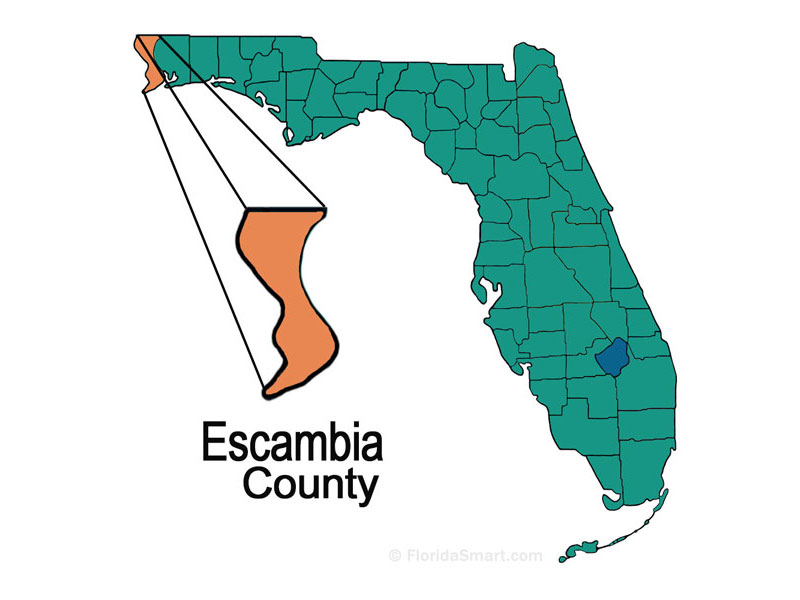
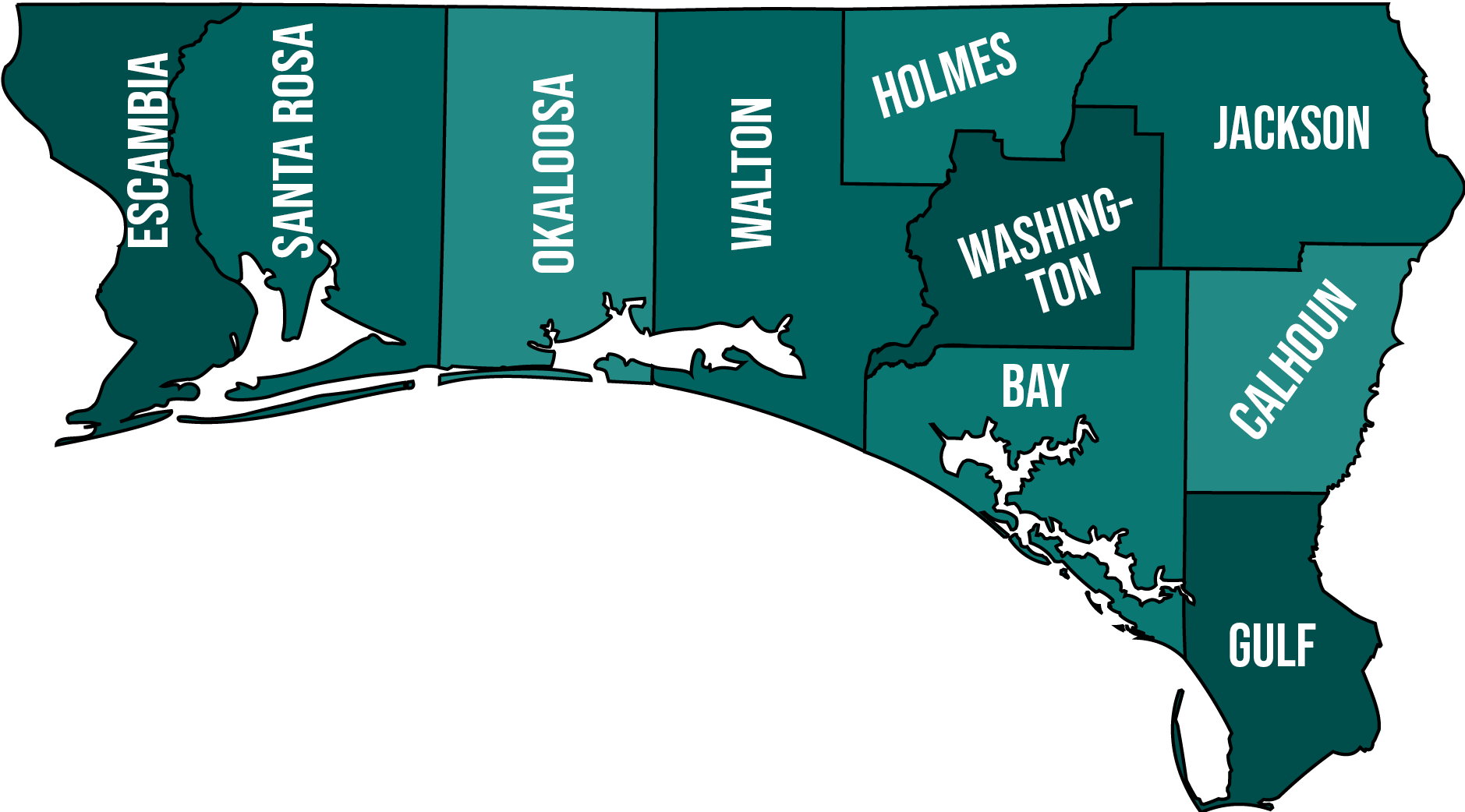
Escambia, Florida, a name that often piques curiosity, is much more than just a dot on the map; it’s a vibrant tapestry woven with rich history, stunning natural beauty, and a captivating cultural landscape that beckons travelers from near and far. Nestled at the westernmost tip of the Florida Panhandle, this county serves as a gateway to the Sunshine State’s Gulf Coast charm, offering an unparalleled blend of pristine beaches, bustling urban centers, and tranquil natural preserves. For those contemplating their next adventure, understanding where Escambia County is—and what makes it a premier destination—is the first step toward uncovering a treasure trove of experiences.
This article delves into the geographic heart of Escambia, explores its pivotal attractions, and guides prospective visitors through the myriad activities that make this region a must-visit for anyone seeking an authentic Florida experience. From the historic streets of Pensacola to the serene shores of the Gulf of Mexico, Escambia promises an insightful journey into a destination rich in discovery.
Unveiling Escambia’s Geographic Charm
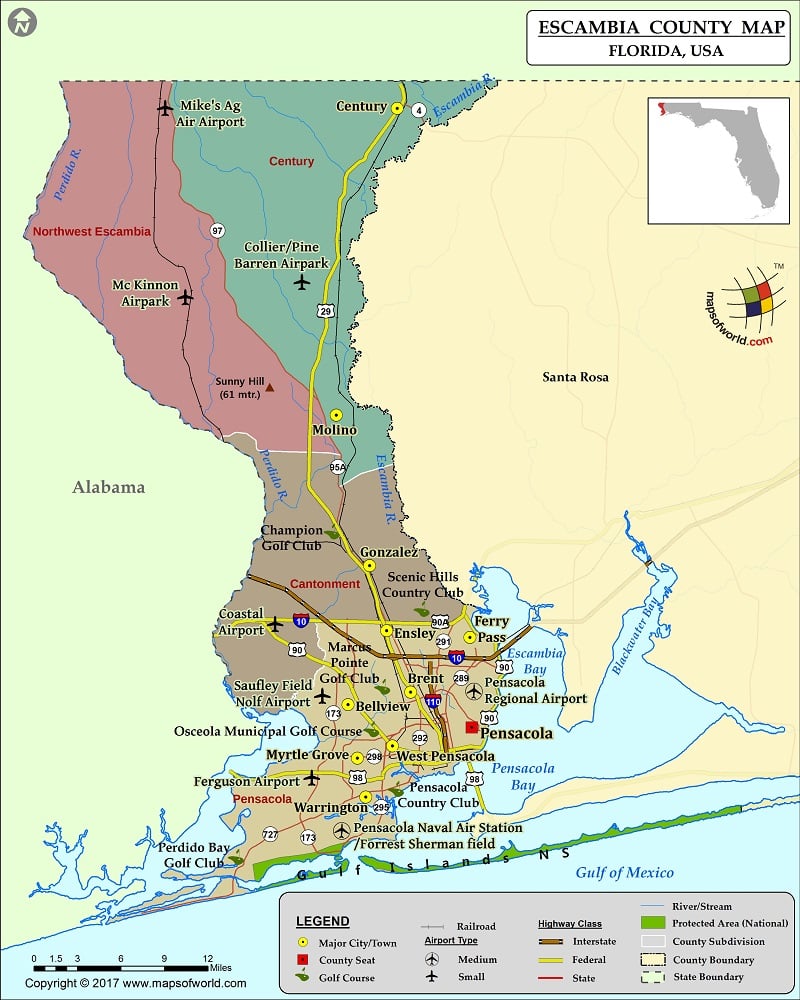
To truly appreciate what Escambia, Florida, has to offer, one must first grasp its strategic and picturesque location. It anchors the western end of the Florida Panhandle, bordering Alabama to the west and north, and extending south to the shimmering waters of the Gulf of Mexico. This unique positioning grants it a distinctive character, blending Southern hospitality with classic Florida coastal allure.
Northwest Florida’s Gulf Coast Gem
Escambia County proudly holds the title of being the westernmost county in Florida, a distinction that influences its climate, culture, and natural environment. Its primary urban center and county seat is Pensacola, a city steeped in history that dates back to 1559, making it one of the oldest European settlements in North America. The county encompasses a diverse geographical spread, including barrier islands, extensive bayous, and significant stretches of mainland. This intricate geography means that within a relatively short distance, travelers can transition from bustling cityscapes to tranquil coastal ecosystems and verdant forests, each offering a distinct experience. The proximity to the Gulf Coast is a defining feature, gifting Escambia with miles of sugar-white sand beaches and emerald-green waters that are consistently ranked among the best in the world.
A Landscape of Diversity
The landscape of Escambia, Florida, is remarkably varied. To the south, the barrier islands of Pensacola Beach and Perdido Key stand as natural bulwarks against the Gulf of Mexico, protecting the calm waters of Pensacola Bay and its numerous estuaries. These islands are renowned for their pristine beaches, delicate dune systems, and abundant wildlife, much of which is preserved within the Gulf Islands National Seashore. Inland, the landscape shifts to encompass pine forests, freshwater rivers like the Escambia River (from which the county derives its name), and agricultural lands. This rich biodiversity supports a wide array of ecosystems, making it a haven for nature lovers, birdwatchers, and outdoor enthusiasts. The blend of saltwater and freshwater environments also creates unique opportunities for fishing, boating, and exploring the intricate network of waterways that define this region.
The Allure of Pensacola: Escambia’s Vibrant Hub
At the heart of Escambia County lies Pensacola, a city that brilliantly merges its storied past with a dynamic present. Often referred to as “The City of Five Flags,” Pensacola has been under Spanish, French, British, Confederate, and American rule, each leaving an indelible mark on its architecture, culture, and spirit. This rich historical tapestry, combined with its stunning natural surroundings, makes Pensacola an indispensable part of the Escambia travel experience.
Historic Downtown Pensacola
Downtown Pensacola is a living museum, where beautifully preserved Victorian and Creole-style buildings line tree-shaded streets. The vibrant core of this area is Palafox Street, repeatedly recognized as one of America’s Great Streets. Here, visitors can stroll past charming boutiques, art galleries, and an eclectic mix of restaurants and cafes. The Historic Pensacola Village offers a fascinating glimpse into the city’s past, featuring meticulously restored homes and buildings from the 19th century, staffed by knowledgeable docents who bring history to life. Cultural institutions like the Pensacola Museum of Art and the Saenger Theatre further enrich the downtown experience, providing opportunities for artistic appreciation and live entertainment. The city’s maritime heritage is also evident, with its bustling port and a downtown waterfront that offers scenic views and access to Pensacola Bay.
Beaches and Beyond: Coastal Treasures
Just a short drive from downtown Pensacola, travelers are greeted by the breathtaking beauty of Pensacola Beach. This barrier island paradise boasts miles of public access to the Gulf of Mexico, characterized by its dazzling white sand and clear, warm waters. It’s an ideal spot for sunbathing, swimming, and watersports, with iconic landmarks such as the Pensacola Beach Pier offering fishing opportunities and panoramic views.
Further along the coast, the Gulf Islands National Seashore protects some of the most pristine coastal environments in the United States. Within this protected area lies Fort Pickens, a historic masonry fort completed in 1834, which played a significant role in various conflicts, including the Civil War. Exploring Fort Pickens offers a compelling blend of history and natural beauty, with opportunities for camping, hiking, and enjoying secluded beach access. To the west, Perdido Key, another barrier island, offers a more tranquil, undeveloped beach experience, popular for its unspoiled natural beauty and birdwatching opportunities.
Experiences Awaiting Every Traveler
Escambia, Florida, is a destination that caters to a wide spectrum of interests, ensuring that every traveler finds something to captivate their imagination. From adrenaline-pumping water sports to immersive cultural encounters and serene communion with nature, the county is an open invitation to explore.
Adventure on the Water
Given its extensive coastline and intricate bayou system, it’s no surprise that water-based activities are at the forefront of the Escambia experience. The calm, protected waters of Pensacola Bay are perfect for kayaking, paddleboarding, and sailing, offering unique perspectives of the coastline and local wildlife. For those seeking bigger thrills, the Gulf of Mexico provides exceptional opportunities for deep-sea fishing, diving, and parasailing. Charter boats are readily available for fishing excursions, where anglers can reel in everything from snapper and grouper to king mackerel. Dolphin cruises are a popular choice for families, offering a chance to see these majestic creatures in their natural habitat. Even simply enjoying a sunset cruise provides an unforgettable experience, painting the sky with brilliant hues over the serene waters.
Cultural Immersion and Historical Exploration
Escambia’s deep historical roots and vibrant contemporary scene provide endless avenues for cultural immersion. Beyond the Historic Pensacola Village, the city is home to the renowned National Naval Aviation Museum, one of the largest naval aviation museums in the world. Visitors can marvel at over 150 meticulously restored aircraft, experience flight simulators, and witness the awe-inspiring Blue Angels practice sessions, typically held on Tuesday and Wednesday mornings during peak season.
The local cuisine reflects the region’s coastal bounty and Southern influences, with fresh seafood taking center stage. Travelers can savor Gulf-to-table dishes in waterfront restaurants or explore the burgeoning culinary scene in downtown Pensacola. Festivals and events are also a key part of the cultural fabric, ranging from seafood festivals and art shows to historical reenactments, offering visitors a chance to engage with local traditions and community spirit.
Nature and Wildlife Encounters
For those who find solace in the outdoors, Escambia offers numerous state parks and natural areas. Big Lagoon State Park, located just west of Pensacola Beach, provides opportunities for camping, hiking, swimming, and fishing. Its diverse habitats attract a variety of bird species, making it a prime spot for birdwatching. The Escambia River system is another ecological gem, perfect for canoeing, kayaking, and observing diverse flora and fauna. These natural spaces offer a peaceful retreat from the bustling beaches and urban areas, allowing visitors to connect deeply with Florida’s unique ecosystems.
Planning Your Journey to Escambia
Embarking on a journey to Escambia, Florida, is a straightforward and rewarding endeavor. Its accessibility and range of accommodations make it an ideal destination for various types of travelers.
Getting There with Ease
Escambia County is well-connected, making travel convenient. The primary gateway is Pensacola International Airport (PNS), which offers direct flights to several major U.S. cities, including Atlanta, Dallas, and Charlotte. For those preferring to drive, Escambia is easily accessible via major interstates and highways, including I-10 and U.S. 98, which traverse the county. Its proximity to neighboring states like Alabama and Georgia also makes it a popular road trip destination for residents of the Deep South. Once in the area, a rental car is recommended for exploring the diverse attractions at your own pace, though public transportation and ride-sharing services are available in Pensacola.
When to Visit for the Best Experience
The best time to visit Escambia, Florida, largely depends on your priorities. Spring (March to May) and Fall (September to November) offer the most pleasant weather, with moderate temperatures, lower humidity, and fewer crowds, making them ideal for outdoor activities, beach visits, and historical tours. Summers (June to August) are hot and humid, but this is peak season for beachgoers, with warm Gulf waters perfect for swimming and water sports. Winter (December to February) brings cooler temperatures and fewer tourists, making it a great time for those seeking a quiet getaway, though beach activities may be limited by the cooler air. Regardless of the season, Escambia maintains its charm, with numerous indoor attractions and events ensuring there’s always something to do.
Beyond Pensacola: Exploring Escambia’s Wider Charms
While Pensacola is undoubtedly the star, Escambia County offers other areas worth exploring. The tranquility of Perdido Key, for example, provides a more secluded beach experience, perfect for those looking to escape the crowds. Inland areas along the Escambia River offer excellent opportunities for fishing and freshwater recreation. These diverse locales within the county ensure that whether you’re seeking lively entertainment or peaceful solitude, Escambia has a corner perfectly suited to your travel desires.
In conclusion, Escambia, Florida, is a multifaceted travel destination that offers much more than just beautiful beaches. Its rich history, vibrant culture, diverse natural landscapes, and wide array of activities make it an ideal choice for any traveler. From the historic streets of Pensacola to the serene shores of the Gulf of Mexico, Escambia invites you to discover its unique charm and create unforgettable memories.
LifeOutOfTheBox is a participant in the Amazon Services LLC Associates Program, an affiliate advertising program designed to provide a means for sites to earn advertising fees by advertising and linking to Amazon.com. Amazon, the Amazon logo, AmazonSupply, and the AmazonSupply logo are trademarks of Amazon.com, Inc. or its affiliates. As an Amazon Associate we earn affiliate commissions from qualifying purchases.