
The query “Where is Plantation in Florida?” often sparks a dual curiosity: is it a specific locale, or does it refer to historical sites echoing the state’s agricultural past? For travelers planning a visit to the Sunshine State, understanding this distinction is key to uncovering the diverse experiences Florida has to offer. While the term “plantation” conjures images of antebellum estates and vast agricultural lands, in modern Florida it primarily points to a vibrant, contemporary city in the southeastern part of the state. However, the legacy of historical plantations also forms a significant, albeit somber, part of Florida’s cultural and natural landscape. This guide navigates both interpretations, offering insights for those looking to explore the dynamic city of Plantation or delve into the profound history embedded in other sites across the state.

Unveiling the City of Plantation: A Modern South Florida Hub
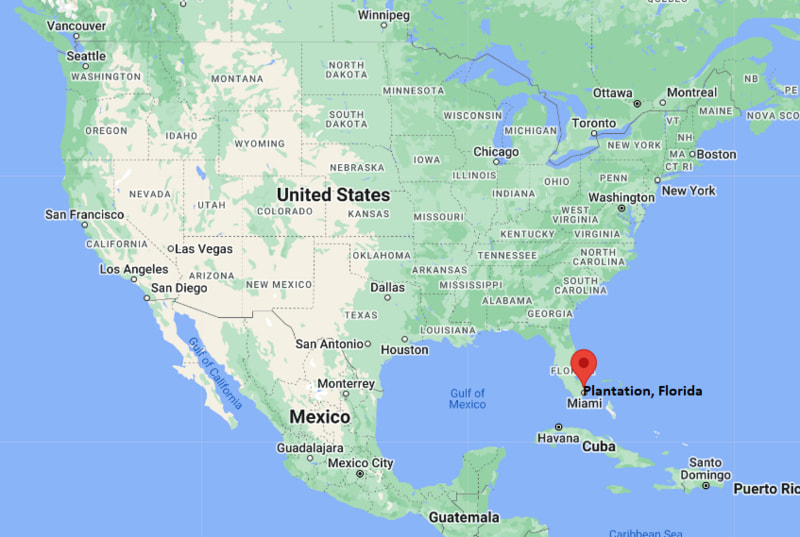
The most direct answer to “Where is Plantation in Florida?” is that it is a prominent city situated in Broward County, a central component of the sprawling South Florida metropolitan area. Incorporated in 1953, the city of Plantation has evolved from its humble beginnings as a planned community built on former agricultural lands into a thriving urban center known for its lush landscapes, excellent quality of life, and strategic location. It stands as a testament to Florida’s remarkable growth and transformation, offering a sophisticated blend of residential charm, commercial vitality, and recreational opportunities.
Geographic Heartbeat of Broward County
The city of Plantation is conveniently nestled just west of Fort Lauderdale and approximately 30 miles north of Miami. Its central position makes it an ideal base for travelers wishing to explore the myriad attractions of South Florida, from the pristine beaches of the Atlantic Coast to the wild expanse of the Everglades. The city benefits from excellent accessibility via major highways, including I-595, I-75, and the Florida’s Turnpike, ensuring seamless connections to airports, cruise ports, and other popular destinations. Its geographic advantage, combined with a well-developed infrastructure, solidifies Plantation’s role as a significant hub within Broward County and the broader South Florida region.
What to Explore in Plantation City
For travelers, the city of Plantation presents a welcoming array of activities and sights that cater to various interests. It’s a destination that prides itself on its beautifully maintained green spaces, diverse culinary scene, and a relaxed, suburban atmosphere that contrasts with the bustling energy of nearby metropolitan centers.
Shopping enthusiasts will find their paradise at Sawgrass Mills Mall, one of the largest outlet and value retail destinations in the United States, located just a short drive from Plantation. This expansive complex offers hundreds of brand-name stores, dining options, and entertainment venues, making it a full-day excursion for many visitors. Within Plantation itself, smaller shopping centers and boutiques provide a more localized retail experience, alongside a wide selection of restaurants ranging from casual eateries to upscale dining, reflecting the city’s diverse population.
Beyond retail, Plantation boasts a vibrant cultural and recreational scene. The Plantation Historical Museum offers a fascinating glimpse into the city’s development and the broader history of the area, featuring exhibits on early settlers, local industries, and the growth of the community. Art and live entertainment can often be found at various community centers and local venues, contributing to the city’s engaging atmosphere.
Family-Friendly Fun and Green Spaces
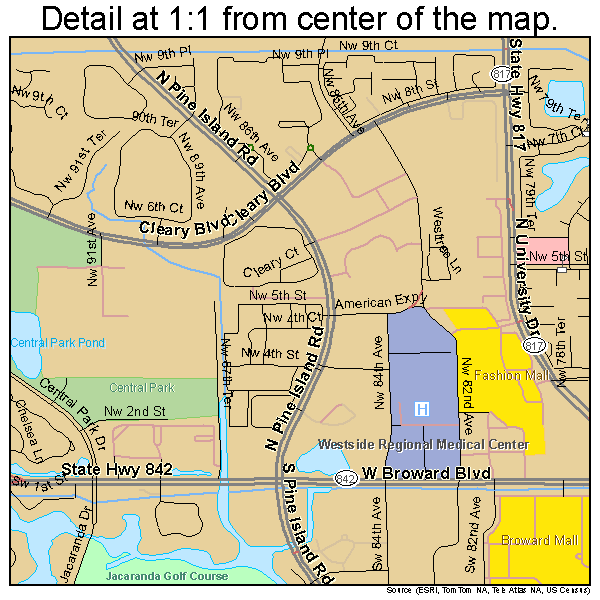
Families traveling to Plantation will discover an abundance of parks and recreational facilities designed to entertain all ages. The city is renowned for its commitment to maintaining lush, accessible green spaces, earning it the designation of “Tree City USA” for many consecutive years.
- Plantation Central Park: As the crown jewel of the city’s park system, Plantation Central Park is a sprawling complex offering something for everyone. It features multiple sports fields, a community pool, playgrounds, and extensive walking and jogging paths. The Frank V. Veltri Tennis Center, located within the park, is a world-class facility that hosts numerous tournaments and offers lessons, attracting tennis enthusiasts from all over.
- Plantation Preserve Linear Park: This unique park is built along a protected natural wetland area, providing a serene escape into Florida’s native flora and fauna. With boardwalks, nature trails, and observation platforms, it’s an excellent spot for birdwatching, leisurely strolls, or simply enjoying the tranquility of nature away from the urban bustle. The park also includes an 18-hole championship golf course, appealing to golfers seeking a scenic and challenging round.
These parks, along with numerous neighborhood parks, underscore Plantation’s dedication to outdoor living and provide ample opportunities for recreation and relaxation, making it an attractive destination for families and individuals alike.
Beyond the City Limits: Florida’s Historical Plantations
While the city of Plantation is a modern urban center, the term “plantation” in Florida also refers to historical sites that offer a poignant look into the state’s agricultural and social past. These sites, often preserved and interpreted by state or national park services, are vital for understanding the complex history of Florida, including the institution of slavery, the lives of landowners and laborers, and the evolution of agricultural practices.
Kingsley Plantation: A Glimpse into the Past
One of the most significant and well-preserved historical plantation sites in Florida is Kingsley Plantation. Located on Fort George Island near Jacksonville, it is part of the Timucuan Ecological and Historic Preserve, managed by the National Park Service. Kingsley Plantation stands as the oldest surviving plantation house in Florida, dating back to 1798.
This site offers a rare opportunity to explore the remnants of a working plantation, including the planter’s house, a kitchen house, a barn, and the unique, semi-circular row of 23 tabby slave cabins. The story of Kingsley Plantation is particularly compelling due to the lives of its former owners, Zephaniah Kingsley Jr., and his African wife, Anna Kingsley, who was once enslaved. Their complex relationship and the societal norms of the period provide rich material for understanding race, freedom, and class in early Florida. Visitors can walk through the grounds, interpret the exhibits, and reflect on the lives of those who lived and toiled there, gaining a deeper appreciation for this crucial, yet often painful, chapter of American history.
Echoes of Agriculture: Other Notable Sites
While Kingsley Plantation is the most prominent, other areas in Florida bear the historical footprint of plantation agriculture.
- North Florida’s Tallahassee Region: The area around Tallahassee was historically rich with cotton and other agricultural plantations. While many of the original structures are gone or are now private residences, some, like the Alfred B. Maclay Gardens State Park, showcase the opulent gardens and estate grounds that once characterized this region, albeit without the explicit historical focus on the plantation system’s labor force.
- Paynes Prairie Preserve State Park near Gainesville: This vast preserve encompasses not only incredible biodiversity but also historical remnants of plantations and a Seminole village. While not a preserved plantation in the traditional sense, the park’s history includes Spanish cattle ranches and later American plantations, offering a different perspective on land use and settlement in Florida.
These sites, though varied in their presentation, collectively contribute to a comprehensive understanding of Florida’s past, from its indigenous roots to colonial influences and the era of intensive agriculture.
Understanding the Legacy: Education and Preservation
Visiting historical plantation sites is more than just sightseeing; it’s an educational journey that challenges visitors to confront the realities of the past. These sites serve as crucial platforms for discussing the complexities of American history, including slavery, economic development, and social structures. Preservation efforts ensure that these stories are not lost, offering future generations the opportunity to learn from history and reflect on its enduring impact. For travelers, engaging with these historical landscapes provides a deeper, more nuanced appreciation of Florida beyond its sun-drenched beaches and theme parks.
Planning Your “Plantation” Journey in the Sunshine State
Whether your interest lies in the modern amenities of the city of Plantation or the historical insights offered by Florida’s past plantations, careful planning will enhance your travel experience.
Best Time to Visit
Florida enjoys a subtropical to tropical climate, making it an attractive destination year-round. However, the best time to visit South Florida for comfortable weather is generally from November to April. During these months, temperatures are milder, humidity is lower, and the chances of rain are minimal, ideal for exploring parks, historical sites, and outdoor attractions. The summer months (May to October) bring higher temperatures, humidity, and daily afternoon thunderstorms, which can impact outdoor plans. If visiting historical sites, be prepared for walking and sun exposure regardless of the season.
Getting Around Florida
For travelers focusing on the city of Plantation and its surroundings, renting a car is highly recommended. South Florida is a sprawling area, and public transportation can be limited for exploring beyond central hubs. A car provides the flexibility to visit Fort Lauderdale beaches, Miami’s vibrant neighborhoods, the Everglades, and of course, Sawgrass Mills Mall with ease.
If your itinerary includes historical plantations like Kingsley Plantation near Jacksonville or other sites in North Florida, a car is essential for covering the distances between destinations. Florida’s highway system is well-maintained, connecting major cities like Orlando, Tampa, St. Augustine, and Tallahassee.
Accommodations and Dining Recommendations
The city of Plantation offers a wide range of accommodation options, from well-known hotel chains to boutique stays, catering to various budgets and preferences. Its proximity to Fort Lauderdale means visitors also have access to an even broader selection of luxury resorts and beachfront hotels. When it comes to dining, Plantation is a culinary melting pot, featuring everything from classic American diners to international cuisine, seafood restaurants, and trendy cafes. Don’t miss the opportunity to sample fresh Florida seafood and discover local flavors.
For those venturing to North Florida to explore historical sites, lodging and dining options can be found in nearby cities like Jacksonville or St. Augustine, both of which offer a rich historical atmosphere and diverse culinary scene.
The Enduring Charm and Complexities of Florida’s “Plantations”
The journey to discover “Where is Plantation in Florida?” leads to a fascinating exploration of both the modern and historical facets of the state. It underscores Florida’s capacity for reinvention while honoring its past.
From Agriculture to Urban Development
The evolution of the term “plantation” within Florida reflects the state’s broader transformation. The city of Plantation, with its verdant landscapes and suburban comfort, symbolizes Florida’s shift from an agrarian economy to a hub of tourism, commerce, and residential growth. Its name, derived from the developer’s vision of a “plantation of homes,” speaks to an idealized, idyllic living environment that contrasts sharply with the arduous realities of historical agricultural plantations. This duality presents travelers with a unique opportunity to witness the historical trajectory of a region.
Embracing History Responsibly
When visiting historical plantation sites, travelers are encouraged to engage with the stories presented with an open mind and a spirit of inquiry. These sites are not merely relics of a bygone era; they are living narratives that continue to shape contemporary society. By understanding the full spectrum of experiences that took place on these lands—from the lives of the enslaved to the economic systems they supported—visitors can contribute to a more complete and empathetic understanding of history.
In conclusion, “Where is Plantation in Florida?” invites a comprehensive exploration. It’s a modern city offering convenience and recreation in South Florida, and it’s also a gateway to profound historical sites that tell the nuanced story of the state’s development. Both aspects offer rich, insightful travel experiences for those seeking to understand the diverse tapestry of the Sunshine State.
LifeOutOfTheBox is a participant in the Amazon Services LLC Associates Program, an affiliate advertising program designed to provide a means for sites to earn advertising fees by advertising and linking to Amazon.com. Amazon, the Amazon logo, AmazonSupply, and the AmazonSupply logo are trademarks of Amazon.com, Inc. or its affiliates. As an Amazon Associate we earn affiliate commissions from qualifying purchases.