
The name “Big Bend” conjures images of majestic curves and sprawling landscapes, but for many travelers, its precise location within the Sunshine State remains a mystery. Unlike the well-trodden paths of South Florida or the bustling resorts of the Panhandle, the Big Bend region offers a distinctive, tranquil slice of authentic Florida—a truly unspoiled coastal frontier where nature reigns supreme and time slows to the rhythm of the tides. This comprehensive guide will navigate you through the geographical nuances, cultural highlights, and unparalleled travel experiences that define Florida’s captivating Big Bend.
Unveiling Florida’s Unspoiled Coastline: Defining the Big Bend
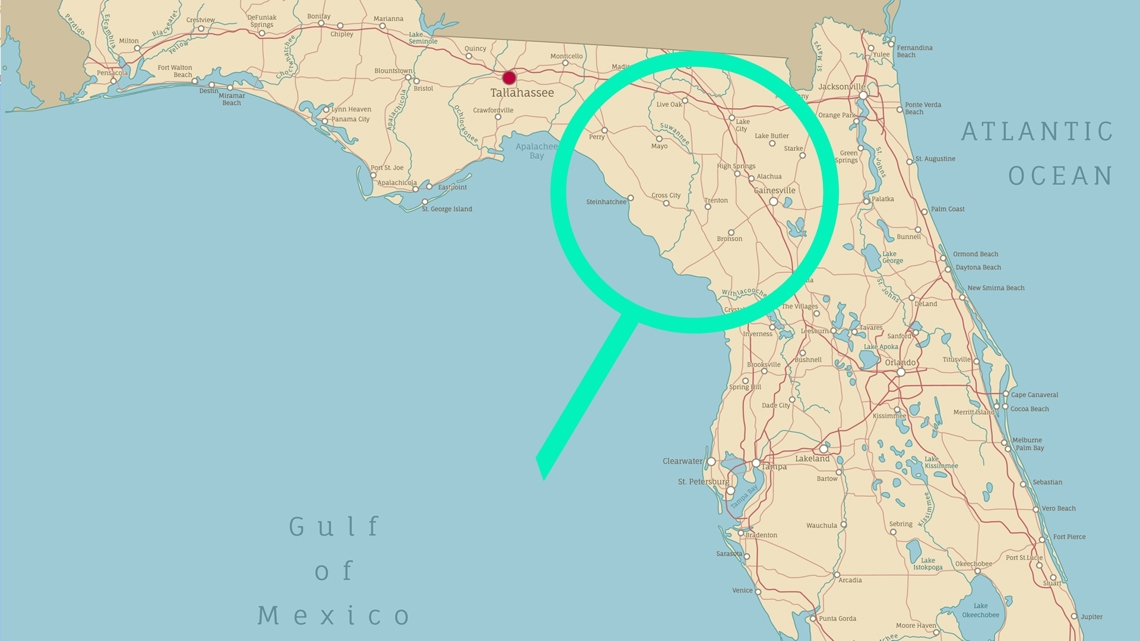
The Big Bend of Florida refers to the expansive curve in the state’s coastline where the Florida Panhandle meets the peninsula. Specifically, it encompasses the coast from roughly St. Marks in the northwest down to the vicinity of Cedar Key in the southeast. This region is unique because, unlike much of Florida’s coast, it features very few sandy beaches. Instead, its shoreline is characterized by vast expanses of salt marshes, tidal flats, oyster bars, and a complex network of estuarine habitats. This natural buffer has largely protected the area from the intense commercial development seen elsewhere, preserving its pristine wilderness and laid-back charm.

Geographical Overview and Unique Characteristics
Geographically, the Big Bend covers parts of several counties, including Wakulla, Taylor, Dixie, and Levy. Its unique concave shape along the Gulf of Mexico creates a distinct ecosystem, often referred to as the “Nature Coast.” Here, freshwater springs bubble up, feeding clear rivers that meander through dense forests before emptying into the Gulf. The shallow, productive waters are teeming with marine life, making it a critical nursery for numerous species and a paradise for anglers and wildlife enthusiasts. This segment of the Florida coast is markedly different from the sandy beaches of Miami or the Emerald Coast, offering an experience defined by raw, untamed natural beauty.
The Allure of an Untamed Landscape
The undeniable allure of the Big Bend lies in its wildness. It’s a place where the human footprint is light, and the rhythms of nature dictate the pace of life. Travelers seeking an escape from crowds, traffic, and high-rise developments will find solace in its vast, open spaces. The beauty here is subtle but profound: sweeping sunsets over marshlands, the silence broken only by birdsong, and the scent of salt air mingling with pine. It’s a destination for those who appreciate authentic experiences, connecting with the environment, and discovering the hidden gems of a less-explored Florida.
A Haven for Nature Enthusiasts and Outdoor Adventurers
The Big Bend is a playground for anyone passionate about the outdoors. Its diverse habitats support an incredible array of flora and fauna, offering endless opportunities for exploration and discovery. From the depths of crystal-clear springs to the expansive waters of the Gulf, every corner holds a new adventure.
Exploring Diverse Ecosystems: From Gulf Waters to Pine Forests
One of the region’s most significant ecological treasures is the St. Marks National Wildlife Refuge, a sprawling protected area crucial for migratory birds along the Atlantic Flyway. Visitors can explore its diverse habitats, including coastal marshes, tidal creeks, and pine forests, on foot, by bike, or by car. The refuge is a prime spot for birdwatching, particularly during migration seasons when thousands of waterfowl and wading birds congregate. Inland, the landscape transitions to dense forests of longleaf pine, cypress, and hardwoods, crisscrossed by spring-fed rivers like the Suwannee, Fenholloway, Econfina, and Aucilla Rivers, offering different yet equally captivating natural experiences.
Aquatic Adventures: Fishing, Scalloping, and Paddling Paradise
The Big Bend’s shallow Gulf waters are legendary among anglers. Fishing here is a year-round activity, with abundant catches of redfish, trout, flounder, and cobia. Charter boats and local guides are readily available in towns like Steinhatchee and Cedar Key, catering to both experienced and novice fishermen.
Perhaps the most iconic aquatic adventure is scalloping, particularly from late summer into early fall. Towns such as Steinhatchee and Keaton Beach transform into bustling hubs as families and friends don snorkeling gear to dive for these delicious bivalves. It’s an unforgettable experience, combining treasure hunting with a fresh seafood reward.
For paddlers, the Big Bend offers a network of designated paddling trails that wind through mangrove tunnels, across open bays, and along serene rivers. Kayaking and canoeing provide an intimate way to explore the region’s estuaries, observe wildlife up close, and discover hidden coves and springs. The clear waters of the Wakulla River, originating from Wakulla Springs State Park, are particularly popular for transparent kayaking and paddleboarding, offering views into the spring’s depths.
Terrestrial Trails: Hiking, Biking, and Birdwatching
Beyond the water, the Big Bend boasts numerous opportunities for land-based exploration. Miles of hiking and biking trails weave through wildlife refuges and state parks, allowing visitors to immerse themselves in the region’s diverse ecosystems. The Florida Trail, a national scenic trail, passes through parts of the Big Bend, offering challenging segments for long-distance hikers and shorter loops for day-trippers.
Birdwatching is a premier activity, with the coastal marshes and forests serving as vital habitats for an incredible array of species. From bald eagles soaring overhead to painted buntings flitting through the undergrowth, the region is a birder’s paradise. Designated viewing platforms and trails within areas like the St. Marks National Wildlife Refuge provide excellent vantage points.
Charming Coastal Towns and Hidden Gems
The Big Bend is dotted with small, character-filled towns that embody the region’s relaxed pace and rich heritage. Each offers a unique flavor and serves as a gateway to different aspects of the natural environment.
Cedar Key: A Quaint Island Escape
Cedar Key is arguably the most famous and picturesque town in the Big Bend. This historic island community, located at the southern end of the region, is known for its charming clapboard houses, vibrant arts scene, and incredible seafood. As Florida’s second-oldest city, it boasts a rich history tied to fishing, oystering, and pencil manufacturing. Visitors can stroll along Dock Street, browse local art galleries, enjoy fresh clams (the town is a major clam aquaculture center), or take a boat tour of the surrounding islands. The sunsets over the Gulf from Cedar Key are legendary.
Steinhatchee and Keaton Beach: Scalloping and Fishing Hotspots
Further north, Steinhatchee and Keaton Beach are quintessential Florida fishing villages, particularly renowned for their scalloping season. Steinhatchee, often called the “Scallop Capital,” is a vibrant community during peak seasons, with marinas bustling and seafood restaurants serving up the day’s fresh catch. Both towns offer excellent access to the Gulf for fishing and scalloping charters, and their laid-back atmosphere is perfect for a truly authentic coastal experience.
St. Marks and Wakulla Springs: Natural Wonders
The small town of St. Marks sits at the confluence of the St. Marks River and Apalachee Bay, serving as a gateway to the famous St. Marks National Wildlife Refuge and its historic lighthouse. It’s a peaceful community with a rich maritime history, offering opportunities for fishing and birdwatching.
Just a short drive north of the coast lies Wakulla Springs State Park, home to one of the largest and deepest freshwater springs in the world. Visitors can take a glass-bottom boat tour to view ancient mastodon bones and abundant wildlife, swim in the refreshing spring waters, or explore miles of hiking trails through old-growth forests. It’s an iconic natural attraction that perfectly complements the coastal experiences of the Big Bend.
Other Notable Locales and Gateways
Other smaller communities like Horseshoe Beach in Dixie County offer even more remote and untouched glimpses of the Big Bend. While not directly on the coast, Tallahassee, Florida’s capital, serves as a convenient northern gateway, providing amenities and a broader range of dining and accommodation options before heading into the more rural coastal areas. The inland city of Perry, the “Forest Capital of Florida,” offers a different perspective on the region’s natural resources and logging heritage.
Planning Your Big Bend Escape: Travel Tips and Considerations
A trip to Florida’s Big Bend requires a slightly different approach than visiting its more commercialized counterparts. It’s about embracing simplicity, nature, and the authentic pace of rural coastal life.
Best Time to Visit and What to Pack
The best time to visit the Big Bend is during the cooler, drier months from late fall to spring (October to May). Temperatures are pleasant, humidity is lower, and mosquitoes are less prevalent. Summer can be hot and humid, but it’s also prime scalloping season and an excellent time for water activities.
Packing essentials should include insect repellent, sunscreen, a hat, comfortable shoes for walking, and quick-drying clothing. If you plan on scalloping or paddling, bring appropriate gear (snorkeling equipment, water shoes). Binoculars are a must for birdwatchers and wildlife enthusiasts.
Embracing the Local Pace and Sustainable Travel
The Big Bend is a place to slow down and savor the moments. Don’t expect bustling nightlife or extensive shopping malls. Instead, prepare for quiet evenings under starry skies, fresh seafood dinners at local eateries, and days filled with outdoor exploration. Engage with locals, who are often keen to share their love for the region.
Sustainable travel practices are particularly important here. Respect wildlife by maintaining a safe distance and never feeding animals. Stay on marked trails, properly dispose of all waste, and be mindful of delicate ecosystems, especially the salt marshes and spring systems. Your actions help preserve this unique corner of Florida for future generations.
Getting There and Around
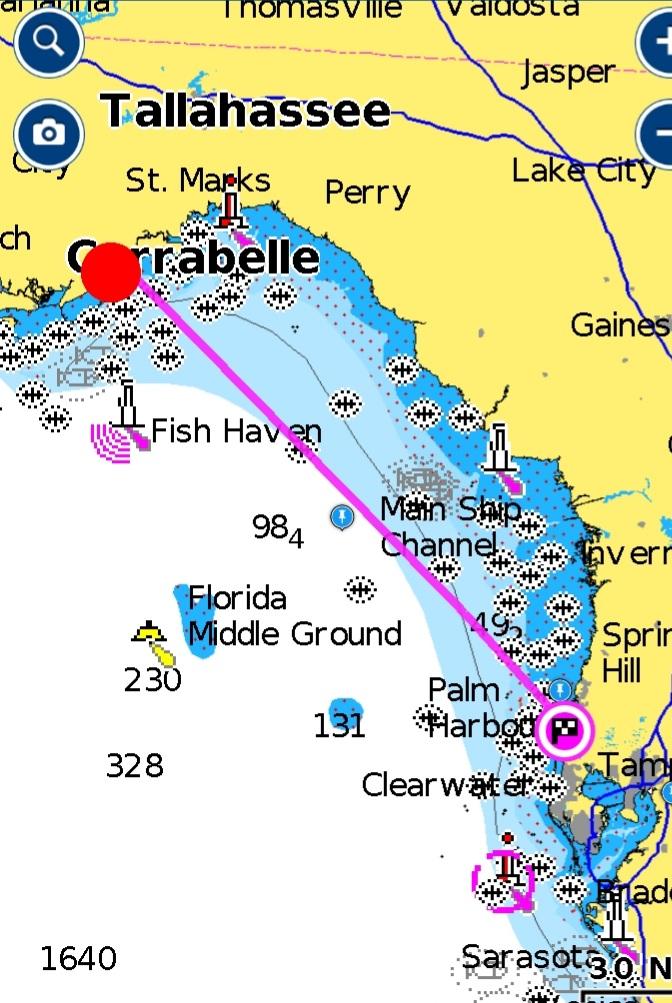
Access to the Big Bend is primarily by car. Major highways like U.S. 98 and U.S. 19/27 skirt the region, with smaller state roads leading to coastal towns and natural areas. Rental cars are recommended as public transportation is extremely limited. The nearest major airports are Tallahassee International Airport (TLH) to the north and Gainesville Regional Airport (GNV) or Tampa International Airport (TPA) further south, depending on your specific destination within the Big Bend. Many of the small towns are easily walkable or bikeable, but a vehicle is essential for exploring the broader region’s natural attractions.
In conclusion, the Big Bend of Florida is a magnificent, largely undiscovered gem. It’s a destination for travelers yearning for genuine connection with nature, seeking solace in untamed landscapes, and eager to experience a different, slower side of the Sunshine State. Its unique geographical position and commitment to preservation make it a truly special place, beckoning adventurers to uncover its wild beauty.
LifeOutOfTheBox is a participant in the Amazon Services LLC Associates Program, an affiliate advertising program designed to provide a means for sites to earn advertising fees by advertising and linking to Amazon.com. Amazon, the Amazon logo, AmazonSupply, and the AmazonSupply logo are trademarks of Amazon.com, Inc. or its affiliates. As an Amazon Associate we earn affiliate commissions from qualifying purchases.