
Florida, the “Fishing Capital of the World,” beckons anglers from across the globe with its unparalleled diversity of freshwater and saltwater fishing opportunities. From the serene, expansive Lake Okeechobee to the teeming waters of the Gulf of Mexico and the Atlantic Ocean, the state offers an aquatic paradise for every enthusiast. However, to legally partake in this cherished pastime and contribute to the conservation of Florida’s rich marine and freshwater ecosystems, obtaining a fishing license is a mandatory first step for most individuals. Navigating the process of acquiring one can seem daunting, but it is, in fact, remarkably straightforward once you understand the various avenues available. This comprehensive guide will illuminate precisely where and how to secure your Florida fishing license, ensuring your angling adventure is both enjoyable and fully compliant with state regulations.
The Indispensable Need for a Florida Fishing License
Before casting your line into the abundant waters of the Sunshine State, understanding the fundamental reasons behind the licensing requirement and the distinct types of licenses available is paramount. This foundational knowledge ensures you select the correct permit for your intended fishing activities and appreciate the broader conservation efforts it supports.
Why Florida’s Waters Demand Regulation
The vast and intricate aquatic environments of Florida are delicate ecosystems that require careful management to sustain their biodiversity and ensure their health for future generations. Revenue generated from the sale of fishing licenses directly funds critical conservation programs managed by the Florida Fish and Wildlife Conservation Commission (FWC). These initiatives include habitat restoration, fisheries research, enforcement of fishing regulations, and public education. Without these funds, the very resources that make Florida a premier fishing destination would quickly diminish. Therefore, purchasing a license is not merely a legal obligation but a direct contribution to the stewardship of one of the state’s most valuable natural assets. It ensures that the thrill of catching a snook in Miami or a largemouth bass near Orlando remains a possibility for years to come.
Understanding License Types and Requirements
Florida offers a variety of fishing licenses tailored to different needs, primarily categorized by residency status and the type of water (freshwater or saltwater) you plan to fish in. A separate license is typically required for freshwater and saltwater fishing, although combination licenses are available for convenience.
- Freshwater Fishing License: Required for fishing in inland waters, including lakes, rivers, and ponds. This covers popular species like largemouth bass, crappie, and bluegill.
- Saltwater Fishing License: Necessary for fishing in marine waters, which include bays, estuaries, and the open ocean. Species targeted here range from redfish and trout to snapper and grouper.
- Combination Licenses: Often provide the best value, allowing anglers to fish in both freshwater and saltwater environments with a single permit.
- Resident vs. Non-Resident: The state distinguishes between residents and non-residents, with different pricing structures reflecting this. To qualify as a Florida resident, you must be a U.S. citizen or a legal alien who has resided in Florida for six continuous months immediately preceding the application for a license.
- Short-Term vs. Annual Licenses: Non-residents often have the option to purchase shorter-term licenses (e.g., 3-day, 7-day) which are ideal for vacationers or those visiting for a specific fishing trip to destinations like Key West or Tampa. Residents primarily opt for annual licenses.
When applying for any license, you will typically need to provide personal information such as your full name, date of birth, address, and a valid form of identification (e.g., driver’s license, state ID). Non-residents will also need proof of their home state residency.
Your Digital Gateway: Buying Online and By Phone
In an age of digital convenience, purchasing your Florida fishing license has never been easier. The FWC has streamlined the process, offering efficient online and telephonic options that allow you to secure your license from anywhere, at any time.
The Official FWC Online Licensing System
The most popular and convenient method for acquiring a Florida fishing license is through the official FWC website. This platform is user-friendly and guides you through each step, making it ideal for both residents and visitors planning their trip.
To purchase online, simply visit the GoOutdoors Florida section of the FWC website. You will be prompted to:
- Create an Account or Log In: If you’re a first-time user, you’ll need to create an account by providing basic personal details. Returning users can log in with their existing credentials.
- Select License Type: Choose between freshwater, saltwater, or combination licenses, specifying resident or non-resident status and the desired duration (e.g., annual, 3-day, 7-day).
- Provide Information: Enter necessary personal details, including your date of birth, address, and any identifying numbers (like a Florida driver’s license number or a U.S. Social Security Number for residents, or proof of non-residency for visitors).
- Payment: Complete the transaction using a major credit or debit card.
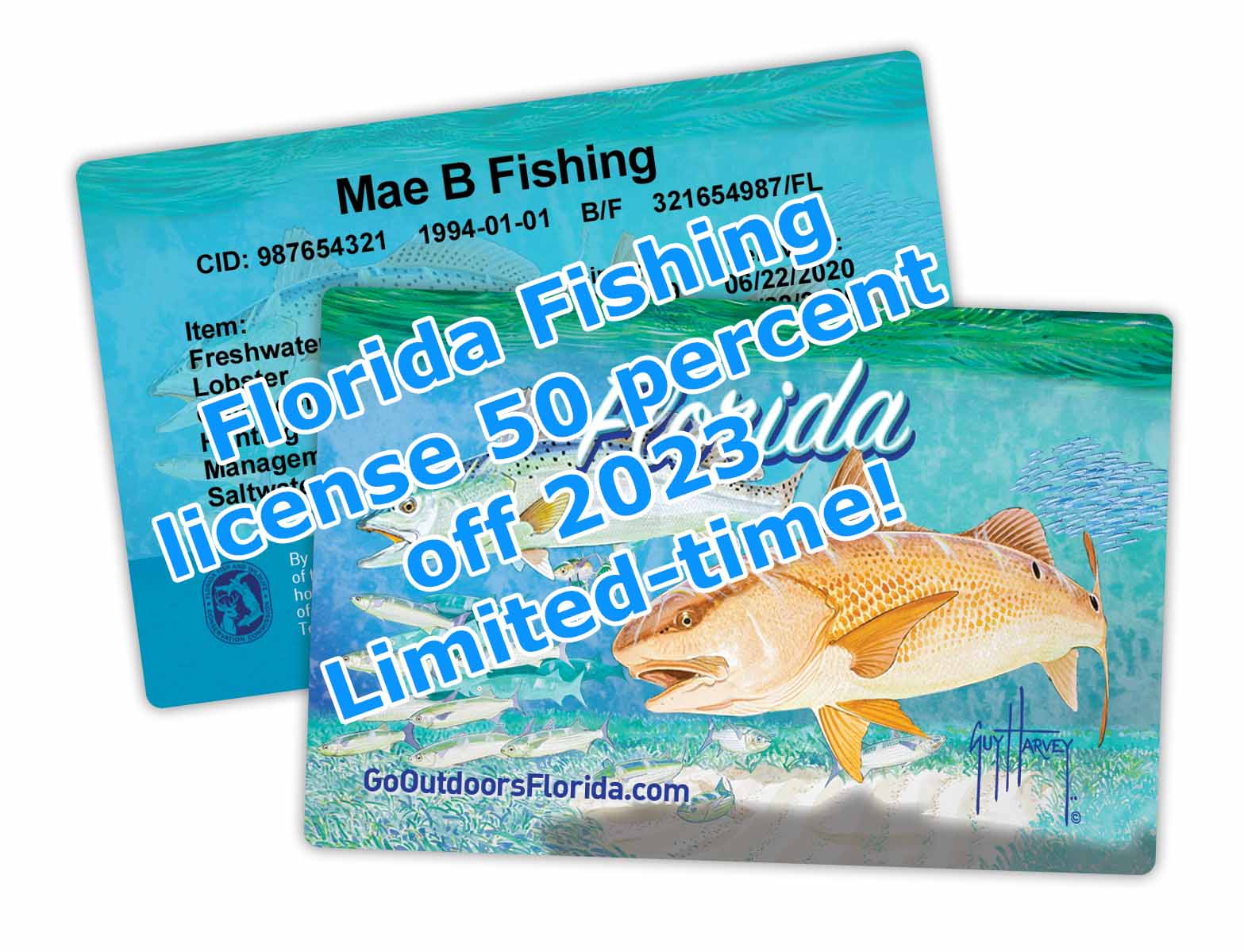
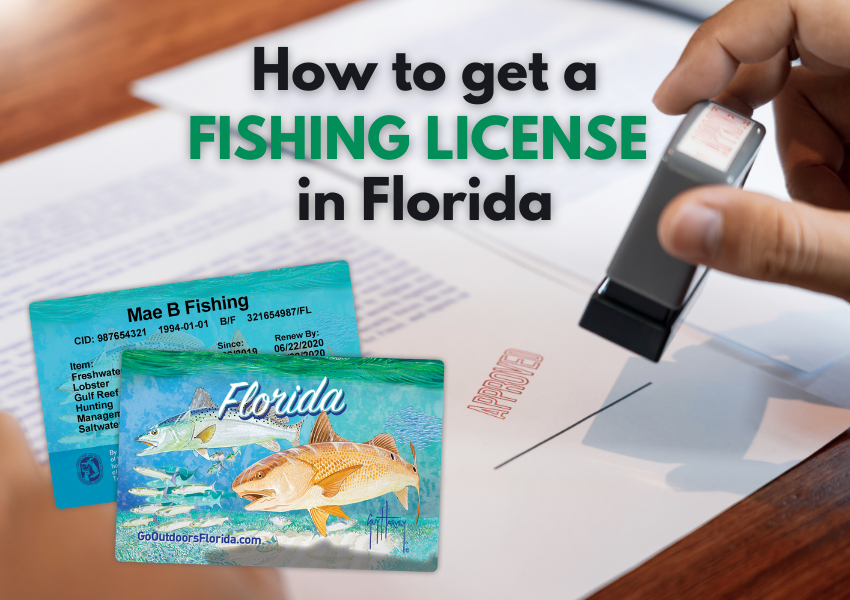
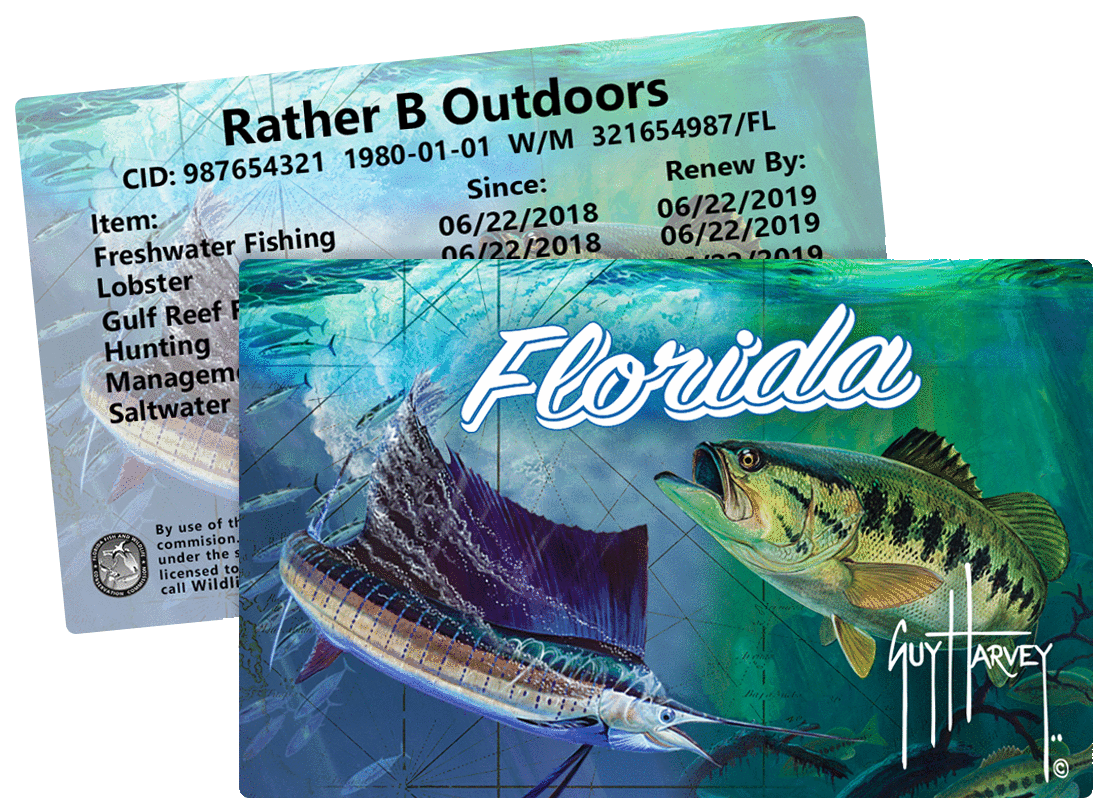
- Print or Save: Once the purchase is complete, you will receive an immediate confirmation and a temporary license that you can print out or save on your mobile device. Your official license, often a credit card-style permit, will typically be mailed to you within a few weeks, though the temporary permit is valid for immediate use.
The online system is available 24/7, offering unparalleled flexibility, especially for those making last-minute plans or arriving from different time zones.
Purchasing Over the Phone: A Convenient Alternative
For those who prefer a more direct, verbal interaction or face challenges with online navigation, the FWC also provides a telephone purchasing option. This method offers a similar level of convenience as online purchasing, allowing you to acquire your license without visiting a physical location.
To purchase over the phone, you can call the FWC’s toll-free number. A customer service representative will guide you through the process, asking for the necessary personal information and license preferences. Have your identification details and payment method (credit or debit card) ready before you call to expedite the process. Similar to online purchases, you will receive a confirmation number that serves as your temporary license, valid until your physical license arrives by mail. This option is particularly helpful for individuals who may not have immediate internet access or prefer speaking directly with an agent to clarify any questions about license types or regulations.
In-Person Options: Traditional and Accessible
While digital methods offer convenience, many anglers still appreciate the traditional approach of purchasing a license in person. Florida offers numerous physical locations where you can obtain your fishing permit, providing opportunities for direct assistance and immediate possession of your license.
Florida County Tax Collectors’ Offices
Every county in Florida has a Tax Collector’s Office, and these are primary locations for purchasing fishing licenses. These governmental offices are equipped to handle a variety of state services, including the issuance of recreational licenses.
Visiting a Tax Collector’s Office allows you to:
- Receive Personalized Assistance: Staff can help you determine the correct license type for your needs and answer any specific questions about local regulations or exemptions.
- Immediate Issuance: You will typically receive your physical license on the spot, eliminating the wait for mail delivery.
- Multiple Payment Options: Most offices accept various forms of payment, including cash, checks, and credit/debit cards.
Before visiting, it’s advisable to check the operating hours of your local County Tax Collector’s Office and confirm what forms of identification and payment they accept. You can find a comprehensive list of these offices and their contact information on the FWC website or through a quick online search for the “Tax Collector” in your specific Florida county.
Authorized Retailers: Your Local Hubs
Beyond government offices, a vast network of authorized retailers across Florida also sells fishing licenses. These include many sporting goods stores, bait and tackle shops, and even some large chain retailers. This option is often the most convenient for anglers who are already out and about or need to pick up tackle and bait at the same time.
Common retailers where you can buy a Florida fishing license include:
- Sporting Goods Stores: Chains like Bass Pro Shops and Dick’s Sporting Goods are excellent resources, often staffed by knowledgeable outdoor enthusiasts.
- Bait and Tackle Shops: These local businesses are invaluable, offering not only licenses but also expert advice on local fishing conditions, popular baits, and hotspots. They are often found near prime fishing locations, from the Everglades to coastal towns.
- Large Retailers: Many Walmart locations and other similar big-box stores that have a sporting goods department also carry fishing licenses.
When purchasing from a retailer, be prepared to provide the same personal information as you would online or over the phone. You will typically receive a printed license instantly. This method is particularly useful for tourists who might be unfamiliar with the area and are looking for a quick and accessible option before heading out to the water.
Navigating License Specifics: Costs, Validity, and Exemptions
Understanding the nuances of license costs, validity periods, and who might be exempt from needing a license is crucial for a hassle-free fishing experience in Florida. These details can significantly impact your planning and budget.
Residency and Non-Residency: What You Need to Know
As mentioned, Florida differentiates between residents and non-residents, with residents generally enjoying lower license fees.
- Florida Resident Definition: To qualify as a Florida resident for licensing purposes, you must demonstrate continuous residency in the state for six months or more. This usually requires presenting a Florida driver’s license or identification card, or other proof of residency.
- Non-Resident Status: Anyone who does not meet the Florida residency criteria is considered a non-resident. Non-resident licenses are generally more expensive but offer shorter-term options (e.g., 3-day, 7-day) that are perfect for visitors on a fishing vacation.
It’s vital to truthfully declare your residency status, as misrepresentation can lead to fines and legal consequences.
License Durations and Pricing Structure
The cost of a Florida fishing license varies based on its type (freshwater, saltwater, or combination), duration, and your residency status. While specific prices can change, here’s a general overview of typical options:
- Annual Licenses: These are the most common for residents and offer the best value for frequent anglers. Non-residents can also purchase annual licenses if they plan extended or multiple visits.
- Short-Term Non-Resident Licenses: Designed for tourists, these typically come in 3-day or 7-day increments, allowing flexibility for short trips.
- Special Permits and Endorsements: Depending on specific fishing activities, such as snook or lobster, additional permits or endorsements may be required on top of your base license. Always check the FWC regulations for details on targeted species.
The FWC website is the definitive source for current pricing and any additional fees. Be aware that convenience fees may apply to online or phone purchases, and some retailers might add a small service charge.
Who is Exempt? Key Exceptions to the Rule
While a license is generally required, certain individuals are exempt under specific conditions:
- Children Under 16: Any person under the age of 16 is not required to have a Florida fishing license. This encourages youth participation in outdoor activities.
- Florida Residents Fishing from Shore/Fixed Structure (Saltwater): Florida residents who are fishing for saltwater species from the shore or a fixed structure (like a pier that does not charge a fishing fee) are exempt from the saltwater fishing license requirement. However, this exemption does not apply to fishing from a boat or any other floating structure.
- Persons Fishing from a Licensed Pier/Charter: If you are fishing from a public pier that has a valid pier fishing license, or if you are part of a licensed charter boat or fishing guide service, your individual fishing license may be covered by the operation’s license. Always confirm this with the pier management or charter captain beforehand.
- Military Personnel: Active duty military personnel who are Florida residents may qualify for certain exemptions or reduced fees.
- Senior Residents: Florida residents 65 years of age or older can obtain a complimentary annual hunting and fishing certificate, often referred to as a “Lifetime License” for seniors.
It’s crucial to verify your eligibility for any exemption through official FWC sources, as rules can occasionally change, and misinterpreting them can lead to penalties.
Essential Tips for a Rewarding Florida Fishing Experience
Beyond simply acquiring a license, a truly rewarding Florida fishing experience requires adherence to regulations and an understanding of the state’s conservation ethos.
Know Before You Go: Regulations and Seasons
Possessing a license is only one part of responsible angling. Florida has comprehensive fishing regulations that dictate catch limits, size restrictions, closed seasons for certain species, and gear restrictions. These rules are in place to ensure sustainable fish populations and protect vulnerable species.
- Research Regulations: Before each trip, consult the FWC’s official fishing regulations handbook, available online or in print at license vendors. Regulations can vary by region and species, so staying informed is vital.
- Seasonality: Be aware of open and closed seasons for specific fish. For instance, snook have distinct closed seasons throughout the year to protect them during spawning.
- Fish Identification: Learn to correctly identify common fish species, as misidentification can lead to violations of size and bag limits.
Ignorance of the law is not an excuse, and FWC officers actively patrol Florida’s waters to enforce these regulations.
Supporting Conservation Through Licensing
Every Florida fishing license purchased plays a direct role in maintaining the state’s reputation as a world-class fishing destination. The funds collected are meticulously managed by the FWC to:
- Protect Habitats: Invest in preserving and restoring crucial fish habitats, such as seagrass beds, coral reefs, and freshwater marshes.
- Monitor Fish Populations: Conduct scientific research to assess fish stocks, ensuring sustainable harvest levels.
- Enforce Laws: Fund the enforcement efforts that deter poaching and illegal fishing activities.
- Educate the Public: Support educational programs that promote responsible angling practices and environmental stewardship.
By purchasing your license, you’re not just buying permission to fish; you’re actively investing in the future of Florida’s incredible aquatic legacy. So, whether you’re a seasoned angler or a first-time visitor, securing your Florida fishing license is your gateway to an unforgettable experience in some of the most vibrant fishing grounds on Earth. Choose the method that best suits you, understand the rules, and get ready to enjoy the rich bounty of Florida’s waters responsibly.
LifeOutOfTheBox is a participant in the Amazon Services LLC Associates Program, an affiliate advertising program designed to provide a means for sites to earn advertising fees by advertising and linking to Amazon.com. Amazon, the Amazon logo, AmazonSupply, and the AmazonSupply logo are trademarks of Amazon.com, Inc. or its affiliates. As an Amazon Associate we earn affiliate commissions from qualifying purchases.