
Divorce proceedings in Florida can be a complex and emotionally charged process, particularly when it comes to dividing marital property. Among the most significant assets often at stake is the marital home. The question of “who gets the house?” is a frequent concern for divorcing couples, and Florida law provides a framework for addressing this issue, aiming for equitable distribution.
Understanding Equitable Distribution in Florida
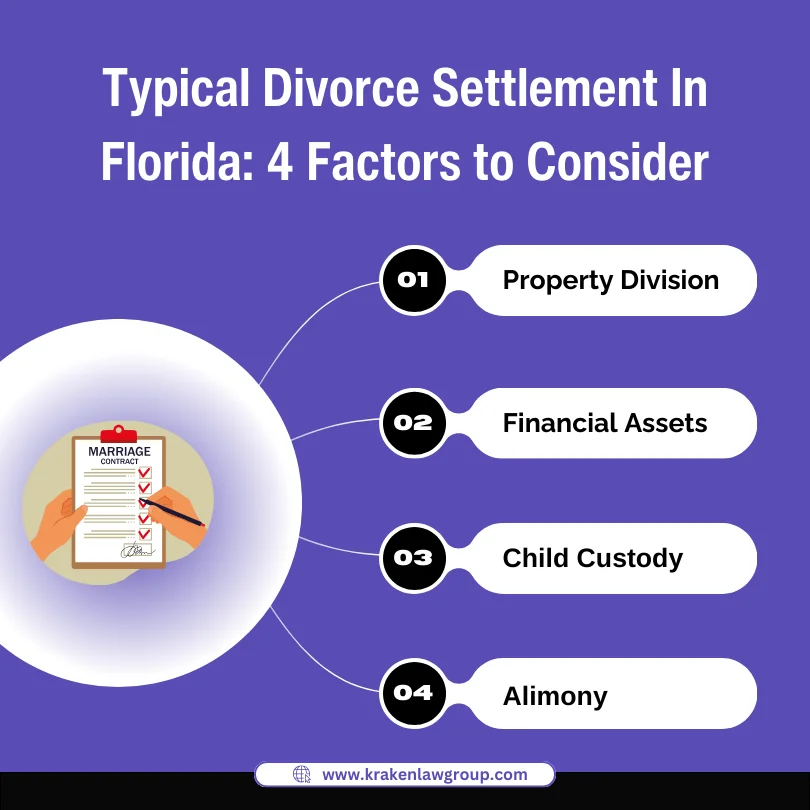
Florida operates under the principle of equitable distribution when it comes to dividing marital assets and debts. This means that marital property is divided fairly, though not necessarily equally, between the spouses. The court aims for an equitable outcome based on a variety of factors, rather than a strict 50/50 split.
What Constitutes Marital Property?
Before determining how the house will be divided, it’s crucial to establish whether it is considered marital property. Generally, any asset or debt acquired by either spouse during the marriage is presumed to be marital property, regardless of whose name is on the title. This includes the marital home, even if purchased before the marriage but significantly improved or paid down with marital funds.
Conversely, non-marital property is generally not subject to division. This can include assets owned by a spouse before the marriage, or gifts and inheritances received by one spouse during the marriage and kept separate. However, the lines can blur. If non-marital property is commingled with marital property, or if marital funds are used to improve non-marital property, it can transform into marital property.
Factors Influencing Equitable Distribution of the Marital Home
When deciding the fate of the marital home, Florida judges consider numerous factors to ensure fairness. These are not exhaustive, and the specific circumstances of each case will heavily influence the outcome.
Contributions of Each Spouse
The court will look at the financial and non-financial contributions of each spouse to the acquisition, maintenance, and improvement of the home. This includes mortgage payments, property taxes, insurance, repairs, renovations, and even the non-monetary contributions like homemaking and childcare, which allow the other spouse to focus on earning income that contributes to the marital estate.
Duration of the Marriage
Longer marriages often lead to a greater emphasis on equitable distribution that allows both parties to maintain a similar standard of living to what they enjoyed during the marriage. In shorter marriages, the court might be more inclined to award the home to the spouse who brought it into the marriage or has a greater claim based on pre-marital contributions, or allow for a sale with a division of proceeds.
Economic Circumstances of Each Spouse
A significant factor is the current and future economic viability of each spouse. If one spouse earns substantially less, has primary custody of minor children, or has limited earning potential, the court may favor awarding the home to that spouse, especially if it provides stability for the children. The ability of each spouse to afford the mortgage, taxes, insurance, and upkeep post-divorce is a critical consideration.
Custody of Minor Children
When minor children are involved, the court’s primary concern is their well-being and stability. If the marital home is where the children have grown up, moving them could be detrimental. In such cases, the court may award the use and possession of the home to the custodial parent for a specified period, until the youngest child reaches the age of majority or graduates high school, whichever is later. This does not necessarily mean that parent becomes the sole owner; often, they may be granted exclusive use and occupancy while the other spouse continues to pay or contribute to the mortgage and expenses.
Health of Each Spouse
The physical and mental health of each spouse can also play a role. A spouse with significant health issues might be less able to secure alternative housing or manage the financial responsibilities of homeownership.
Other Relevant Factors
The court may also consider:
- The desirability of awarding the family home to the spouse who has custody of minor children.
- The tax consequences of each spouse.
- Any waste or dissipation of marital assets by either spouse.
- Any other factor necessary to achieve an equitable distribution.

Options for the Marital Home in a Florida Divorce
Given the principles of equitable distribution, there are several common outcomes regarding the marital home in a Florida divorce:
1. One Spouse Buys Out the Other
This is a frequent solution where one spouse wishes to remain in the home and has the financial capacity to do so. This involves the spouse who stays in the home refinancing the mortgage in their sole name and paying the other spouse their equitable share of the equity. The equity is typically calculated by taking the home’s fair market value, subtracting any outstanding mortgage balance, and then dividing the remaining equity according to the equitable distribution formula, which could be 50/50 or another percentage determined by the court.
Refinancing Challenges
It’s important to note that refinancing can be difficult, especially if the spouse remaining in the home has a lower income or credit score. A thorough financial assessment is necessary before pursuing this option.
2. Sale of the Marital Home
If neither spouse can afford to buy out the other, or if both agree that selling is the best course of action, the home will be listed on the market. Once sold, the proceeds are used to pay off the mortgage, closing costs, and any other associated expenses. The remaining profit is then divided between the spouses according to the court’s equitable distribution order.
Joint Decision-Making or Court-Ordered Sale
The sale can be a mutually agreed-upon decision, or it can be ordered by the court if the parties cannot agree. In cases of disagreement, the court will appoint a realtor and set terms for the sale.
3. Co-Ownership (Less Common)
In rare instances, especially in amicable divorces or when children’s stability is paramount and immediate sale is not feasible, spouses may agree to continue co-owning the home for a period. This can be for a set duration, or until a specific event occurs (e.g., the youngest child graduates). This arrangement requires a high degree of trust and cooperation and can be legally and emotionally challenging to manage.
Legal Agreements for Co-Ownership
If co-ownership is pursued, a detailed legal agreement should be drafted by attorneys, outlining responsibilities for mortgage payments, taxes, insurance, maintenance, and the eventual sale or buyout process.
4. Use and Occupancy Awarded to One Spouse
As mentioned earlier, if there are minor children, the court may grant one spouse the exclusive use and occupancy of the marital home for a period. This spouse lives in the home with the children without the other spouse. During this time, the spouse residing in the home may be responsible for all or part of the expenses, or the other spouse may be ordered to continue making mortgage payments. At the end of the specified period, the home is typically sold, and the equity is divided.
What Happens After the Use and Occupancy Period?
Once the use and occupancy period concludes, the court will typically order the sale of the home. The proceeds will then be divided, taking into account any financial contributions made by either spouse during the occupancy period.

Seeking Legal Counsel for Your Divorce
Navigating the division of marital property, particularly the marital home, in a Florida divorce is intricate. The outcome is heavily dependent on the specific facts of your case and the application of Florida statutes.
It is imperative to consult with an experienced Florida divorce attorney. An attorney can help you understand your rights and obligations, assess the value of your home, negotiate with your spouse, and represent your interests in court. They can explain the nuances of equitable distribution, advise on the best course of action for your unique situation, and ensure that any agreement or court order is fair and legally sound. Proper legal guidance is essential to protect your financial future and achieve a just resolution.
LifeOutOfTheBox is a participant in the Amazon Services LLC Associates Program, an affiliate advertising program designed to provide a means for sites to earn advertising fees by advertising and linking to Amazon.com. Amazon, the Amazon logo, AmazonSupply, and the AmazonSupply logo are trademarks of Amazon.com, Inc. or its affiliates. As an Amazon Associate we earn affiliate commissions from qualifying purchases.