
Navigating daily life in Florida often hinges on the ability to drive. The sunshine state’s sprawling cities, beautiful beaches, and vast natural landscapes make personal transportation not just a convenience, but a critical component of most residents’ lifestyles. For those who face a suspension or revocation of their driving privileges, the concept of a hardship license offers a potential lifeline, allowing a limited ability to drive for essential purposes like work, school, or medical appointments. However, this isn’t a universally available option. Understanding who is not eligible for a hardship license is crucial for anyone whose lifestyle could be impacted by driving restrictions, highlighting the significant barriers that certain actions and circumstances can place on personal mobility and independence.
Understanding the Hardship License and Its Lifestyle Impact
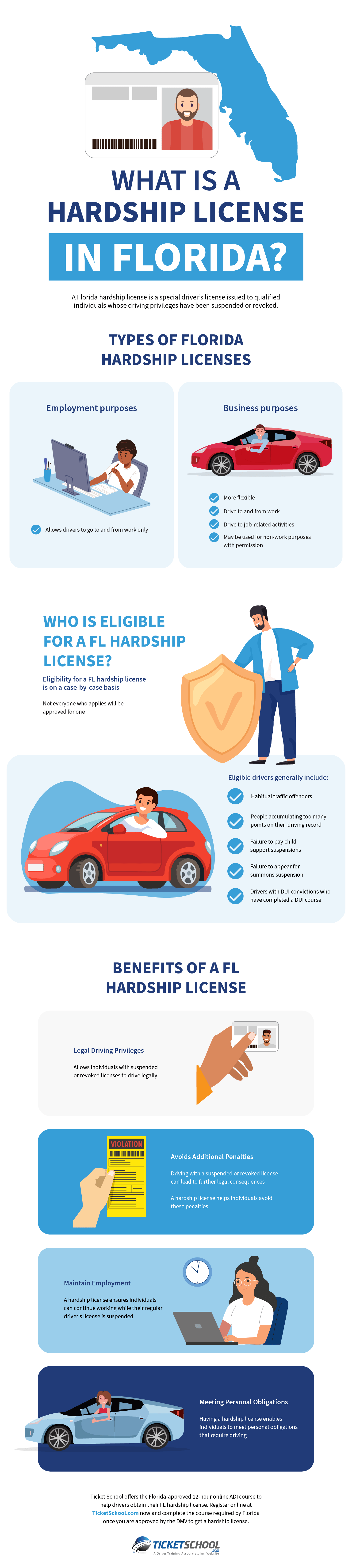
A hardship license, officially known in Florida as a “business purpose only” or “employment purpose only” license, is designed to mitigate the severe disruption that a full license suspension can have on an individual’s ability to maintain their livelihood and daily responsibilities. While it offers a glimmer of hope for many, its availability is strictly regulated, with specific criteria that must be met. The essence of this provision is to allow individuals to continue their essential life functions, thereby preserving their ability to contribute to society and sustain their personal and family lifestyle.
What is a Hardship License?
At its core, a hardship license is a restricted driving privilege issued by the Florida Department of Highway Safety and Motor Vehicles (DHSMV) after a person’s regular driver’s license has been suspended or revoked. It permits driving for specific, pre-approved purposes. For a “business purpose only” license, this typically includes driving to and from work, necessary on-the-job driving, driving for educational purposes, religious services, and medical appointments. An “employment purpose only” license is even more restrictive, generally limited strictly to work-related driving. The very existence of such a license acknowledges the deep integration of driving into the modern American lifestyle, particularly in a car-centric state like Florida. Without it, individuals face profound challenges in sustaining employment, pursuing education, or even accessing basic healthcare, all of which are foundational to a stable lifestyle.
Why Ineligibility Matters for Your Lifestyle
Ineligibility for a hardship license has far-reaching consequences that extend beyond merely not being able to drive. It represents a significant disruption to one’s entire lifestyle. Imagine living in a city like Orlando or Tampa, where public transportation might not be as comprehensive as in older, denser urban centers. Without a car, accessing employment opportunities, fulfilling family obligations, or simply engaging in recreational activities becomes an arduous task. For many, a driver’s license signifies independence, the freedom to control one’s schedule, and the ability to access resources across a geographic area. The loss of this privilege, without the possibility of a hardship exception, can lead to job loss, educational setbacks, social isolation, and immense financial strain, fundamentally altering an individual’s quality of life and sense of autonomy. It forces a complete re-evaluation and restructuring of daily routines, often placing significant burdens on family and friends who may need to provide transportation.
Key Grounds for Ineligibility: Protecting Public Lifestyle and Safety
The reasons for disqualification from obtaining a hardship license are rooted in public safety and the state’s interest in maintaining order on its roads. These grounds are not arbitrary; they reflect a legislative judgment about when an individual’s driving history or current legal status poses too great a risk to grant even limited driving privileges. When an individual’s actions consistently demonstrate a disregard for traffic laws or the safety of others, the state prioritizes the collective lifestyle and well-being of its citizens over the convenience of a single individual.
Serious Offenses and Repeat Violations
One of the primary reasons an individual will be deemed ineligible for a hardship license stems from their history of serious driving offenses, particularly those involving impairment or gross negligence. For example, individuals with multiple convictions for Driving Under the Influence (DUI) or Driving While Intoxicated (DWI) within a specific timeframe often face strict disqualification. Florida law, like that in many other states, adopts a harsh stance on repeat offenders in an effort to deter dangerous driving behaviors that endanger the lives and lifestyles of countless others on the road. Similarly, other serious offenses such as vehicular homicide, fleeing and eluding law enforcement, or repeated instances of reckless driving can also bar an individual from consideration. These offenses are not just minor infractions; they represent a fundamental breach of the social contract governing safe road usage, and the state’s response is to severely restrict the driving privileges of those who repeatedly demonstrate such a disregard.
Disqualification Based on Prior License Revocations
Beyond specific offenses, a history of having one’s license revoked for various reasons can also lead to ineligibility for a hardship license. This often applies when an individual has accumulated a certain number of traffic points within a short period, leading to a statutory revocation, or when a previous suspension or revocation was the result of habitual traffic offenses. The legal system views these patterns as indicative of a driver who consistently fails to adhere to traffic laws, thereby posing a continuous risk. If a license has been previously revoked for failure to complete a required course, such as DUI school, or for failing to meet certain financial responsibilities like maintaining auto insurance, these unresolved issues can create a barrier. The rationale is that if an individual has already lost their license due to a persistent pattern of non-compliance or risky behavior, granting them a restricted license would undermine the intent of the initial revocation and the broader goal of protecting public safety and maintaining a secure driving environment for everyone’s lifestyle.
Administrative and Legal Barriers to Lifestyle Continuity
Beyond the nature of the offense itself, certain administrative and legal hurdles can independently prevent an individual from obtaining a hardship license. These barriers often relate to an individual’s overall legal standing, their adherence to court orders, or their physical and mental capacity to operate a vehicle safely. Addressing these issues is not just a legal formality; it’s a necessary step to restore an individual’s standing within the community and their potential to regain a driving-reliant lifestyle.
Unresolved Legal Issues
A common administrative barrier to securing a hardship license is the presence of unresolved legal issues. This includes outstanding traffic citations, unpaid court fines, or failure to appear in court for previous traffic offenses. The Florida DHSMV will typically not consider granting a hardship license to anyone with open legal matters related to their driving record or other relevant judicial proceedings. For instance, if a driver in Jacksonville has a suspended license for failing to pay a previous speeding ticket, they would likely need to resolve that outstanding financial obligation before even applying for a hardship license. Furthermore, if an individual is currently incarcerated or subject to certain parole or probation conditions that restrict driving, these legal statuses inherently render them ineligible. The state demands that all prior legal obligations related to driving and traffic offenses be fully satisfied before considering any reinstatement of driving privileges, even on a restricted basis. This ensures that the individual is compliant with the rule of law and has addressed past transgressions before being granted further leniency that impacts public safety.
Medical Conditions Impairing Driving Capability
Another critical area of ineligibility pertains to medical conditions that could impair a driver’s ability to operate a vehicle safely. Florida law mandates that drivers meet certain physical and mental standards to hold a license. If an individual has a medical condition, such as uncontrolled epilepsy, severe vision impairment that cannot be corrected, certain neurological disorders, or conditions that cause sudden loss of consciousness, they may be deemed medically unfit to drive. Even if the original license suspension was for a non-medical reason, a new or worsening medical condition identified during the application process for a hardship license could lead to denial. The state’s paramount concern is the safety of all road users, and if medical professionals determine that driving poses an undue risk to the driver or others, a hardship license will not be issued. This safeguard ensures that the collective lifestyle of citizens is protected from individuals who, through no fault of their own, are medically unable to safely operate a motor vehicle.
The Broader Implications for Floridian Lifestyles
Ineligibility for a hardship license in Florida can precipitate a profound transformation in an individual’s lifestyle. Beyond the immediate inconvenience, it forces a re-evaluation of how one navigates the world, conducts business, and maintains social connections. The absence of this temporary privilege means that the consequences of a full suspension are felt more acutely, often leading to a challenging period of adaptation and significant life adjustments.
Navigating Life Without Driving Privileges
For many Floridians, particularly those outside of dense urban centers like parts of Miami, not having the ability to drive, even for essential purposes, necessitates a complete overhaul of their daily routine. Public transportation options are often limited or non-existent, making commuting to work or school an expensive and time-consuming endeavor involving ride-sharing services, taxis, or reliance on friends and family. This dependence can strain personal relationships and financial resources. Simple errands, like grocery shopping or attending medical appointments, become logistical puzzles. The loss of spontaneity, the ability to respond quickly to emergencies, and the freedom to explore Florida’s attractions are deeply felt. This fundamental shift can lead to feelings of isolation, reduce opportunities for social engagement, and even impact mental well-being, demonstrating how deeply intertwined driving is with the contemporary lifestyle in the state.
Rebuilding Your Lifestyle: Path to Reinstatement
While ineligibility for a hardship license can be a significant setback, it is often not a permanent bar to regaining full driving privileges. For most individuals, the path involves addressing the underlying reasons for the initial suspension or revocation. This might mean completing court-mandated DUI programs, paying all outstanding fines and fees, resolving any unresolved legal matters, and waiting out the full duration of the suspension period. It may also involve demonstrating responsibility, such as maintaining sobriety for a specified period or undergoing regular medical evaluations if a health condition was a factor. The process of reinstatement is designed to ensure that when an individual does regain their license, they are fully compliant with all legal requirements and are deemed safe to operate a vehicle. This journey back to full driving privileges is, in itself, an act of rebuilding one’s lifestyle, restoring independence, and re-engaging with the community on one’s own terms. For residents of cities like Tallahassee, understanding this process and diligently adhering to its requirements is paramount for restoring the personal mobility that is such a cornerstone of the modern Florida lifestyle. The goal is not just to drive again, but to drive responsibly, ensuring the safety and well-being of all who share the roads.
LifeOutOfTheBox is a participant in the Amazon Services LLC Associates Program, an affiliate advertising program designed to provide a means for sites to earn advertising fees by advertising and linking to Amazon.com. Amazon, the Amazon logo, AmazonSupply, and the AmazonSupply logo are trademarks of Amazon.com, Inc. or its affiliates. As an Amazon Associate we earn affiliate commissions from qualifying purchases.