
For visitors to Florida, noticing flags flying at half-mast can prompt a moment of curiosity, perhaps even concern. While it might seem like a somber sight, understanding the reasons behind such displays is an important aspect of appreciating the local culture and current events of your destination. Far from being random, the lowering of flags in the Sunshine State is a solemn and intentional act of remembrance, respect, or mourning, authorized by specific protocols. For tourists looking to immerse themselves truly in a locale, recognizing these signals provides a deeper connection to the community and its shared experiences. This guide aims to shed light on the common reasons flags might be at half-mast across Florida, offering insights into the underlying cultural significance and how it enriches the understanding of this vibrant state.
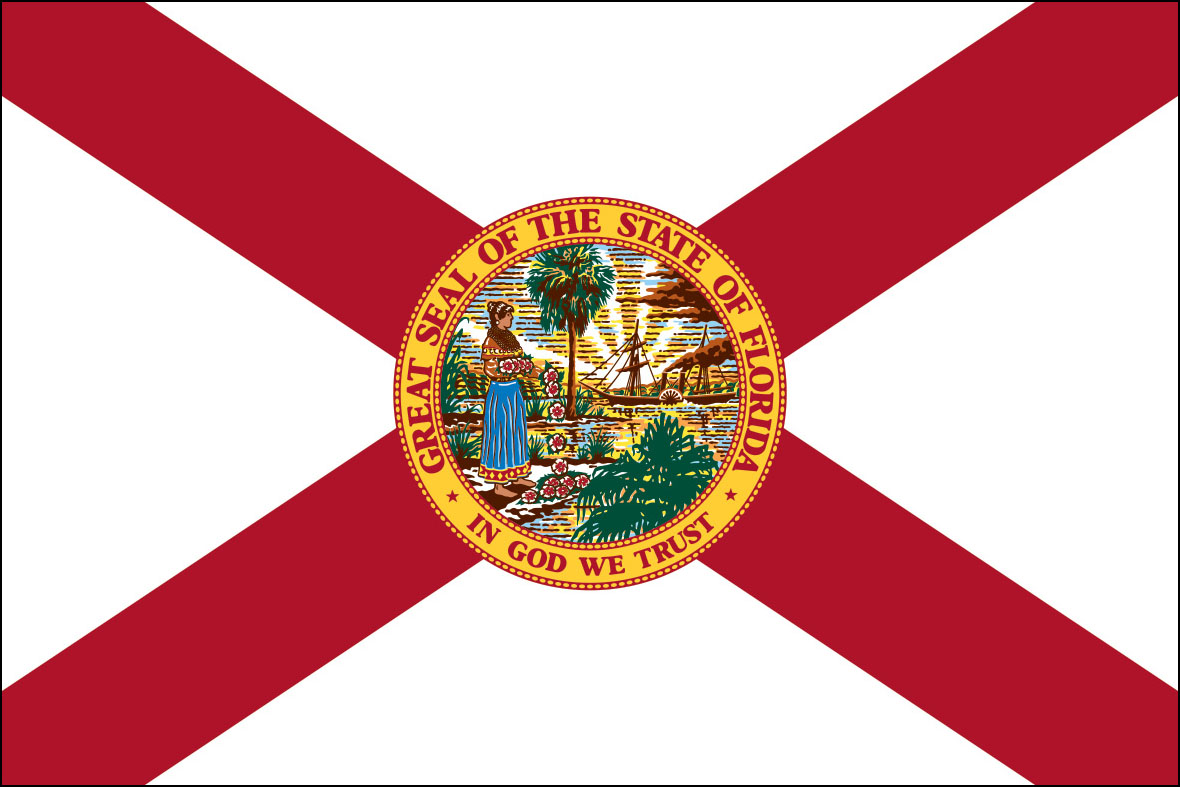
Understanding the Protocol of Half-Mast Displays
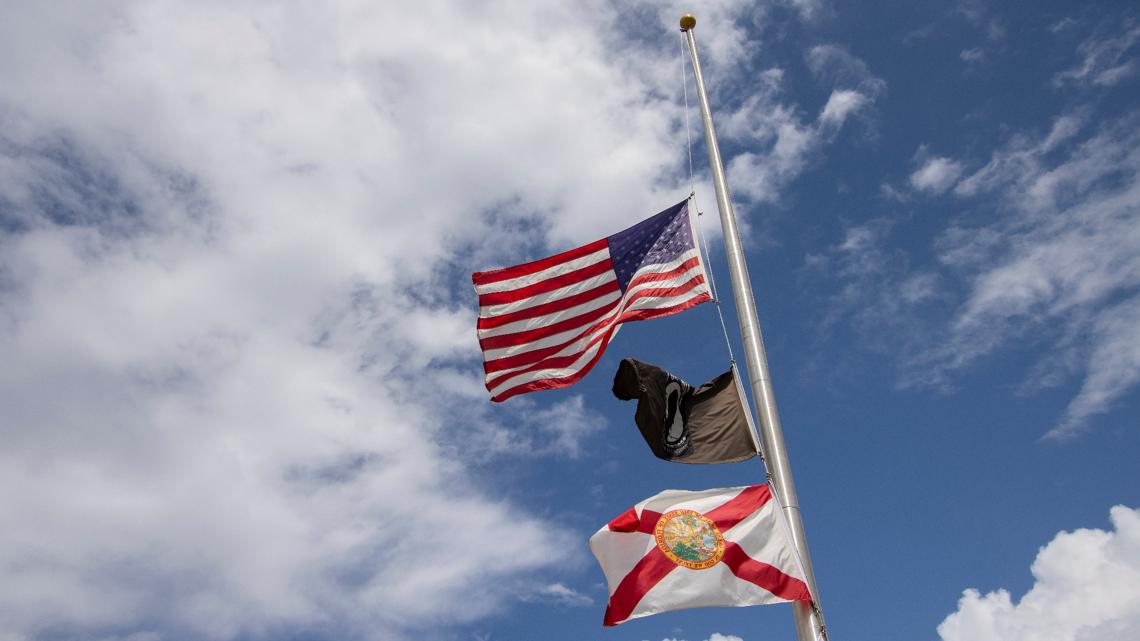
The tradition of flying flags at half-mast (or half-staff) is a globally recognized symbol of respect, mourning, or distress. It signifies that the nation or community is in a state of solemn reflection. In the United States, and specifically in Florida, these directives follow established protocols, ensuring consistency and reverence for the occasions they commemorate.
The Symbolism of Mourning and Respect
When a flag is flown at half-mast, it communicates a collective sense of loss or honor. The empty space above the flag is symbolically reserved for the “invisible flag of death,” representing respect for the deceased or a communal acknowledgment of a significant tragedy. This powerful visual gesture transcends language barriers, immediately conveying a serious and reverent atmosphere. For tourists, witnessing such a display can offer a poignant glimpse into the community’s emotional landscape, prompting reflection on the values and individuals held dear by Floridians. It’s a moment to pause and consider the deeper currents of local life beyond the beaches and attractions.
Who Authorizes Half-Mast Directives?
The authority to order flags flown at half-mast rests primarily with the President of the United States for national observances, and with state governors for events significant to their respective states. In Florida, the Governor of Florida issues proclamations or executive orders specifying when and for how long flags should be lowered. These directives typically apply to all state and local government buildings, public institutions, and often extend to businesses and private residences as a sign of solidarity. Understanding this chain of command helps clarify that such displays are not arbitrary but are official acknowledgments of significant events.
National vs. State-Level Observances
It’s crucial to distinguish between national and state-level directives. National observances, ordered by the President, apply nationwide and are typically for major national tragedies, the death of a sitting or former high-ranking federal official, or designated national days of remembrance like Patriot Day (September 11). State-level directives, issued by the Governor of Florida, are specific to events or individuals impacting Florida directly. This could include the death of a prominent state official, a local tragedy, or the honoring of first responders from within the state. As a tourist, knowing this distinction can help you determine the scope and immediate relevance of the display you are witnessing. A statewide order reflects something deeply impactful to the Florida community, providing insight into its unique cultural fabric.
Common Reasons for Half-Mast in Florida
While the exact reason for flags being at half-mast can vary, there are several common categories of events that typically trigger such a display in Florida. These reasons often reflect the state’s values, its history, and the collective experiences of its residents. For tourists, recognizing these patterns offers a window into the significant moments that shape the Florida identity.
Remembering Fallen Heroes and Public Servants
One of the most frequent reasons for flags to be lowered is to honor fallen heroes. This includes military personnel from Florida who have died in the line of duty, as well as police officers, firefighters, and other first responders who have made the ultimate sacrifice protecting their communities. These individuals are held in high esteem, and their loss is keenly felt throughout the state. The half-mast flag serves as a public acknowledgment of their service and an expression of gratitude and grief. For visitors, seeing this display can highlight the deep respect Floridians have for those who serve, providing a moment to reflect on the bravery and dedication prevalent in the local culture. It’s a reminder that beneath the vibrant tourist facade, there’s a strong sense of community and civic duty.
Honoring Victims of Tragedies
Flags are also often lowered to mourn victims of significant tragedies, whether natural disasters or acts of violence. Florida, being prone to hurricanes, has unfortunately experienced devastating natural events where lives have been lost. Similarly, tragic acts of violence, such as the Pulse Nightclub shooting in Orlando or the Marjory Stoneman Douglas High School shooting in Parkland, have led to statewide and sometimes national directives for flags to be flown at half-mast. These observances allow the community to collectively grieve, show solidarity with affected families, and remember those who were lost. As a tourist, understanding these historical events provides crucial context to the state’s cultural landscape and helps foster empathy for the community you are visiting.
Commemorating Significant Historical Events

Less frequently, flags might be lowered to commemorate significant historical events or anniversaries that hold deep meaning for the state or the nation. While many historical commemorations have specific national days (like Memorial Day or Pearl Harbor Remembrance Day), state governors may issue directives for local historical anniversaries or events that resonate particularly strongly within Florida’s unique history. These acts serve to ensure that past sacrifices and pivotal moments are not forgotten, reinforcing a sense of collective memory and heritage. For visitors interested in the deeper layers of Florida’s identity, these commemorations offer a chance to explore the historical narratives that have shaped the state into what it is today.
What It Means for Tourists and Local Culture
Encountering flags at half-mast during your Florida vacation is more than just a fleeting observation; it’s an invitation to engage with the local culture on a deeper, more meaningful level. Rather than simply noting the display, understanding its context can transform your tourist experience, fostering respect and a richer appreciation for the destination.
Respecting Local Customs and Sentiments
When flags are at half-mast, it signals that the community is in a state of mourning or solemn remembrance. As a visitor, observing this display with respect is paramount. This might mean refraining from overly boisterous behavior in public spaces where the flags are visible, or simply taking a moment to acknowledge the gravity of the situation. It’s a subtle but significant way to show deference to the local population and their traditions. Such respect enhances your personal experience, allowing you to connect with the authentic spirit of Florida beyond its superficial attractions. It reflects well on you as a thoughtful traveler and contributes positively to the overall atmosphere of intercultural understanding.
Impact on Local Events and Atmosphere
While rare, in the immediate aftermath of a significant tragedy that warrants flags at half-mast, there might be a noticeable shift in the local atmosphere. Some public events or celebrations could be postponed or canceled out of respect, or a general sense of solemnity might pervade the community. While Florida’s tourism industry is robust and resilient, it’s worth being aware that the emotional landscape of a place can temporarily change. For example, if you are visiting a city like Miami or Jacksonville during a period of half-mast observance for a local hero, you might notice a more subdued demeanor among residents or hear local news channels discussing the event. Being informed allows you to adjust your expectations and engage with the local mood appropriately, rather than being caught off guard.
Engaging with Commemorative Practices
For the inquisitive tourist, a flag at half-mast can be an opportunity for deeper engagement. You might seek out local news to understand the specific reason for the display, or visit a nearby memorial if one is erected in honor of the event. For instance, if flags are at half-mast for a military veteran, a visit to a local veterans’ memorial or a historical museum in cities like St. Augustine might offer further context. This kind of engagement transcends typical tourism, allowing you to participate in the collective memory of the place and gain a more profound understanding of its people and history. It’s about becoming a traveler who truly seeks to understand, rather than just observe.
Staying Informed During Your Florida Visit
Being a well-informed traveler enhances your experience and allows you to interact with your destination more thoughtfully. Understanding why flags are at half-mast in Florida is part of this awareness, especially as it relates to local culture and significant events.
Official Sources for Half-Mast Announcements
The most reliable sources for information regarding flags at half-mast are official government channels. The Office of the Governor of Florida typically issues press releases or executive orders that are quickly disseminated through state and local government websites and news outlets. Major local news stations in cities such as Tampa, Fort Lauderdale, and Orlando will also prominently feature these announcements. Checking these sources, especially if you notice a flag at half-mast, can provide immediate clarity and context, helping you understand the gravity and specifics of the observance.
Observing Local News and Community Spirit
Beyond official announcements, simply paying attention to local news broadcasts, newspapers, or even conversations in cafes and shops can offer valuable insights. During periods of public mourning or remembrance, there’s often an outpouring of community spirit, with residents sharing stories, participating in vigils, or visiting makeshift memorials. Observing how the local community responds can be a powerful learning experience, providing an authentic look into the resilience, empathy, and collective identity of Floridians. It offers a snapshot of genuine local life, far removed from curated tourist experiences.
A Deeper Connection to the Destination
Ultimately, understanding the nuances of local customs like flag etiquette deepens your connection to Florida as a destination. It transforms your visit from a mere consumption of attractions into an immersive cultural experience. By being aware and respectful of the reasons behind flags at half-mast, you not only honor the solemnity of the occasion but also gain a more comprehensive appreciation for the state’s heritage, its people, and the events that shape their lives. This level of engagement fosters a more memorable and meaningful journey, allowing you to carry a piece of Florida’s true spirit with you long after your visit concludes.
In conclusion, flags flying at half-mast in Florida are never arbitrary. They are powerful symbols reflecting moments of national or statewide mourning, respect for fallen heroes, or remembrance of significant tragedies. For the discerning tourist, these displays are not just visual curiosities but profound invitations to understand the heartbeat of the Sunshine State’s culture, its history, and the collective sentiments of its vibrant communities. By taking a moment to understand their significance, you enrich your travel experience and foster a more respectful and insightful engagement with your chosen destination.
LifeOutOfTheBox is a participant in the Amazon Services LLC Associates Program, an affiliate advertising program designed to provide a means for sites to earn advertising fees by advertising and linking to Amazon.com. Amazon, the Amazon logo, AmazonSupply, and the AmazonSupply logo are trademarks of Amazon.com, Inc. or its affiliates. As an Amazon Associate we earn affiliate commissions from qualifying purchases.