
The saga of Cam Newton‘s departure from the Florida Gators remains one of the most compelling and often-discussed chapters in modern college football history. His journey, marked by immense talent, unforeseen challenges, and a remarkable resurgence, provides a fascinating look into the complex lifestyle choices and critical junctures that define an elite athlete’s career. While the specifics of his exit were clouded in controversy, Newton’s decision to seek new horizons ultimately reshaped his destiny, leading him to unparalleled collegiate success and a distinguished professional lifestyle in the NFL. This narrative isn’t just about a football player changing teams; it’s about the intricate interplay of opportunity, adversity, and the relentless pursuit of an optimal personal and professional trajectory.
The Unforeseen Crossroads: A Promising Start and Sudden Departure
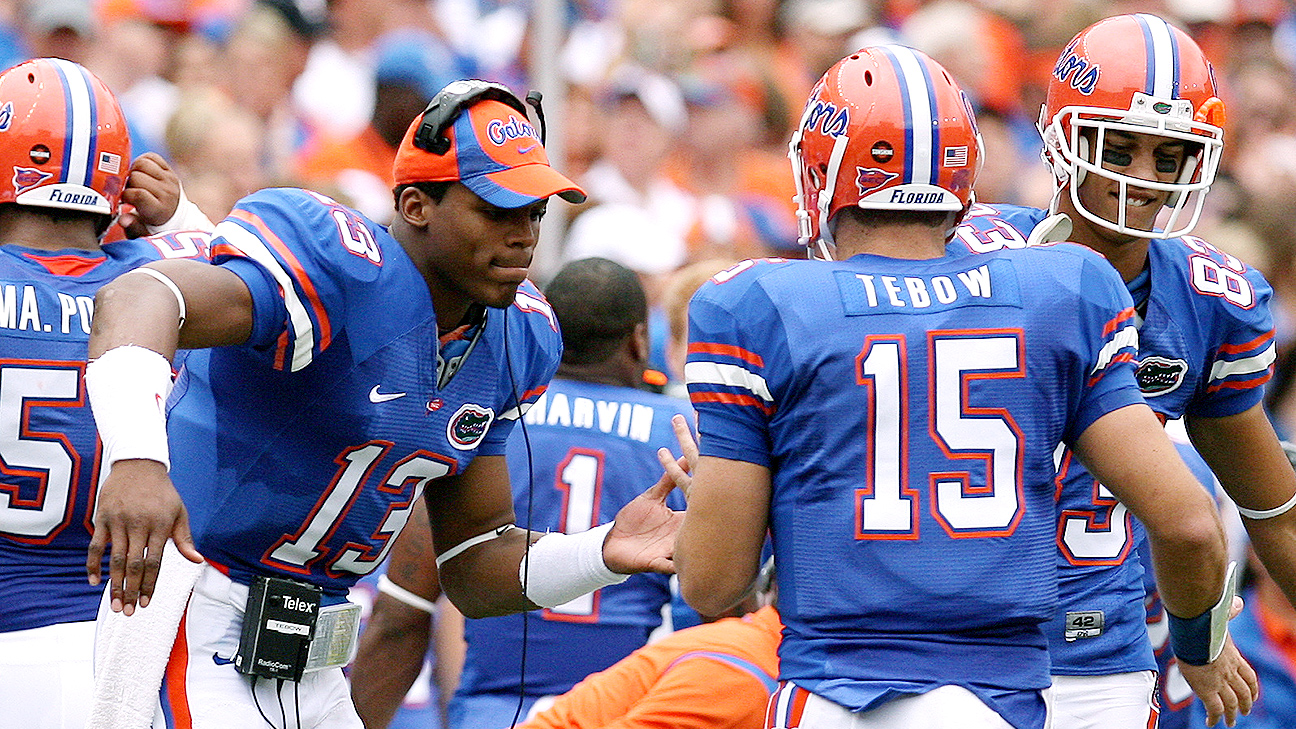
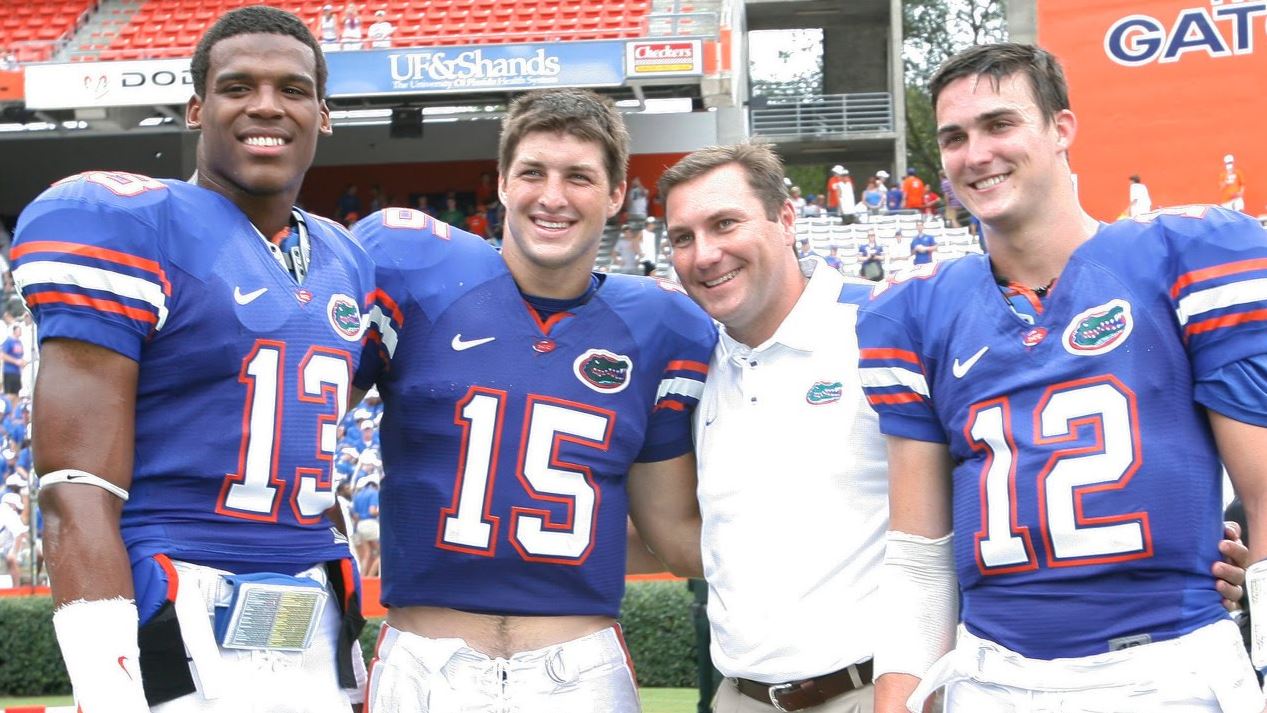
When Cam Newton arrived at the University of Florida in 2007, he was heralded as one of the nation’s top quarterback recruits. His impressive physical stature, combined with remarkable athleticism, made him a dual-threat phenom perfectly suited for the dynamic offenses prevalent in the Southeastern Conference (SEC). Under the tutelage of then-head coach Urban Meyer, the future seemed bright for Newton in Gainesville, Florida. His presence, even as a backup to eventual Heisman winner Tim Tebow, hinted at the immense potential that would later define his career. The initial lifestyle choice of committing to a powerhouse program like Florida seemed a natural fit for a player of his caliber, positioning him for elite competition and development.
Early Promise in Gainesville
Newton redshirted his first year, observing and learning behind Tim Tebow. In 2008, as a redshirt freshman, he saw limited action but showcased flashes of his unique talent, participating in five games. He completed 5 of 10 passes for 40 yards and ran 16 times for 103 yards, scoring three touchdowns. These glimpses, though brief, demonstrated his ability to impact games with both his arm and legs, confirming the scouting reports that had lauded his potential. The Florida Gators were in a period of dominance, culminating in a National Championship victory in 2008, a success that Newton was a part of, albeit from a supportive role. This environment offered a high-stakes, competitive lifestyle that many young athletes aspire to, providing exposure to winning traditions and top-tier coaching.
The Catalyst for Change: Navigating Adversity
The turning point in Newton’s Florida Gators tenure came in November 2008. He was arrested on charges of felony burglary, larceny, and obstruction of justice after allegedly stealing a laptop from another University of Florida student. While the charges were later dropped after he completed a diversion program, the incident cast a significant shadow over his time in Gainesville. This legal entanglement created an immediate and profound shift in his collegiate lifestyle and future prospects. Athletes at high-profile institutions are under intense scrutiny, and such incidents can derail promising careers.
The subsequent spring of 2009 brought another layer of complexity. During a spring practice, Newton sustained an ankle injury, further complicating his immediate playing future. The combination of the legal issues, the injury, and the formidable presence of Tim Tebow as the entrenched starter meant Newton’s path to becoming the starting quarterback at Florida was becoming increasingly obstructed. Faced with these converging challenges, the personal and professional lifestyle choices became stark: remain in a backup role with lingering questions, or seek a fresh start elsewhere. In January 2010, Cam Newton made the pivotal decision to transfer from the University of Florida, initiating a dramatic reorientation of his athletic and personal lifestyle.
Seeking a New Path: The Junior College Interlude
Newton’s decision to leave a major Division I program for a junior college was unconventional for a player of his talent, yet it proved to be a masterstroke in his career trajectory. It reflected a proactive approach to managing his athletic lifestyle, prioritizing immediate playing time and a chance to rebuild his reputation away from the intense spotlight of the SEC. This strategic move provided him with an opportunity to reset, focus on his game, and demonstrate his readiness to lead a team, ultimately paving the way for his triumphant return to the FBS stage.
Blinn College: A Stepping Stone to Redemption
After leaving Florida, Cam Newton enrolled at Blinn College, a junior college in Brenham, Texas, for the 2009 season. This was a significant shift in his collegiate lifestyle, moving from a national championship contender to a junior college program. However, at Blinn, Newton flourished. He led the Blinn College Buccaneers to a National Junior College Athletic Association (NJCAA) National Championship. His performance was stellar: he threw for 2,833 yards and 22 touchdowns, and ran for 655 yards and 16 touchdowns.
This period at Blinn was crucial for Newton. It allowed him to gain valuable starting experience, refine his skills, and demonstrate his leadership capabilities without the intense media scrutiny he would have faced at a major NCAA institution immediately following his legal issues. It was a chapter dedicated to personal and athletic growth, showcasing his resilience and unwavering commitment to his goals. The lower pressure environment of junior college offered a distinct lifestyle, enabling focused rehabilitation of his image and his game.
Rebuilding a Career, Redefining a Lifestyle
Newton’s success at Blinn College was not merely about statistics; it was about the comprehensive rebuilding of his athletic and personal brand. His commanding performance reignited interest from top-tier Division I programs across the country. This re-emergence from adversity redefined his collegiate lifestyle, transforming him from a controversial backup to a highly sought-after commodity. His impressive play created a new narrative: one of redemption and immense talent.
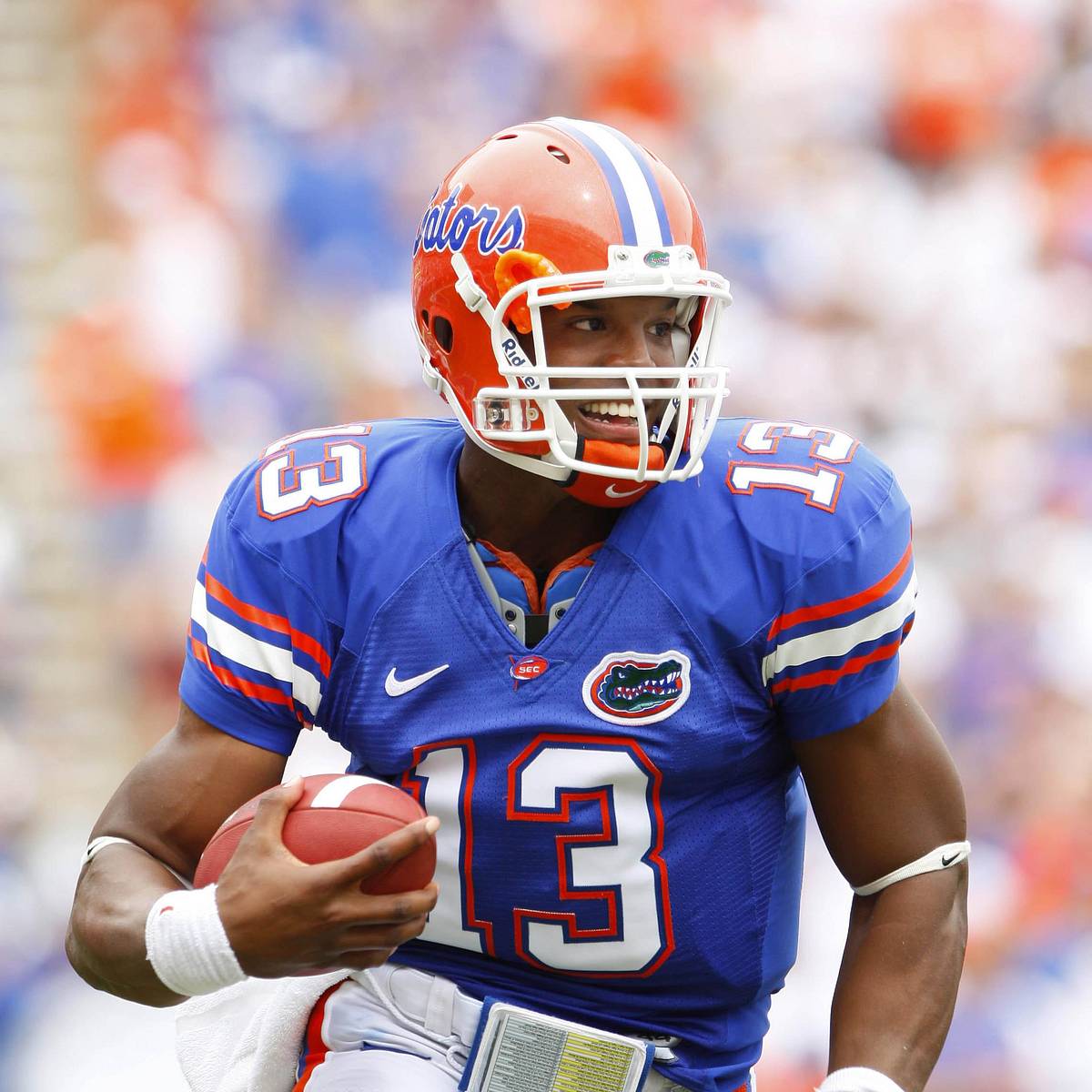
The recruiting process after Blinn was intense, with many major programs vying for his services. This period, too, was not without its own set of controversies, particularly regarding alleged pay-for-play schemes involving his father, Cecil Newton Sr., during his recruitment by Mississippi State and later Auburn. These allegations, which were thoroughly investigated by the NCAA but ultimately did not result in Newton being declared ineligible, highlighted the complex and often murky world of high-stakes college recruiting and the pressures it places on athletes and their families. Despite these challenges, Newton maintained his eligibility and prepared for his return to the SEC.
The Auburn Tigers Era: A Lifestyle Transformed
Newton’s transfer to Auburn University for the 2010 season marked the most impactful decision of his collegiate career, culminating in one of the most remarkable single seasons in college football history. This move was not just a change of scenery; it was a complete transformation of his athletic lifestyle, propelling him from junior college success to national superstardom. At Auburn, Cam Newton didn’t just play football; he redefined the position and etched his name into the annals of the sport.
Championship Dreams and Individual Acclaim
At Auburn, Cam Newton became an immediate sensation. He led the Tigers to an undefeated 13-0 regular season, including a dramatic comeback victory against the Alabama Crimson Tide in the Iron Bowl. His play was nothing short of electrifying. He threw for 2,854 yards and 30 touchdowns, adding an incredible 1,473 rushing yards and 20 rushing touchdowns. He became only the third player in NCAA history to throw for over 2,000 yards and rush for over 1,000 yards in a single season.
His multifaceted skills and dominant performances captivated the nation, earning him numerous accolades. His collegiate lifestyle reached its zenith in this period, marked by unprecedented individual success and team achievement. Newton’s ability to single-handedly carry his team, making game-changing plays with both his arm and legs, was a testament to his unique athletic gifts and the effectiveness of his strategic transfer decisions.
The Heisman Trophy and Beyond
The pinnacle of Cam Newton’s Auburn season was undoubtedly winning the Heisman Trophy, awarded to the most outstanding player in college football. He won by one of the largest margins in the award’s history, solidifying his status as a college football icon. This personal triumph was swiftly followed by team glory, as he led the Auburn Tigers to a National Championship victory over the Oregon Ducks in a thrilling BCS National Championship Game.
Newton’s Heisman season and National Championship not only cemented his legacy but also confirmed the wisdom of his decision to leave Florida. He transformed a challenging start into an unparalleled success story, demonstrating how strategic moves, even through adversity, can lead to the fulfillment of aspirational lifestyle goals. His single season at Auburn became legendary, setting the stage for his leap to the professional ranks.
The Lasting Impact on Collegiate and Professional Lifestyles
Cam Newton’s journey from Gainesville to Brenham to Auburn and eventually to the NFL offers profound insights into the dynamic and often tumultuous lifestyle of an elite athlete. His story highlighted both the intense pressures and immense opportunities within college sports, illustrating how individual decisions can ripple through entire programs and careers. Newton’s path underscored the importance of resilience, adaptability, and the courage to make difficult choices in pursuit of one’s ultimate potential.
Shifting Dynamics in College Football
Newton’s transfer saga, coupled with his meteoric rise, has had a lasting impact on how transfers are viewed in college football. While the NCAA transfer portal has since streamlined and normalized player movement, Newton’s success as a high-profile transfer paved the way for future athletes seeking new opportunities. His story demonstrated that a change of scenery, particularly after facing challenges, could be a legitimate and highly effective strategy for career advancement and achieving a desired athletic lifestyle.
The narrative also subtly emphasized the competitive landscape of recruiting and the high stakes involved, influencing how programs evaluate and pursue talent, particularly quarterbacks. The concept of an athlete taking a “detour” through junior college to gain experience and rehabilitate their image became a viable, albeit challenging, option for others.
An NFL Lifestyle and Enduring Legacy
Following his dominant season at Auburn, Cam Newton declared for the 2011 NFL Draft, where he was selected first overall by the Carolina Panthers. His professional career saw him become one of the league’s most exciting and impactful players, earning the NFL MVP award in 2015 and leading the Panthers to Super Bowl 50. His groundbreaking style of play, combining elite passing with powerful rushing, revolutionized the quarterback position in the NFL.
Newton’s transition to the NFL represented the ultimate fulfillment of his athletic lifestyle aspirations, moving from collegiate challenges to professional superstardom. His journey from being a backup at Florida to a junior college champion, then a Heisman Trophy winner and National Champion, and finally an NFL MVP, stands as a powerful testament to the impact of strategic lifestyle choices, personal perseverance, and the belief in one’s own potential. While his departure from the Florida Gators was rooted in complex circumstances, it ultimately served as a pivotal moment that propelled him toward an extraordinary and influential career.
LifeOutOfTheBox is a participant in the Amazon Services LLC Associates Program, an affiliate advertising program designed to provide a means for sites to earn advertising fees by advertising and linking to Amazon.com. Amazon, the Amazon logo, AmazonSupply, and the AmazonSupply logo are trademarks of Amazon.com, Inc. or its affiliates. As an Amazon Associate we earn affiliate commissions from qualifying purchases.