
The question of whether marijuana has passed in Florida is a nuanced one, stirring considerable interest among residents and prospective visitors alike. While the Sunshine State has had a robust medical marijuana program for several years, the path to recreational legalization has proven to be a complex journey, marked by legislative debates, ballot initiatives, and public discourse. For the millions who flock to Florida each year, understanding the current legal landscape of cannabis is crucial, as it profoundly impacts travel planning, local activities, and the overall visitor experience. This article delves into the current status of marijuana laws in Florida and explores the significant implications, both present and future, for its dynamic tourism sector.
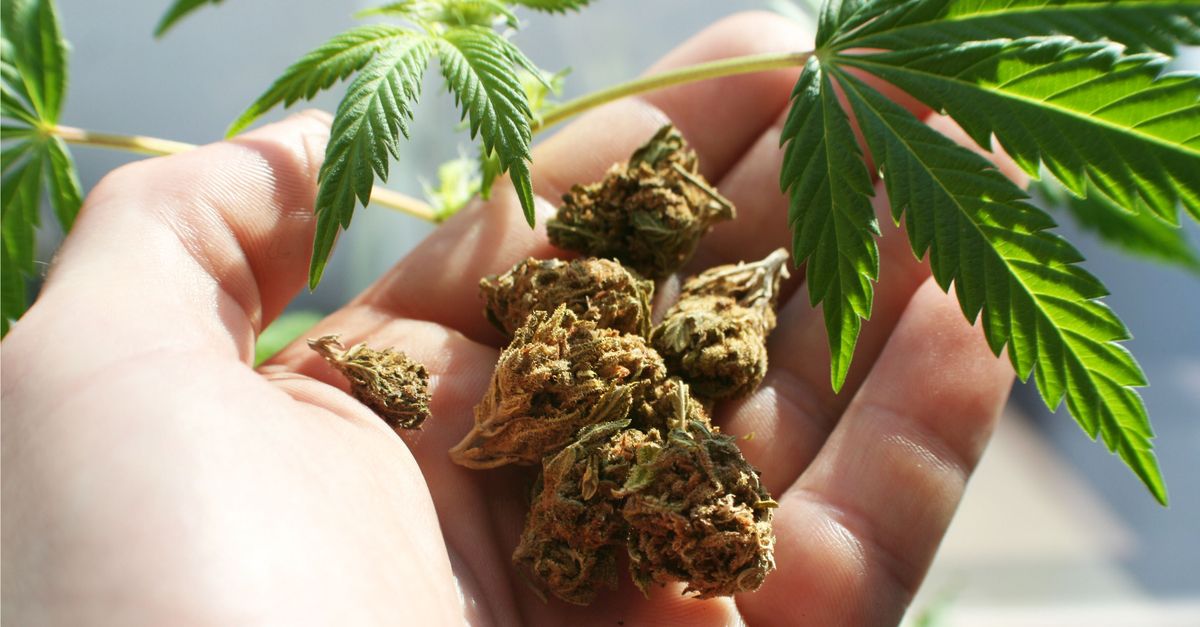
The Current Landscape: Medical vs. Recreational
Florida’s approach to cannabis has evolved significantly over the past decade, moving from strict prohibition to a regulated medical program. However, the distinction between medical and recreational use remains a critical point of clarity for anyone visiting or residing in the state.
Florida’s Medical Marijuana Program
In 2016, Florida voters overwhelmingly approved Amendment 2, which legalized medical marijuana for qualifying patients. This landmark decision paved the way for a comprehensive regulatory framework overseen by the Florida Department of Health. Under this program, registered patients with specific debilitating conditions, such as cancer, epilepsy, glaucoma, HIV/AIDS, PTSD, and chronic pain, can obtain a medical marijuana card from a state-licensed physician. With this card, patients can legally purchase various cannabis products—including flower, edibles, oils, and vapes—from licensed medical marijuana treatment centers (MMTCs), commonly known as dispensaries.
For tourists, this means that unless they possess a valid Florida medical marijuana card, they cannot legally purchase or possess cannabis, even if they have a medical marijuana card from another state. The state’s reciprocity laws are limited, and generally, only Florida residents are eligible for its medical cannabis program. This distinction is vital for visitors to understand, as possession without proper authorization carries legal penalties.
The Push for Recreational Legalization
While medical marijuana is firmly established, the question of recreational cannabis has been a persistent topic of debate. Various organizations and citizen-led initiatives have attempted to place adult-use marijuana on the ballot. These efforts typically aim to amend the state constitution to allow adults 21 and older to possess and consume cannabis for non-medical purposes, similar to alcohol. These initiatives often face significant hurdles, including strict signature gathering requirements, judicial review of ballot language, and opposition from various political and interest groups.
As of early 2024, a notable effort, Amendment 3, spearheaded by the Smart & Safe Florida campaign, successfully gathered enough signatures to be placed on the November 2024 ballot. This proposed amendment, if passed by at least 60% of voters, would legalize adult-use cannabis in Florida. This development marks a pivotal moment, as its outcome will significantly shape the future of cannabis in the state and, by extension, its tourism industry. The ongoing discussion surrounding Amendment 3 highlights the public’s growing interest and the potential for a transformative shift in Florida’s legal and cultural landscape regarding cannabis.
Implications for Florida’s Tourism Sector
The potential legalization of recreational marijuana in Florida carries profound implications for its world-renowned tourism sector. A shift in cannabis policy could redefine visitor demographics, introduce new types of attractions, and necessitate significant adaptations from tourism-related businesses.
Attracting New Demographics
Florida has long been synonymous with family-friendly destinations like Walt Disney World Resort in Orlando and the pristine beaches of Miami and Key West. However, the legalization of recreational cannabis could open the door to a new segment of travelers often referred to as “cannabis tourists.” This demographic, comprising adults interested in cannabis-related experiences, could seek out destinations where they can legally purchase and consume marijuana. This could include younger adults, travelers seeking alternative wellness experiences, or those from regions where cannabis remains illegal and who are curious about legal consumption.
Cities like Denver and Las Vegas, which have legalized recreational cannabis, have seen the emergence of specialized tourism offerings, such as cannabis-friendly hotels, dispensary tours, and even cannabis cooking classes. For Florida, this could mean a diversification of its visitor base, attracting individuals who might not typically choose the state for a vacation, thereby expanding its appeal beyond traditional attractions.
Challenges and Regulatory Hurdles for Visitors
Even if recreational marijuana passes, the implementation will not be without its challenges, particularly concerning visitors. States that have legalized cannabis have often grappled with how to regulate public consumption, where tourists can legally use products, and the policies of hotels and other accommodations. It’s highly probable that public consumption would remain illegal, similar to alcohol, restricting use to private residences. This could pose a dilemma for tourists staying in hotels or vacation rentals where cannabis use might be prohibited by property owners.
Furthermore, transportation laws, especially regarding driving under the influence of cannabis, would need to be clearly communicated to visitors. Federal law still classifies marijuana as an illegal substance, meaning it remains prohibited on federal lands, including national parks, and at airports. Travelers flying into or out of Florida would need to be acutely aware of these federal restrictions, as transporting cannabis across state lines or through airports would remain illegal, regardless of state law. Educating visitors about these nuances will be critical to ensure compliance and avoid unintended legal issues.
Economic Windfalls and Infrastructure Needs
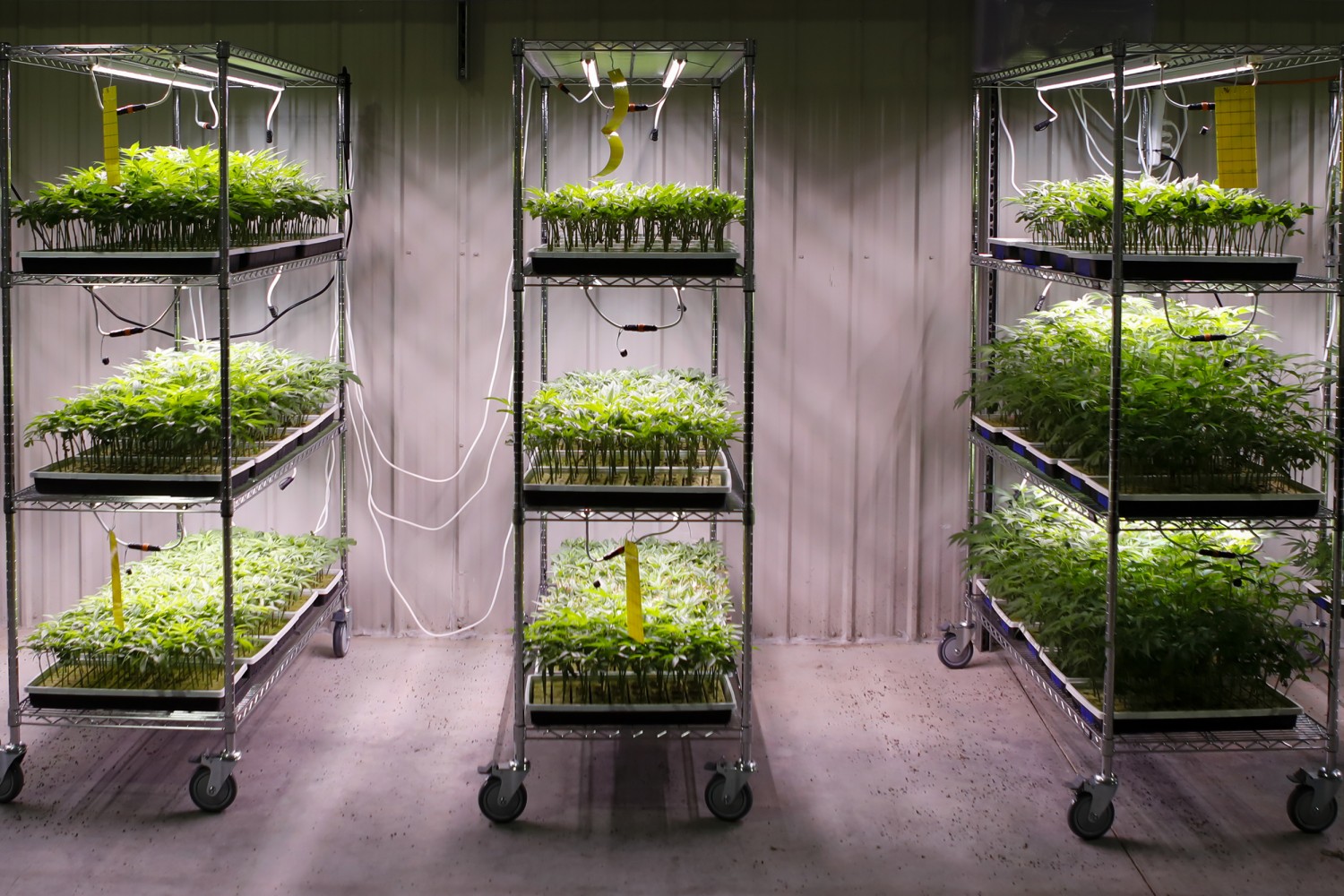
The economic benefits of recreational cannabis legalization could be substantial for Florida. Proponents often point to significant tax revenues that could be generated from cannabis sales, which could then be allocated to public services, education, or infrastructure projects. Beyond direct tax revenue, the industry would create new jobs in cultivation, processing, retail, and ancillary services like security and marketing.
For the tourism sector, this could translate into new business opportunities. Specialized dispensaries catering to tourists, cannabis-friendly resorts (if regulations allow), and tour operators offering unique “cannabis experiences” could emerge. However, this also necessitates an expansion of the state’s regulatory and enforcement infrastructure to manage a new legal market effectively. Investment would be required in licensing bodies, public health initiatives, and law enforcement training to ensure a safe and well-regulated cannabis industry that complements rather than detracts from Florida’s existing tourism appeal.
Navigating the Legalities: What Travelers Need to Know
For any traveler considering a trip to Florida, understanding the precise legal standing of marijuana is paramount, regardless of whether recreational use passes or not. The evolving nature of cannabis laws requires visitors to remain informed and exercise caution.
Understanding Current Laws
Currently, outside of the medical marijuana program, cannabis possession and use for recreational purposes are illegal in Florida. Penalties for possession can range from misdemeanors for small amounts, potentially resulting in fines and jail time, to felonies for larger quantities or intent to distribute. It is crucial for tourists not to assume that cannabis laws in their home state or country apply in Florida. The federal prohibition on marijuana also means that even if one has a medical card, transporting cannabis across state lines is unlawful.
Furthermore, visitors must be aware that consuming cannabis in public places, driving under the influence, or possessing it at federal facilities (such as airports or national parks like the Everglades National Park) would remain strictly prohibited, even if recreational use is legalized at the state level. Ignorance of the law is not a defense, and travelers are expected to adhere to all local, state, and federal regulations.
Staying Informed on Future Developments
Given the ongoing efforts to legalize recreational cannabis, particularly with Amendment 3 on the 2024 ballot, it is highly advisable for travelers to stay updated on the latest developments. Reliable sources such as the Florida Department of Health website, reputable news outlets, and official government publications can provide accurate and timely information. Before planning a trip, especially one with an interest in cannabis, checking the current legal status will help ensure a hassle-free visit.
Should Amendment 3 pass, it would likely take time for the state to establish a full regulatory framework, including licensing dispensaries and setting up retail sales. Therefore, even if passed in November 2024, recreational cannabis might not be immediately available to consumers. Travelers should not anticipate instant access and should always verify the effective dates and operational details of any new laws.
Beyond the Buzz: Cultural and Community Impact
The debate and potential legalization of recreational marijuana in Florida extend beyond legal and economic considerations; they delve into the very fabric of the state’s culture and community identity. A change in cannabis policy could subtly or overtly reshape how Florida is perceived and experienced.
Shaping Florida’s Image
Florida has long cultivated an image as a family-friendly, sun-drenched destination offering diverse attractions from theme parks to pristine beaches. The introduction of legal recreational cannabis could add another layer to this image, potentially attracting a more diverse and liberal demographic. While some might worry about a shift away from its family-oriented brand, others see an opportunity for Florida to mature into a destination offering a broader range of adult-centric experiences, complementing its existing nightlife in places like South Beach and cultural scenes in cities like Tampa.
This evolution could involve marketing campaigns that highlight not just the recreational aspects of cannabis, but also its role in wellness, relaxation, and alternative tourism. The goal would be to integrate cannabis tourism seamlessly into Florida’s existing offerings, ensuring it enhances rather than detracts from its overall appeal. The challenge would be balancing this new facet with maintaining the state’s traditional allure for families and retirees.

Local Business Adaptation and Opportunities
The local business community across Florida would undoubtedly need to adapt to and capitalize on any changes in cannabis laws. Restaurants might explore cannabis-infused cuisine, entertainment venues could consider cannabis-friendly events, and local tour operators might develop specialized itineraries focused on the cannabis industry, from cultivation tours to educational experiences. Small businesses, in particular, could find niche markets in providing cannabis accessories, related merchandise, or hospitality services that cater to this new segment of visitors.
However, adaptation also means navigating complex local ordinances that might emerge even after state-level legalization. Individual municipalities or counties could impose their own restrictions on dispensaries, consumption lounges, or public use, creating a patchwork of regulations across the state. Businesses would need to diligently follow these local rules to avoid penalties and ensure responsible operation within their communities. The integration of cannabis into the local economy would require careful planning, community engagement, and a forward-thinking approach from entrepreneurs and policymakers alike.
In conclusion, while medical marijuana has firmly passed in Florida and continues to serve registered patients, the question of recreational cannabis remains in active contention, with a significant ballot initiative on the horizon. For tourists, the key is to understand the current legal framework, distinguish between medical and recreational use, and stay informed about future developments. Should recreational marijuana pass, it would undoubtedly usher in a new era for Florida’s tourism, opening new avenues for economic growth and visitor experiences, while also requiring careful navigation of regulatory complexities and cultural integration. Florida’s tourism landscape is always evolving, and the saga of cannabis legalization is poised to be one of its most transformative chapters yet.
LifeOutOfTheBox is a participant in the Amazon Services LLC Associates Program, an affiliate advertising program designed to provide a means for sites to earn advertising fees by advertising and linking to Amazon.com. Amazon, the Amazon logo, AmazonSupply, and the AmazonSupply logo are trademarks of Amazon.com, Inc. or its affiliates. As an Amazon Associate we earn affiliate commissions from qualifying purchases.