
The question of whether citizens of Guam are US citizens is a common one, often leading to confusion due to the territory’s unique political status. The definitive answer is yes: individuals born in Guam are indeed United States citizens. This fact has profound implications for the lifestyle, rights, and responsibilities of Guamanians, shaping their daily lives, opportunities, and their relationship with the broader American identity. Understanding this citizenship status is crucial for anyone interested in the social, political, and economic fabric of this strategically important Pacific island, whether as a resident, a potential migrant, or simply an engaged global citizen.
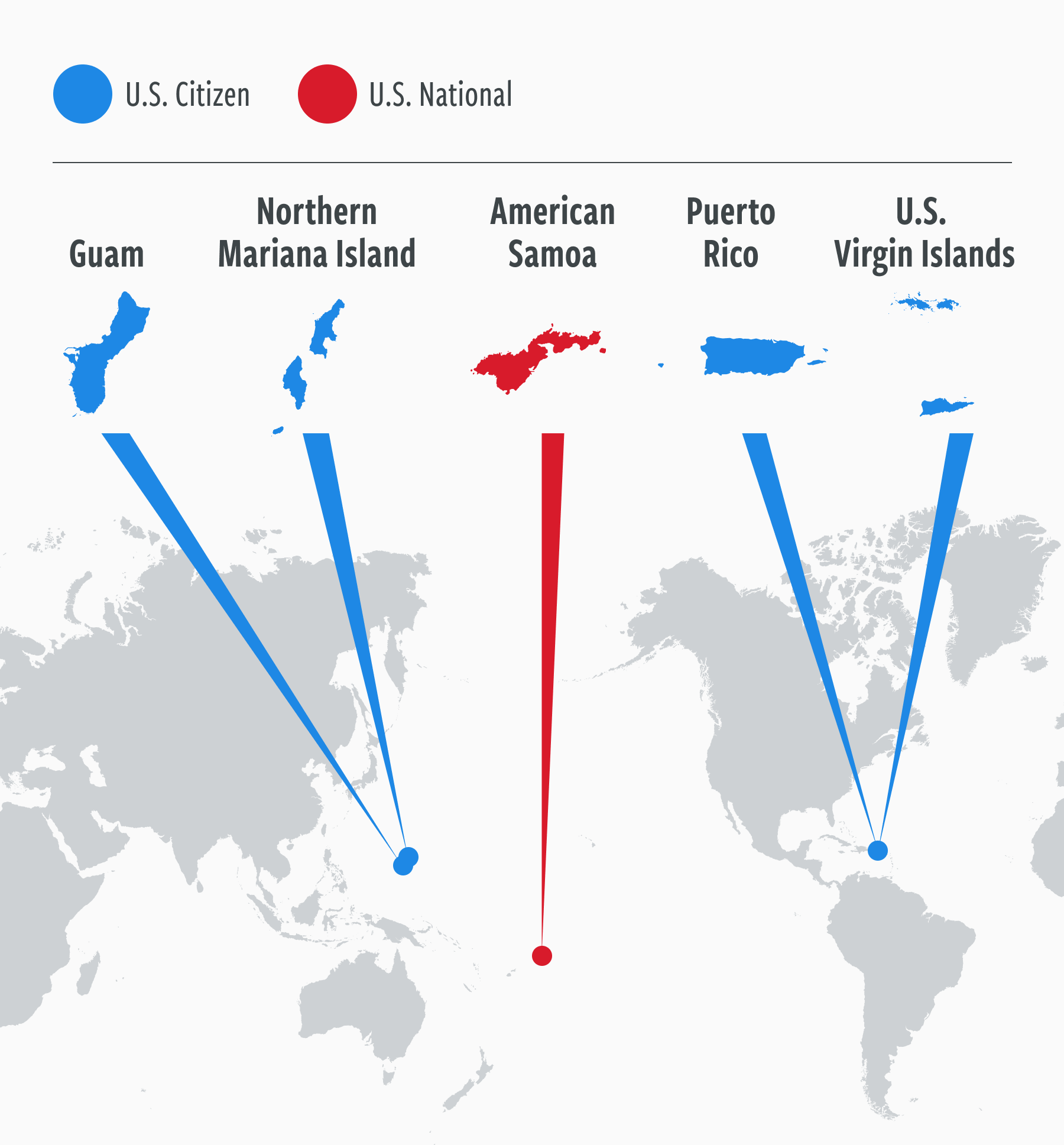
While Guamanians hold US citizenship, their experience differs significantly from that of citizens residing in one of the 50 states. Guam is an unincorporated territory, meaning that while it is part of the United States, the full body of the US Constitution does not automatically apply there. This distinction creates a fascinating and often complex lifestyle for its inhabitants, characterized by a blend of American federalism and distinct local culture, governance, and aspirations.
The Unique Relationship: Guam and the United States
To fully grasp the citizenship status of Guamanians, it’s essential to delve into the historical context that forged the island’s bond with the United States. This history not only explains the legal framework but also illuminates the evolution of a unique lifestyle and identity on the island.
A Brief History of US-Guam Relations
The story of Guam’s ties to the United States began at the close of the 19th century. In 1898, following the Spanish-American War, Guam was ceded by Spain to the United States under the Treaty of Paris. For the next five decades, the island was primarily administered by the US Navy, functioning mainly as a coaling and communication station. During this period, Guamanians were subjects of the United States, but they did not hold full US citizenship. Their lives were dictated by naval regulations, and while they benefited from some American infrastructure and education, they lacked significant political rights.
A pivotal moment in Guam’s history, which profoundly impacted the lifestyle of its people, was the Japanese occupation during World War II. From 1941 to 1944, Guamanians endured a brutal occupation, reinforcing their desire for greater self-determination and stronger ties with the United States after their liberation. The sacrifices made during the war helped galvanize support for granting Guamanians full US citizenship.
The Organic Act of Guam (1950): A Turning Point
The watershed moment for Guam and its citizens came with the enactment of the Organic Act of Guam in 1950. This landmark federal law established a civilian government for the island, replacing military rule, and significantly, conferred US citizenship upon nearly all persons born in Guam on or after April 11, 1899. It also specified that any person born in Guam on or after the date of the Organic Act would be a US citizen.
The Organic Act fundamentally transformed the lifestyle of Guamanians. It provided them with a Bill of Rights, similar to that of the US Constitution, and established their right to elect their own governor and legislative assembly. While it formally integrated Guamanians into the American citizenry, it simultaneously codified Guam’s status as an “unincorporated territory.” This means that while Guam is subject to the authority of the US Congress, not all provisions of the US Constitution automatically apply, leading to some unique lifestyle implications for its residents.
What US Citizenship Means for Guamanians
The granting of US citizenship to Guamanians brought with it a host of rights and responsibilities, deeply influencing their lifestyle and opportunities. However, the unincorporated territory status also means there are crucial distinctions compared to state-side citizenship.
Rights and Responsibilities of US Citizens
As US citizens, Guamanians enjoy fundamental freedoms and protections guaranteed by federal law. They carry US passports, allowing them to travel, live, and work anywhere within the United States without immigration hurdles. This ease of movement significantly impacts personal and professional lifestyles, enabling access to diverse opportunities across the mainland. Guamanians are also eligible to serve in the US armed forces, a path many choose, contributing to the island’s strong military presence and shaping family lifestyles.
Moreover, federal laws and programs, ranging from social security to disaster relief, extend to Guam, providing a safety net and support system. In terms of responsibilities, Guamanians are subject to most federal laws, though their tax obligations are unique. They pay local income taxes to the government of Guam, which in turn is responsible for collecting and retaining these taxes rather than remitting them to the US Treasury. This unique fiscal arrangement highlights the blend of federal and local governance that defines the island’s lifestyle.
Distinctions from State-Side Citizenship
Despite holding US citizenship, Guamanians face significant political disenfranchisement compared to their state-side counterparts. Perhaps the most prominent distinction is the lack of voting representation in the US Congress. Guam elects a non-voting delegate to the House of Representatives, who can participate in committee work but cannot cast votes on the House floor. This means Guamanians have no direct say in federal legislation that profoundly impacts their lives and resources.
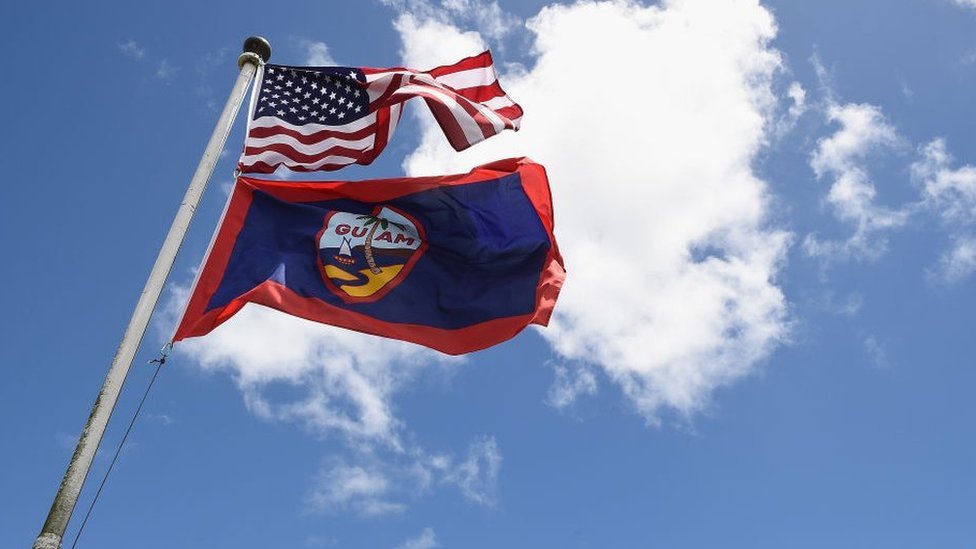
Furthermore, citizens in Guam cannot vote in presidential elections, meaning they have no electoral voice in choosing the leader of the nation of which they are citizens. This “taxation without full representation” is a persistent theme in the local political discourse and profoundly shapes the island’s civic lifestyle. While Guam enjoys a significant degree of self-governance through its elected officials, the ultimate authority of the US Congress means that federal decisions can override local legislation, further complicating the definition of their sovereign lifestyle.
Lifestyle Implications: Living as a US Citizen in Guam
The status of US citizenship within an unincorporated territory creates a distinctive lifestyle for those residing in Guam. It presents both opportunities and challenges, influencing everything from daily routines to long-term life plans.
Opportunities and Challenges for Residents
For Guamanians, US citizenship opens doors to federal programs and benefits, including access to federal student aid, veteran services, and certain healthcare initiatives. This access can significantly improve the quality of life and opportunities for education and career advancement, allowing for a lifestyle that benefits from federal support structures. However, the island’s remote location and economic reliance on federal funding and tourism also present challenges. The cost of living can be high due to import reliance, impacting everyday household budgets.
Culturally, the lifestyle in Guam is a vibrant tapestry woven from indigenous Chamorros heritage, Spanish colonial influences, and a strong American presence, particularly through the military. Guamanians navigate a dual identity, balancing their rich ancestral traditions, language, and customs with the pervasive influence of American consumerism, media, and educational systems. This cultural synthesis defines a unique island lifestyle that is both familiar and distinctly different from mainland America.
For Americans Considering a Move to Guam
For Americans from the mainland considering a move to Guam, the fact that Guamanians are US citizens means relocation is relatively straightforward from an immigration perspective. There are no visa requirements, and the process is akin to moving between states. This ease makes Guam an attractive destination for military personnel and their families, federal employees, and those seeking a different pace of life.
However, a successful transition to the Guamanian lifestyle requires understanding and respecting the local culture and political landscape. While English is an official language and widely spoken, familiarity with Chamorros customs and a readiness to adapt to island living are key. Work opportunities primarily revolve around the large military bases, the local government, and the booming tourism industry, which caters largely to Asian markets. The cost of living, tropical climate, and “island time” mentality are all significant factors that shape the daily lifestyle for newcomers.
The Ongoing Debate: Self-Determination and Political Status
The unique lifestyle of Guamanians, as US citizens without full political rights, fuels an ongoing and passionate debate about the island’s ultimate political status. This discourse is central to the future identity and lifestyle of the island.
Calls for Greater Autonomy
For decades, there have been strong calls from local advocacy groups and political leaders for greater autonomy and self-determination for Guam. Various options have been proposed and discussed, often through non-binding plebiscites, including:
- Statehood: Full integration into the United States as the 51st state, granting full voting rights and representation but requiring conformity with all federal laws and potentially higher federal taxes. This would fundamentally alter the island’s political and economic lifestyle.
- Independence: Complete separation from the United States, forming a sovereign nation. This would provide full self-governance but would mean losing US citizenship and the associated federal benefits, posing significant economic and security challenges for the new nation’s lifestyle.
- Free Association: A compact of free association, similar to agreements the US has with the Federated States of Micronesia, the Republic of the Marshall Islands, and Palau. This would grant internal sovereignty while maintaining close ties with the United States for defense and economic assistance, often with continued US citizenship for residents, offering a hybrid lifestyle.
Each option presents a distinct vision for the future lifestyle of Guamanians, with varying degrees of sovereignty, economic implications, and cultural preservation.
The Future of Guam’s Political Status
The debate over Guam’s political status continues to be a defining feature of its lifestyle and identity. While Guamanians cherish their US citizenship and the opportunities it provides, many also yearn for a status that grants them greater equity and self-determination within the American political system, or even outside of it.
The balance between maintaining strong ties with the federal government and pursuing local aspirations for greater control over their destiny is a delicate one. Any future change in status would undoubtedly reshape the lifestyle, economic prospects, and cultural identity of Guam for generations to come. This ongoing dialogue underscores the dynamic and evolving nature of citizenship in unincorporated territories and its profound impact on the lives of those who call these islands home.
In conclusion, citizens of Guam are indeed US citizens, a status granted by the Organic Act of Guam in 1950. This legal framework has profoundly shaped the lifestyle of Guamanians, providing them with fundamental rights and freedoms, including ease of movement throughout the United States and access to federal programs. However, their position as citizens of an unincorporated territory means they lack full political representation, leading to a unique blend of American identity and a strong local drive for greater self-determination. For both residents and those observing from afar, understanding this complex citizenship status is key to appreciating the rich and dynamic lifestyle of this vibrant Pacific island.
LifeOutOfTheBox is a participant in the Amazon Services LLC Associates Program, an affiliate advertising program designed to provide a means for sites to earn advertising fees by advertising and linking to Amazon.com. Amazon, the Amazon logo, AmazonSupply, and the AmazonSupply logo are trademarks of Amazon.com, Inc. or its affiliates. As an Amazon Associate we earn affiliate commissions from qualifying purchases.